



Victorian Silver Glass Jug
A victorian silver glass jug brings nineteenth-century dining tables to life with sparkling crystal and gleaming metal mounts.
Victorian Silver Glass Jug
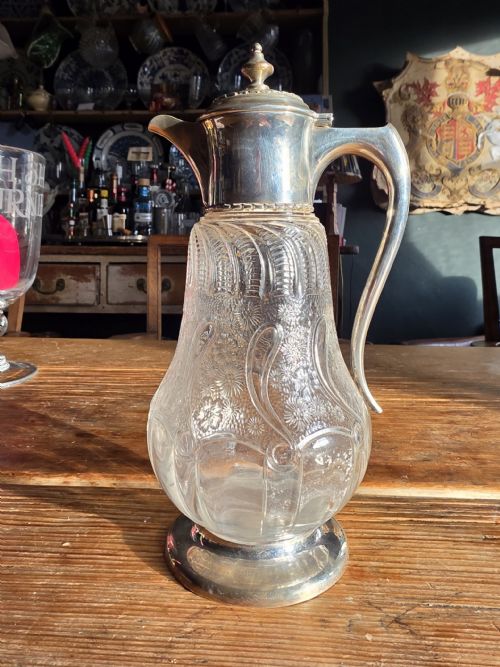
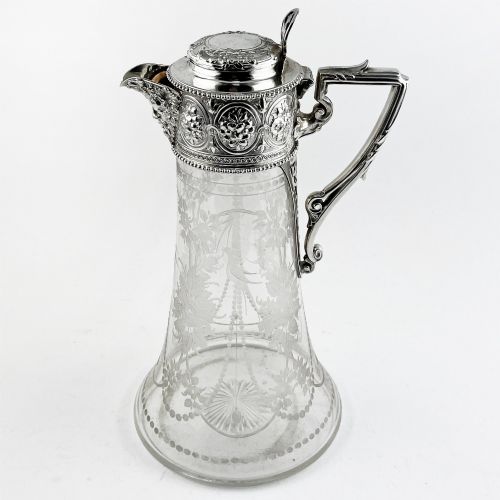
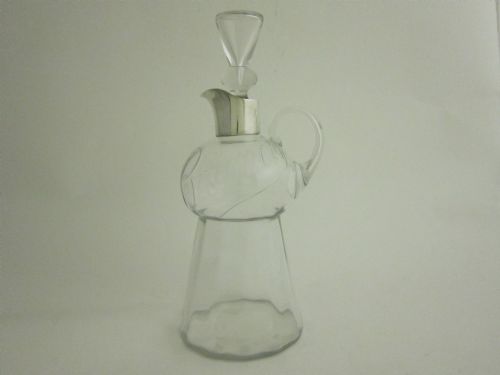
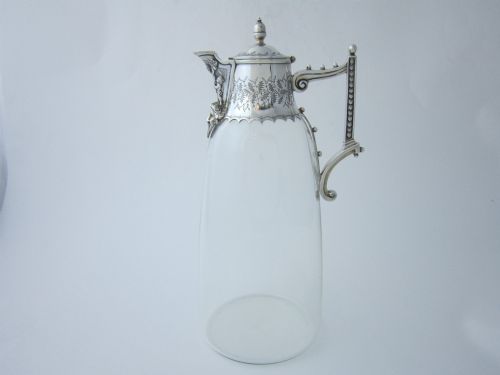
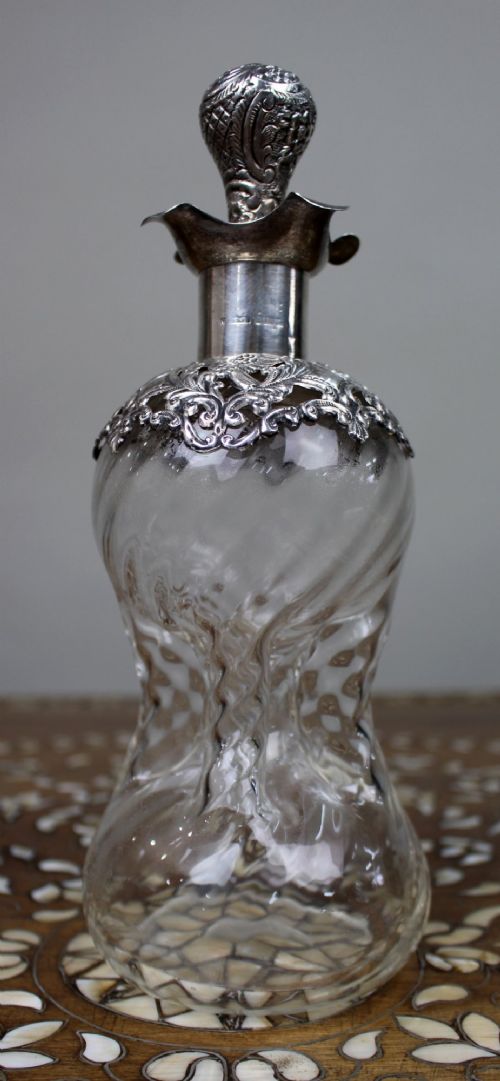
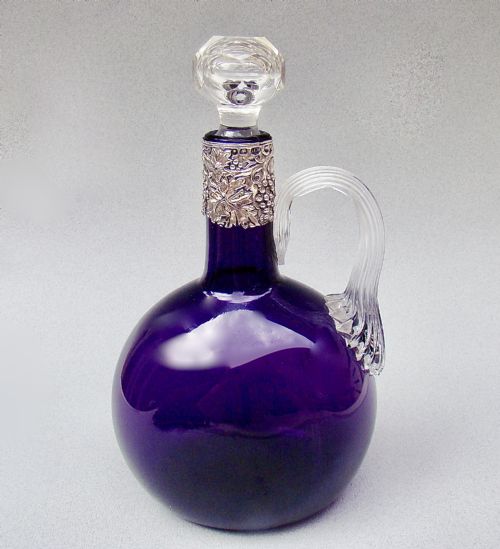
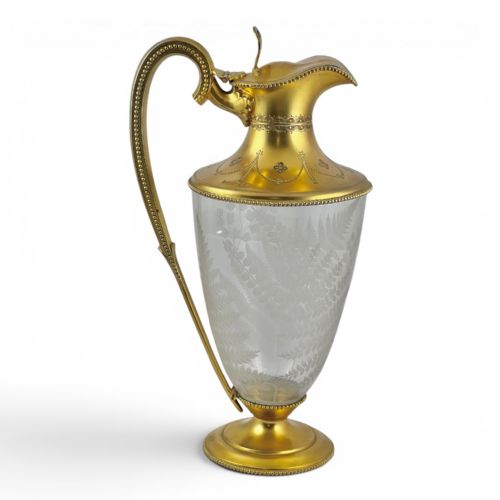
A victorian silver glass jug combines functional table service with decorative artistry, serving primarily as a claret jug, wine decanter, or water pitcher. These vessels appear frequently on this page in forms ranging from tall ewers to bulbous carafes designed for formal entertaining.
Makers fashioned these pieces across the nineteenth century and into the Edwardian period, incorporating styles from Rococo Revival and Aesthetic Movement to Arts and Crafts. Collectors encounter both sterling silver mounts and silver plate combined with clear, cut, or coloured glass bodies.
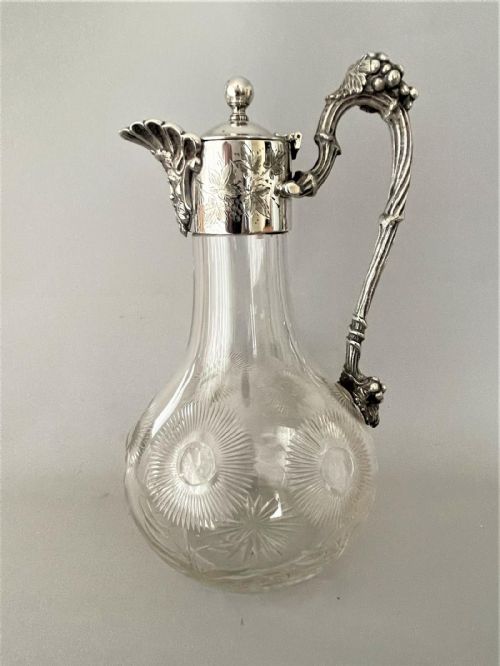
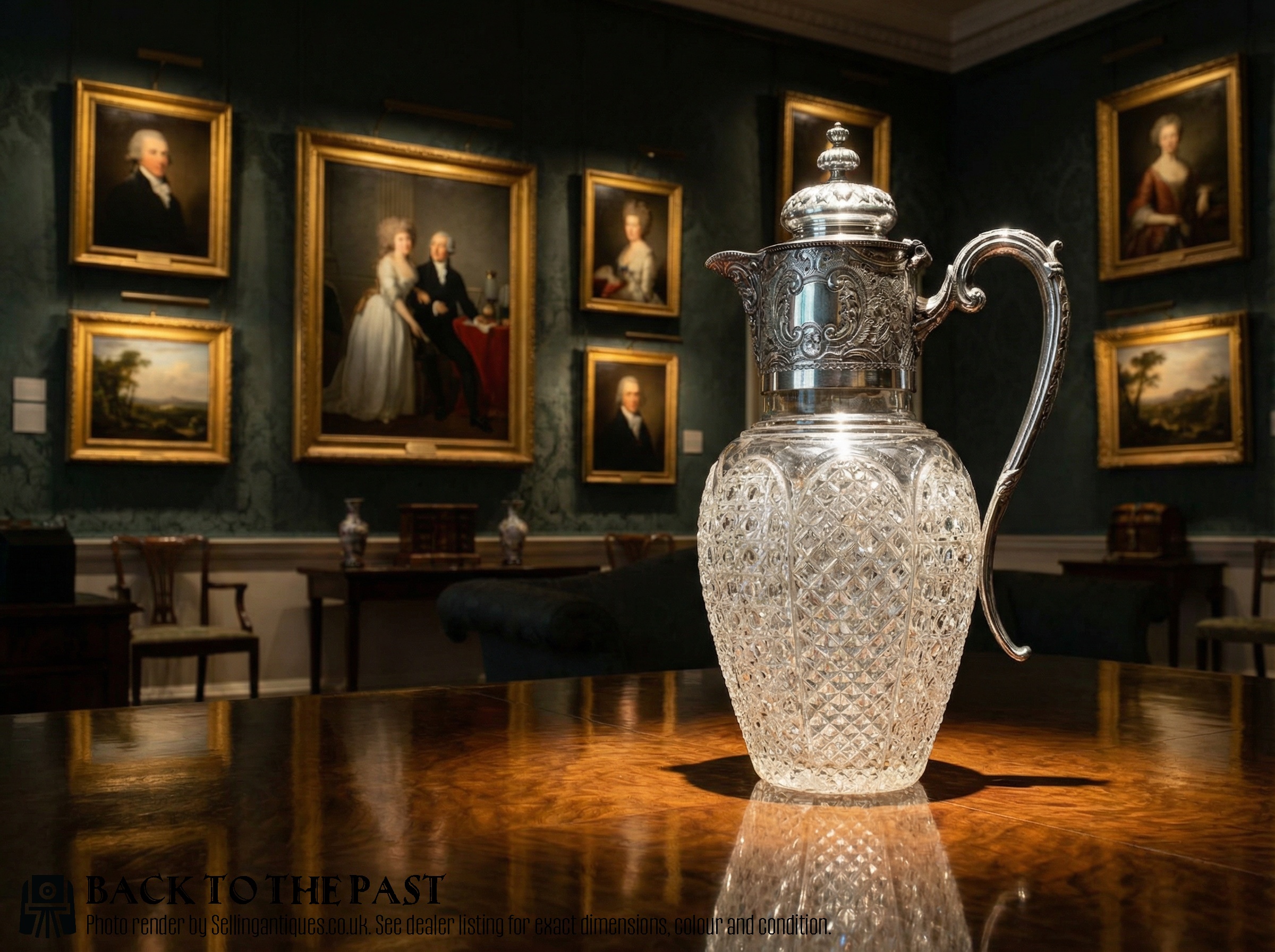
The most common versions on this marketplace feature heavily cut or etched glass bodies fitted with hinged silver-plated or sterling silver lids and handles. Many examples date from the core decades of the Victorian era, specifically the eighteen-eighties and eighteen-nineties.
How They Were Made
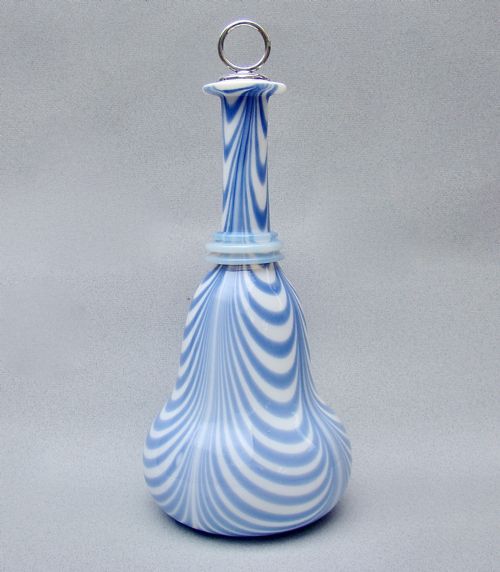
Craftsmen blew glass into moulds or worked it by hand, producing heavy crystal and coloured vessels ready for deep wheel-cutting or delicate floral etching. Coloured glass variants like cranberry and Bristol blue required specialised chemical additions during the melting process.
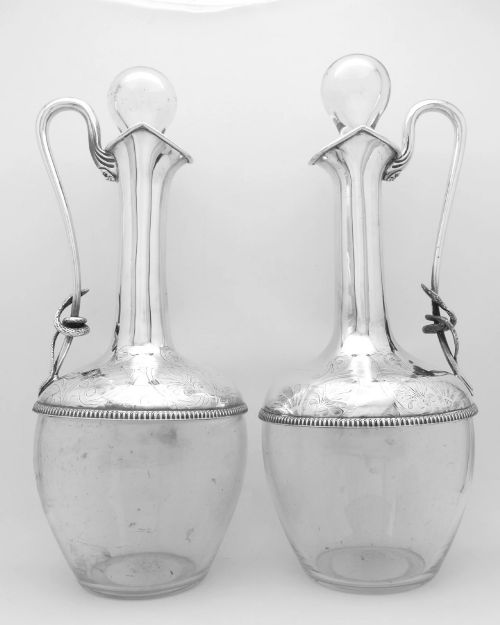
Silversmiths and electroplaters created mounts, handles, and hinged lids, frequently casting naturalistic motifs such as Bacchus masks, serpents, or floral sprays. They secured these metal collars around the glass necks using plaster or precise mechanical fitments.
Listings feature vessels spanning the Victorian and Edwardian eras, predominantly employing cut glass, etched glass, and silver plate.
What Varies in Quality
The crispness of the glass cutting and the weight of the crystal establish the baseline standard of a piece, with sharper facets reflecting light more brilliantly. Superior examples feature thick, resonant walls and flawless clarity without internal bubbles or cloudiness.
Metalwork quality shows in the detail of the casting and the thickness of the silver plating or sterling gauge. Finely chased mounts, secure hinge mechanisms, and pieces bearing marks from notable designers elevate the standing of a vessel.
Asprey and Co. Ltd·Henry Matthews·Mappin and Webb·Elkington and Co·Hukin and Heath·John Grinsell·Stevens and Williams
The Victorian Silver Glass Jug Glossary
- Claret jug
- A specialised vessel designed for serving red wine at the dining table. These pieces typically feature a pouring spout and a hinged lid.
- Silver plate
- A layer of silver fused or electroplated onto a base metal such as copper or Britannia metal. This technique allowed manufacturers to produce ornate domestic wares at a lower cost than solid silver.
- Cut glass
- Glass decorated by grinding facets and patterns into the surface using rotating wheels. This process created brilliant refractive effects popular throughout the Victorian period.
- Ewer
- A large jug with a wide spout and an ornate handle, historically used for water or wine. Victorian makers revived this classical form in glass and metal.
- Sterling silver
- An alloy consisting of ninety-two point five percent silver and seven point five percent other metals, usually copper. British pieces carry hallmark stamps verifying this standard.
Victorian Silver Glass Jug: Frequently Asked Questions
What is a claret jug used for?
These vessels served to decant and pour red wine at formal nineteenth-century dining tables. The inclusion of a hinged lid kept the contents free from dust and insects during long meals.
Hosts also utilised them for water, lemonade, or iced punches when entertaining guests in the drawing room.
How do I date a Victorian silver mount?
Examine the silver components for British hallmarks, which typically include a date letter, a assay office mark, and a lion passant for sterling standard. These tiny stamped symbols allow precise identification of the year and town of manufacture.
Pieces lacking silver hallmarks often rely on registration numbers, style characteristics, and maker marks stamped onto the silver plate.
What is the difference between crystal and glass?
Crystal contains lead oxide, which adds weight, increases brilliance, and makes the material softer for intricate cutting. Standard glass lacks lead content, resulting in a lighter weight and different light refraction.
Victorian makers utilised both materials extensively, often reserving heavy crystal for their finest decanters and jugs.