


Clear Glass Flagon
A clear glass flagon offers functional elegance for serving wine and spirits, combining practical capacity with crisp, light-catching transparency.
Clear Glass Flagon
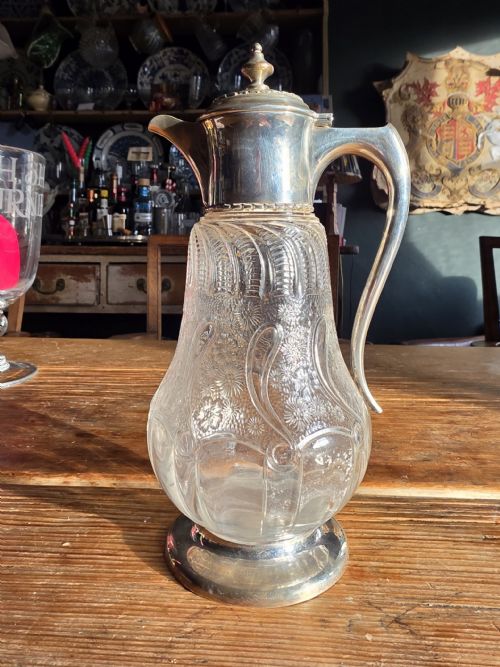
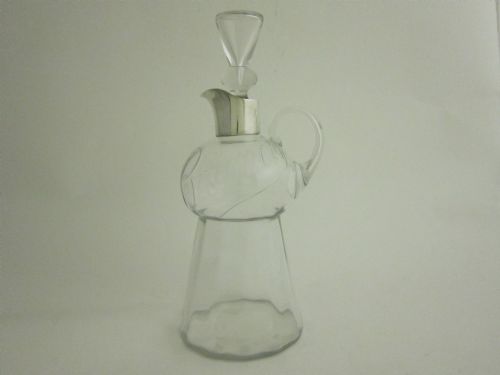
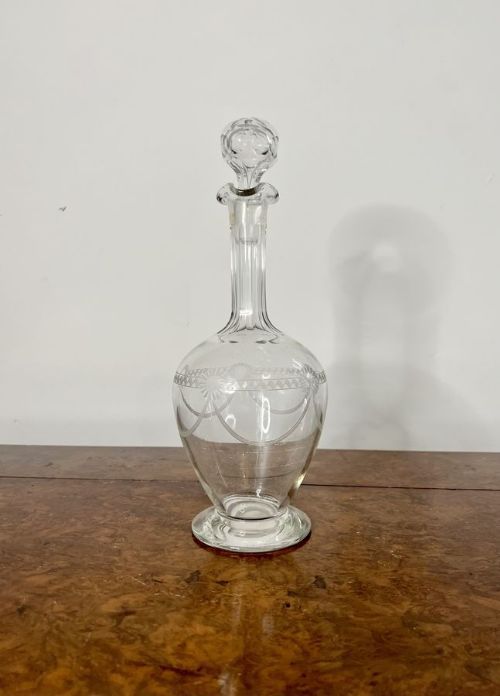
A clear glass flagon primarily appears in forms such as decanters, claret jugs, and ewers dating from the eighteenth century through the Edwardian period. Buyers searching this phrase encounter vessels designed for serving wine, brandy, whisky, and dessert beverages at the dining table.
Victorian and Edwardian examples dominate the current selection, often featuring polished cut crystal or smooth glass paired with mounts of sterling silver or silver plate. Earlier Georgian pieces present simpler, robust silhouettes like the shaft and globe form, while novelty designs include animal shapes and champagne bottles.
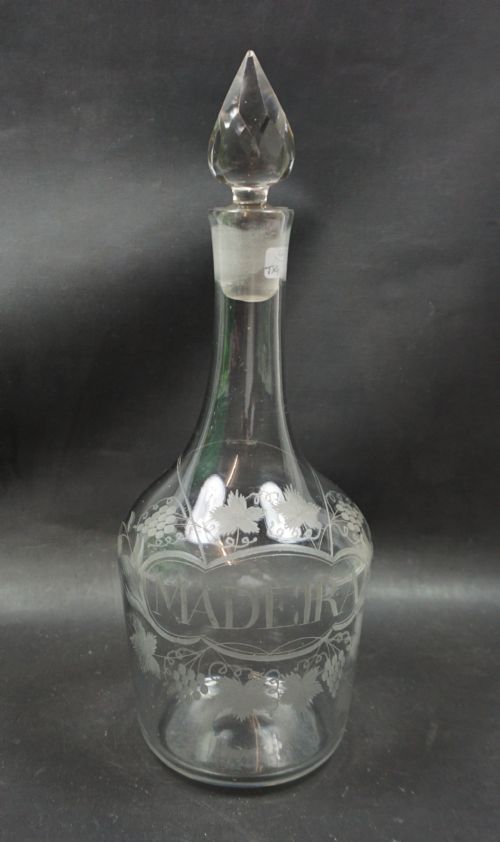
Functional pieces range from tall serving ewers with hinged lids to handled flagons and tankards. Many incorporate engraved labels, floral etchings, or specialised spouts that distinguish them from standard storage bottles.
Materials and Craftsmanship
The primary material combination unites clear glass, lead crystal, or cut glass with metallic mounts in sterling silver or silver plate. Makers shaped the glass through blowing and intensive wheel-cutting to create geometric or floral facets that catch the light.
Metalworkers added structural collars, hinged lids, and handles secured firmly to the glass necks. Engraving and wheel-carving decorated the glass surfaces with specific beverage labels, coats of arms, or botanical motifs.
Among the drinking vessels, one whimsical glass hound peers out with alert eyes to serve as a handle.
Assessing Quality and Execution
Superior examples separate themselves through the crispness of the glass cutting and the weight of the lead crystal. Heavy, clear metal with deep, sharp facets indicates a higher grade of manufacture than thin, pressed glass.
The integration and hallmarking of the silver mounts also define the hierarchy of pieces. Substantial sterling silver collars bearing clear maker marks and intact hinges elevate a vessel above standard silver-plated equivalents.
William Comyns·William Davenport
The Clear Glass Flagon Glossary
- Claret jug
- A specialised pouring vessel designed specifically for serving red wine, typically fitted with a handle, hinged metal lid, and a pouring spout.
- Ewer
- A large jug with a wide-spouted mouth and a curved handle, used historically for serving water, wine, or dessert beverages.
- Cut glass
- Glass decorated by grinding facets and patterns into the surface using rotating wheels, producing sharp edges and high optical brilliance.
- Silver plate
- A base metal, such as copper or Britannia metal, coated with a thin layer of silver to provide the appearance and lustre of solid silver.
- Lead crystal
- A high-clarity glass containing metal oxide that increases weight, refractive index, and resonance compared to standard soda-lime glass.
Clear Glass Flagon: Frequently Asked Questions
What is the difference between a decanter and a flagon?
A decanter generally refers to a stoppered glass vessel used for holding and serving wine or spirits. A flagon typically incorporates a handle and a pouring spout or hinged lid.
Both terms often overlap in antique categories when describing serving vessels fitted with metal hardware.
How do I date a glass flagon?
Dating relies on examining the manufacturing technique of the glass, the style of any cut patterns, and the hallmarks on attached metal mounts. Georgian pieces often show pontil marks and simpler, heavier proportions.
Victorian and Edwardian examples frequently feature intricate machine-cut facets and formal silver collars with assay office stamps.
Can these antique flagons still be used for serving?
Most antique glass flagons remain fully functional for holding and serving beverages at the table. Regular inspection of silver collars and handles ensures the structural security of the vessel during pouring.
Gentle hand washing preserves the clarity of the antique glass and protects delicate metal mounts.
What do silver mounts indicate on a glass vessel?
Silver mounts provide functional reinforcement to the neck and rim while adding decorative distinction to the piece. Hallmarks on sterling silver components help establish the exact year and location of manufacture.
Silver-plated mounts offer a similar aesthetic and were widely utilised by makers throughout the Victorian and Edwardian eras.