
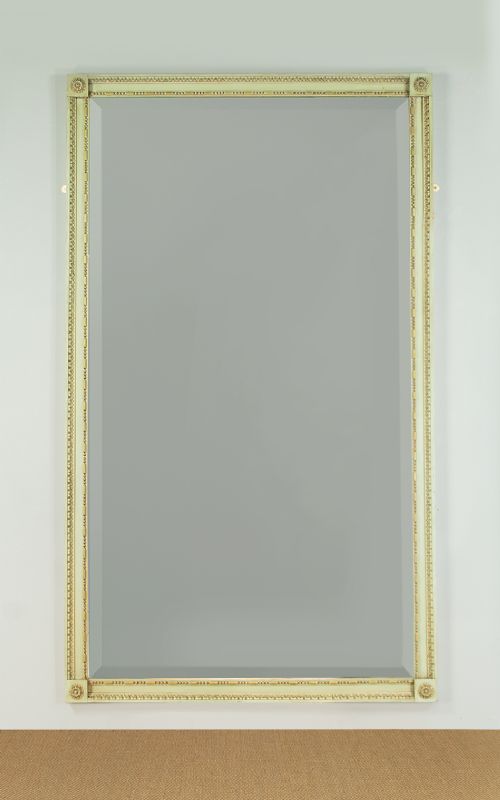
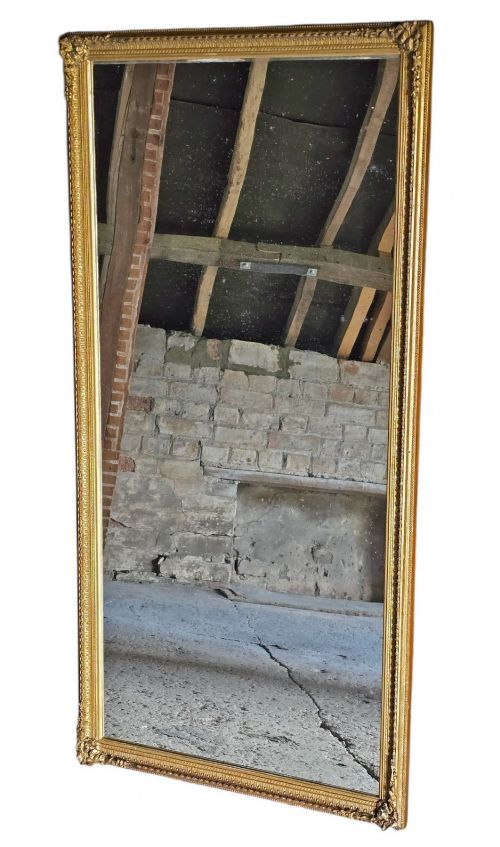
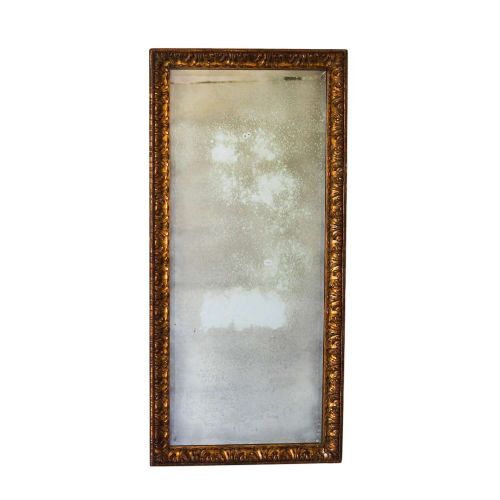
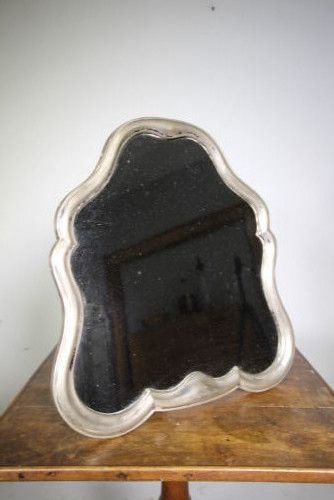
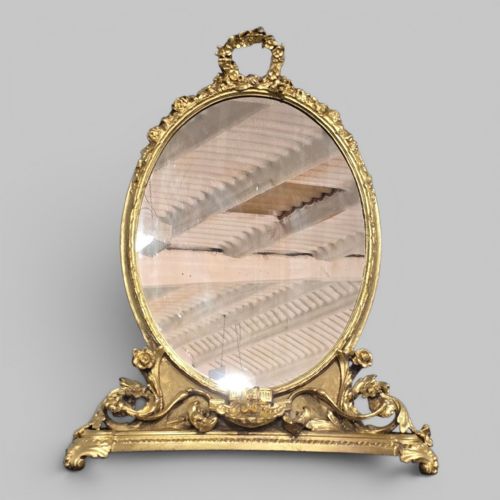
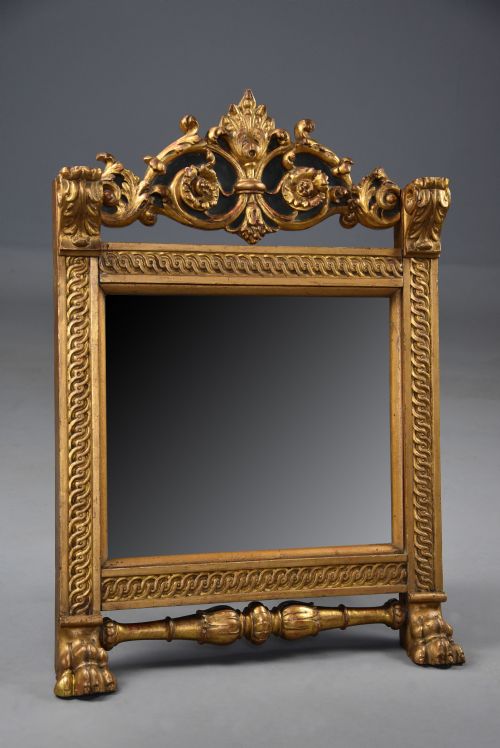
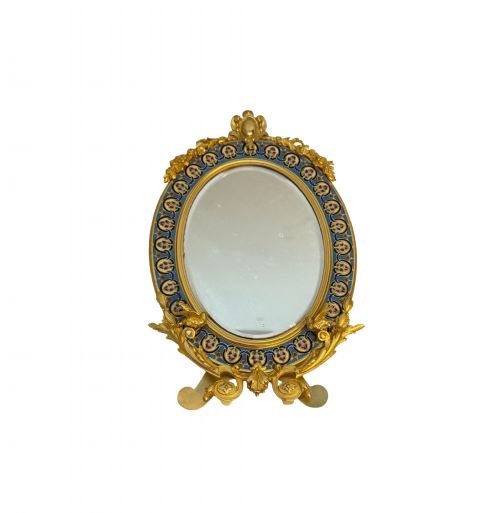


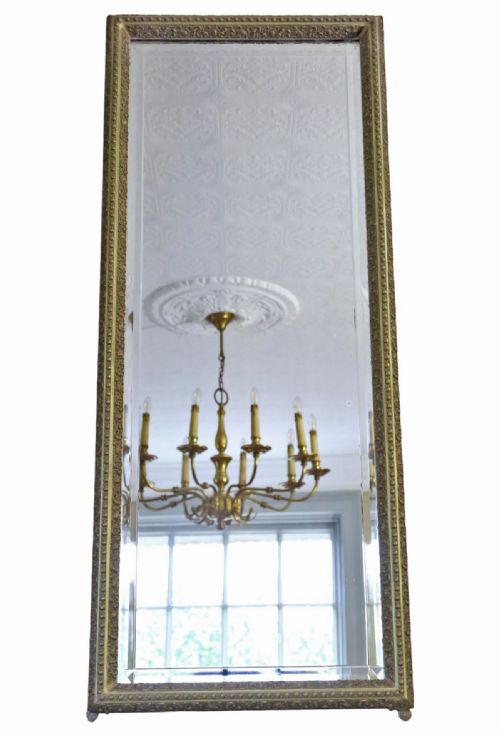


Vintage Gilt Dressing Mirror
These vintage gilt dressing mirror pieces bring gilded warmth and functional reflection to a room, spanning 18th-century mahogany to 20th-century French styles.
Vintage Gilt Dressing Mirror
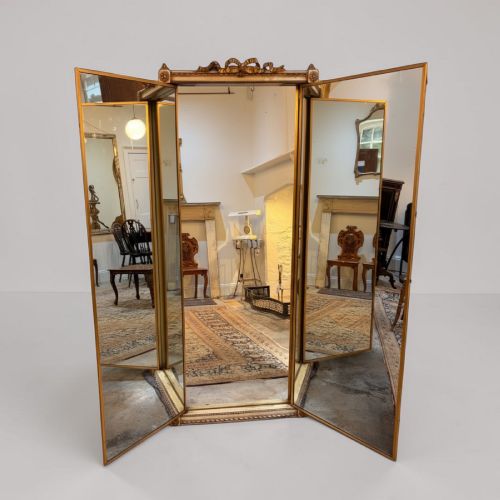
When you search for a vintage gilt dressing mirror, you encounter a varied group of furnishings designed for personal grooming and interior decoration. The selection ranges from compact table models to large cheval and full-length floor mirrors.
The pieces appearing most frequently originate from the 19th century and the early 20th century, drawing heavily on French styles and Georgian forms. They serve both practical functions in bedrooms and decorative purposes in reception rooms.
How They Were Made
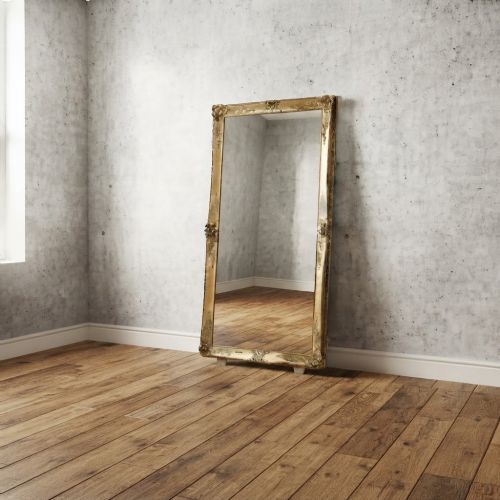
Craftsmen built these frames using woods such as mahogany and pine, often applying layers of gesso to create intricate moulded ornament before gilding. Giltwood, gilt bronze, and silver gilt finishes give the surfaces their characteristic metallic lustre.
Mirrors utilise clear glass plates set into carved or lacquered structures, sometimes supplemented by easel supports, brass fittings, or champleve enamel details.
Some dressing mirrors arrived with hidden compartments in their miniature drawers for storing past powder and rouge.
What Varies in Quality
Depth of hand-carving in the wood and gesso separates standard frames from superior examples. Crisp relief work in the ornamentation indicates greater artisanal skill during production.
The integrity of the original gilding and the preservation of the mirror glass dictate the overall standard. Pieces retaining their original silvering and unblemished gilt surfaces command higher regard among collectors.
JOHN FRANKLIN LONDON
The Vintage Gilt Dressing Mirror Glossary
- Giltwood
- Wood that has been coated with gold leaf or powder. This finish is typical of ornate 19th-century frames.
- Gesso
- A plaster mixture applied to wood frames to create a smooth surface for carving and gilding. It allows for crisp decorative mouldings.
- Cheval mirror
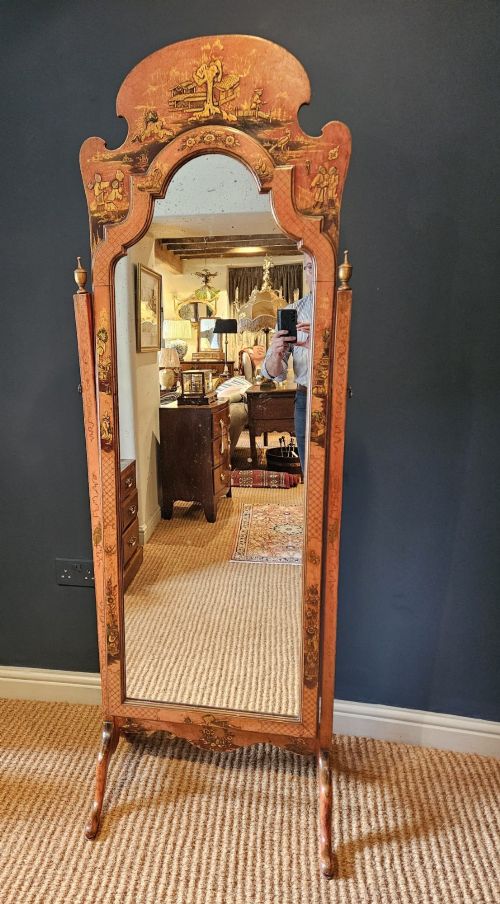
- A freestanding mirror suspended on a frame that permits it to tilt. These tall pieces are designed for full-length viewing.
- Toilet mirror
- A small mirror mounted on a miniature dressing table or small base with drawers. They sat atop larger furniture in Georgian bedrooms.
Vintage Gilt Dressing Mirror: Frequently Asked Questions
Where should I place a dressing mirror?
These mirrors suit bedrooms, dressing rooms, and reception halls where they bounce light around the space. Full-length cheval versions work well standing on the floor, while smaller table models sit comfortably on chests of drawers.
Ensure the hanging wall mirrors are secured to studs if you choose to mount them, particularly the heavier carved giltwood pieces from the nineteenth century.
How do I identify a Georgian toilet mirror?
Georgian toilet mirrors typically feature mahogany frames with small box bases containing miniature drawers. The glass plate often pivots between two upright arms attached to the base.
Examine the construction of the small drawers for period dovetail joints to confirm the age of the woodwork.
What is a French chateau style mirror?
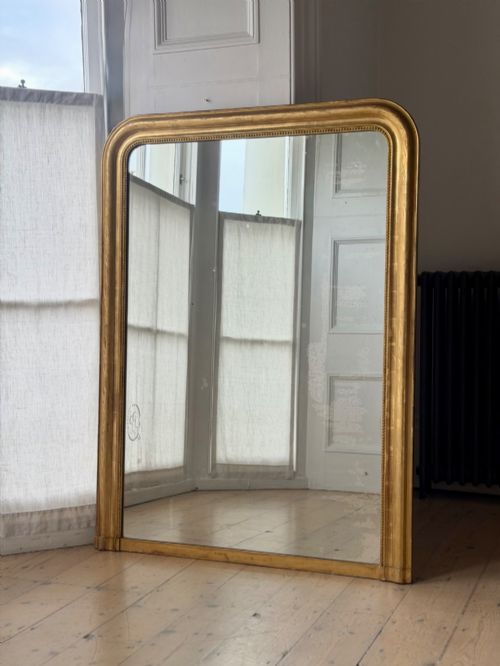
This style encompasses ornate carved wood and gesso frames with arched or shaped tops, often finished in gold or silver gilt. They reflect mid-to-late 19th-century French interior design preferences.
These pieces frequently appear in large proportions suitable for leaner placement against a bedroom or living room wall.
How do I care for antique gilt surfaces?
Dust the giltwood and gesso frames gently with a dry, soft brush to remove particles without disturbing the delicate metallic leaf. Avoid liquid cleaners and chemical sprays entirely, as moisture strips historic gilding.
Keep the mirrors away from direct sunlight and damp environments to protect both the wooden structure and the silvered glass behind it.