


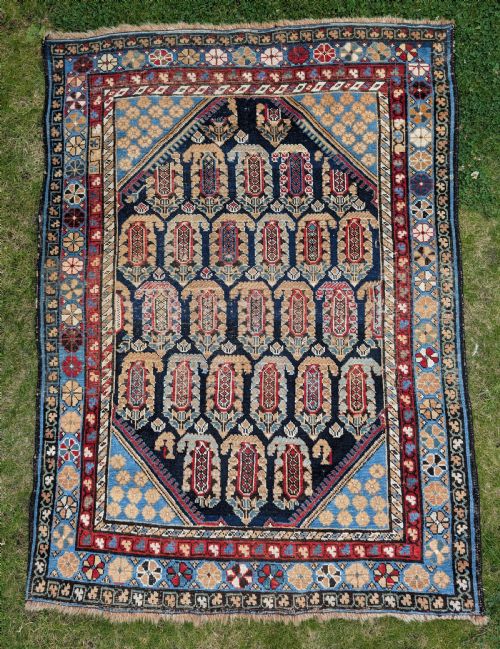
Vintage Geometric Area Rug
A vintage geometric area rug brings disciplined tribal patterns and rich wool texture into a modern interior.
Vintage Geometric Area Rug
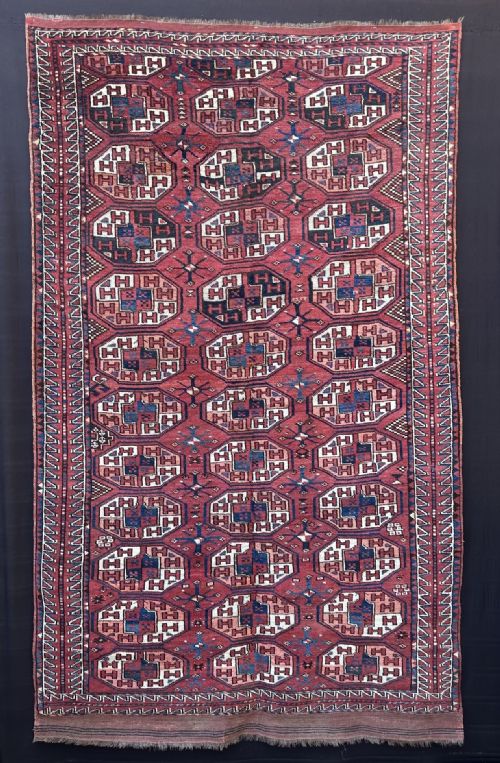
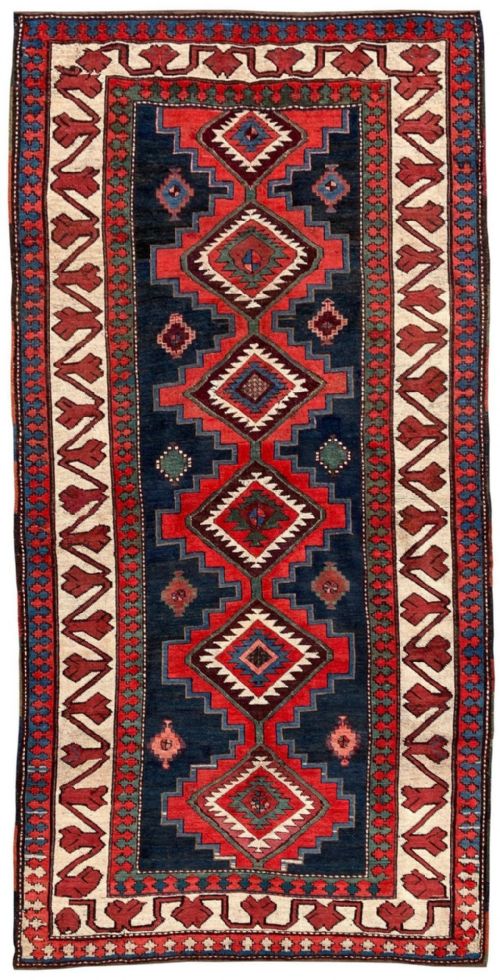
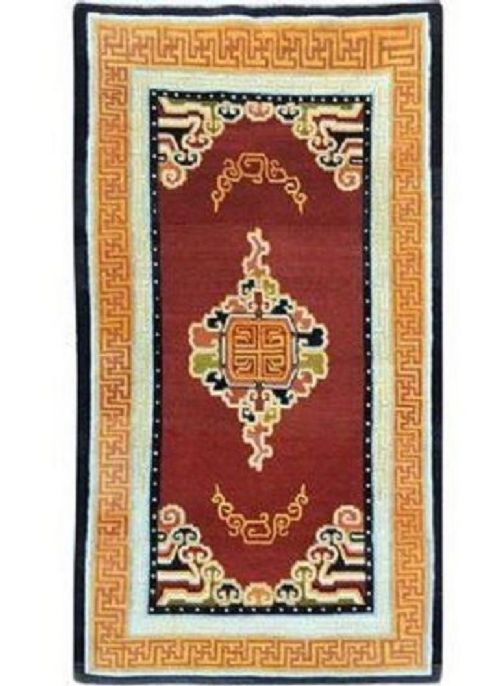
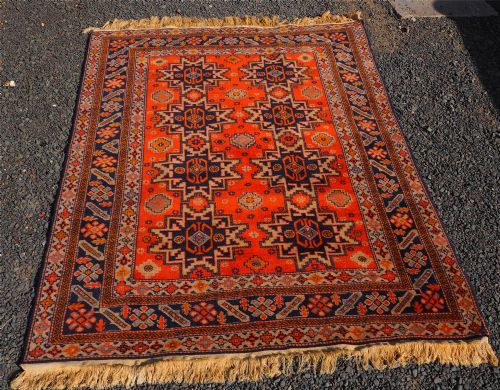
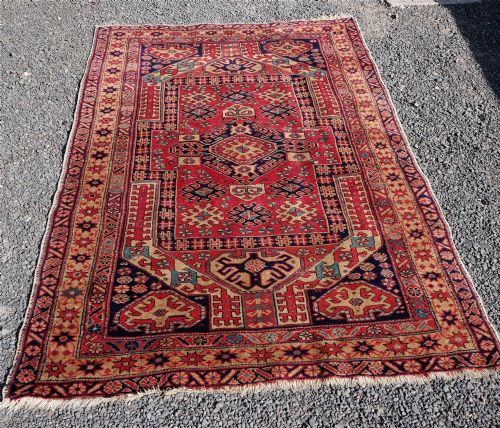
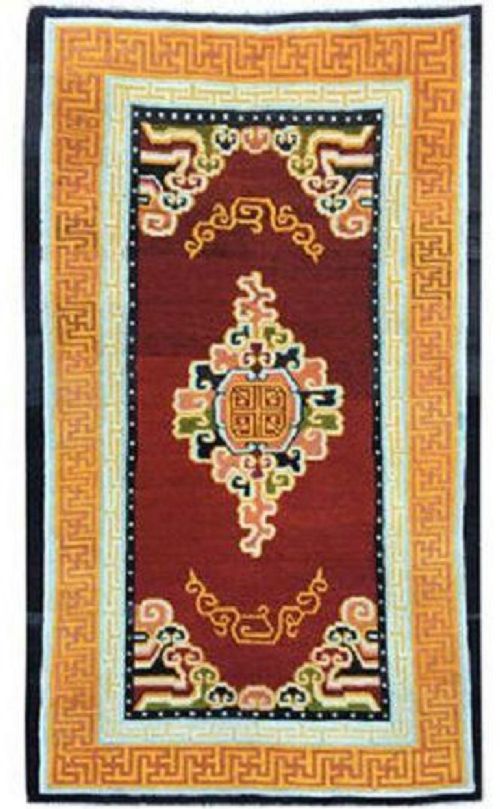
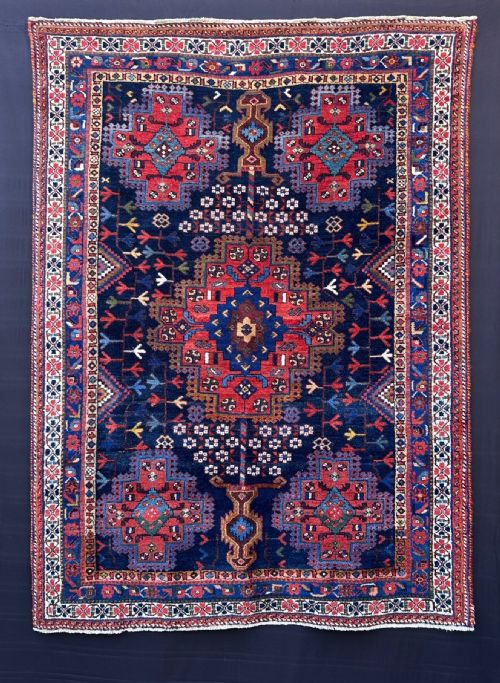
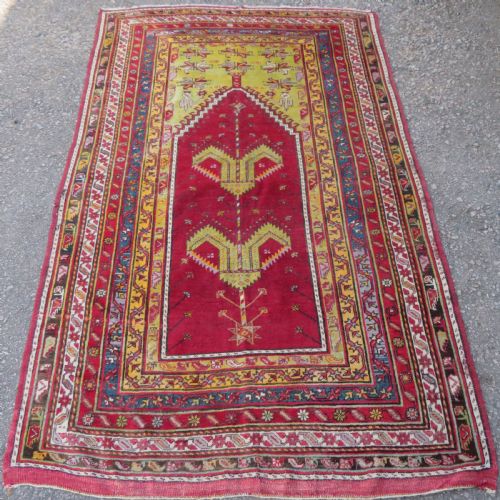
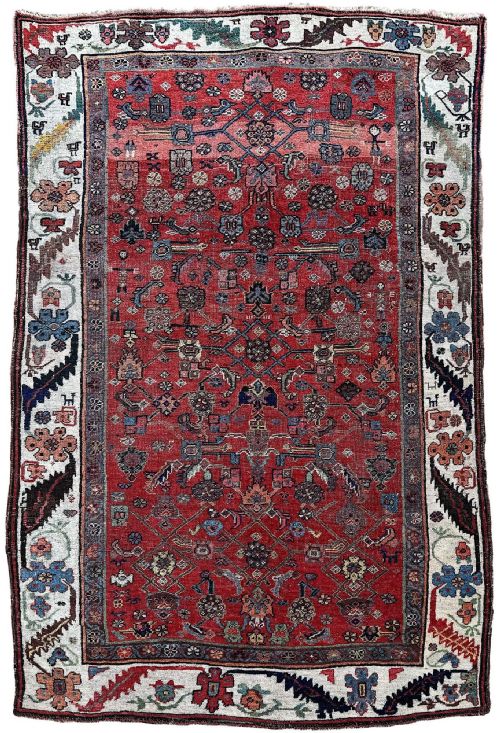
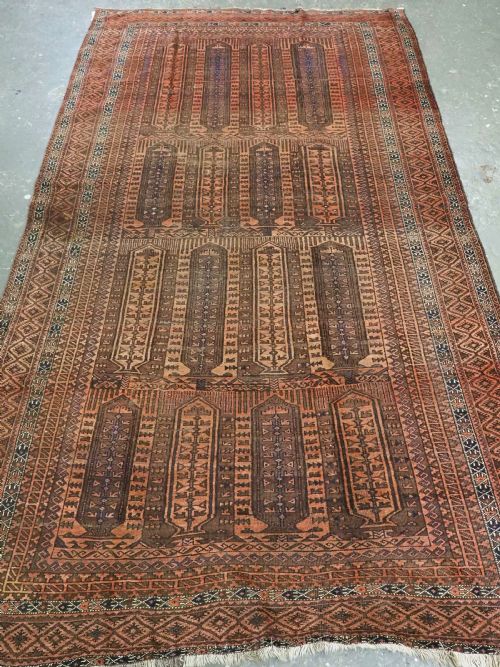
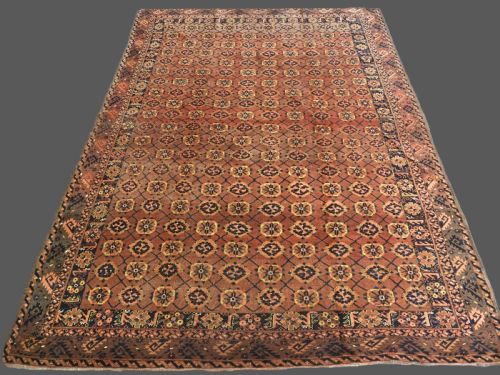
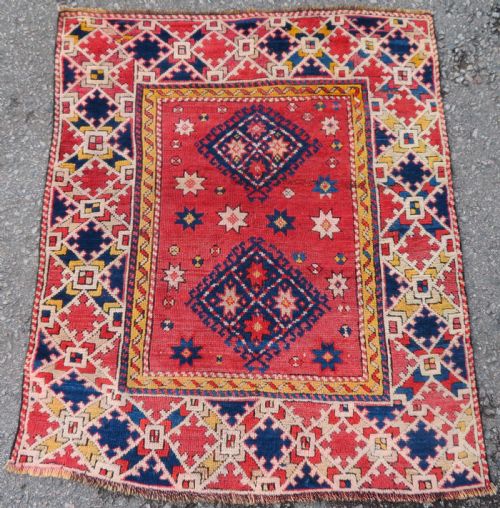
A vintage geometric area rug encompasses hand-knotted and flatwoven floor coverings originating from tribal and village traditions across Persia, the Caucasus, Anatolia, and Central Asia. Buyers searching for a vintage geometric area rug typically encounter pieces featuring medallions, lattices, and repeating motifs produced from the late nineteenth century through the early decades of the twentieth century. These textiles bridge utilitarian floor protection and intricate folk art, utilising formats ranging from small accent pieces to room-sized carpets.
The selections on this page span diverse regional traditions, including Heriz, Kazak, Afshar, and Turkmen workshops and nomadic groups. Such pieces rely on angular lines, repeated polygons, and cruciform shapes rather than the curved floral sweeps seen in urban workshop carpets. Domestic spaces benefit from these layouts because structured patterns anchor furniture groupings while adding visual warmth to timber or stone flooring.
Materials and Construction
Weavers constructed these carpets predominantly from sheep wool, hand-spun wool, and occasionally camel hair or cotton foundations. Hand-spinning creates irregular yarn thicknesses that absorb dye unevenly, resulting in the subtle tonal variations characteristic of older textiles. Natural dyes derived from local plants and minerals provide the palette, yielding colours that mellow gracefully over decades.
Nomadic and village weavers tied dense wool piles onto sturdy cotton or wool warps using symmetric or asymmetric knots. Flatwoven kilim structures appear alongside thick-piled carpets, offering durable surfaces designed for heavy daily use in hearth rooms and hallways.
Some resilient tribal weavers deliberately introduced minor asymmetrical flaws into strict geometric grids to ward off evil spirits.
Distinguishing Quality and Execution
Knot density and structural integrity dictate the baseline execution of these rugs, influencing how crisply the geometric motifs render against the field. Tighter knotting allows sharper angles in medallions and lattices, whereas looser village weaving yields a softer, more rustic interpretation of traditional patterns.
The choice of dyestuffs significantly alters the visual depth of the wool over time. Textiles dyed with stable natural materials retain complex secondary hues as they age, distinguishing superior regional examples from more utilitarian commercial outputs.
The Vintage Geometric Area Rug Glossary
- Medallion
- A central ornamental motif dominating the field of the rug. This prominent shape often dictates the geometric rhythm of the surrounding borders.
- Warp
- The vertical foundation threads stretched tightly on the loom before weaving begins. Fringe ends typically consist of these exposed parallel cords.
- Weft
- The horizontal threads passed alternately over and under the warp strands to lock the knots in place. Proper tension here ensures a stable, flat textile.
- Kilim
- A flatwoven carpet produced without a raised pile. These lightweight textiles rely entirely on tightly packed horizontal weft threads covering the vertical warps.
- Pile
- The upright cut ends of yarn that form the soft surface of the rug. Dense pile provides comfort underfoot and protects the structural foundation beneath.
Vintage Geometric Area Rug: Frequently Asked Questions
How do I clean an old wool rug?
Professional dusting and gentle surface washing by specialists in antique textiles maintain the integrity of natural wool fibres. Harsh chemical detergents and modern steam cleaning methods strip natural lanolin from the yarn.
Regular low-suction vacuuming without a rotating beater bar prevents dust accumulation between the knots. Rotating the rug every six months ensures even wear patterns from foot traffic and sunlight.
Where were these tribal rugs made?
Nomadic tribes and settled village communities across the Caucasus, Persia, Anatolia, and Turkmenistan produced these textiles. Weavers worked on portable horizontal looms or stationary vertical frames set up in domestic quarters.
Specific design vocabulary, colour palettes, and knotting techniques tie individual pieces to regions such as Heriz, Kazak, or Shirvan. These localized methods allow researchers to trace geographic origins accurately.
Are these rugs suitable for high traffic?
Sturdy wool construction and tight foundation weaving make these floor coverings exceptionally durable for daily household use. Natural lanolin present in hand-spun wool resists staining and repels basic dirt particles.
Placing a breathable non-slip underlay beneath the textile prevents friction against hard floors and cushions the foundation structure. Hallways and living rooms accommodate these sturdy carpets well.
What causes colour variations in wool?
Hand-spun wool absorbs natural plant and mineral dyes unevenly due to variations in fibre thickness and grease content. This phenomenon, known as abrash, creates subtle horizontal bands of shifting tone across the field.
Exposure to natural light over generations also softens primary tones into muted secondary pastels. These gradual shifts confirm the use of traditional dyeing methods.