
Vintage Gentlemen Cane
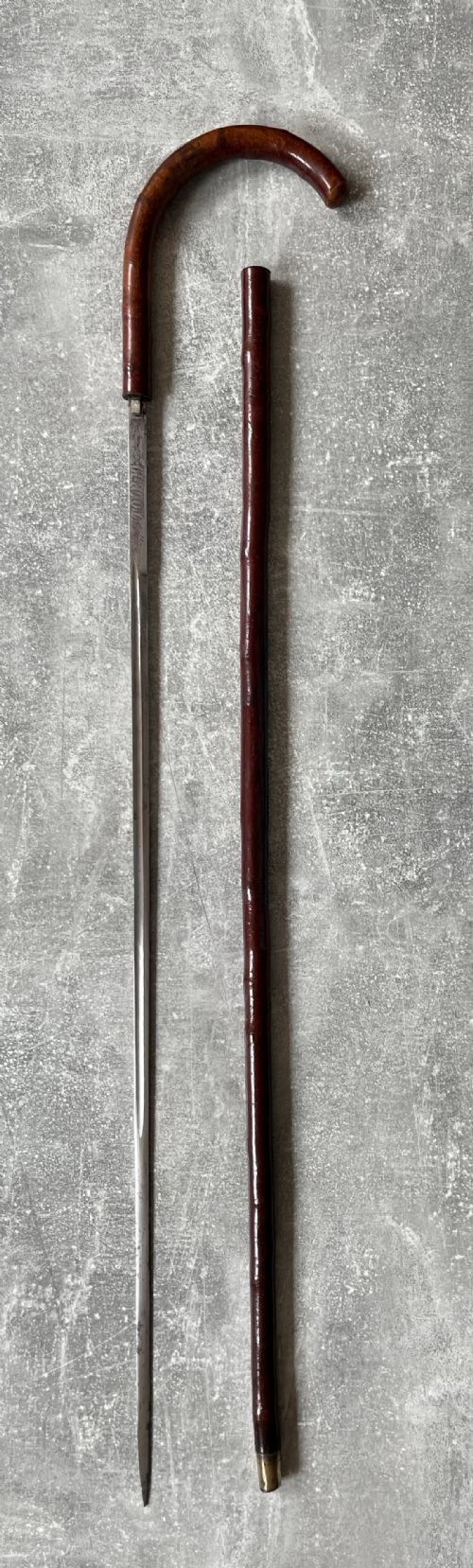
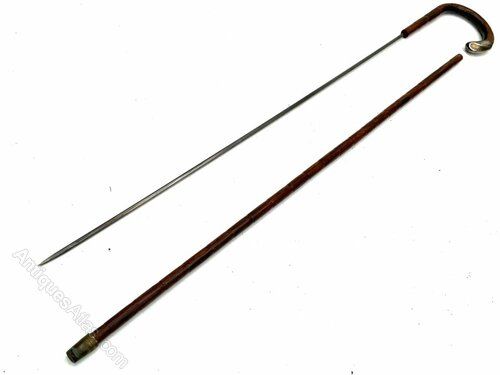
A vintage gentlemen cane offers a functional support and a concealed blade or carved handle, combining utility with distinct period craftsmanship.
Vintage Gentlemen Cane
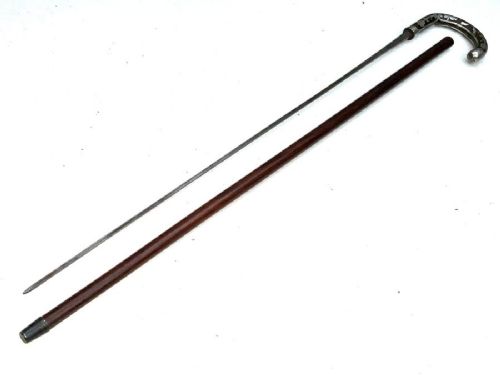
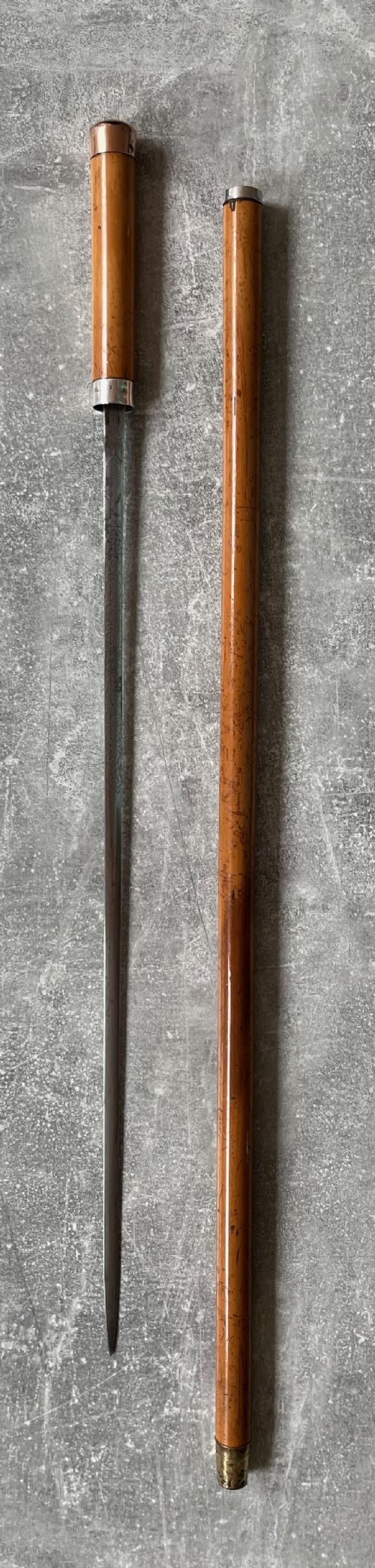
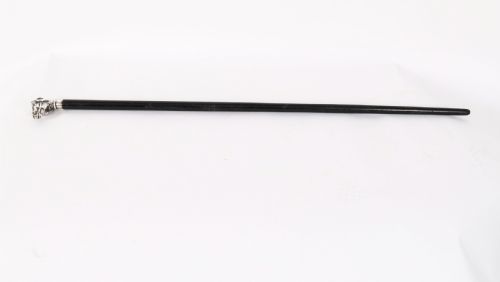
A vintage gentlemen cane encompasses walking sticks, sword sticks, and hallway stands originating primarily from the Victorian, Edwardian, and Art Deco periods, extending from the nineteenth century into the nineteen thirties. These items range from standard wooden supports to sophisticated concealments incorporating blades, mounted handles, and novelty carvings.
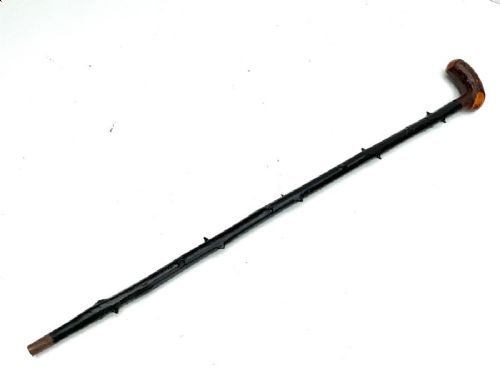
Originating across Britain, Ireland, and France, these items reflect diverse regional styles including traditional Irish blackthorn and French Belle Epoque designs. Buyers encounter both utilitarian walking supports and elaborate novelty items shaped like animal heads or golf clubs.
Materials and construction
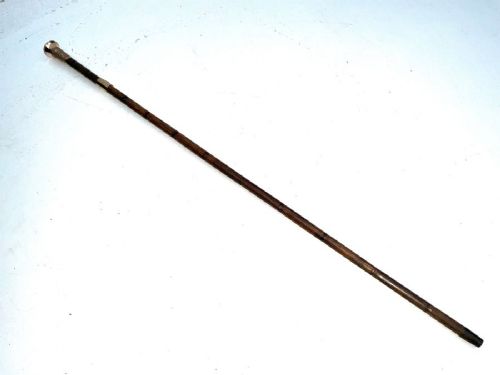
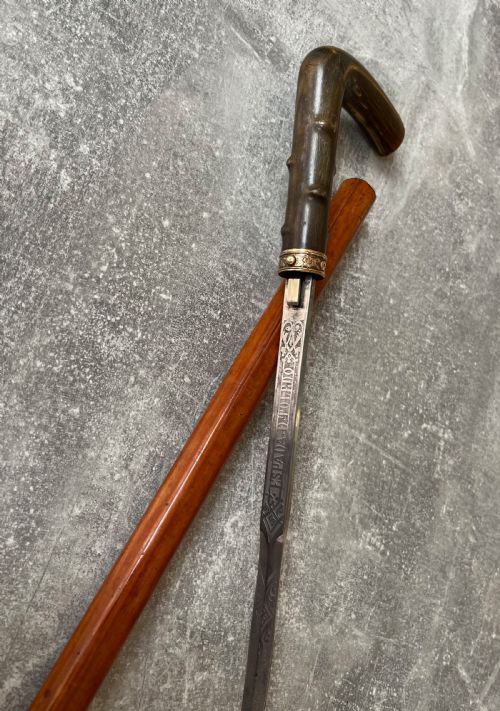
Makers utilised a combination of hardwoods, horn, bamboo, and metals, shaping shafts from materials such as malacca, partridge wood, and rosewood. Steel and Toledo blades provide the internal structure for sword sticks, fitted securely within the wooden housings.
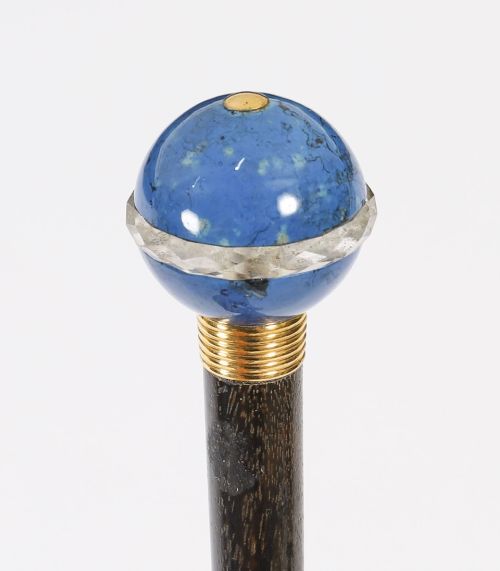
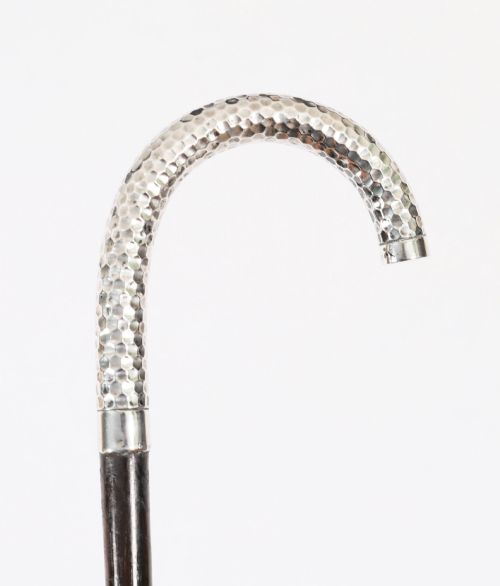
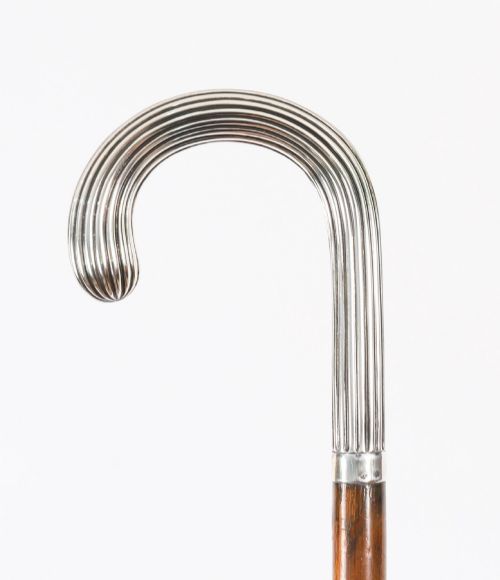
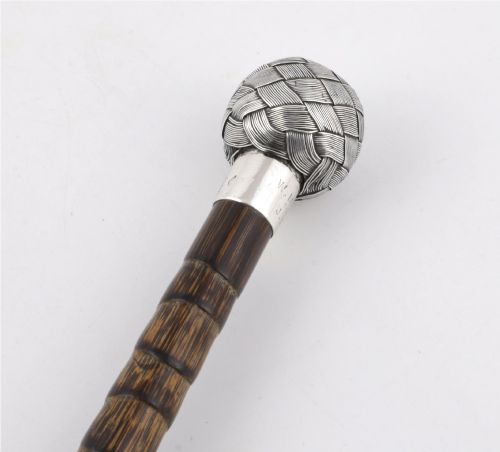
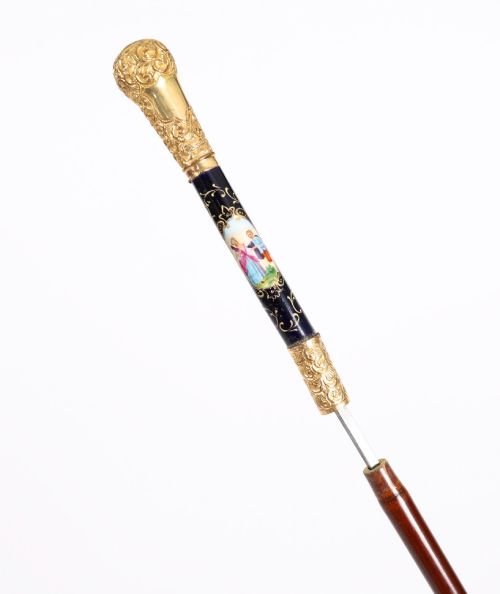
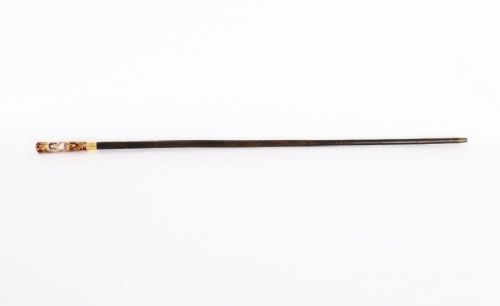
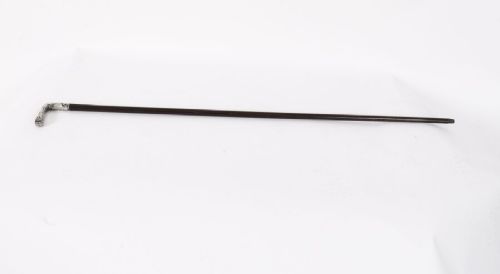
Handles and collars incorporate cast silver, brass, gold plate, lapis lazuli, Sevres porcelain, and carved animal forms such as horses, boars, and parrots. Horn and antler appear frequently as handle materials, attached with metal collars or wire work.
One exceptional nineteenth-century walking stick takes the literal form of a golf club for the sporty pedestrian.
Quality variations
Quality rests upon the execution of the handle carving, the refinement of metal mounts, and the integrity of the concealed mechanism where applicable. Superior examples display detailed silver or porcelain work and precise blade engineering.
Material selection dictates the grade of the piece, with dense hardwoods, precious metal collars, and signed blades representing higher standards of period manufacture compared to plain utility versions.
Briggs·Wilkinson
The Vintage Gentlemen Cane Glossary
- Sword stick
- A walking stick with a concealed blade housed inside the shaft. These require a button release or screw mechanism to secure the blade.
- Malacca
- A type of mottled rattan cane imported from Southeast Asia and prized for strength. It forms the smooth, jointed shafts found on many nineteenth-century sticks.
- Silver collar
- A metal band encircling the top of the wooden shaft just below the handle. These often bear hallmarks or maker marks.
- Toledo blade
- A steel blade produced in Toledo, Spain, known for flexibility and durability. These blades appear in European sword sticks.
- Blackthorn
- A dense Irish hardwood traditionally used for walking sticks, retaining natural thorn knots along the shaft.
Vintage Gentlemen Cane: Frequently Asked Questions
What is a vintage gentlemen cane?
A vintage gentlemen cane is a walking support or concealed sword stick produced during the nineteenth and early twentieth centuries. These accessories served as daily accompaniments for men, combining personal support with distinctive decorative handles.
They incorporate materials such as hardwood, silver mounts, porcelain, and steel blades, reflecting the fashion and utility standards of Victorian and Edwardian society.
What woods were used for shafts?
Makers selected timbers known for straight grain and resilience, including malacca, rosewood, partridge wood, cherrywood, and holly wood. Bamboo and natural blackthorn also appear frequently across the period listings.
Choice of wood typically dictated the finish and intended use, ranging from plain everyday supports to formal dress accessories.
How were novelty handles styled?
Novelty handles depict carved animal heads such as horses, boars, parrots, and dogs, utilising materials like horn, silver, and porcelain. Some handles take unexpected shapes, including golf clubs or root ends.
These decorative elements allowed owners to express personal taste or affiliation through their daily walking accessories.