



Silver Crook Handle Cane
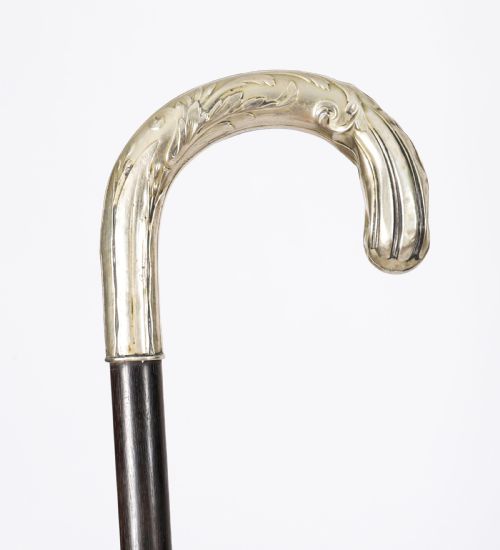
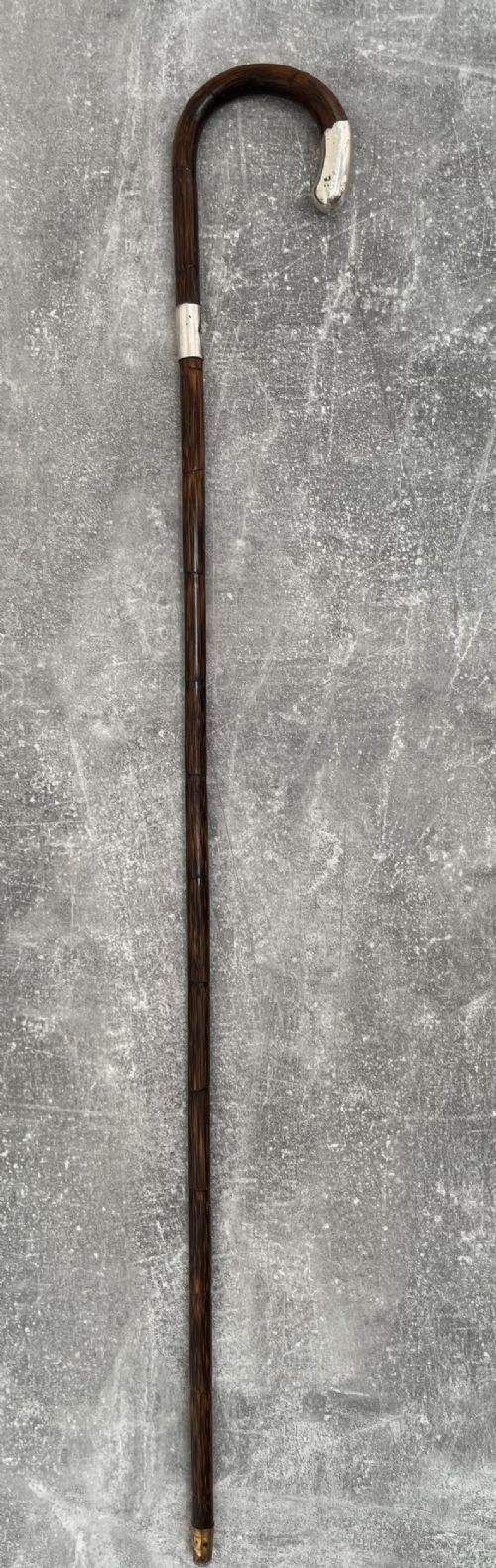
A silver crook handle cane is a sophisticated accessory combining practical support with decorative metalwork, ideal for collectors and traditional dress.
Silver Crook Handle Cane
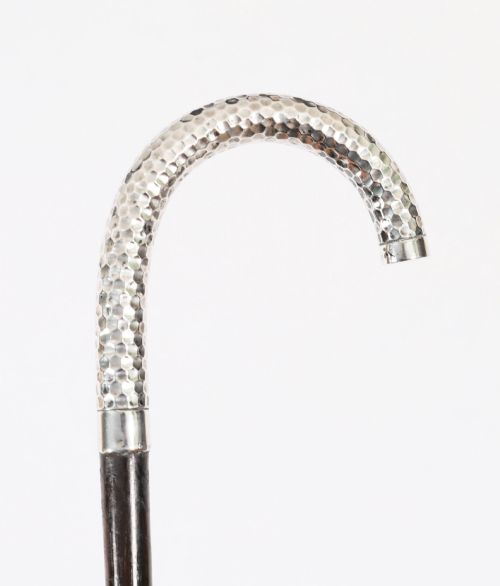
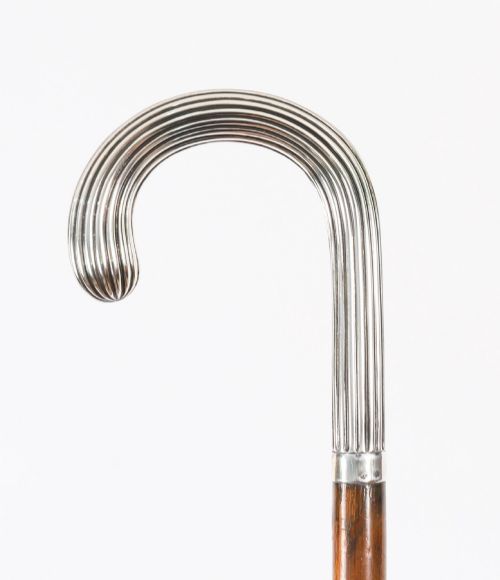
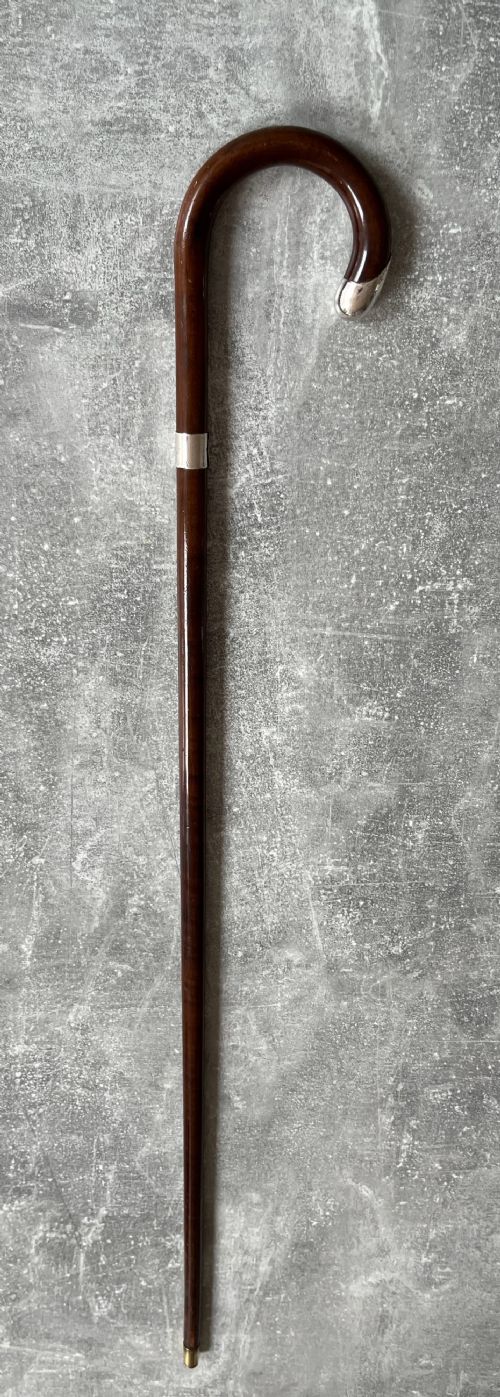
When you search for a silver crook handle cane, you are looking at sophisticated walking aids and gentleman's accessories finished with curved metal handles. The pieces appearing here span the nineteenth century, the Edwardian era, and the early twentieth century.
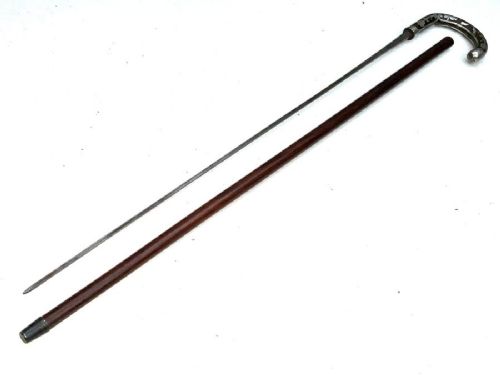
Originating from French, continental, and British workshops, these examples include standard walking sticks as well as specialised pieces with concealed blades. Each item reflects the formal dress codes and functional requirements of its period.
How they were made
Makers shaped shafts from durable timbers such as hardwood, ebony, malacca, and ebonized oak to ensure the walking sticks remained sturdy during daily use. Some specialised examples also incorporated steel for internal blades or structural reinforcement.
Handles and collars utilised solid silver, silver plate, brass, and occasionally horn, shaped through embossing, casting, and mounting techniques. These metal elements were then securely fitted to the wooden or horn shafts using pins or collars.
Materials recorded across these listings include solid silver, silver plate, brass, steel, horn, ebony, malacca, and ebonized oak.
What varies in quality
The distinction between standard examples and the finest pieces lies in the crispness of the metal embossing and the selection of materials. Heavy gauge silver and richly figured tropical hardwoods denote superior workshops.
Proportion and balance also define the grade of a walking stick, where the curve of the handle meets the shaft with seamless integration. Finer pieces demonstrate careful attention to the joinery between the metal mount and the timber body.
BRIGG
The Silver Crook Handle Cane Glossary
- Crook handle
- A curved top shaped like a shepherd's crook that allows the stick to hang over a wrist or arm. This design provides both a secure grip and a convenient way to carry the cane when not in use.
- Collar
- A metal band fitted around the shaft just below the handle, often used to strengthen the joint. On many pieces, this collar bears hallmarks or decorative engraving.
- Malacca
- A type of rattan cane imported from Southeast Asia, prized for its mottled brown finish and natural resilience. It forms the flexible yet strong shaft of many traditional walking sticks.
- Ebonized
- Wood that has been chemically or physically treated to resemble expensive ebony. This dark finish provides a formal, uniform appearance to domestic hardwoods.
- Sword stick
- A walking cane containing a concealed blade within the wooden shaft. These dual-purpose items served as both walking aids and personal defence tools.
Silver Crook Handle Cane: Frequently Asked Questions
What is a silver crook handle cane?
A silver crook handle cane is a walking stick featuring a curved metal handle made of silver or silver plate. These items served as functional mobility aids and prominent fashion accessories for ladies and gentlemen.
Peculiar to the nineteenth and early twentieth centuries, they reflect the craftsmanship and social habits of periods ranging from the Victorian era to the 1930s.
How do I date a walking stick?
Dating a cane relies on examining the style of the metalwork, the materials used, and any legible hallmarks on the silver mounts. Victorian, Edwardian, and Art Nouveau design motifs offer strong chronological clues.
Changes in fashion and manufacturing techniques across the decades also help narrow down the period of origin for unmarked pieces.
Were all these canes used for walking?
While most functioned as traditional walking aids, some variations served entirely different purposes. Specialised examples include sword sticks containing hidden blades and child-sized pieces intended for juvenile fashion.
Their construction generally maintained structural integrity, though the primary intent shifted depending on whether the piece was meant for daily support or formal display.
How do I care for wooden shafts?
Maintaining the timber shaft involves keeping the wood away from extreme humidity and direct heat sources. Periodic light dusting preserves the polished finish of hardwoods like ebony and malacca.
Silver handles benefit from gentle cleaning with a soft cloth to manage natural tarnishing without wearing down embossed details.