


Vintage French Style Canape
These vintage french style canape selections offer classic seating elegance, bringing period charm and comfortable seating to traditional rooms.
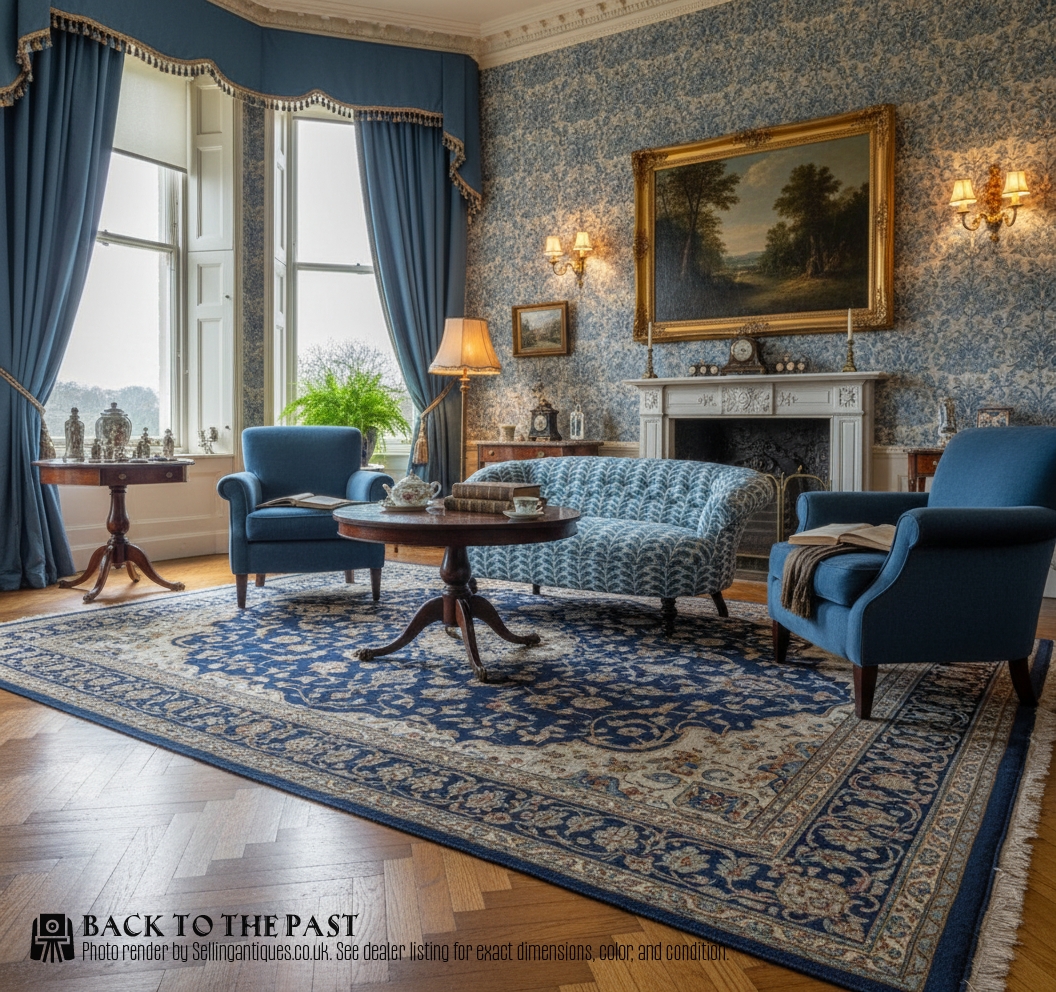
Vintage French Style Canape
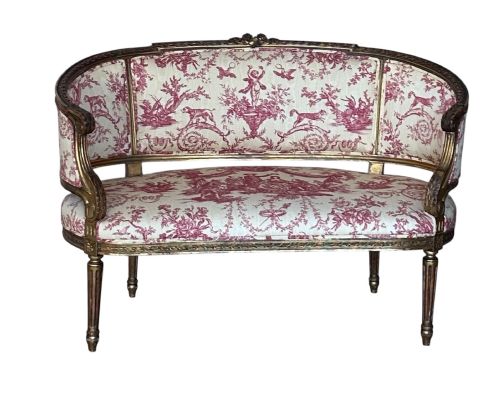
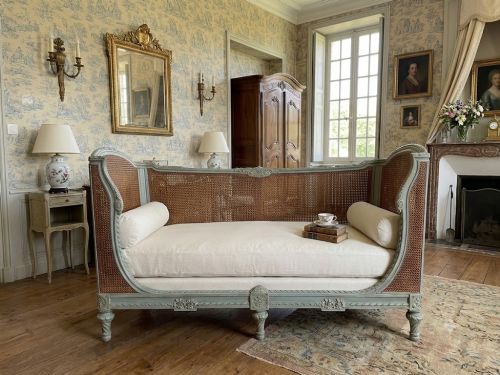
When you search for a vintage french style canape, you encounter seating forms spanning the nineteenth century through the mid twentieth century. These pieces include two-seater settees, daybeds, and larger salon suites originating from French design traditions.
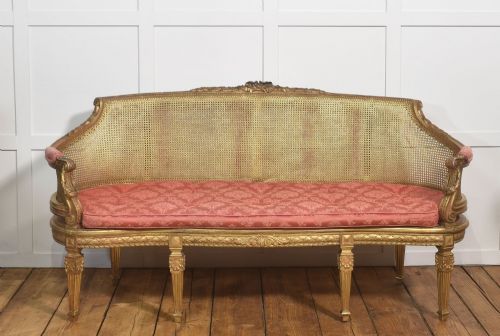
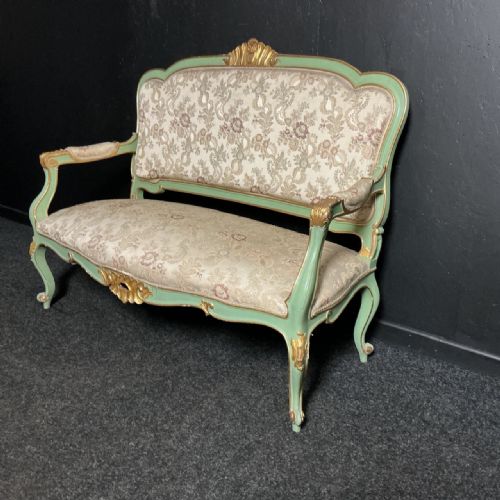
The versions most common on this page follow Louis XV and Louis XVI revivals, alongside painted and gilded interpretations. Makers produced these seats in various scales, from small canework couches to large three-seater settees.
Stylistic details draw heavily on Rococo Revival aesthetics, featuring carved wooden frames paired with upholstered or caned surfaces. You will find pieces shaped as sofas and daybeds that suit both formal drawing rooms and relaxed interiors.
Materials and Construction
Carpenters shaped these frames primarily from walnut, giltwood, and other solid woods, applying paint or gilding to finish the surfaces. Skilled hands carved intricate floral and scroll motifs directly into the timber before adding support.
Craftspeople integrated natural cane panels into backrests and seats, or upholstered the frames using fabrics such as linen and velvet. These textile and canework finishes determine the tactile feel and visual texture of each settee.
Some nineteenth-century makers evidently expected guests to sit very upright indeed.
Evaluating Quality
The distinction between standard examples and finer pieces lies in the crispness of the wood carving and the depth of the gilding or paintwork. Hand-carved walnut frames with refined proportions demonstrate superior craftsmanship compared to simpler moulded alternatives.
The integration of original canework and the quality of the textile upholstery elevate a piece. Superior examples maintain balanced proportions across the arms, backrest, and legs, ensuring both structural harmony and aesthetic presence.
The Vintage French Style Canape Glossary
- Canapé
- An upholstered sofa or settee, typically featuring an exposed wooden frame and decorative carved details. These seats often form part of larger salon suites.
- Corbeille
- A style of seating with a rounded, basket-like backrest that curves around to enclose the sitter. This French term frequently describes daybeds and comfortable settees.
- Giltwood
- Timber coated with a thin layer of gold leaf or gilt paint. This finish creates a luminous, reflective surface popular in formal French seating.
- Louis XV Revival
- A design style inspired by the mid eighteenth century, characterised by asymmetrical curves, cabriole legs, and naturalistic floral carvings. Pieces in this revival date mainly to the nineteenth century.
- Canework
- Woven cane or rattan material used for chair seats and backrests. It provides a lightweight, decorative texture on wooden frames.
Vintage French Style Canape: Frequently Asked Questions
How do I style a canapé?
Position your canapé as a focal point in a living room or bedroom where its carved frame and upholstered back can be appreciated. Pair it with complementary armchairs from a salon suite or let it stand alone against a neutral wall.
Keep surrounding furniture understated to highlight the classic French proportions and decorative woodwork. Add cushions in simple linens or velvets to soften the seat while respecting the period aesthetic.
Are these settees comfortable for daily use?
Many nineteenth-century and early twentieth-century settees offer supportive seating, particularly versions with upholstered cushions and padded backrests. Their generous widths make them practical for everyday lounging in modern spaces.
Caned models provide a firmer seat that benefits from the addition of loose squab cushions. You can enjoy these pieces daily by selecting designs that balance historic charm with supportive cushioning.
How do I identify a daybed version?
Daybed variants, often referred to as canapé corbeille, feature enclosed rounded backs that transition smoothly into armrests. These pieces were designed for reclining as well as seated rest.
Look for elongated proportions combined with the characteristic curved wooden frame and cane or fabric panels. They offer a distinct silhouette compared to standard two-seat settees.