

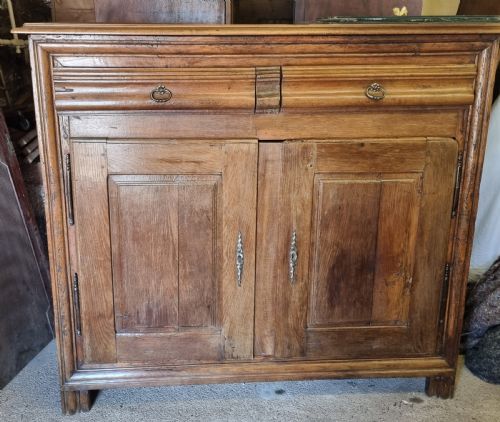
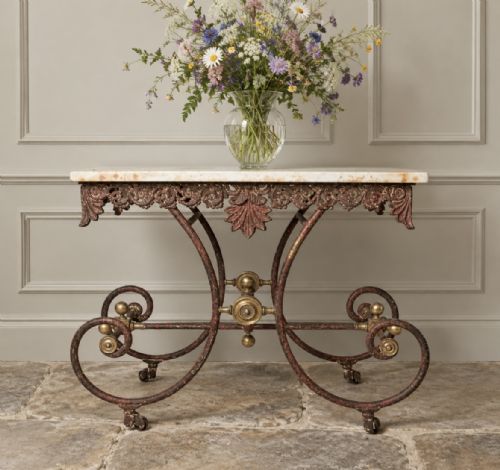
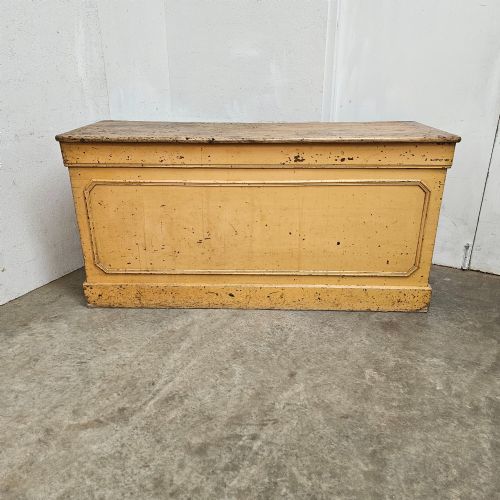
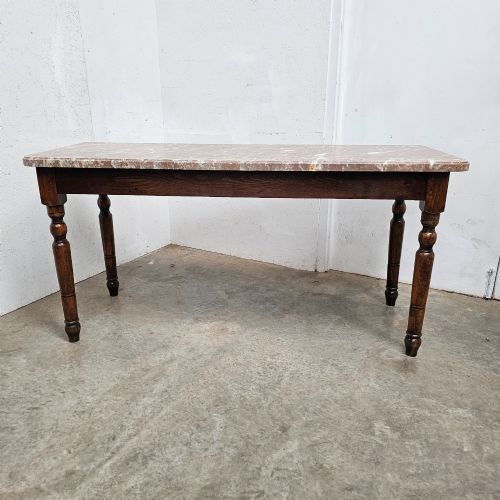

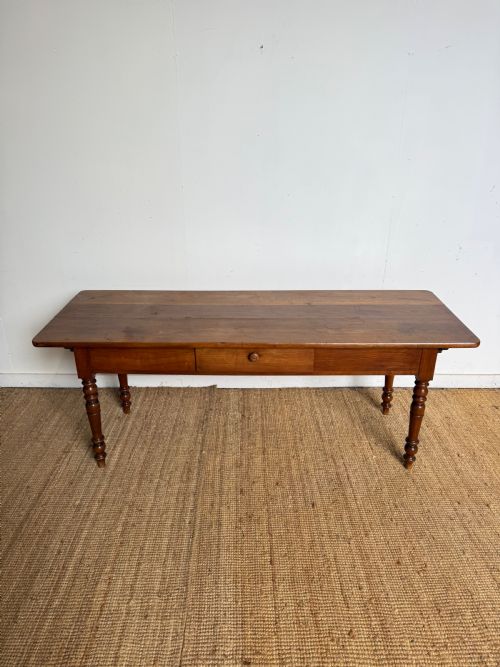


Vintage French Server
A vintage french server brings robust utility and continental elegance to a dining room, combining practical storage with timeless regional character.
Vintage French Server
When you search for a vintage french server, you encounter a varied selection of functional furniture designed for food preparation, storage, and serving in continental interiors. These pieces encompass sturdy sideboards, buffets, console tables, and specialised serving tables originating from different periods and regions.
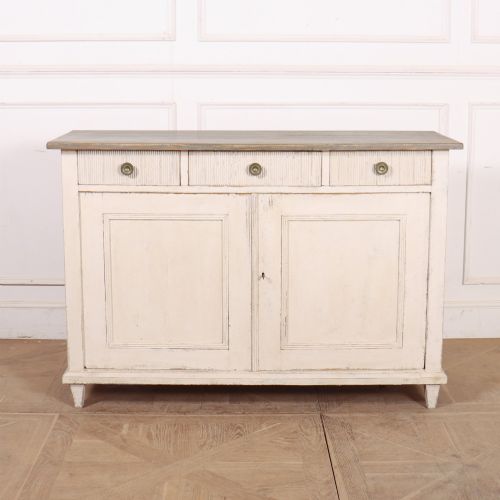
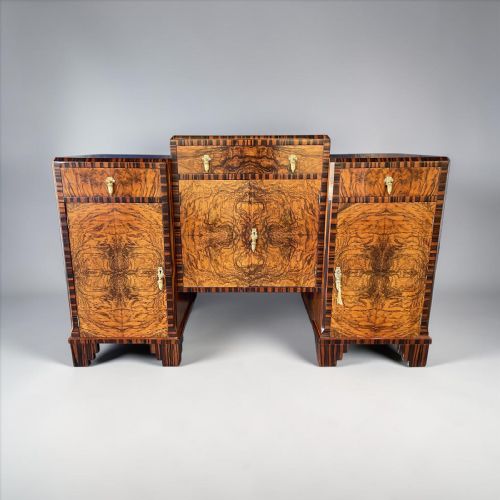
The selections on this page lean heavily towards nineteenth-century examples in oak, cherrywood, and painted pine, alongside distinct art deco pieces from the nineteen-thirties. You will find items ranging from rustic provincial oak cupboards to polished mahogany and marble-topped console tables.
How they were made
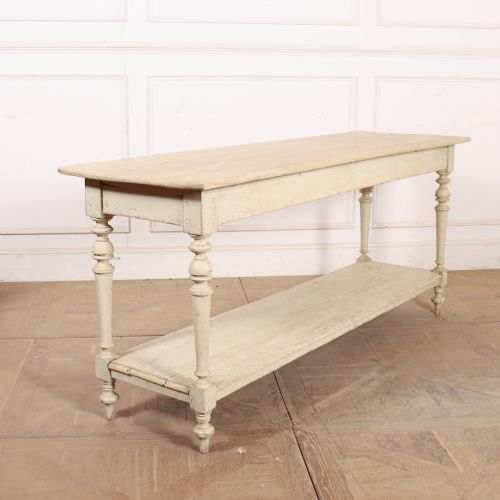
Cabinet makers utilised a combination of traditional solid timbers such as oak, walnut, cherrywood, and mahogany, frequently pairing wooden frames with cool marble tops for durability during food preparation. Painted finishes and original paint layers appear across numerous provincial and drapers tables.
Construction techniques involve traditional joinery, parquetry top placement, and detailed carving seen in walnut sideboards and buffet doors. Metal elements like brass fittings and silver plate components complement the primary timber structures.
Common forms include console tables, sideboards, buffets, and drapers tables originating from French provincial and art deco traditions.
What varies in quality
The degree of refinement in carved ornamentation and the choice of primary timber distinguish simpler provincial pieces from high-style urban creations. Finer examples display meticulous parquetry work, intact marble surfaces, and harmonious proportions.
The preservation of original paint and authentic period hardware significantly impacts the character and integrity of a piece. Superior construction ensures stability in heavy items like oak buffets and long drapers tables.
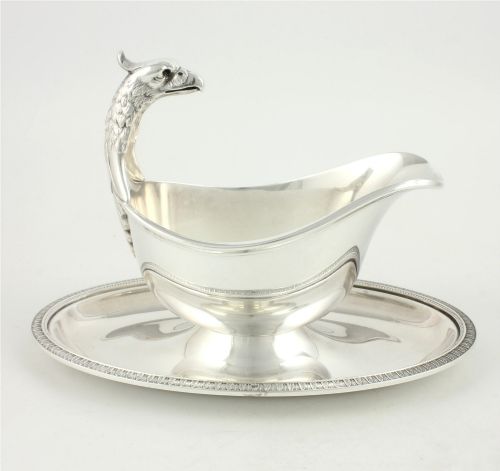
Christofle Gallia
The Vintage French Server Glossary
- Buffet
- A sideboard or cupboard traditionally used for storing and serving food. These heavy wooden pieces often feature multiple doors and drawers.
- Console table
- A table designed to fix against a wall, frequently topped with marble or wood. They serve as decorative serving surfaces in hallways and dining rooms.
- Parquetry
- Geometric woodwork forming a patterned mosaic on furniture surfaces. This technique frequently decorates the tops of fine sideboards and tables.
- Chiffonier
- A tall, narrow cabinet equipped with drawers and shelves. These mahogany or walnut pieces offer compact storage for dining accessories.
Vintage French Server: Frequently Asked Questions
What is a french server used for?
These pieces functioned primarily for storing tableware, displaying dishes, and serving food during meals. Dining rooms and halls utilised them to keep serving implements close at hand.
Their robust timber surfaces and marble tops also provided practical staging areas for food preparation before dishes reached the dining table.
How do I identify a period piece?
Examining the timber, joinery techniques, and overall style helps determine the era of construction. Nineteenth-century examples often display heavy oak or cherrywood frames, while nineteen-thirties items show distinct art deco geometry.
Matching the hardware, surface treatments, and decorative motifs like parquetry or painted finishes to documented historical styles confirms the date.
Where should I place a server?
A dining room or spacious hallway serves as an ideal location for placing a console table, buffet, or sideboard. Their shallow depth allows them to sit flush against walls without obstructing walkways.
Marble-topped variants work particularly well in dining spaces where heat resistance and easy cleaning are practical benefits.
How do I care for marble tops?
Wiping marble surfaces regularly with a soft cloth and mild soap preserves the stone against staining. Acidic liquids should be kept away from polished marble to prevent etching.
Applying a suitable protective wax helps maintain the sheen on both the stone and the surrounding wooden framework.