





Vintage French Panelling Doors
These vintage french panelling doors bring authentic continental scale and tactile joinery to an interior, shaped by centuries of provincial and chateau craftsmanship.
Vintage French Panelling Doors
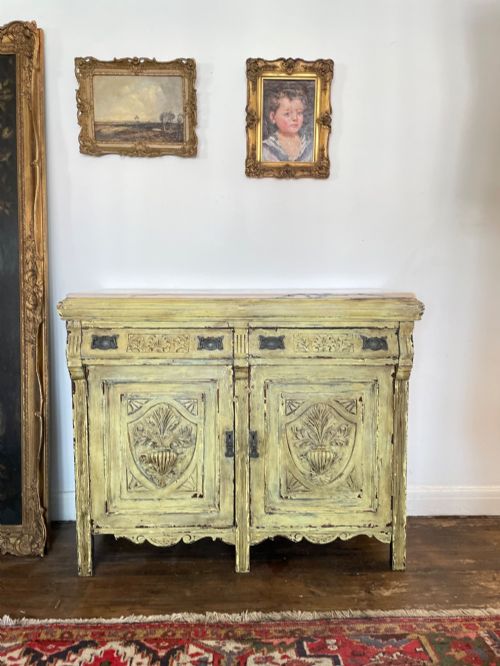
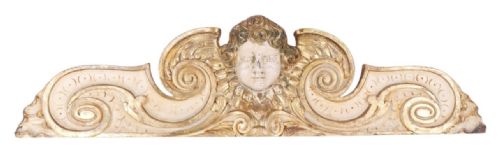
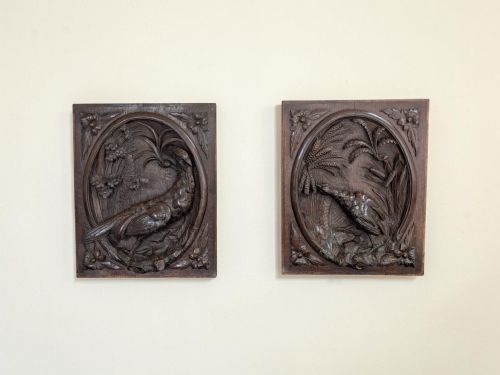
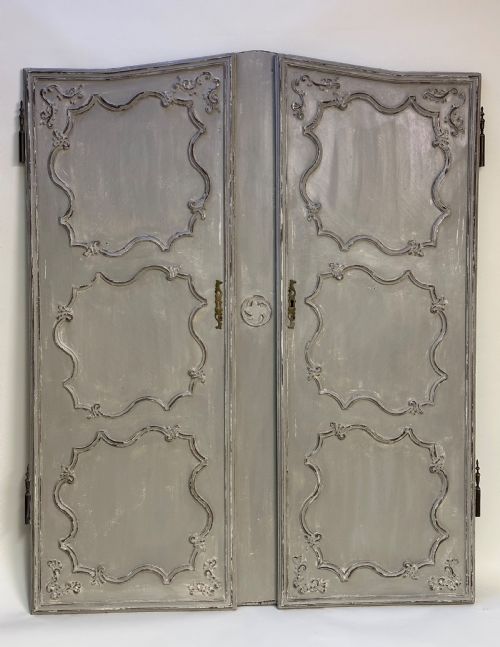
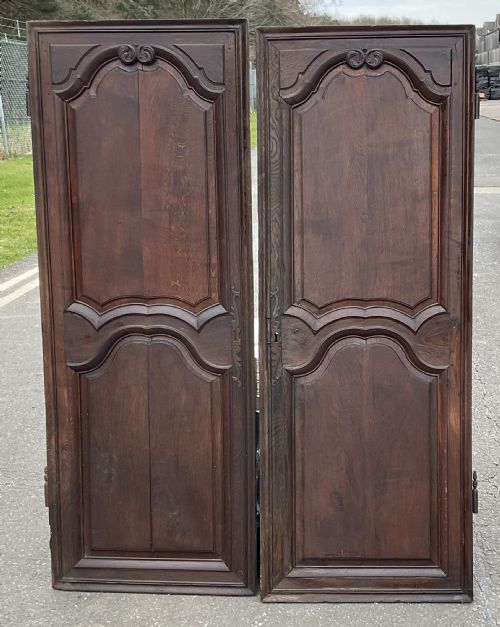
Vintage french panelling doors encompass architectural salvage sourced from 18th century farmhouses up to 1920s chateaux and urban properties. Buyers seeking vintage french panelling doors encounter grand sets of full-height chateau entrances, smaller armoire doors, and carved wooden over doors featuring figurative motifs like cherubs.
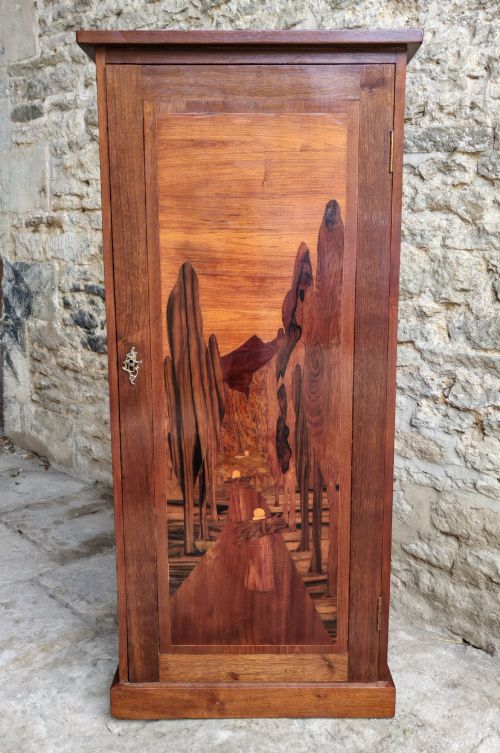
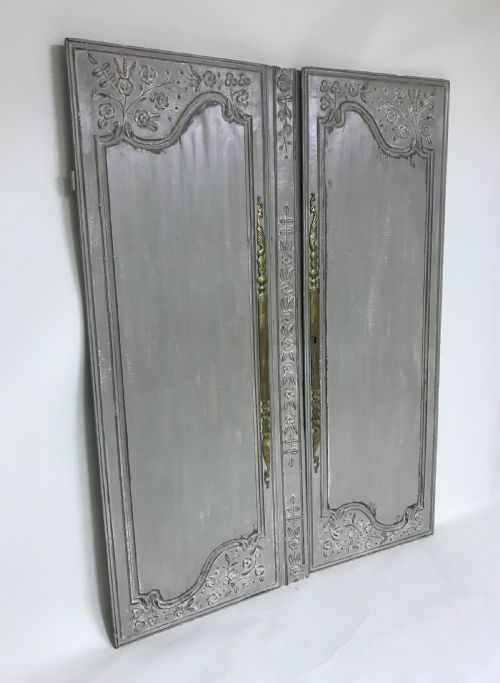
The selection ranges from rustic painted finishes to rich walnut and cherrywood grains, often retaining original brass and iron hardware. These pieces function both as operational entrances and as decorative wall panels within contemporary spaces.
How they were made
Joiners constructed these doors primarily using solid hardwoods such as oak, walnut, mahogany, and cherrywood, relying on traditional framing and panelling techniques. Master carvers then applied hand-carved details, ranging from French Provincial foliage to elaborate Baroque and Louis XV style flourishes.
Metal elements including brass and iron provide structural reinforcement and decorative hinges, while some pieces incorporate glass panels or mesh for cabinetry and bookcases.
Architectural forms on this page include full-height chateau doors, armoire panels, and carved wooden over doors featuring cherubs.
What varies in quality
Quality rests in the depth and crispness of the hand carving, distinguishing standard provincial work from finer chateau examples. The choice of timber grain and the survival of original painted surfaces also define the upper tier of these pieces.
Integrity of construction matters greatly, particularly how well large timber panels have coped with age, shrinkage, and movement over the centuries.
Raymond Subes·Galle
The Vintage French Panelling Doors Glossary
- Architectural salvage
- Building materials recovered from demolition or remodelling sites for reuse in new settings. These items preserve historical craftsmanship that modern construction rarely replicates.
- Louis XV style
- A revival design movement characterised by asymmetric scrollwork, organic curves, and floral motifs. This style draws inspiration from mid-18th century royal French aesthetics.
- Tambour
- A surface constructed from narrow strips of wood glued to a flexible backing fabric. This allows doors to slide smoothly around tight curves on cabinets and stands.
Vintage French Panelling Doors: Frequently Asked Questions
How do I install vintage french panelling doors?
These doors often require professional carpentry to fit modern door frames due to historical metric variations and timber movement. Many buyers also mount them directly to walls as decorative architectural panels.
Hardware adjustment is usually necessary to support the weight of dense hardwoods like walnut and oak.
Can these doors be used outdoors?
Most of these pieces are intended for interior architectural use or sheltered garden settings due to their historic timber and paint finishes. Exposure to direct rain and fluctuating temperatures can degrade delicate hand-carved details.
Weatherproofing treatments should be applied with caution to preserve the original patina of the wood.
How do I date an antique French door?
Dating relies on identifying timber species, joinery methods, and stylistic cues such as Louis XV curves or Art Deco ironwork. Tool marks left by hand saws and adzes also indicate earlier 18th and 19th century production.
Comparative analysis with known period pieces helps narrow down the decade of manufacture.
How do I care for painted wooden doors?
Maintenance requires gentle dusting with a dry microfiber cloth and avoiding harsh chemical cleaning agents that strip historic paint layers. Maintaining stable indoor humidity prevents the timber from splitting.
Wax can be used sparingly on unpainted wooden sections to nourish the grain.