


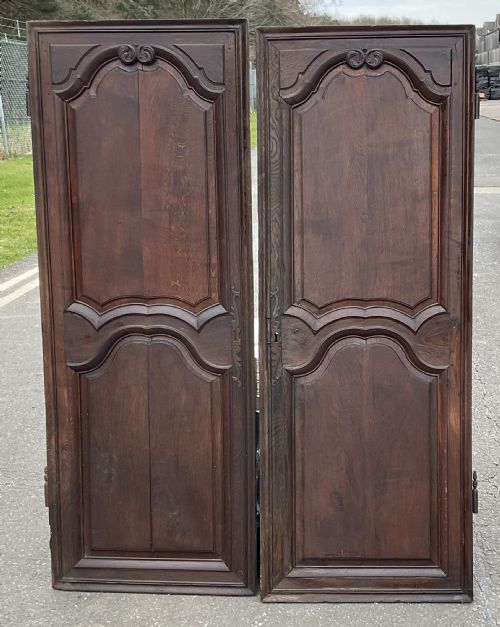


French Chateau Wardrobe Doors
These french chateau wardrobe doors bring authentic architectural character into a modern interior, offering a distinct sense of age and presence.
French Chateau Wardrobe Doors
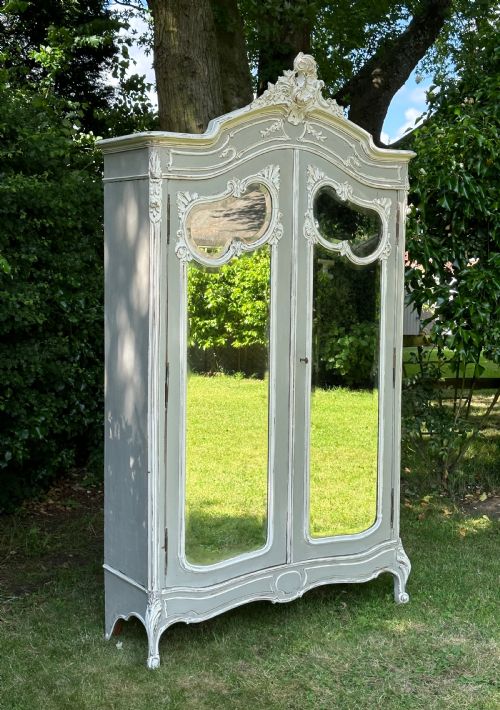
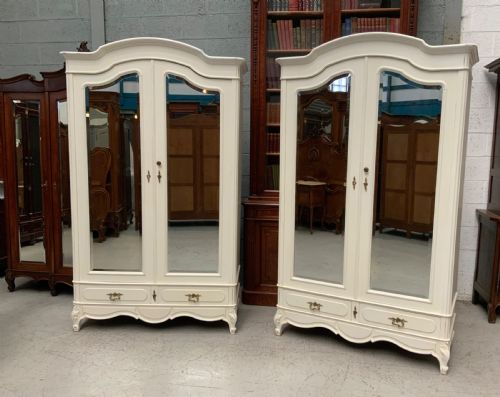
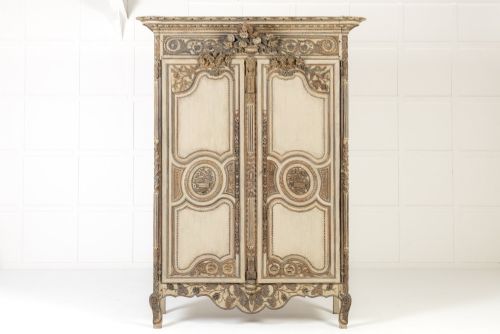
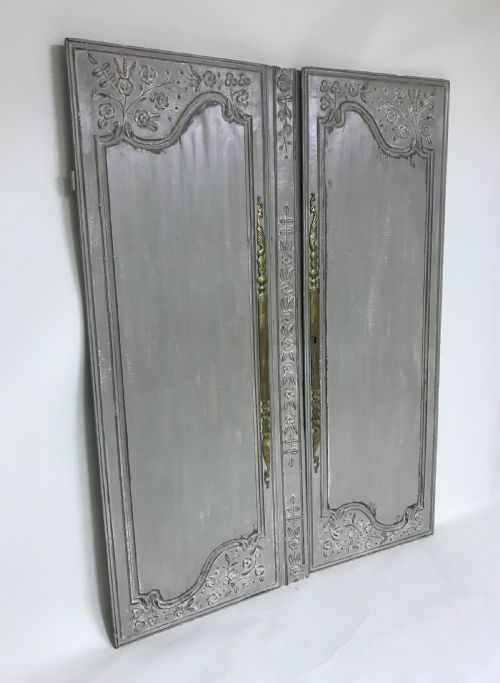
French chateau wardrobe doors are substantial timber panels salvaged from large armoires, cabinets and interior storage fixtures, designed to be repurposed for architectural wall panelling or bespoke fitted furniture. When you search for french chateau wardrobe doors, you find pieces originating from eras spanning the eighteenth century through to the early twentieth century, reflecting classic domestic architecture.
How They Were Made
These architectural elements utilise traditional timber framing methods, primarily employing solid oak, walnut, and regional softwoods constructed with pegged joints and panelled inserts. Joiners shaped the wood by hand, creating fielded panels and mouldings that gave rigidity to large timber frames.
Surface finishes include historic painted schemes, often layered over time, alongside polished or bleached wood surfaces that highlight the natural grain. Metal hardware such as brass detailing, iron hinges, and glass inserts appear on selected examples to complete the construction.
What Varies in Quality
Quality rests on the integrity of the timber, the depth of hand-carved detailing, and the preservation of original surfaces. Pieces with well-defined mouldings and sound structural joints represent the higher end of the range, showing the hand of a skilled cabinetmaker rather than mass production.
The character of the finish also dictates value, with undisturbed historic paintwork or richly patinated walnut holding greater visual weight than heavily stripped or later altered examples.
The French Chateau Wardrobe Doors Glossary
- Armoire
- A large wardrobe or cupboard, typically of French origin and substantial proportions. These items provided primary clothing storage before fitted closets became standard.
- Fielded panel
- A central wooden panel with bevelled edges designed to fit within a surrounding frame. This technique allows the timber to expand and contract safely with changes in humidity.
- Bleached oak
- Timber treated to lighten its natural tone while retaining the visible grain. This process creates a muted, neutral surface often associated with twentieth-century interior aesthetics.
- Architectural salvage
- Building components rescued from demolition or renovation for reuse in new settings. These elements preserve historical craftsmanship and materials.
French Chateau Wardrobe Doors: Frequently Asked Questions
How are these doors used in modern interiors?
These panels find new life mounted directly onto walls as decorative art, integrated into modern kitchen cabinetry, or hung as functional room dividers and pantry closures.
Their substantial height and historic proportions allow them to anchor a room, adding architectural depth where modern walls are plain.
Can these doors be resized to fit a specific opening?
Carpenters can adjust solid wood panels to fit new spaces, though trimming historic joinery requires care to preserve the proportional balance of the frame and panels.
Working with an experienced craftsperson ensures the structural integrity and original sightlines remain intact during any alteration.
How do I care for painted and polished wooden doors?
Maintenance involves dusting with a soft, dry cloth and avoiding harsh chemical cleaners that can strip historic paint or degrade traditional wax finishes.
Keeping the timber away from direct heat sources and extreme humidity changes protects the wood from warping and cracking over time.
How do I distinguish eighteenth-century pieces from later reproductions?
Early pieces display hand-cut joinery marks, irregular peg placements, and timber surfaces shaped by hand tools rather than modern industrial machinery.
Wear patterns around handles and hinges provide further clues to genuine age and prolonged domestic use.