
Antique Wooden Cabinet Doors
Antique wooden cabinet doors are architectural salvage and fitted panels from period furniture, offering authentic character for interior projects and restoration.
Antique Wooden Cabinet Doors
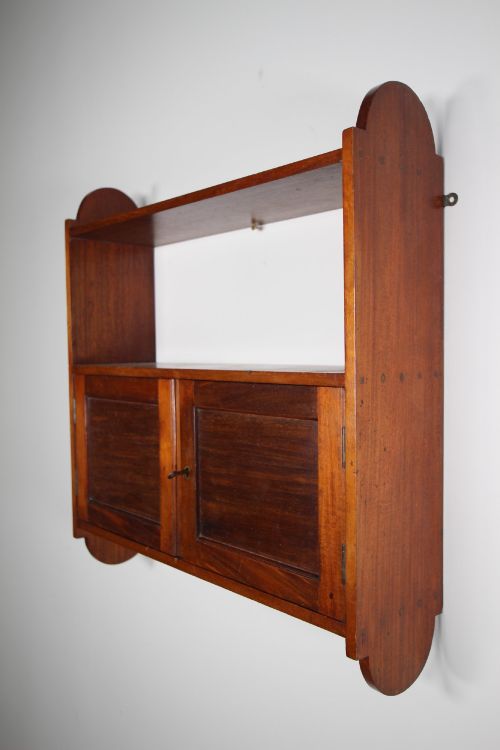
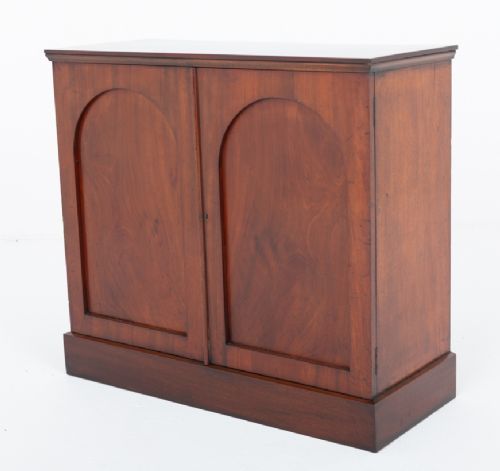
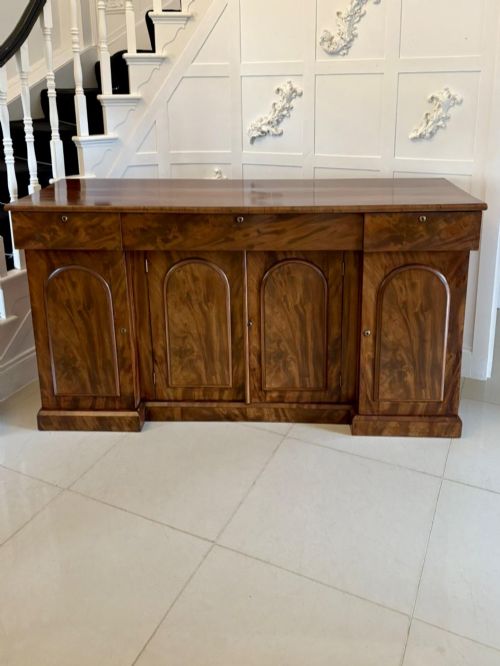
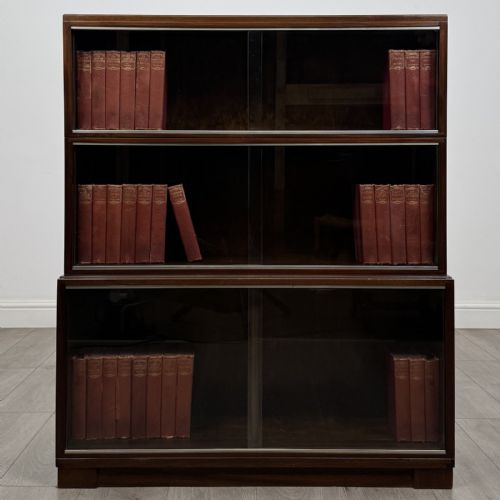
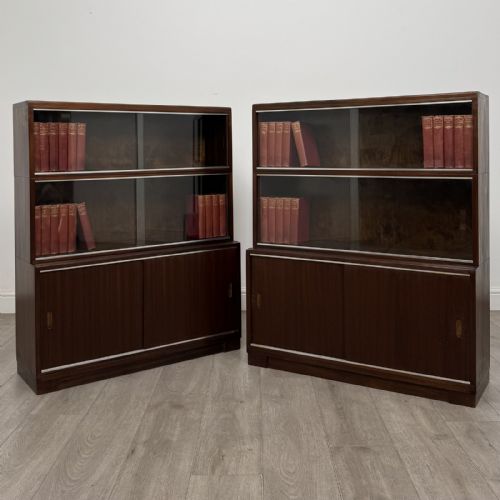
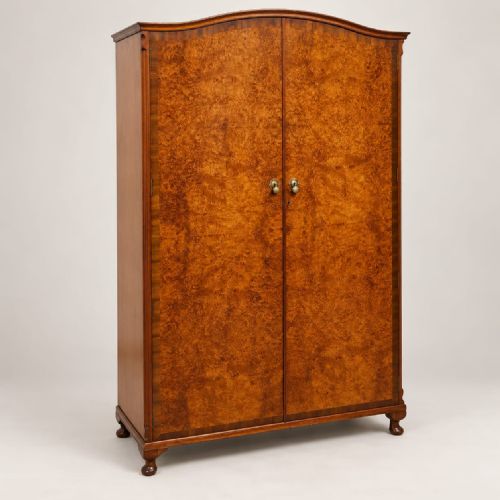
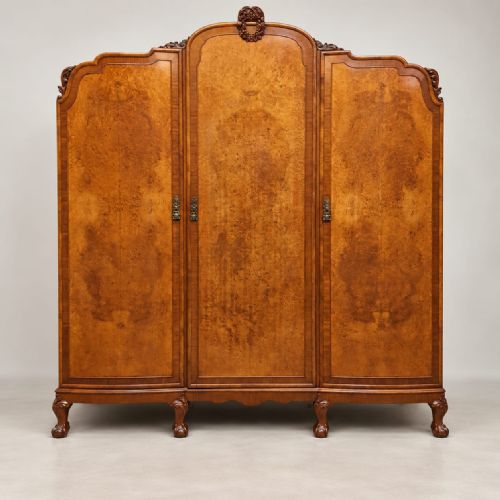
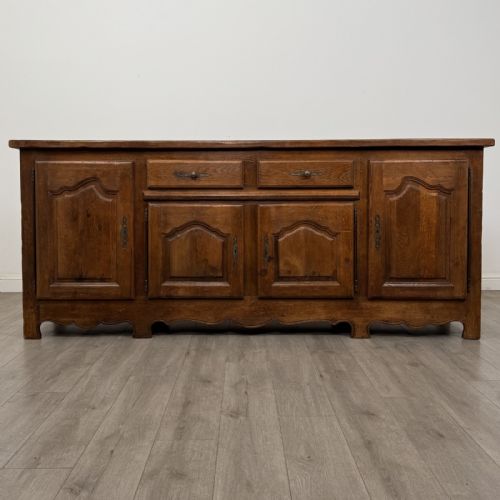
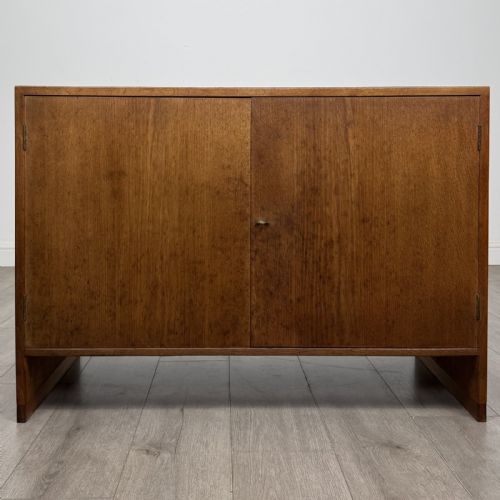
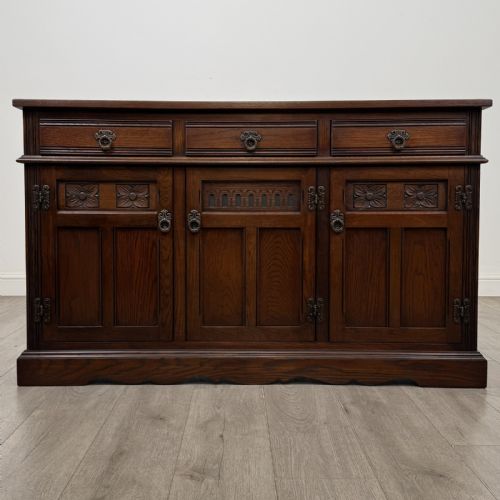
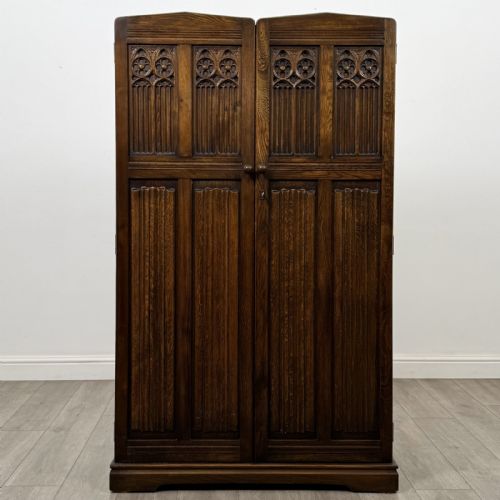
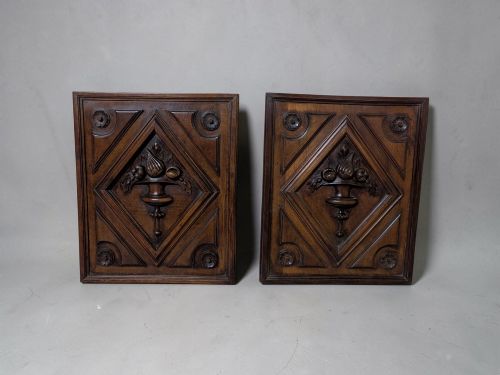
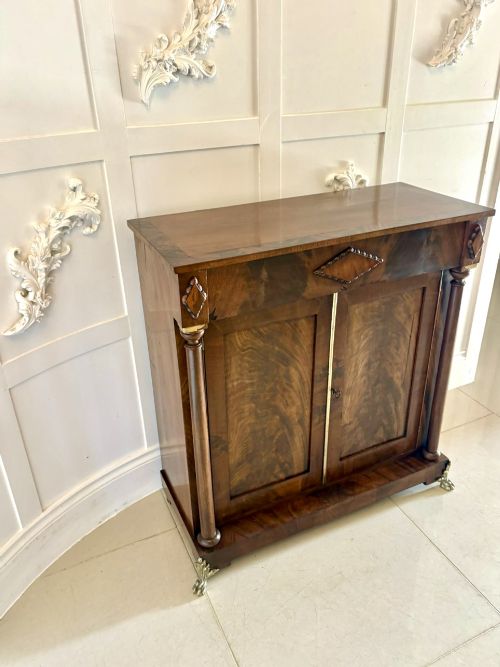
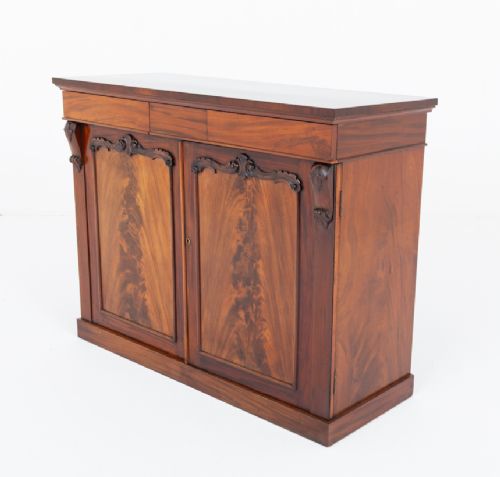
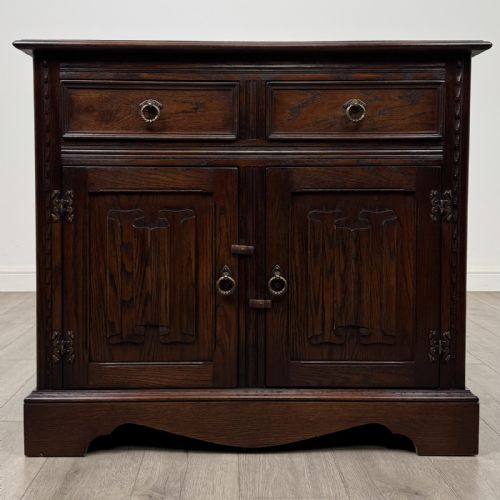
When you search for antique wooden cabinet doors, you encounter salvaged architectural elements and panels detached from larger period furniture such as bookcases, sideboards, wardrobes, and cupboards. These items originate across the seventeenth, eighteenth, nineteenth, and early twentieth centuries, spanning Georgian, Victorian, Edwardian, and Regency eras.
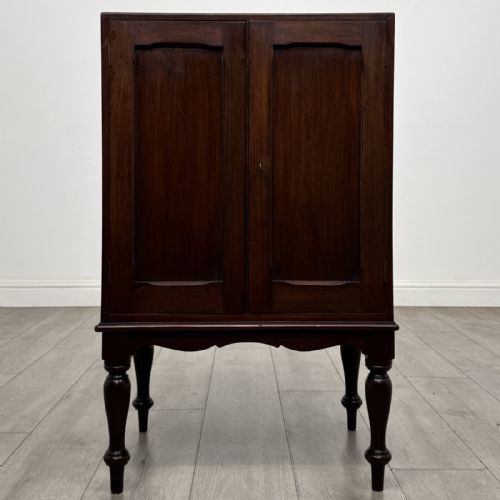
The pieces on this page draw from diverse regional aesthetics, including English country workshops, French provincial furniture, and formal metropolitan cabinet making. Common forms include glazed display frames, solid panelled cupboard doors, and tambour or louvered slats designed for functional storage.
Buyers utilise these panels for architectural integration, interior design, or bespoke furniture construction, capitalising on seasoned timber and traditional joinery that modern manufacturing cannot replicate. Each item reflects the structural proportions of the specific cabinet type from which it was separated.
Materials and construction methods
Cabinet makers utilised a palette of domestic and imported timbers, relying heavily on solid mahogany, oak, walnut, and pine, occasionally supplemented by exotic veneers like padouk or satinwood. These woods were selected for their grain stability and durability, ensuring the framework resisted warping over decades of atmospheric change.
Construction depended upon traditional joinery techniques such as mortise and tenon frames surrounding raised or fielded panels, secured without modern adhesives. Glazed variants incorporated delicate timber glazing bars holding individual panes of glass, while hardware such as brass hinges and iron latches were fitted by hand.
Several doors retain old cabinet paint schemes, accidental paint drips from long-ago kitchen redecorations, and honest carpenter pencil marks.
Distinctions in quality and execution
Quality rests upon the selection of timber and the precision of the joinery within the frame, where tight joints and well-figured grain indicate superior workshop standards. Finer pieces demonstrate careful attention to proportion, moulding profiles, and the integration of secondary woods.
The sophistication of decorative elements further separates standard utility pieces from high-status items, ranging from simple thumb-moulded pine panels to intricate mahogany inlays, Ormolu mounts, or hand-carved provincial motifs.
The Antique Wooden Cabinet Doors Glossary
- Fielded panel
- A central wooden insert within a frame whose edges are bevelled or thinned to fit into a groove, allowing the wood to expand and contract safely.
- Glazing bar
- A narrow wooden strip holding individual panes of glass within a sash door, typical of bookcase and vitrine construction.
- Mortise and tenon
- A fundamental joint where a protruding tongue fits tightly into a matching cavity, securing frame corners without metal fasteners.
- Tambour
- A flexible sliding door constructed from narrow vertical strips of wood glued to a fabric backing, seen in filing cabinets and specific desks.
- Figured mahogany
- Timber exhibiting distinctive natural grain patterns such as flame or fiddleback, prized for high-end furniture fronts.
Antique Wooden Cabinet Doors: Frequently Asked Questions
How are antique cabinet doors mounted?
Most doors rely on traditional butt hinges screwed directly into the timber frame and the adjacent cabinet carcass. Salvaged pieces often retain their original brass or iron hardware, though hanging them in new settings may require careful alignment.
Heavier glazed or solid hardwood doors demand sturdy framing to support the weight without sagging. Adjustments to the surrounding rebate ensure a flush fit within an existing opening.
How do I identify the wood type?
Examination of colour, grain pattern, and weight reveals the primary timber used in construction. Oak displays prominent medullary rays and an open grain, while mahogany offers a reddish-brown tone with a tighter, interlocking texture.
Pine appears lighter in weight with softer growth rings, often found in provincial cupboards and wardrobes. Walnut exhibits darker swirling patterns, frequently enhanced by burr figuring in more formal examples.
How do I clean old wooden surfaces?
Gentle dusting with a dry, soft cloth removes surface dirt without harming fragile historic finishes or wax layers. Avoid modern silicone sprays or harsh chemical solvents that strip the patina built up over centuries.
Applying a traditional beeswax polish restores moisture to dry timber and enhances the natural grain. Buffing gently after application brings out a soft lustre rather than an artificial high gloss.