


French Provincial Wardrobe Doors
French provincial wardrobe doors bring rustic elegance and architectural character to interiors when repurposed as wall panels or fitted storage.
French Provincial Wardrobe Doors
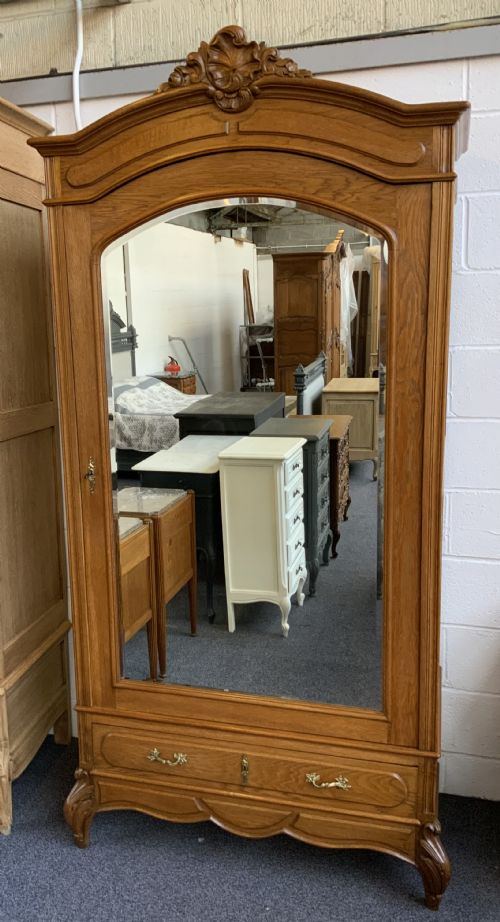
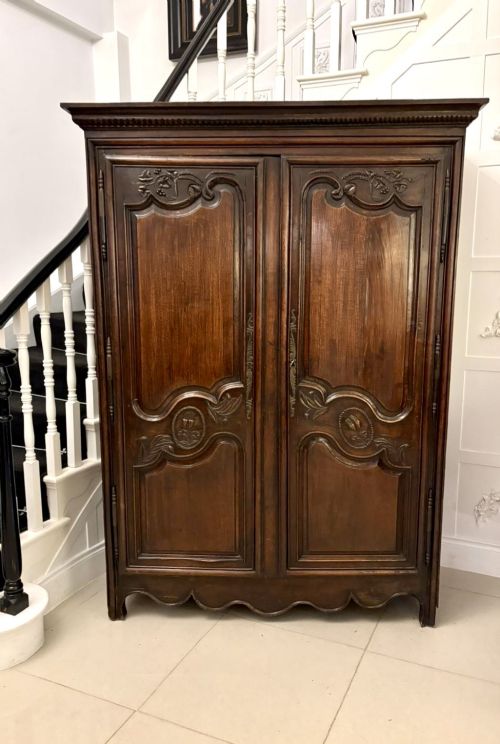
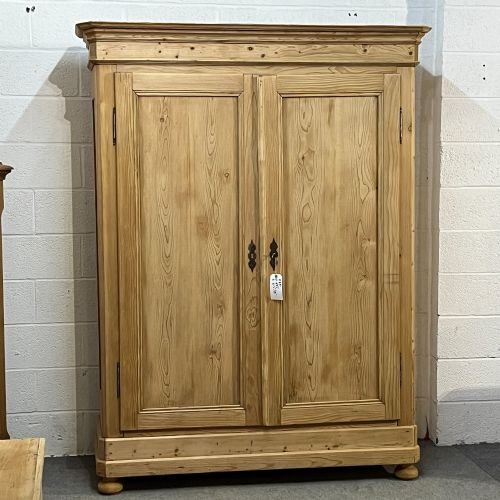
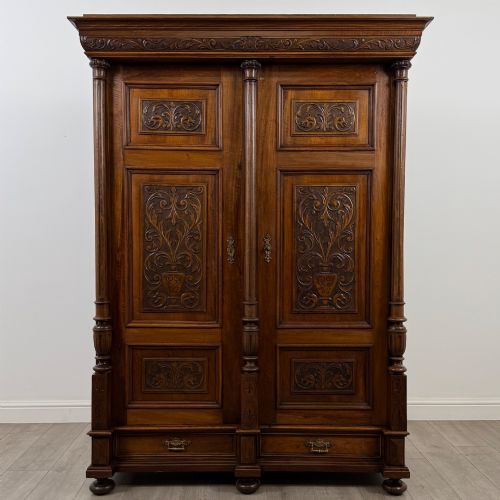
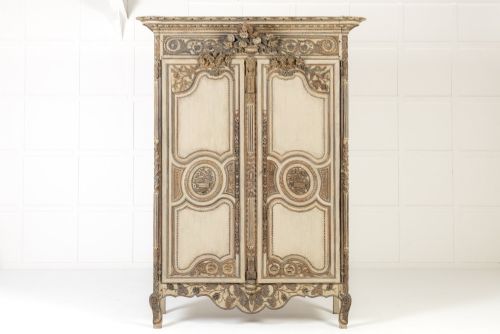
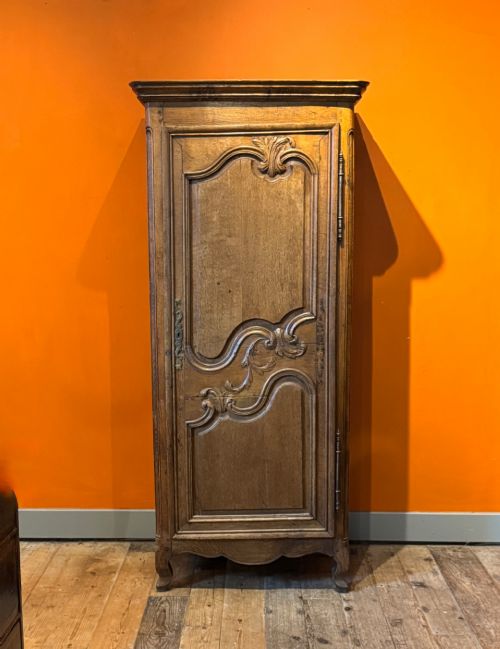
French provincial wardrobe doors originate from regional armoires, cupboards, and cabinets built across the French countryside. These architectural fragments display the distinctive proportions and joinery of larger storage pieces from past centuries.
Buyers seek these components for interior architectural salvage projects, wall panelling, or custom cabinetry insertions. They offer an authentic period presence without requiring space for a full armoire.
Materials and construction methods
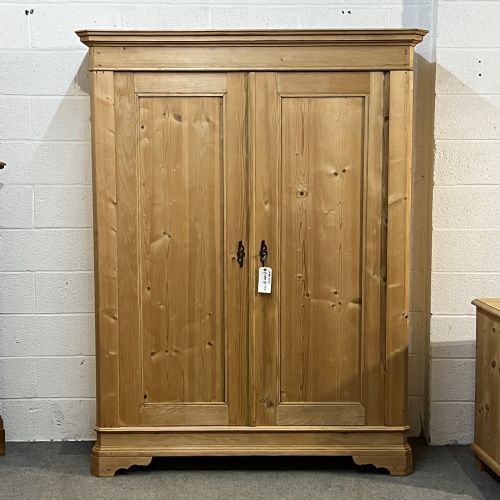
Traditional construction relies heavily on solid regional timbers such as oak, walnut, pine, and cherry. Timber selection dictated the structural stability and grain pattern of each panel.
Joinery methods utilise pegged mortise and tenon frames surrounding raised or panelled inserts. Metalwork components such as iron hinges, brass escutcheons, and sliding bolts complete the assembly.
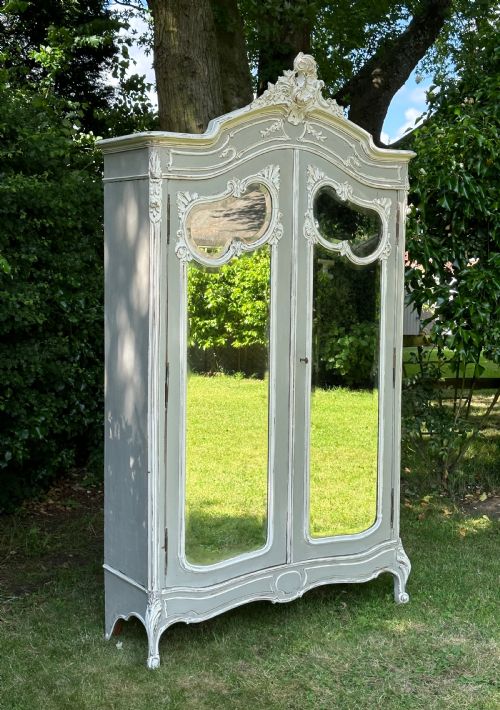
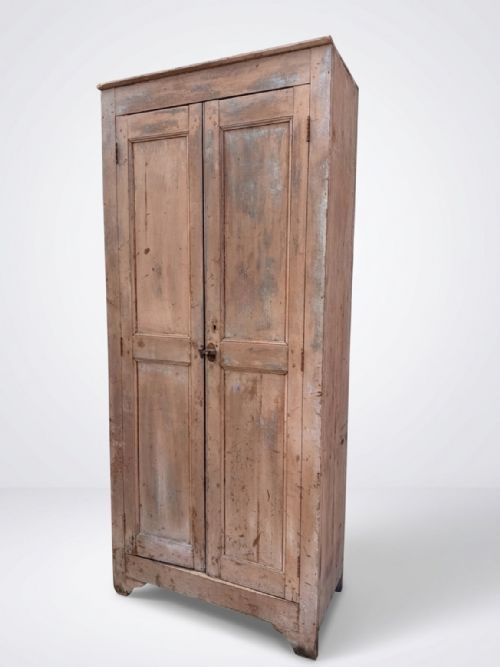
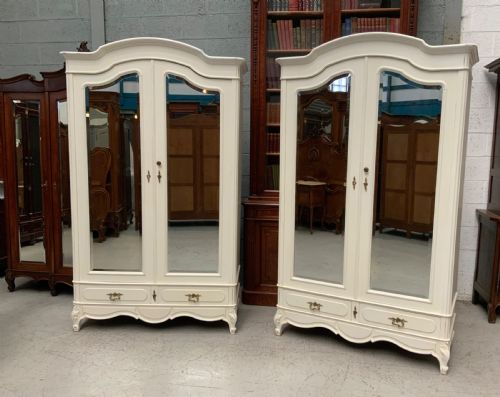
Surface treatments vary from natural wax finishes to historic painted layers and contemporary decorative applications like downpipe grey. Bleached oak treatments also appear among the later 20th century items.
Current listings feature pieces spanning from the 17th century through the 1930s, constructed primarily in oak, walnut, and pine.
Judging the quality of architectural panels
Quality rests primarily on the integrity of the timber and the depth of hand-carved detailing. Crisp mouldings and well-proportioned panels distinguish superior regional joinery from simpler utilitarian work.
The preservation of original surface patination, whether aged wood or historic paint, contributes significantly to the character of the piece. Intact period iron or brass hardware further elevates the desirability of surviving doors.
The French Provincial Wardrobe Doors Glossary
- Armoire
- A traditional large wardrobe or cupboard used for hanging garments or storing linen. These massive pieces provided the doors and panels found in architectural salvage.
- Louis XV taste
- A decorative style characterised by asymmetrical curves, naturalistic floral carvings, and flowing lines. This aesthetic strongly influences many provincial French cabinet doors.
- Mortise and tenon
- A fundamental woodworking joint where a projecting tenon fits tightly into a corresponding mortise hole. It provides the rigid structural framework for traditional door construction.
- Escutcheon
- A protective plate surrounding a keyhole, frequently cast in brass or iron. These functional fittings often double as decorative accents on period cabinetry.
French Provincial Wardrobe Doors: Frequently Asked Questions
How can I use wardrobe doors at home?
These doors suit interior architectural salvage projects such as wall panelling, room dividers, or custom closet entries.
They also function effectively as standalone decorative elements when mounted directly onto walls or fitted with mirrors.
What woods were commonly used?
Cabinetmakers utilised regionally available timber including solid oak, walnut, cherry, and pine.
Hardwoods predominated in formal provincial workshops, while pine served for simpler domestic cupboards.
How do I date an old door?
Dating relies on examining the joinery marks, wood shrinkage patterns, and the style of hand-carved mouldings.
Original hardware such as forged iron hinges or brass escutcheons also helps determine the period of manufacture.
Are painted finishes original?
Some pieces retain historic layers of paint applied during past centuries, while others feature later decorative treatments.
Surface finishes range from natural waxed timber to muted greys and traditional painted applications.