
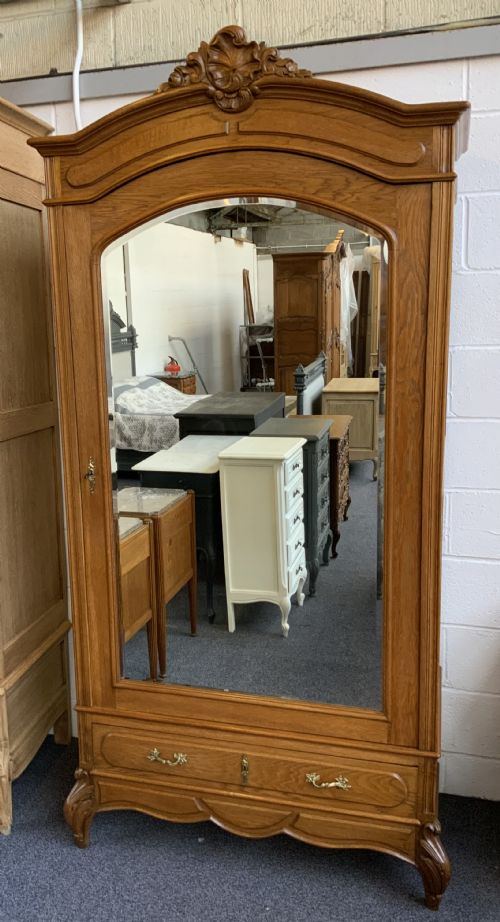
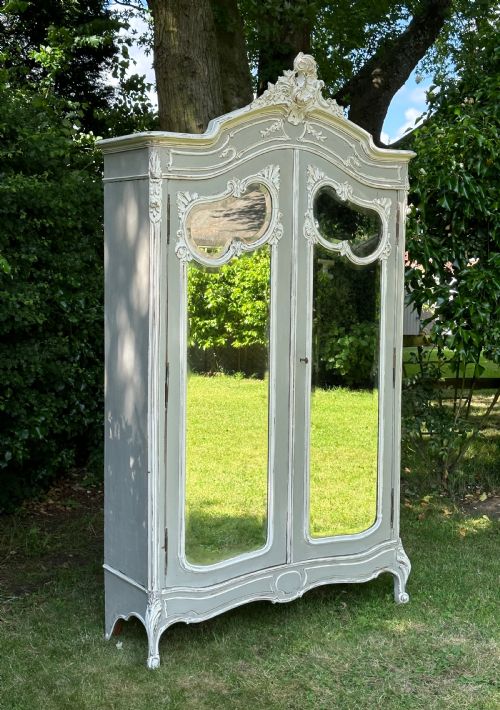
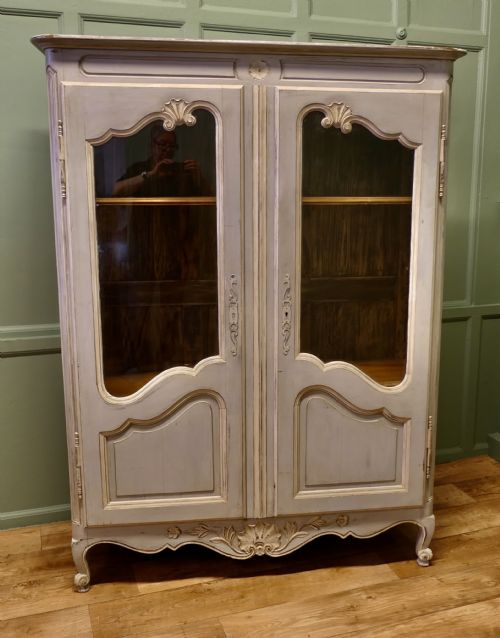
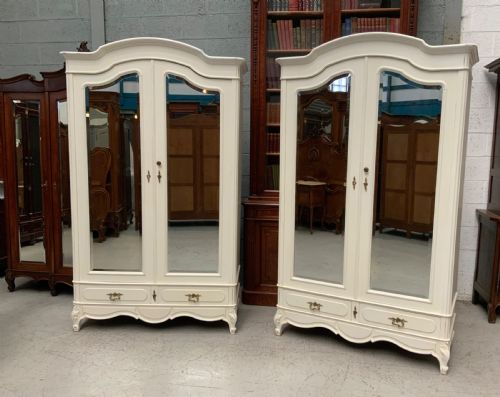


Louis XV Armoire Doors
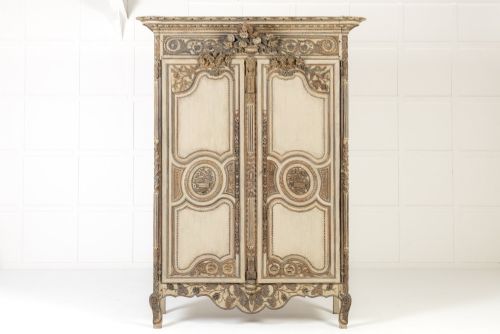
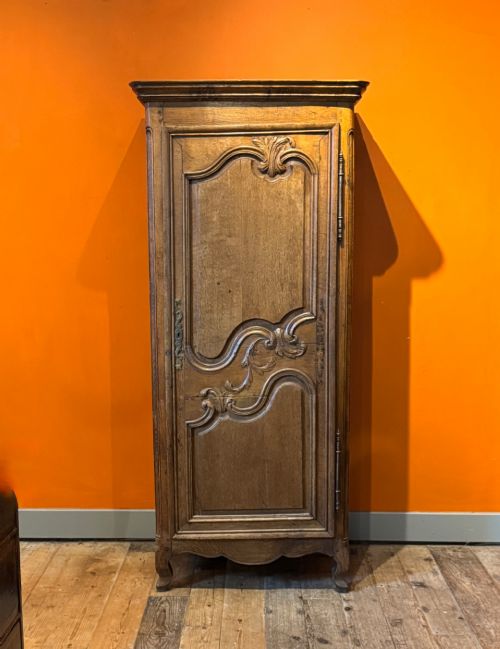
These louis xv armoire doors and full-height cabinets bring genuine French Provincial character and rhythmic Rococo movement into high-ceilinged rooms.
Louis XV Armoire Doors
When you search for louis xv armoire doors, you encounter architectural elements salvaged from larger wardrobes alongside complete cabinets from the eighteenth and nineteenth centuries. The majority of surviving examples emerge in solid oak, walnut, and painted fruitwoods reflecting provincial French cabinetmaking traditions.
Most pieces show the characteristic asymmetrical scrollwork and flowing cartouches of the Louis XV style, often rendered in regional interpretations from Burgundy and other French districts. You will find single, double, and triple configurations, alongside paired architectural doors designed for integration into domestic interiors.
Materials and Construction
Cabinetmakers built these pieces using traditional timber framing techniques, selecting dense native hardwoods like oak and walnut that tolerated deep hand-carving. Panels were typically bevelled and set into grooved stiles and rails to accommodate seasonal wood movement without splitting.
Surface finishes range from natural waxed grain and bleached oak treatments to historic layered paint and delicate ormolu mounts in brass. Iron hinges and latches, forged by hand, secure the heavy timber doors to their original rebates.
Assessing Quality and Craft
The distinction between ordinary and exceptional pieces lies primarily in the depth and crispness of the hand-carving on the stiles and panels. Superior examples display organic relief work that flows naturally from the wood rather than superficial mechanical stamping.
Timber selection and structural integrity also dictate worth, with older eighteenth-century grain patterns showing superior density and rich patination developed through centuries of domestic use. Original hardware and undisturbed painted surfaces elevate the historic integrity of any installation.
The Louis XV Armoire Doors Glossary
- Rococo
- A decorative style originating in France characterised by asymmetry, scrollwork, and organic shell motifs. It forms the primary aesthetic foundation for Louis XV furniture.
- Bonnetiere
- A single-door tall cupboard originally designed to store women's bonnets and headwear. These narrow cabinets share construction traits with larger armoires.
- Buffet Deux Corps
- A traditional two-tier regional French cupboard featuring an upper cabinet set upon a larger lower base. They often display matching raised-panel doors.
- Ormolu
- Gilded bronze mounts applied to furniture edges and locking plates for decorative effect. This technique was favoured in high-style French cabinetmaking.
- Stile
- The vertical outer member of a door frame that holds the central panels in place. Traditional joinery uses mortise and tenon construction here.
Louis XV Armoire Doors: Frequently Asked Questions
How were armoire doors originally used?
These large timber panels functioned as primary access points for freestanding wardrobes that stored household linens, clothing, and grain supplies in traditional French homes.
Over time, many surviving pairs have been removed from damaged carcasses to serve as architectural wall panels, room dividers, or decorative cupboard doors in modern interiors.
How do I distinguish eighteenth-century pieces?
Early pieces display hand-cut joinery, pegged tenons, and deep patination on native walnut or oak timbers that only centuries of handling produce.
The carving style on genuine period examples tends to show softer, more natural asymmetrical wear rather than the sharper mechanical edges found in later revival pieces.
Can I mount salvaged doors on a wall?
Mounting heavy timber doors requires secure fixing into structural wall studs or masonry to support the significant weight of solid oak and walnut.
Professional installation typically involves custom battens or concealed brackets that preserve the historic wood while ensuring absolute stability.
What maintenance do antique wood doors need?
Periodic application of traditional beeswax helps nourish dry timber and maintains a protective barrier against household humidity fluctuations.
Avoid placing these wooden panels near direct heat sources or in overly damp environments to prevent timber warping and shrinkage.