



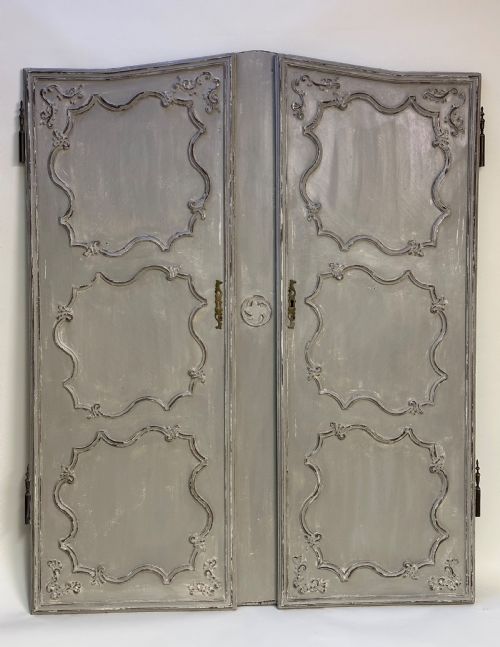
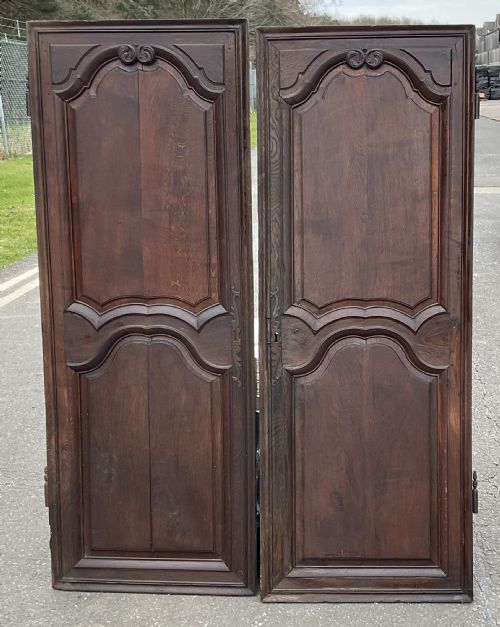


Carved Wood Armoire Panels
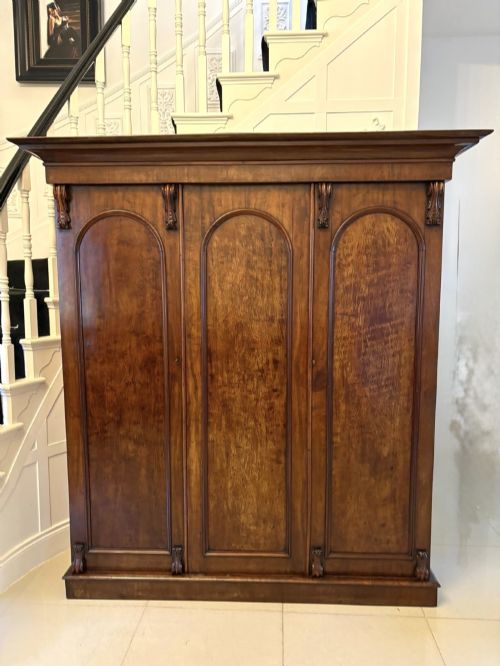
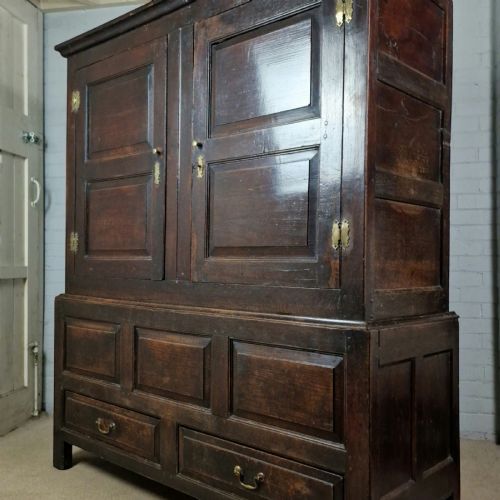
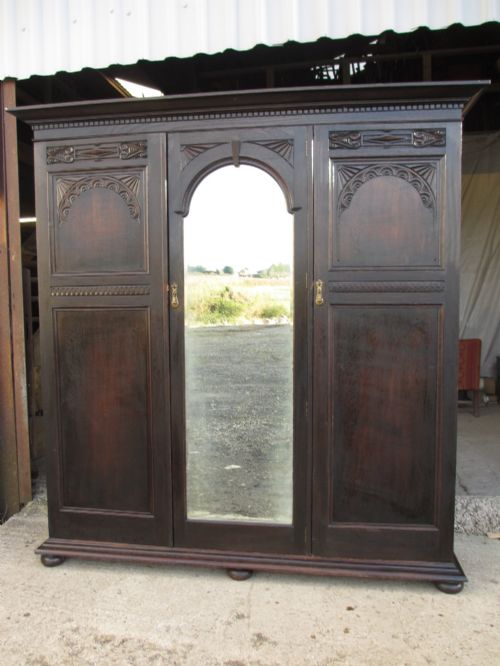
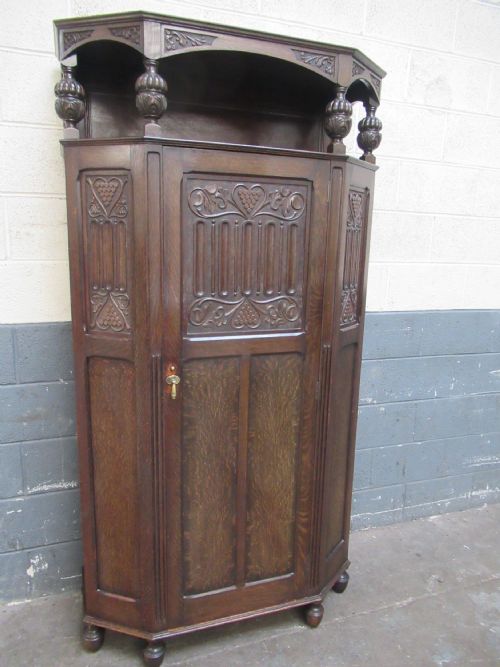
These carved wood armoire panels are structural remnants and decorative doors salvaged from fine period cabinetry, offering authentic historic character for interior design projects.
Carved Wood Armoire Panels
When you search for carved wood armoire panels, you are examining architectural salvage and cabinet doors sourced from large historical storage pieces like wardrobes, linen presses, and cupboards. The inventory on this page ranges across the eighteenth, nineteenth, and early twentieth centuries, drawing from English, French, Italian, and Chinese traditions.
Most examples you encounter take the form of paired doors or individual panels fashioned from sturdy hardwoods such as oak, walnut, mahogany, and ash. These elements reflect diverse stylistic movements including Georgian craftsmanship, Edwardian practicality, French Provincial carving, and Jacobean Revival motifs.
The forms vary from utilitarian linen press fronts to deeply carved French armoire doors and large architectural cabinet panels. Each piece bears the distinct marks of its original furniture context, whether built for an English country estate or a continental interior.
Materials and construction methods
Craftsmen utilised dense timbers like oak, walnut, and mahogany, selecting them for stability and rich grain patterns that responded well to hand cutting. Panels were typically framed with traditional joinery techniques to accommodate natural wood movement over decades of use.
Surface ornamentation relied entirely on hand carving, utilising chisels and gouges to shape relief patterns directly into the solid wood. Additional hardware such as brass fittings and iron hinges frequently accompanied these elements in their original furniture settings.
Object types represented among these listings include wardrobes, linen presses, cabinet doors, and architectural salvage.
Assessing quality in carved wood panels
Quality rests primarily in the depth, crispness, and artistic ambition of the hand carving. Finer pieces demonstrate confident chisel work and well-proportioned relief designs that retain sharp edges and clear detailing across the timber surface.
The choice and condition of the underlying hardwood significantly influence the overall integrity of the piece. Dense, well-seasoned oak, walnut, or mahogany with stable grain structures and minimal timber distortion represent the higher standard of surviving fragments.
The Carved Wood Armoire Panels Glossary
- Armoire
- A large tall wardrobe or cupboard, typically featuring two doors enclosing shelf or hanging space. These panels frequently originate from the doors of such large storage furniture.
- Linen Press
- A tall storage piece traditionally used for storing folded clothes and linens, combining upper cupboard storage with lower drawers. Surviving doors often form the basis of architectural panels.
- Architectural Salvage
- Building components and furniture elements rescued from older structures or dismantled pieces for reuse in interior decoration. This category includes individual cabinet doors and decorative panels.
- Compactum
- A multi-compartment wardrobe combining hanging space, drawers, and shelving within a single unified case. Panels from these pieces often show sophisticated internal division and sizing.
- Relief Carving
- A sculptural technique where figures or patterns project from a flat background surface. This method defines the decorative surface of most historical panels.
Carved Wood Armoire Panels: Frequently Asked Questions
How were carved wood panels used originally?
These panels served as functional doors and decorative fronts for major storage furniture like wardrobes, linen presses, and estate cupboards. They enclosed clothing and household goods while displaying the status and taste of the household through ornamentation.
Over time, many of these pieces were separated from their original carcasses through dismantling or architectural salvage, preserving the decorative woodwork for alternative interior applications.
How can I tell the period of a carved panel?
Dating relies heavily on identifying the primary timber, tool marks left by historical makers, and the stylistic vocabulary of the carving. For instance, eighteenth-century pieces often display hand-sawn surfaces and robust oak construction, while Edwardian examples reflect later revival styles.
Examining edge joinery and hardware recesses also provides clues about how the panel interacted with its original frame or cabinet structure.
What maintenance do antique wood panels require?
Antique panels need stable indoor humidity levels to prevent the solid timber from splitting or warping over seasonal changes. Keeping them away from direct heat sources and strong sunlight preserves the natural oils and finish of the wood.
Occasional dusting with a soft, dry cloth is generally sufficient; heavy polishes or modern chemical cleaners should be avoided to protect the aged patina.