


Vintage French Oak Credenza
These vintage french oak credenza pieces bring solid timber construction and regional character straight into a modern interior.
Vintage French Oak Credenza
A vintage french oak credenza encompasses heavy timber sideboards, buffets, and cupboards originating from France across multiple centuries. Buyers examine robust storage furniture built for domestic use, ranging from early provincial housekeeping cupboards to twentieth-century art deco designs.
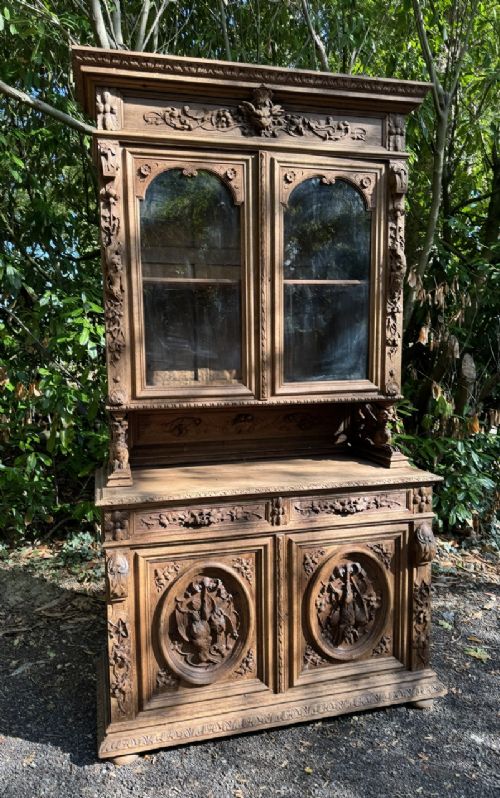
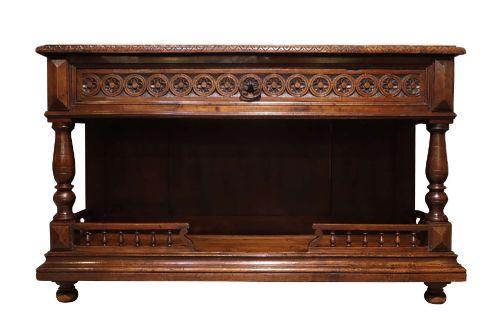
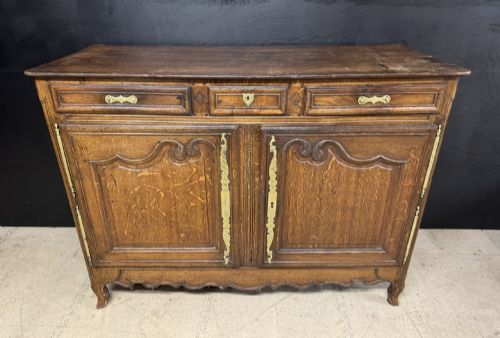
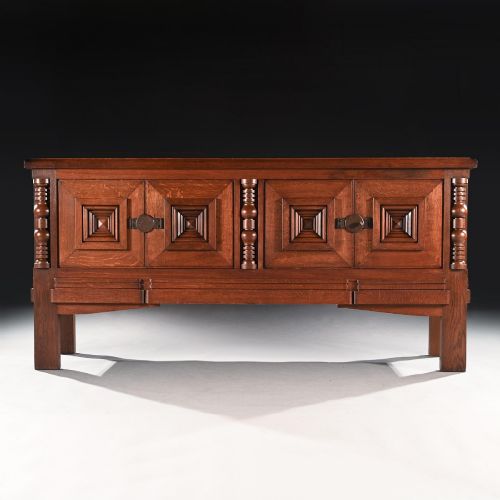
The pieces appearing on this page lean heavily into regional French provincial traditions alongside mid-century interpretations. Examples include Louis XV style buffets, Gothic revival two-door cupboards, and marble-topped sideboards from the early twentieth century.
Makers and workshops utilised solid oak primarily, often pairing it with fruitwood or wrought iron details. Forms vary from simple two-door cupboards and dresser bases to parquetry-topped sideboards and carved art deco washstands.
How they were made
Cabinet makers built these pieces using solid oak, frequently incorporating fruitwood for contrast and walnut for specific accents. Construction methods relied heavily on traditional joinery to handle the weight of dense timbers.
Surface details often include parquetry tops, intricate carving, and applied mouldings that define distinct regional and period styles. Functional elements like brass hardware and wrought iron hinges provide structural support alongside decorative contrast.
Later pieces integrate imported elements such as marble tops, requiring sturdy wooden carcasses to support heavy stone slabs safely. Iron and steel components appear in functional bracing and twentieth-century hardware.
Listings span periods from the mid-eighteenth century to the mid-twentieth century, showcasing solid oak, fruitwood, and marble.
What varies in quality
Quality separates through the purity of the timber selection and the restraint applied to carved decoration. Superior examples display dense, well-figured solid oak grain that has aged evenly over generations.
The sophistication of regional joinery dictates the structural integrity and longevity of each piece. Finer items exhibit precise parquetry work, well-integrated marble tops, and harmonious proportions characteristic of skilled period workshops.
Charles Dudouyt
The Vintage French Oak Credenza Glossary
- Parquetry
- A geometric mosaic of wood pieces used for decorative effect on furniture surfaces. This technique appears frequently on table and sideboard tops.
- Credenza
- A sideboard or buffet cabinet used for storing dining room items and serving food. French variants often feature heavy oak construction and provincial carving.
- Fruitwood
- Timber sourced from fruit-bearing trees such as pear or cherry, used alongside oak for contrast. It provides a finer grain for detailed cabinet work.
- Buffet
- A sideboard or cabinet designed for holding tableware and food, standing lower than a traditional tall cupboard. These pieces often feature multiple doors and drawers.
- Gothic Revival
- An architectural and decorative style drawing inspiration from medieval design. Pieces in this style showcase pointed arches and heavy timber framing.
Vintage French Oak Credenza: Frequently Asked Questions
What is a french oak credenza?
A french oak credenza is a heavy wooden storage cabinet or sideboard originating from France, constructed primarily from solid oak.
These pieces range from eighteenth-century Louis XV buffets to twentieth-century art deco sideboards, serving as both practical storage and decorative furniture.
How do I date a french oak sideboard?
Dating relies on examining construction techniques, hardware, and stylistic indicators such as provincial carvings or art deco geometry.
Periods represented in these pieces span from the mid eighteenth century through the Victorian era and into the mid twentieth century.
Are these credenzas made of solid oak?
The listings on this page feature solid oak as the primary material, frequently accompanied by fruitwood, walnut, and wrought iron elements.
Makers also incorporated marble for heavy stone tops on specific sideboards from the early twentieth century.
How do I maintain an antique oak sideboard?
Maintenance involves keeping the solid oak timber away from direct heat sources and excessive moisture to prevent wood movement.
Regular dusting with a dry cloth preserves the finish, while occasional treatment with suitable wax helps nourish the antique grain.