



Brown Oak Buffet Base
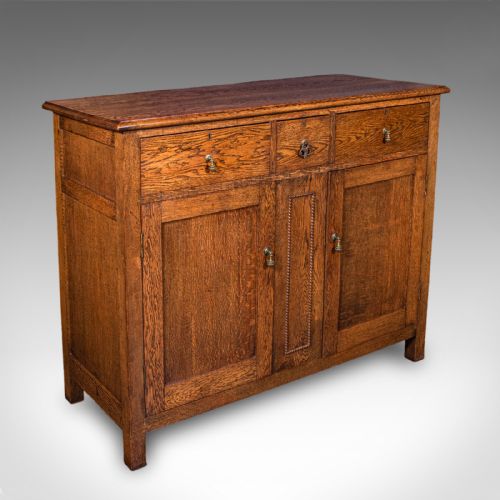
A brown oak buffet base provides a sturdy, practical anchor for a dining room or hallway, combining generous storage with deep historical character.
Brown Oak Buffet Base
A brown oak buffet base functions as a low storage cabinet or serving surface, appearing across styles from the eighteenth century through the Edwardian period and the 1930s. Buyers searching for a brown oak buffet base encounter forms often catalogued as dresser bases, sideboards, or enfilades.
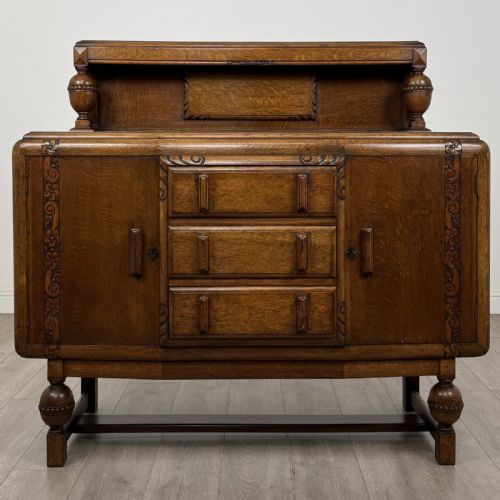
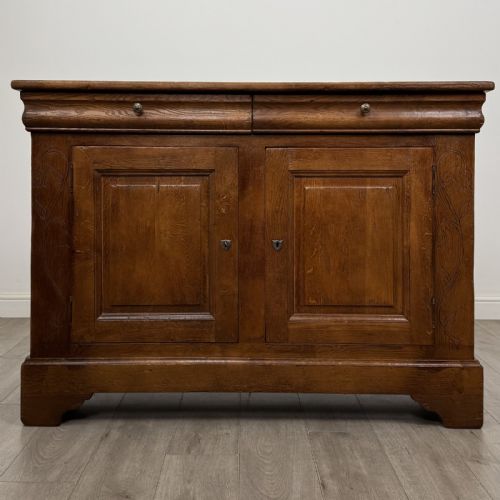
The pieces on this page span several eras including Georgian, Victorian, and Arts and Crafts designs. These items originate from English and French workshops, utilising native timbers like oak, fruitwood, and occasional pollard oak veneers.
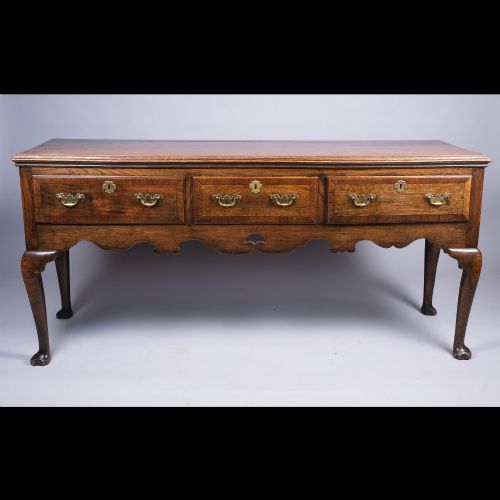
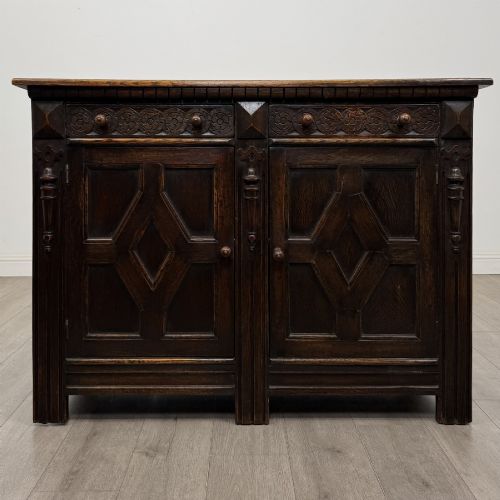
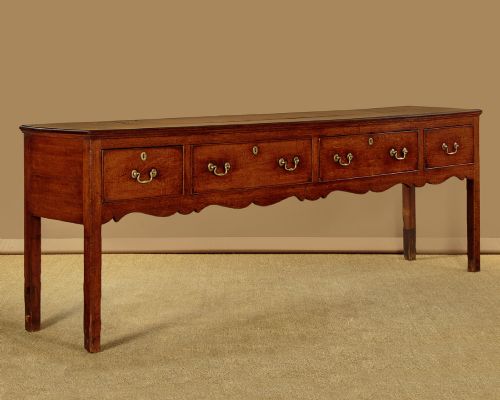
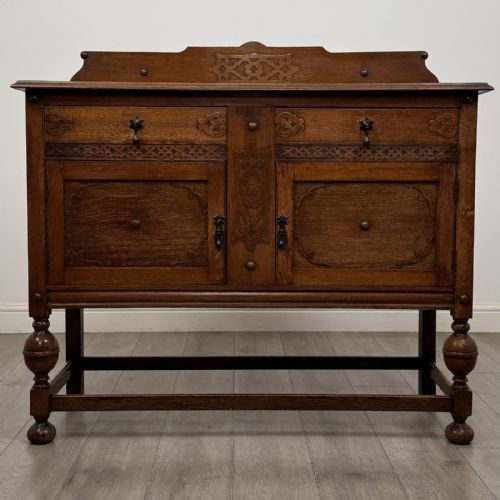
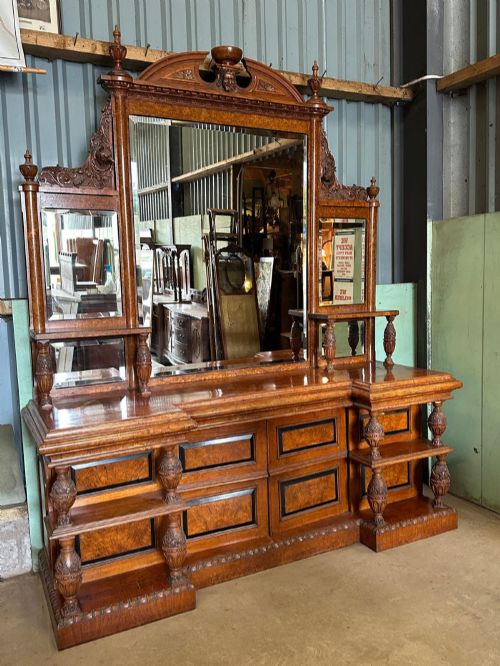
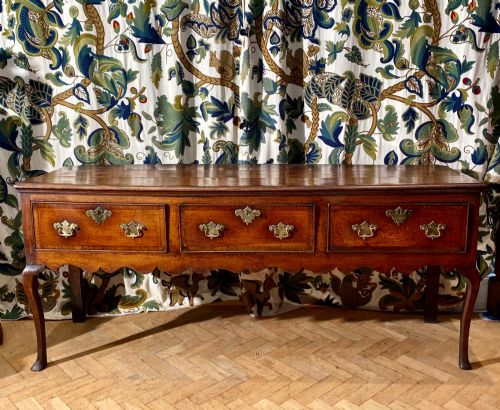
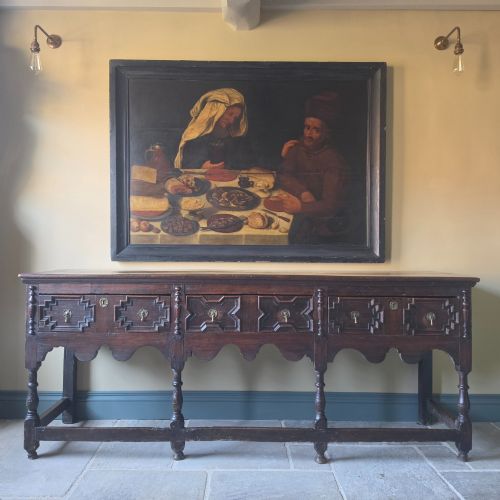
Constructed primarily for domestic utility, these items range from simple three-drawer configurations to carved Jacobean revival examples with barley-twist supports and open pot boards.
Materials and construction
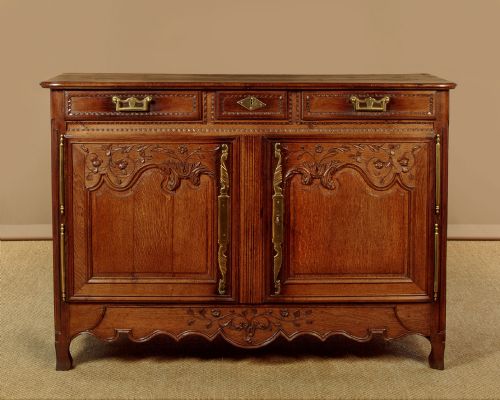
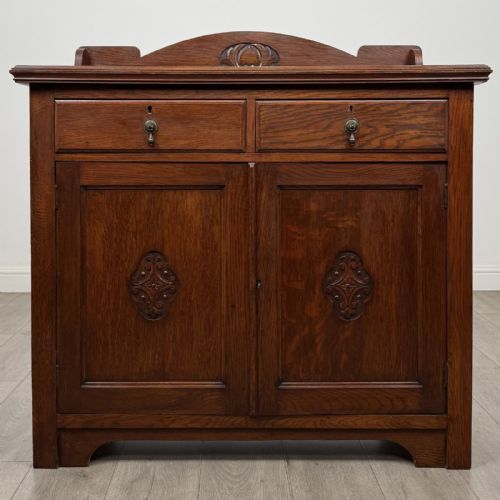
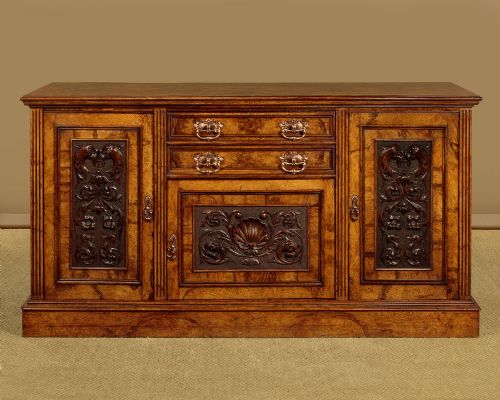
Cabinet makers built these pieces using solid oak, fruitwood, and mahogany timbers, frequently incorporating brass ring pulls, face handles, or copper hardware on drawers and doors. Timber selection dictated the grain pattern, with some examples displaying burr elm marquetry or pollard oak figuring.
Joinery methods relied on traditional pegged mortise and tenon frames for structural integrity, whilst drawer boxes typically employed hand-cut dovetail joints. Surface enrichment included raised moulding, carved Green Man motifs, and panelled doors supported on bracket feet, cabriole legs, or stretcher bases.
Brown Oak Buffet Base Retail Price Guide 2026
Typical asking prices for brown oak buffet base among the pieces listed under this phrase on Sellingantiques today, from the lower quarter to the upper quarter. They describe what is for sale here now, not the wider market.
Keep an eye out for the occasional Green Man carved into the oak, watching over your dining room with leafy enthusiasm.
Distinctions in quality
Quality rests in the selection of the timber and the depth of the carving, where crisply defined mouldings and well-figured grain distinguish superior workshop output. The retention of original brass or copper hardware and undisturbed patination on the oak surfaces indicate careful preservation over centuries.
Structural honesty marks the better examples, seen in sound timber movement accommodation and unaltered pot boards or stretcher bases. Heavy revival pieces from the twentieth century rely on the precision of their turned supports and balanced proportions to separate them from routine production.
The Brown Oak Buffet Base Glossary
- Pot board
- An open lower shelf fitted between the legs of a dresser base. It historically held pots and heavy serving dishes off the floor.
- Enfilade
- A long sideboard or cabinet with a line of multiple doors across the front. This term frequently appears in French cabinet-making traditions.
- Barley-twist
- A decorative turning technique resembling a spiral rope. It appears frequently on the vertical supports of Jacobean revival furniture from the early twentieth century.
- Bracket foot
- A simple foot shape formed by two pieces mitred together beneath the corner of a cabinet. It lifts the base slightly off the floor whilst maintaining a stable profile.
Brown Oak Buffet Base: Frequently Asked Questions
What is a brown oak buffet base used for?
These pieces serve as practical sideboards in dining rooms, offering a flat top surface for serving food and deep drawers or cupboards underneath for tableware.
They also function effectively in hallways or living spaces to provide concealed storage while displaying lamps or decorative objects.
How do I identify a Georgian period piece?
Georgian examples often display restrained lines, cleaner moulding, and functional bracket or cabriole legs without heavy revival carving.
Inspect the drawer construction for hand-cut dovetailing and check the timber for the dry, warm patination characteristic of eighteenth-century oak.
What is the difference between a dresser base and a sideboard?
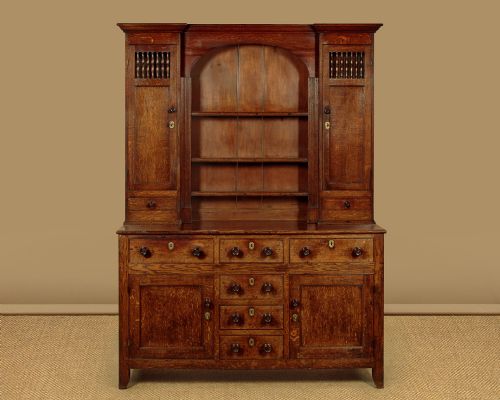
A dresser base originally formed the lower half of a tall plate rack assembly, though many survive independently today without the upper tiers.
Sideboards were generally designed from inception purely as low serving cabinets with integrated drawer and cupboard storage.
How do I care for antique oak furniture?
Keep wooden pieces away from direct heat sources and rapid humidity shifts to prevent timber splitting or joint shrinkage.
Apply a microcrystalline wax polish occasionally to nourish the grain and protect the finish without building up sticky residues.