
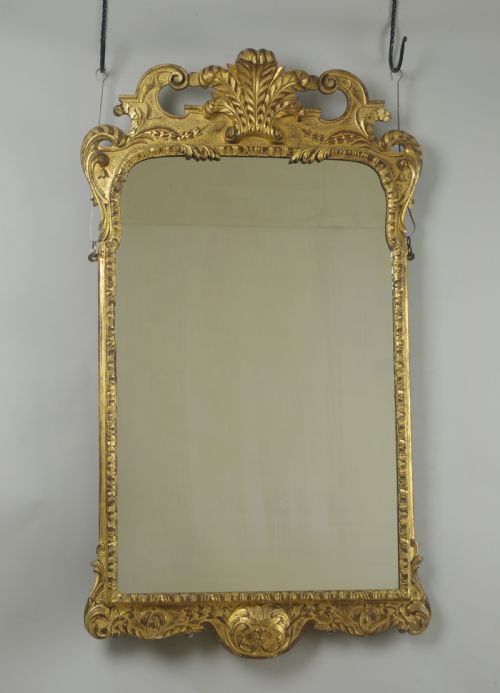
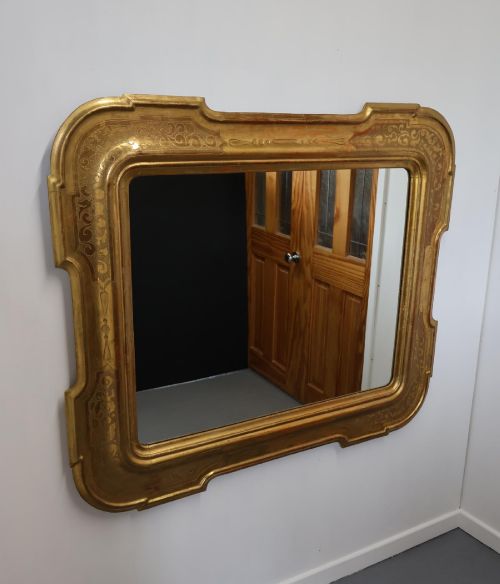
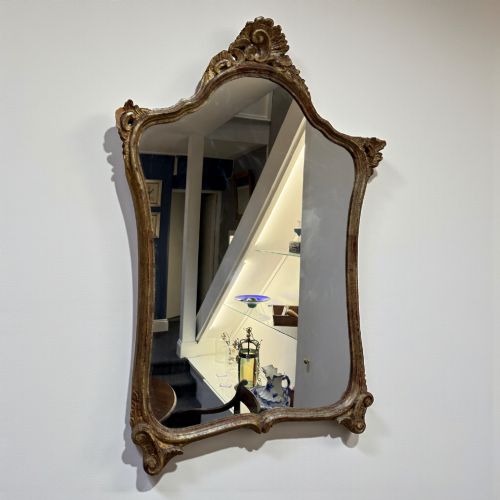
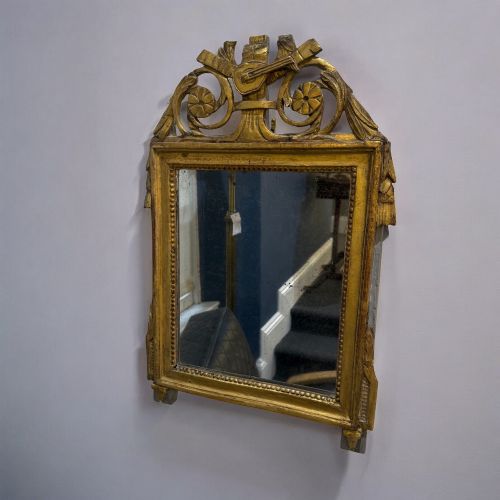

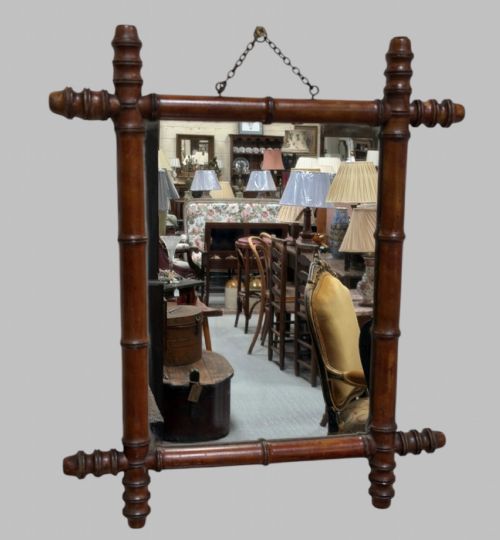
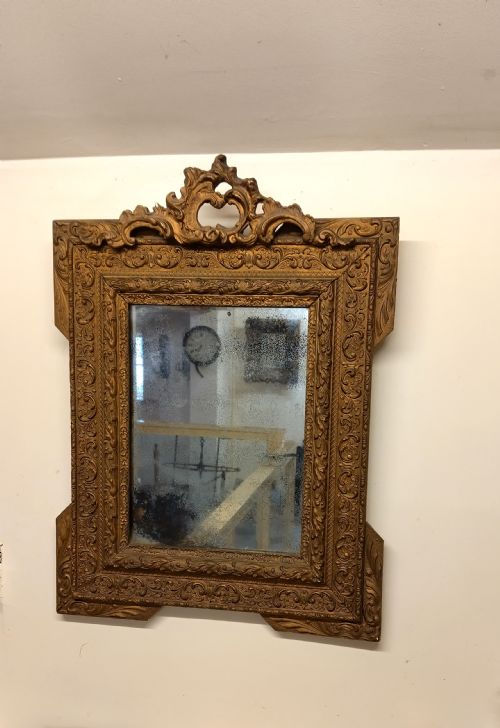
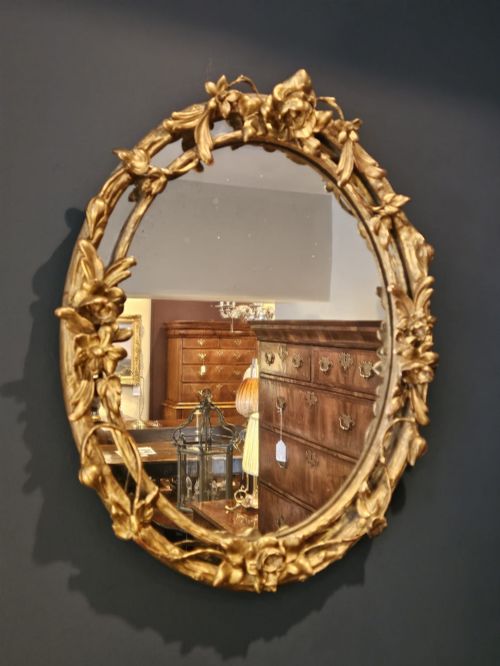
Vintage French Hanging Mirror
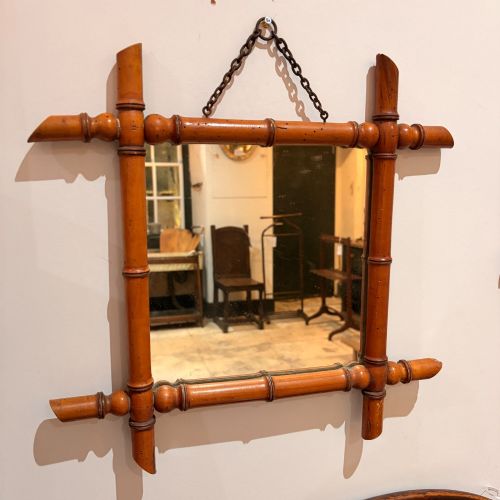
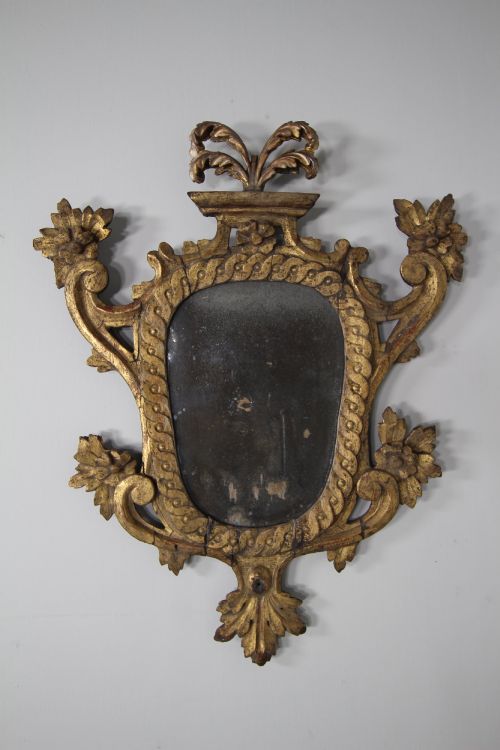
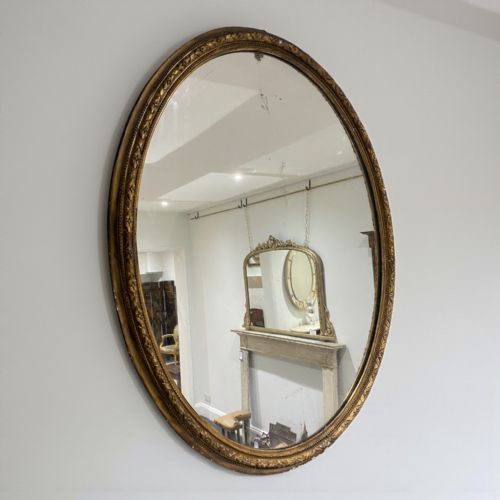
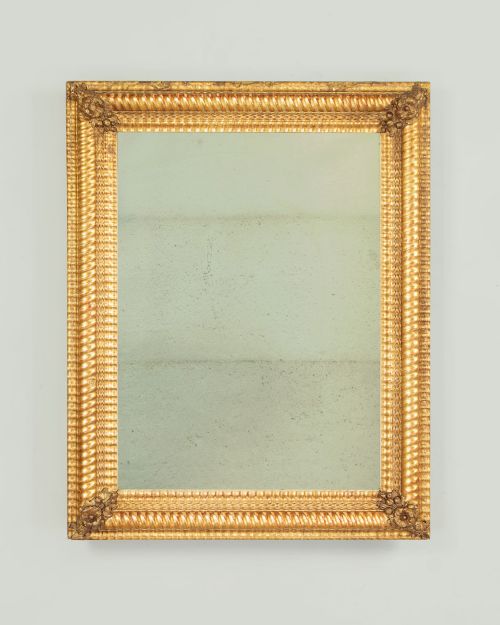
A vintage french hanging mirror brings unmistakable warmth and reflective light to a room through carved detail and gilded surface.
Vintage French Hanging Mirror
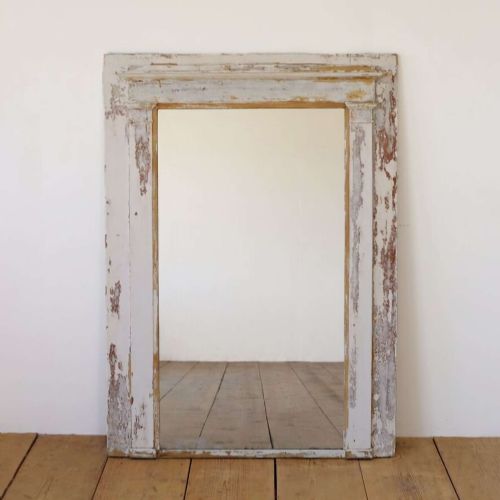
A vintage french hanging mirror is a wall-mounted glass panel framed in timber, brass or gesso, designed to hang securely in domestic interiors. Buyers searching for a vintage french hanging mirror often encounter pieces spanning the eighteenth century through to the early decades of the twentieth century. These objects appear primarily as wall mirrors, wall shelves, and wall cabinets, reflecting continental design traditions.
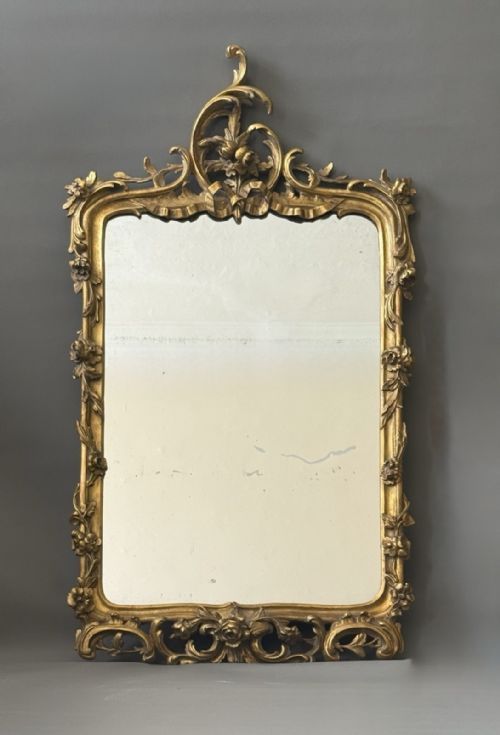
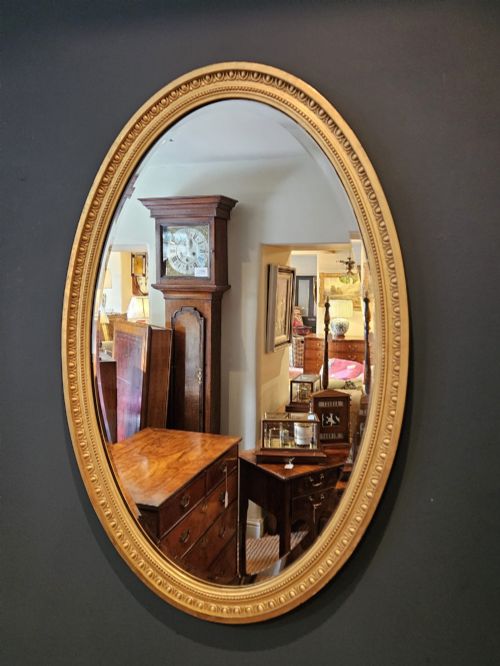
The aesthetic vocabulary encompasses Rococo Revival, French Chateau, and neoclassical styles, which define the ornamental character of the framing. Oak, carved timber, and pressed brass frequently provide the structural foundation for these hanging pieces. Surviving examples demonstrate how continental workshops adapted classical motifs for domestic spaces across successive design periods.
Materials and construction methods
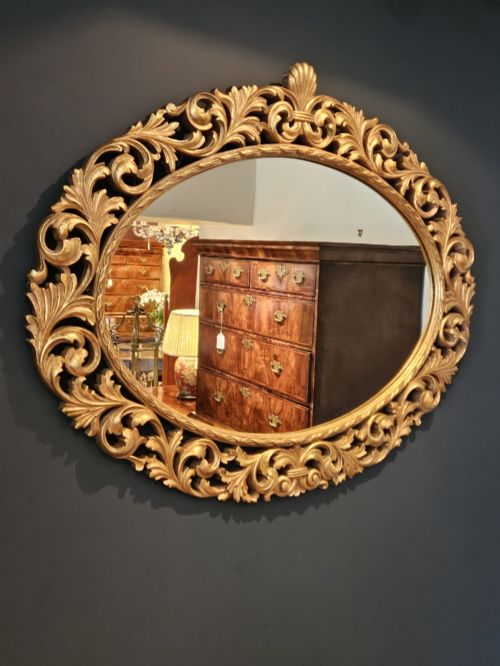
Craftsmen built the structural frames using native hardwoods such as oak, alongside softer timbers shaped by carving or fret-cutting. Giltwood and gesso surfaces were applied to wooden carcases, often finished with gold leaf or paint to achieve a decorative metallic sheen. Pressed brass and bronze details provided alternative metallic framing options, particularly in later continental designs.
Mirror plates ranged from original mercury glass in eighteenth-century examples to later antique plate glass inserted during subsequent restorations. Artisans joined corners and decorative crestings using traditional woodworking techniques suited to each specific period style.
Materials recorded across these listings include oak, brass, giltwood, gesso, and composition, spanning the eighteenth to the twentieth centuries.
Judging quality and craftsmanship
Quality rests upon the crispness of the hand-carved detail in the timber or gesso, where deeper undercut foliage and scrolls indicate superior handwork. The integrity of the original gilding and the preservation of antique mirror plates contribute significantly to the character and desirability of each piece. Superior examples maintain balanced proportions between the frame and the reflective glass.
The execution of joinery and the retention of period hardware determine the structural soundness of the hanging mechanism. Pieces that display confident, fluid asymmetry in their Rococo Revival motifs generally represent higher standards of period craftsmanship.
The Vintage French Hanging Mirror Glossary
- Giltwood
- Timber coated with gold leaf over a prepared base. This finish provides the characteristic metallic brilliance seen on formal antique frames.
- Gesso
- A plaster mixture applied to wood frames to create a smooth surface for carving and gilding. Artisans shaped intricate relief ornaments into this material.
- Mercury plate
- An early mirror glass produced using a tin and mercury amalgam. This technique creates a characteristic mottled reflective surface.
- Rococo Revival
- A nineteenth-century design movement resurrecting eighteenth-century asymmetrical scrollwork and naturalistic motifs. It dominates the ornamentation of continental wall mirrors.
- Étagère
- A set of open shelves attached to a wall or mirror frame. These combined pieces served to display small decorative objects.
Vintage French Hanging Mirror: Frequently Asked Questions
How do I hang a heavy antique mirror safely?
Ensure the wall fixing engages directly with structural timber studs or masonry using appropriate weight-rated hardware. Professional picture hangers should assess the framing and original D-rings before installation.
Distribute the weight evenly across two sturdy hanging points rather than relying on a single central wire. Check that the frame timber remains solid enough to support the tension of the hanging cord.
Are original mirror plates common on these pieces?
Original mercury plates survive in eighteenth-century examples, identifiable by their characteristic soft, mottled reflection and darker foxed spots. Many nineteenth-century and later mirrors retain antique replacement plates fitted during their working life.
The presence of original glass enhances historical interest, though replacement plates often provide a clearer reflection for daily domestic use.
How do I clean an antique gilt frame?
Dust the carved surfaces gently with a soft, dry artist brush to remove accumulated particles without disturbing fragile gesso or leaf. Avoid all liquid cleaners, commercial polishes, and moisture, which damage historic gilding permanently.
Professional conservators should handle any extensive cleaning or consolidation of flaking gesso and decorative elements.
What defines the French Rococo style?
French Rococo design relies on asymmetrical C-scrolls, floral garlands, and naturalistic plant forms rather than rigid symmetry. Frames from this tradition feature flowing organic lines and ornamental crests depicting shells or foliage.
Revival periods in the nineteenth century reinterpreted these eighteenth-century motifs with heavier timber bases and robust gesso mouldings.