
Vintage French Glass
Vintage french glass pieces bring tactile weight and historic illumination into a room, spanning delicate pendants, heavy crystal lighting, and decorative table ware.
Vintage French Glass
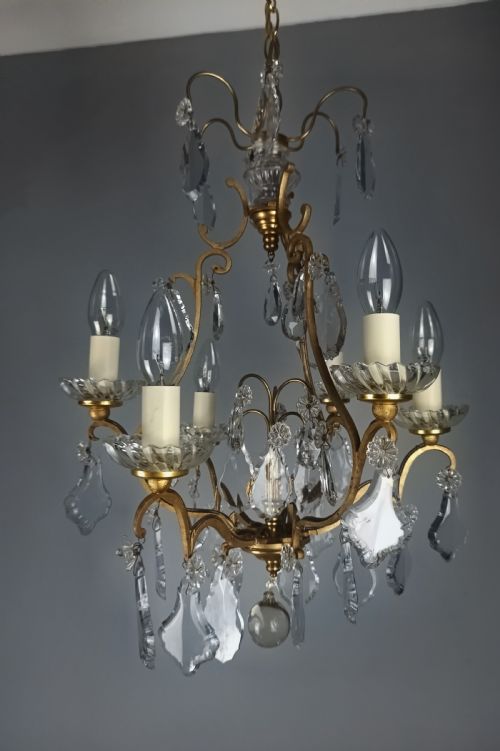
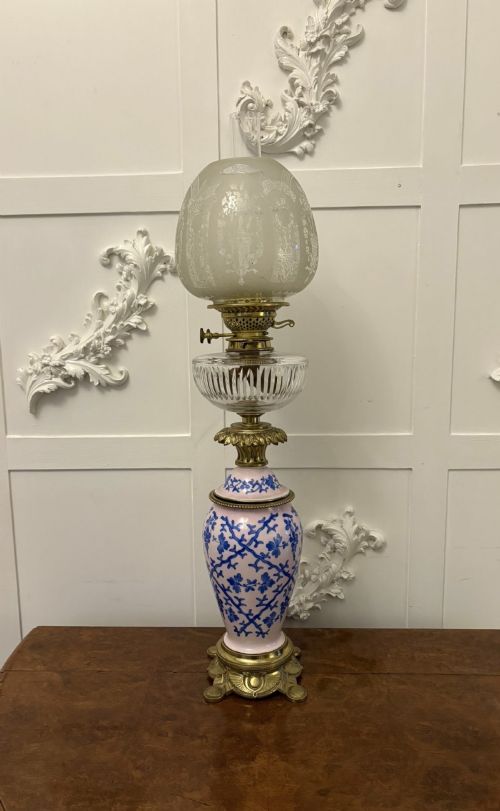
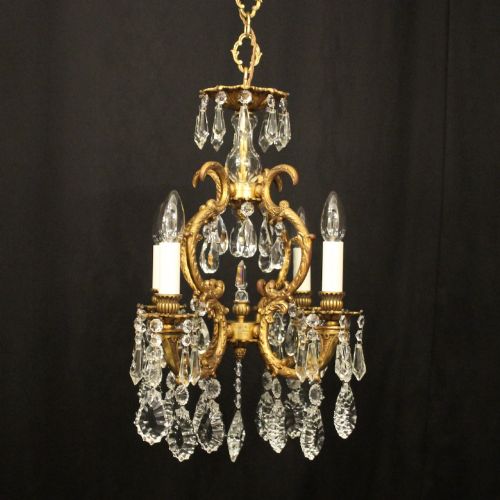
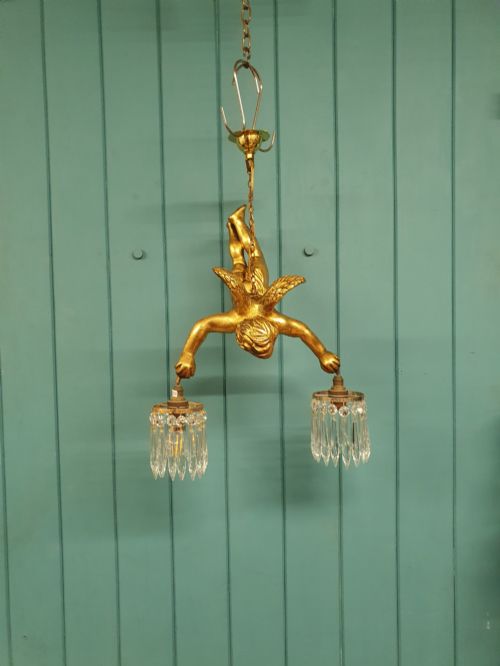
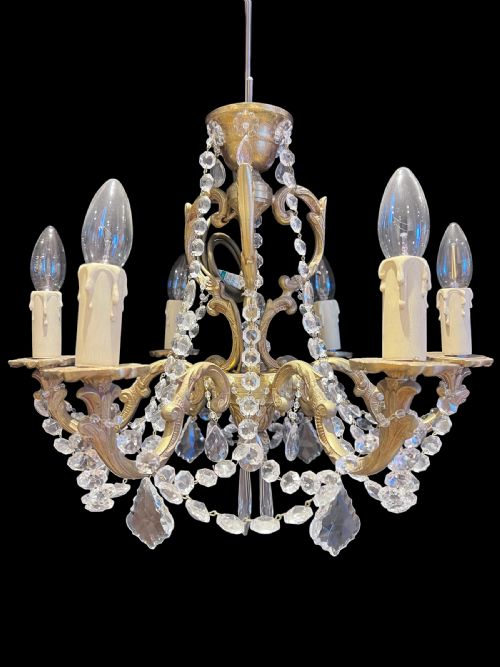
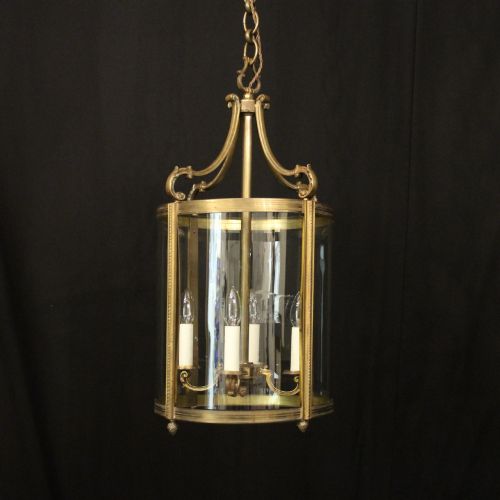
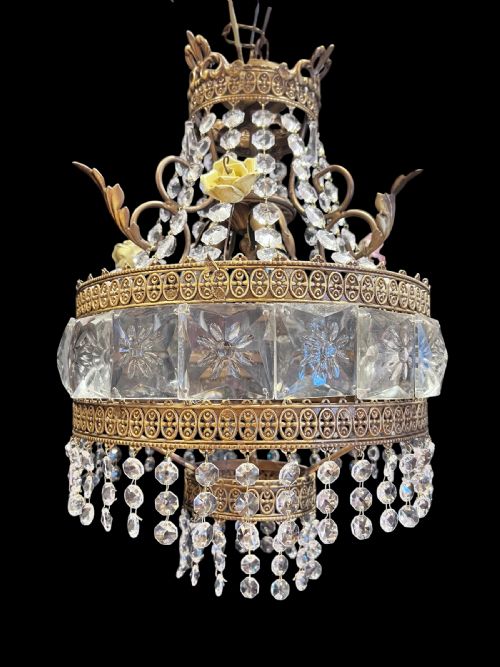
When you search for vintage french glass, you encounter a varied selection of items ranging from early twentieth century lighting fixtures to mid century decorative accessories. The pieces on this page lean heavily towards functional decorative objects, including chandeliers, wall lights, and pendant lamps alongside smaller items like wine glasses and opaline shades.
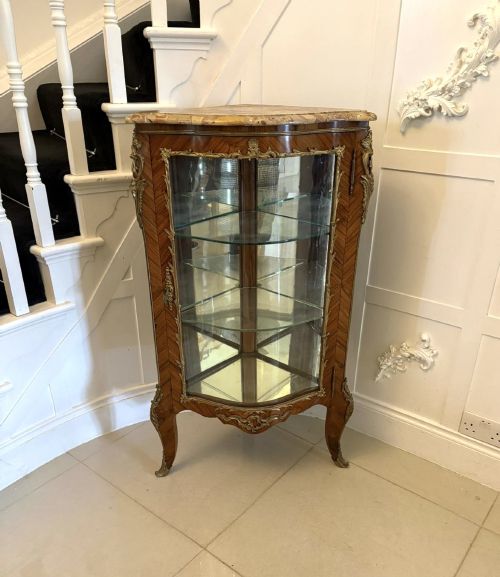
The material appears across multiple forms, combining transparent glass with brass frames, crystal drops, and gilt bronze mountings. Many examples date from the nineteen twenties and nineteen thirties, reflecting the design shifts of the period alongside nineteenth century survivals.
How they were made
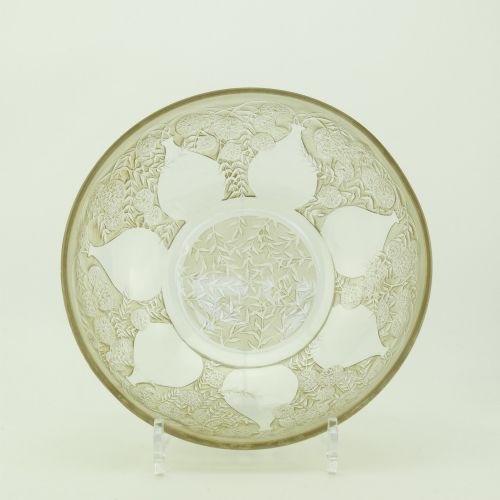
Glass production relied on traditional blowing and pressing methods, often incorporating hand cutting or moulding to achieve specific decorative profiles. Manufacturers paired clear crystal and opaque opaline glass with metal components such as brass, gilt bronze, and ormolu.
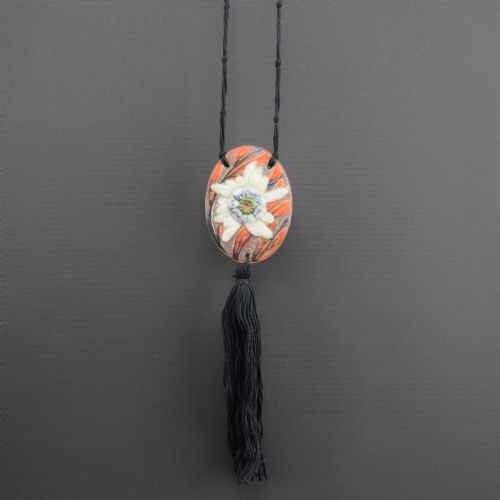
Specialised techniques like pate de verre surface in specific pendants, while mounting hardware involved metal casting and assembly to support heavy crystal drops and lustres.
Listings feature items spanning the eighteenth century through the nineteen sixties, incorporating materials like glass, crystal, brass, and gilt bronze.
What varies in quality
Quality depends upon the clarity of the glass material and the precision of any hand cutting or moulding present on the surface. Heavier metal mounts in brass or gilt bronze indicate higher grade manufacturing standards compared to lighter alternative alloys.
The integrity of integrated crystal drops, lustres, and original electrical or hanging hardware distinguishes superior items from simpler utilitarian equivalents.
Argy Rousseau·Rene Lalique·Hermes Paris
The Vintage French Glass Glossary
- Opaline glass
- A dense, translucent white glass frequently used for decorative lampshades and vases during the nineteenth and early twentieth centuries. It diffuses light softly through its milky body.
- Pate de verre
- A glass casting method where powdered glass is packed into a mould and fused in a kiln. This technique creates a distinct textured, mottled appearance with rich colour depth.
- Lustre
- A cut crystal pendant or drop suspended from a chandelier or wall light to refract illumination. These pieces hang in multiples to catch and multiply ambient light.
- Ormolu
- Gilded bronze mounts applied to furniture, clocks, and glass objects to add decorative metallic detail. The finish provides a rich gold appearance over a bronze base.
Vintage French Glass: Frequently Asked Questions
How do I clean vintage french glass lighting?
Remove delicate crystal drops and glass shades before washing them in lukewarm water with a mild detergent. Dry each component thoroughly with a soft cloth to prevent water spots.
Wipe metal frames gently using a dry cloth to avoid disturbing patinated brass or gilt surfaces.
Are these glass items suitable for modern wiring?
Many vintage chandeliers and pendant lights require rewiring to meet contemporary safety standards before installation. A qualified electrician can adapt old fittings for modern ceiling boxes.
Retain original mounting loops and structural chains while updating the internal electrical components.
How can I tell opaline glass from regular milk glass?
Opaline glass typically displays a finer density and a subtle fire when held up to a strong light source, often showing blue or pinkish tones. Milk glass tends to be opaque white throughout without this internal colour play.
French examples from the nineteenth and early twentieth centuries frequently feature polished pontil marks on the base.
Where should I hang a french glass chandelier?
These fixtures suit rooms with high ceilings where the full drop of the crystal lustres and metal frame can hang safely. Dining rooms and entryways provide traditional settings that showcase the reflective qualities of the glass.
Ensure the ceiling structure can support the combined weight of the glass, brass, and bronze components.