
Vintage French Fauteuils
Vintage french fauteuils bring centuries of continental seating traditions into modern rooms through carved frames and upholstered open arms.
Vintage French Fauteuils
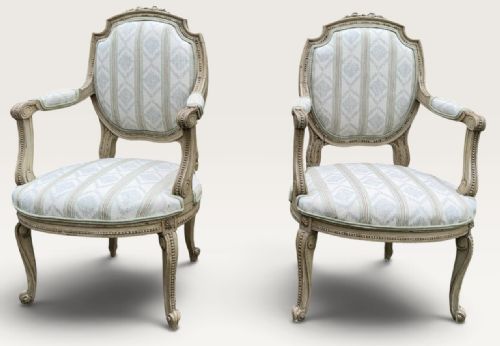
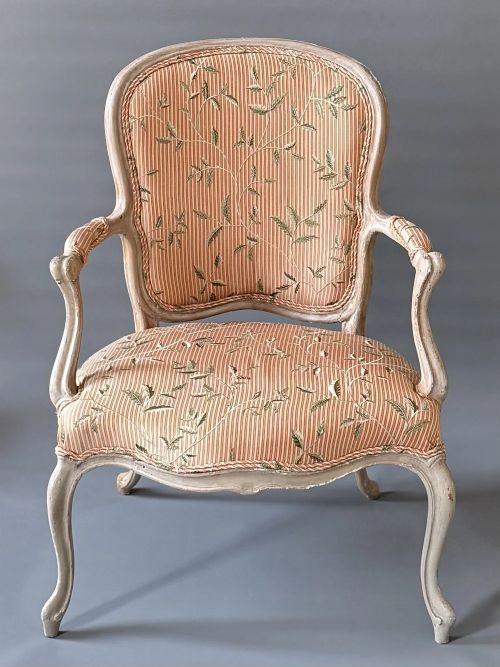
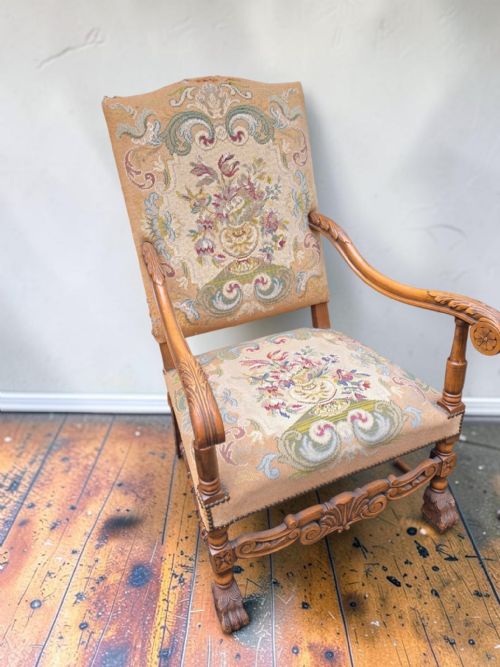
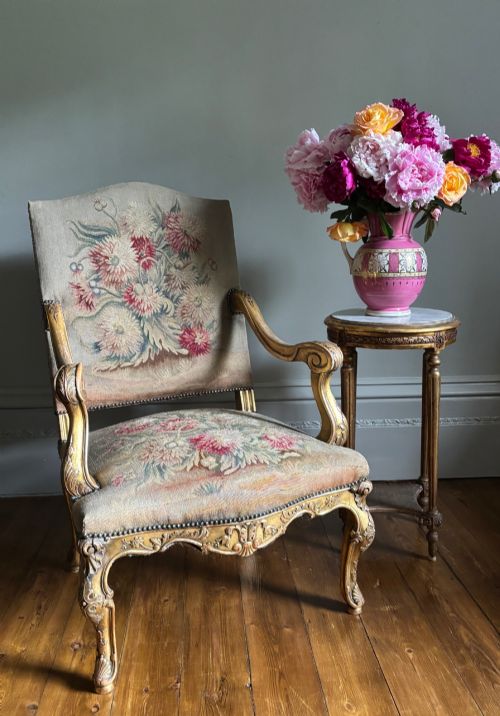
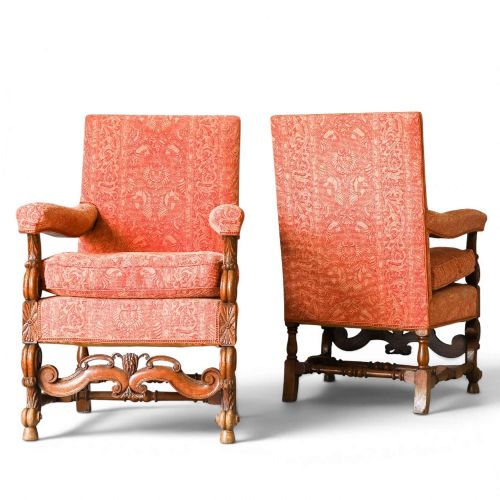
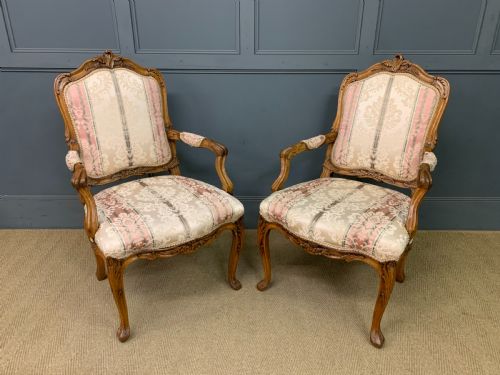
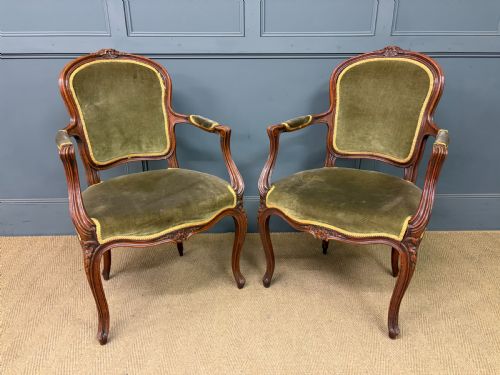
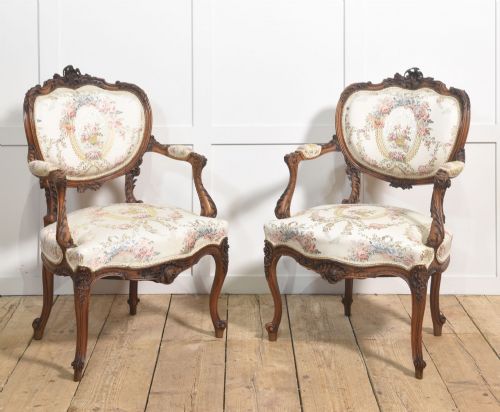
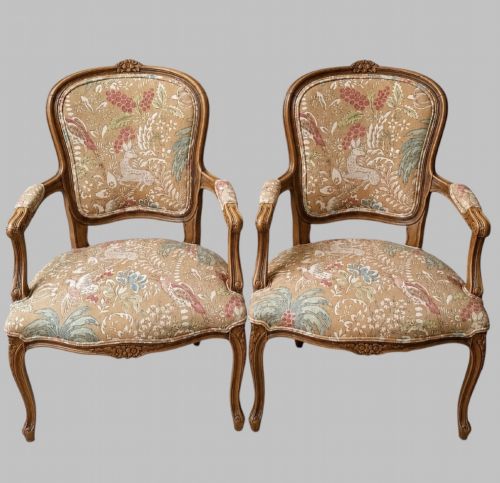
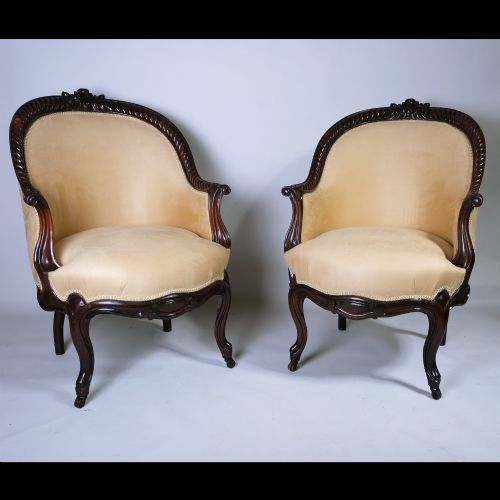
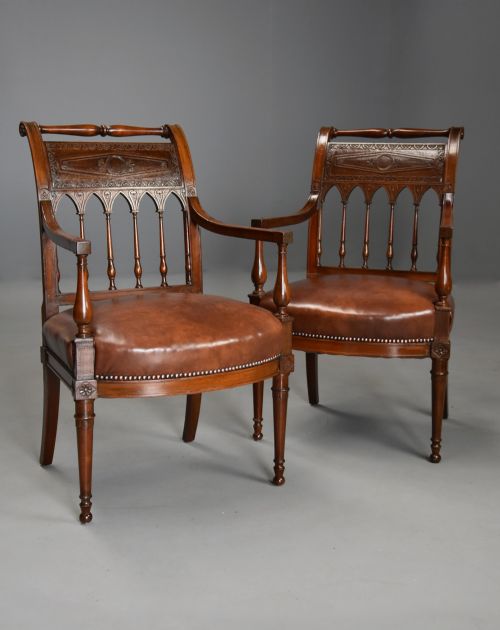
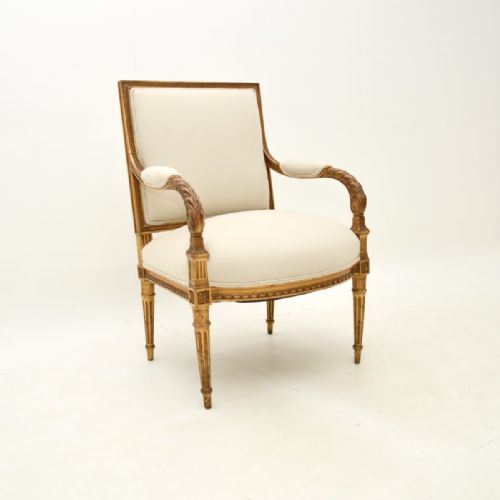
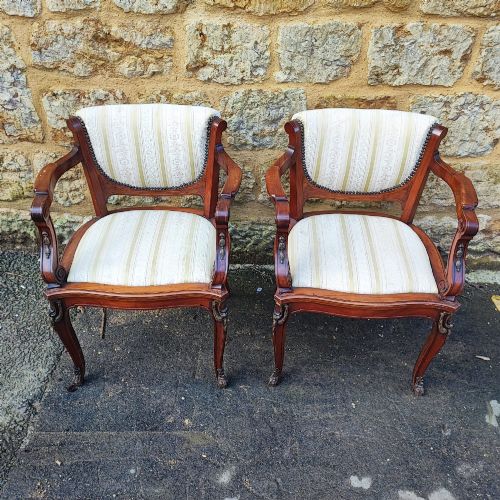
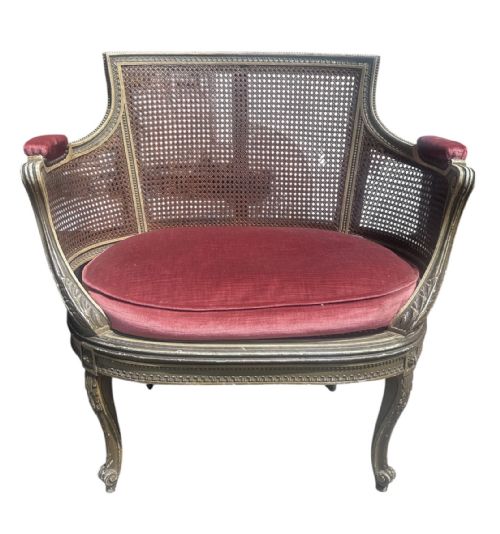
Vintage french fauteuils are upholstered open-arm chairs originating from various historical periods, typically designed for salon and drawing room use. These seats range from grand giltwood creations to simpler painted or polished wooden frameworks.
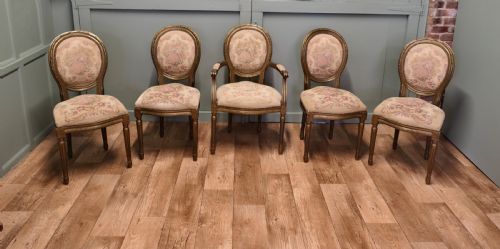
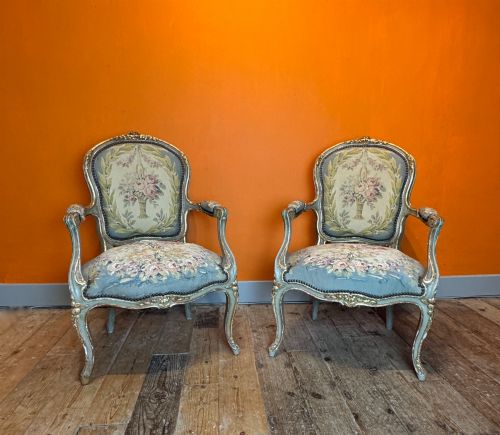
Buyers encountering this phrase most frequently find examples styled in the taste of Louis XV or Louis XVI, alongside later revival pieces. The selection extends from single armchairs to pairs and small matched suites featuring original textile covers.
Origins stretch across the eighteenth, nineteenth, and early twentieth centuries, reflecting changing decorative tastes in France. Common formats include low salon seats, library armchairs, and occasional settees sharing similar carved structural traits.
How they were made
Frames are shaped from solid hardwoods such as walnut, beech, oak, and mahogany, frequently enhanced with applied paint, parcel gilding, or bronze mounts. Woodcarvers worked the structural elements by hand to achieve traditional curves, fluted legs, and floral motifs.
Upholstery relies on traditional textiles including tapestry, needlepoint, velvet, and patterned fabrics fastened over supportive stuffing. Brass tacks and decorative trims often secure the outer edges of the covering material to the wooden framework.
Vintage French Fauteuils Retail Price Guide 2026
Typical asking prices for vintage french fauteuils among the pieces listed under this phrase on Sellingantiques today, from the lower quarter to the upper quarter. They describe what is for sale here now, not the wider market.
What varies in quality
The distinction between standard and superior pieces rests largely in the crispness and depth of the timber carving. Master carvers produced intricate foliage and flowing lines that retain sharp relief, whereas lesser examples show softer, shallower detail.
Material selection also dictates overall merit, distinguishing solid giltwood or figured walnut frames from basic painted pine or beech alternatives. Cohesion between the period style, the originality of the upholstery, and the integrity of the joinery determines the standing of each armchair.
The Vintage French Fauteuils Glossary
- Fauteuil
- An open-framed armchair with upholstered back and armrests, originating in France. These seats typically feature exposed wooden framing around the padded sections.
- Giltwood
- Wood coated with thin gold leaf or gilt powder over a prepared gesso ground. This finish appears frequently on formal reception chairs.
- Tapisserie
- Woven textile used for upholstery, often depicting pictorial scenes or floral patterns. Period needlework panels provide authentic texture to antique seating.
- Cabriole leg
- S-shaped furniture leg curving outward at the knee and inward at the ankle, common in revival designs. This form derives from classical furniture traditions.
- Parcel gilt
- Partially gilded woodwork where gold leaf highlights specific carved details against a painted or polished ground. It creates contrast on decorative chair frames.
Vintage French Fauteuils: Frequently Asked Questions
How do I identify a true period fauteuil?
Examine the construction methods visible beneath the frame and the tool marks left by early woodworkers. Hand-cut joints and aged timber patination indicate genuine age.
Compare the decorative carving style against established historical design phases such as Louis XV or Louis XVI. Authentic pieces display proportions and motifs consistent with their claimed era rather than modern replication.
Are these chairs suitable for daily seating?
Most antique open armchairs function well for everyday use provided the internal webbing and padding remain secure. Selecting sturdy hardwood frames ensures structural reliability under regular sitting.
Consider the seat height and depth relative to modern furniture standards for comfort. Many buyers add subtle support cushions without altering the historic upholstery.
Can I mix different wood finishes together?
Combining giltwood, painted, and polished walnut chairs within one room creates a collected interior aesthetic. Matching the overarching decorative style rather than the exact timber tone helps unify disparate pieces.
Positioning contrasting armchairs opposite a sofa balances the visual weight across the space. The shared French provenance acts as a natural link between varied finishes.
How should I clean antique upholstery?
Gentle surface dusting with a soft brush preserves delicate needlepoint and tapestry fibres over time. Avoid harsh liquid cleaners that might damage aged textile dyes and threads.
Professional textile conservationists should handle deeper cleaning requirements for fragile historic fabrics. Regular rotation away from direct sunlight protects the materials from fading.