





Vintage French Dining Seats
When you search for vintage french dining seats, you find chairs and benches spanning the nineteenth and twentieth centuries.
Vintage French Dining Seats
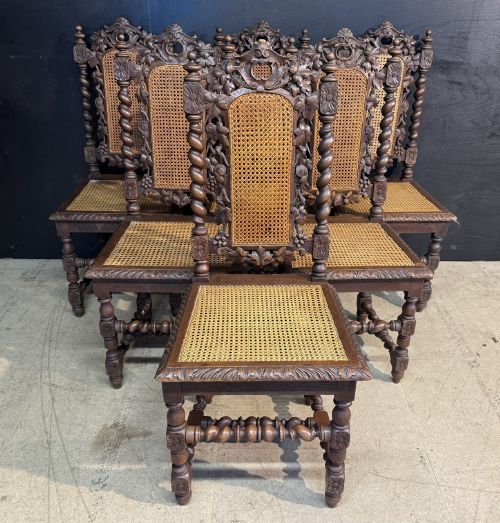
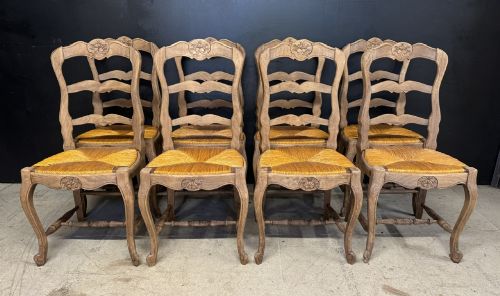
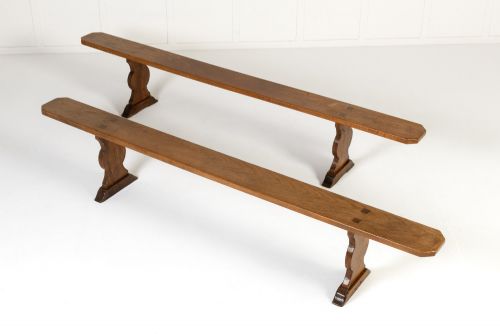
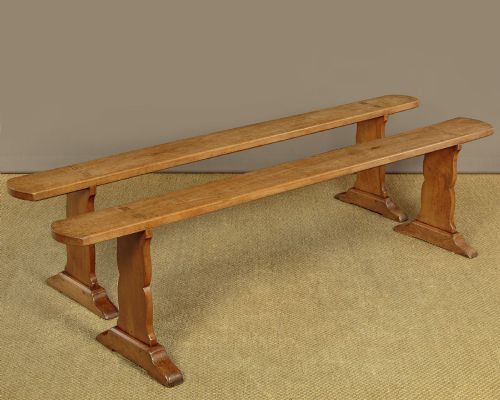
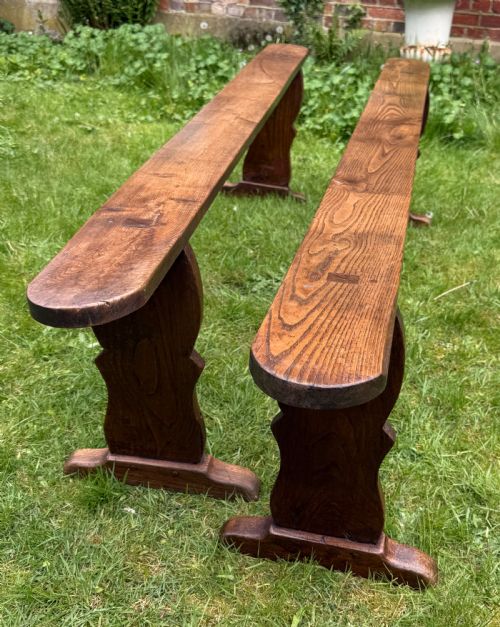
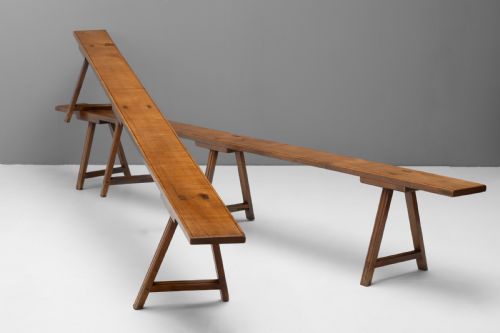
Vintage French dining seats encompass a diverse group of functional furniture designed for dining spaces, drawing upon regional traditions and classical revivals. When buyers search for vintage french dining seats, they encounter forms ranging from rustic rush-seat ladder backs to formal Louis XV style chairs and long timber benches.
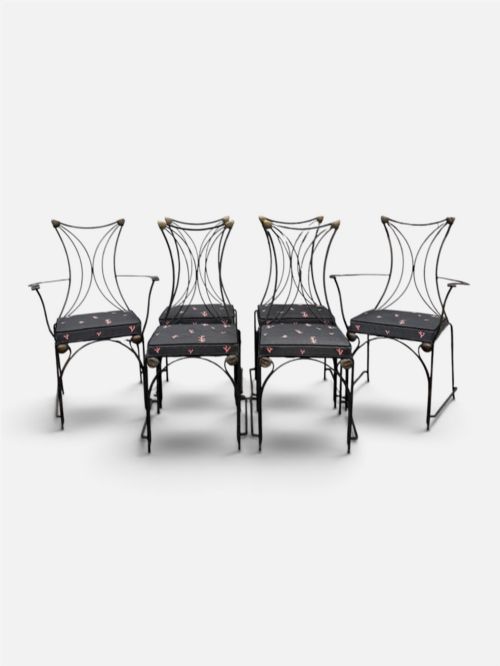
The selection includes matched sets suitable for a main dining table alongside smaller pairs of side chairs and armchairs. Common configurations feature oak, walnut, fruitwood, and painted finishes originating from French provincial workshops and urban bistros alike.
Materials and Construction
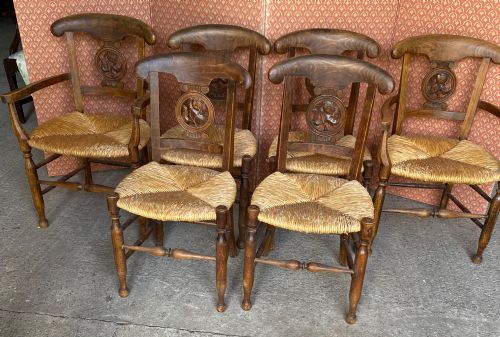
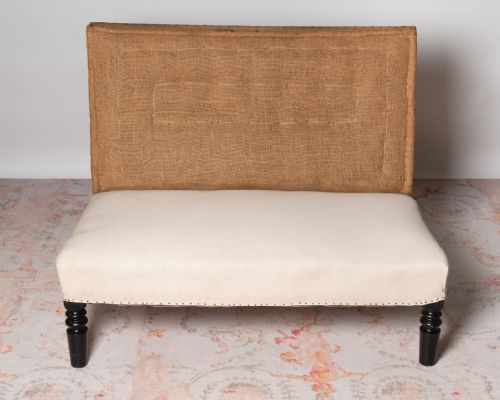
Carpenters utilised native timbers such as oak, cherry, walnut, elm, and fruitwood to build the frames, joining structural elements with traditional methods. Many provincial examples incorporate woven rush seats, while others rely on timber boards or upholstered pads covered in leather, velvet, or fabric.
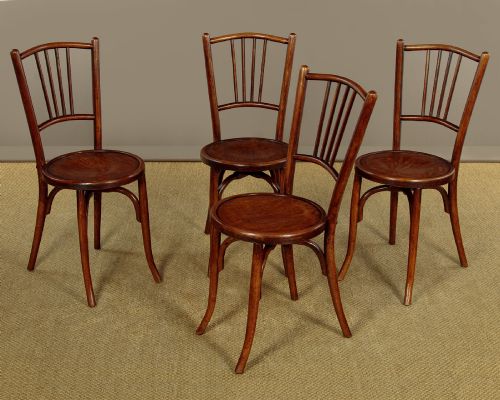
Decorative detailing ranges from hand-carved floral motifs and hoof feet to bentwood framing and painted finishes. Artisans applied parquetry, ormolu mounts, and brass shell details to more formal pieces originating from urban centres.
Vintage French Dining Seats Retail Price Guide 2026
Typical asking prices for vintage french dining seats among the pieces listed under this phrase on Sellingantiques today, from the lower quarter to the upper quarter. They describe what is for sale here now, not the wider market.
Listings feature dining seats spanning the nineteenth century through to the 1950s, constructed in oak, walnut, fruitwood, and bentwood.
Distinctions in Quality
Quality rests on the integrity of the timber frame, the precision of hand-carved details, and the survival of original surface finishes. Pieces retaining untouched painted patinas or tightly woven rush display greater craftsmanship than later utilitarian replacements.
The consistency of a matched set and the structural rigidity of joints determine the standing of individual dining seats. Finer examples exhibit considered proportions and refined carving rather than hasty mass production.
Codina·Louis Majorelle
The Vintage French Dining Seats Glossary
- Rush seat
- A seating surface woven from dried marsh grasses. This traditional material appears frequently on provincial ladder back chairs.
- Ladder back
- A chair back featuring multiple horizontal wooden slats between the upright posts. This regional form provides sturdy support for daily dining.
- Parquetry
- Geometric patterns formed from inlaid wood veneers. This decorative technique adorns formal nineteenth-century table tops and chair elements.
- Bentwood
- Wood softened by steam and bent into curved structural shapes. This technique defines bistro seating from the early twentieth century.
- Ormolu
- Gilded bronze mounts applied as decorative ornaments on furniture. These gilt details characterise formal French pieces from the nineteenth century.
Vintage French Dining Seats: Frequently Asked Questions
How do I clean rush seats?
Gently brush away dust using a soft bristle attachment on a vacuum cleaner.
Avoid excessive moisture, which can cause dried marsh grasses to weaken and snap over time.
Are these seats comfortable for daily use?
Many provincial and bistro designs provide upright support suitable for long meals.
Upholstered versions and armchairs offer softer padding, depending on the specific period construction.
How do I identify Louis XV style chairs?
Look for characteristic cabriole legs, asymmetric scrollwork, and curved structural lines.
Carved floral motifs often accent the crest rail and seat apron on these revived forms.
Can I mix benches with dining chairs?
Long timber benches and hall benches pair naturally with farmhouse tables to create flexible seating.
This arrangement mirrors traditional country dining layouts found across French provincial interiors.