

Vintage French Dining Chairs
These vintage french dining chairs bring provincial charm and classic seating styles into the modern home.
Vintage French Dining Chairs
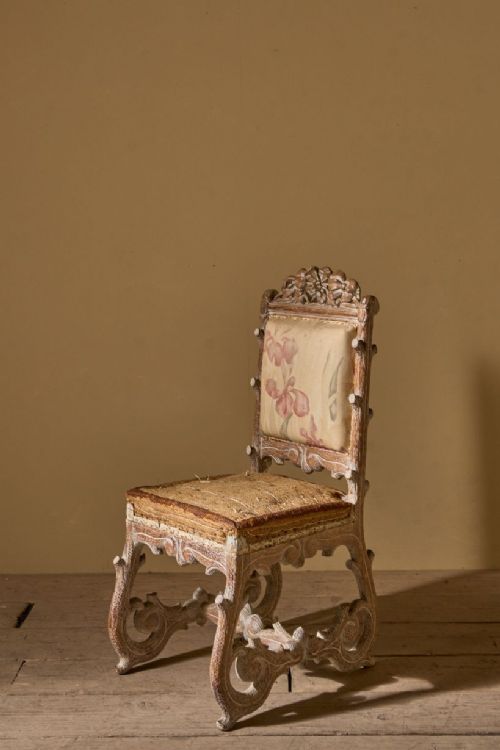
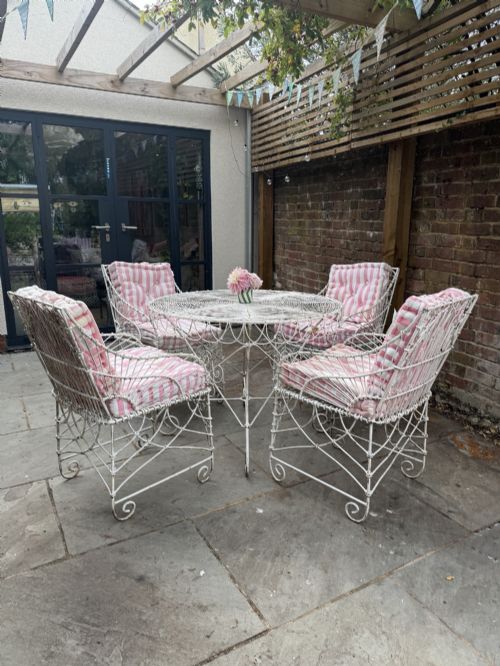
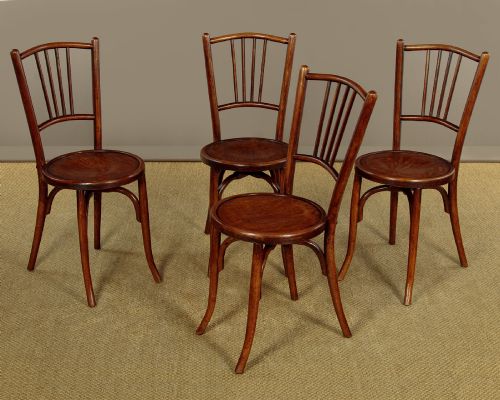
Vintage french dining chairs encompass a variety of seating forms designed for the dining table, drawing heavily on regional and historical aesthetics. When searching for vintage french dining chairs, buyers encounter pieces ranging from rustic ladder-back forms to formal carved styles.
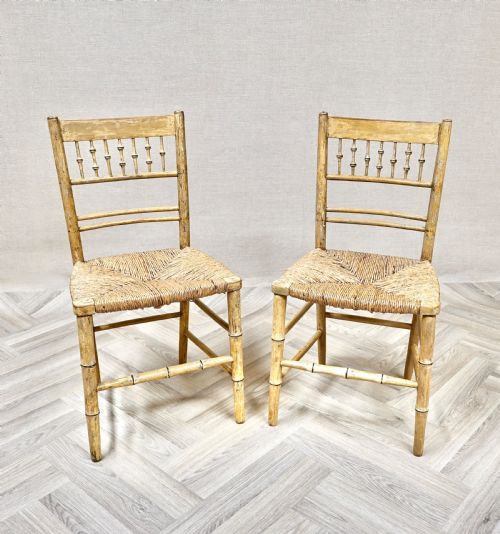
The selection frequently includes side chairs and armchairs spanning multiple decades of European craftsmanship. Pieces often display regional characteristics such as rush seats, painted finishes, and curved legs.
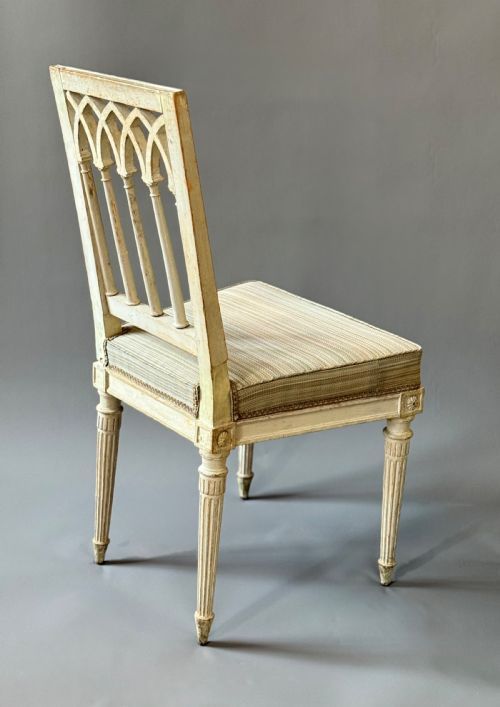
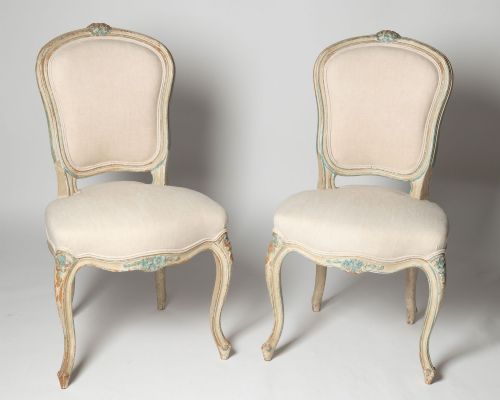
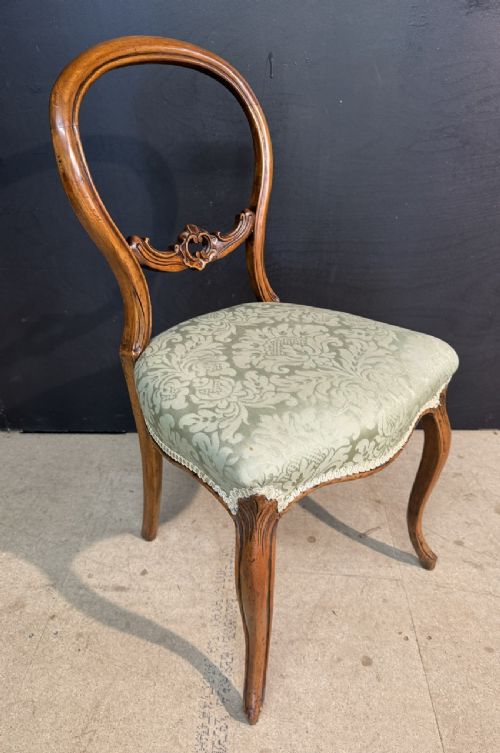
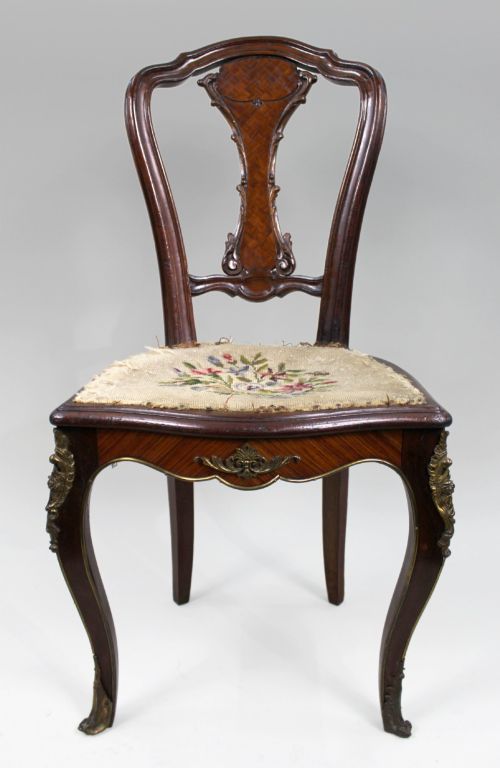
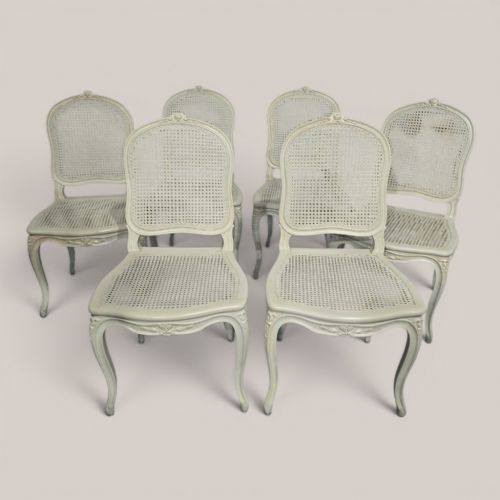
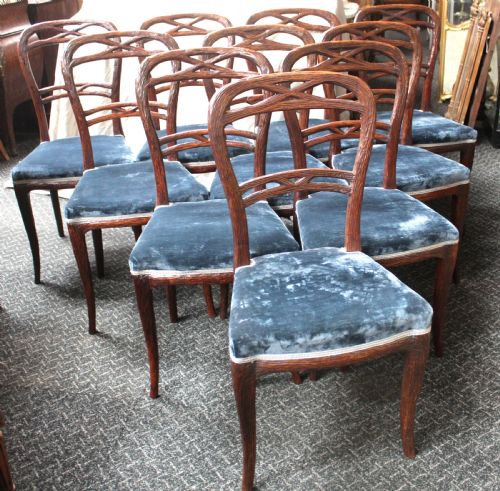
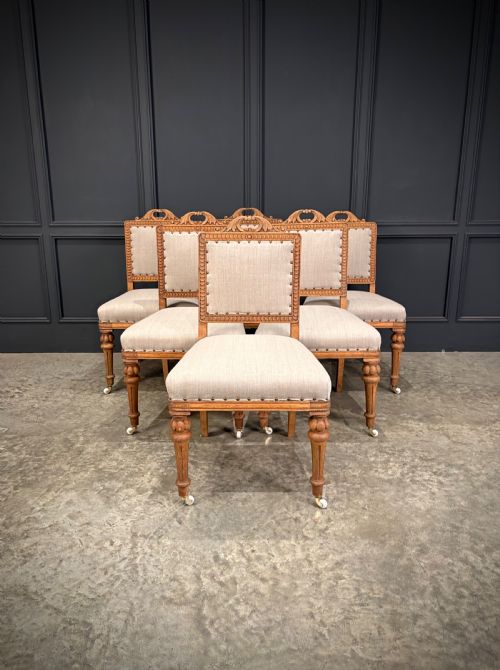
Examples on this page draw from distinct design traditions including Louis XV, Louis XVI, and French Provincial styles. These chairs range from single accent pieces to extensive matching dining sets.
Materials and construction methods
Traditional woodworking forms rely on regional timbers such as oak, walnut, fruitwood, and beech. Artisans shaped these woods using structural techniques like mortise and tenon joints to ensure lasting stability.
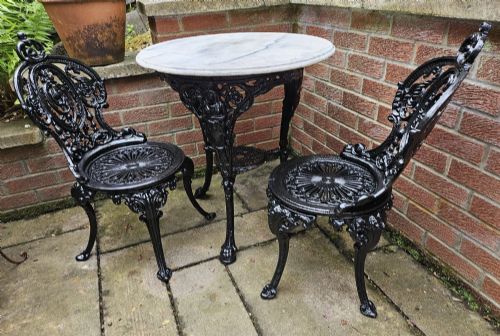
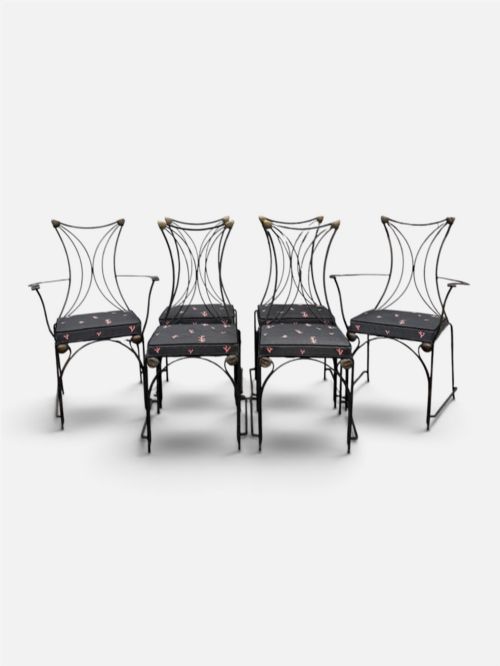
Surface treatments vary widely, incorporating painted wood, gilt finishes, and natural polish. Metal elements such as brass mounts, iron supports, and ormolu details appear alongside woven rush seating and upholstered leather.
Listings feature seating constructed from oak, walnut, fruitwood, rush, fabric, and painted wood across the nineteenth and twentieth centuries.
Assessing quality and craftsmanship
The standard of carving and surface finishing dictates the distinction between standard production and superior craftsmanship. Fine examples exhibit crisp hand-carved details, balanced proportions, and well-preserved original paint or gilt.
Structural integrity and the retention of original elements, such as hand-woven rush or period upholstery, separate exceptional seating from heavily altered pieces. The harmony of matched sets also influences the overall desirability of the group.
Codina·Louis Majorelle
The Vintage French Dining Chairs Glossary
- Cabriole leg
- A furniture leg that bends outward and then tapers inward, mimicking an animal's limb. This curved form is characteristic of eighteenth-century and revival seating.
- Rush seat
- A seating surface woven from dried marsh grasses or sedge. This traditional method provides a durable and textured base for country and provincial chairs.
- Bergere
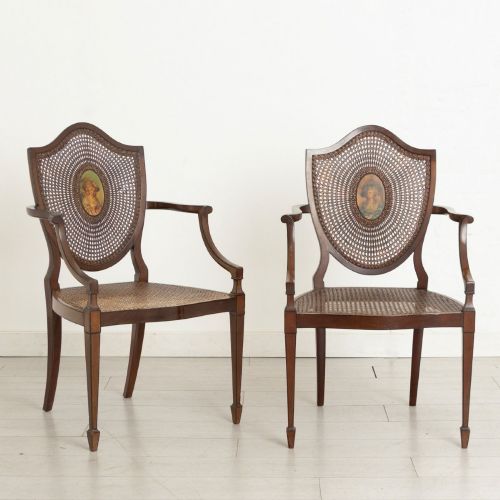
- An enclosed upholstered armchair with wooden framing and a closed arm design. These seats often feature cane work on the back and sides.
- Parquetry
- A geometric mosaic of wood pieces used for decorative veneer on furniture surfaces. This technique highlights the natural grain and colour variations of timbers like kingwood.
- Ormolu
- Gilded bronze mounts applied to furniture for decorative enrichment. These metallic ornaments frequently accent high-status cabinet work and seating.
Vintage French Dining Chairs: Frequently Asked Questions
How do I identify Louis XV style chairs?
Louis XV style chairs are easily recognised by their flowing curves, asymmetrical ornamentation, and characteristic cabriole legs. These pieces typically avoid straight lines in favour of organic, shell, and scroll motifs.
Craftsmen working in this tradition prioritised comfort and grace, resulting in seating that feels both refined and dynamic. The style experienced numerous revivals throughout the nineteenth and twentieth centuries.
Are rush seat chairs durable for daily use?
Rush seat chairs offer surprising resilience and have served dining rooms and kitchens for centuries. The tightly twisted river grass withstands regular sitting while providing natural flexibility.
To preserve a rush seat, owners should keep the material dry and avoid exposure to excessive moisture. Regular cleaning with a soft brush helps maintain the integrity of the natural fibres.
What is the difference between side chairs and armchairs?
Side chairs are built without armrests, making them compact enough to line a dining table efficiently. They occupy less space and allow for flexible seating arrangements.
Armchairs feature integrated supports for the arms, offering a more commanding presence usually reserved for the heads of a dining table. Historically, these pieces provided extra status and comfort to the host.
How do I mix mismatched dining chairs successfully?
Creating a cohesive look with mismatched chairs relies on finding a unifying element such as a common wood tone, matching paint colour, or similar period style. Sticking to a consistent era ensures the silhouettes do not clash.
Balancing heavier armchairs with lighter side chairs helps distribute visual weight evenly around the dining table. This approach yields an eclectic yet intentional interior aesthetic.