

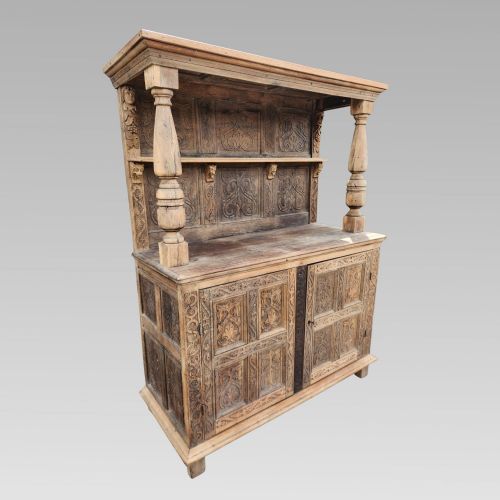


Vintage French Buffet Cabinet
A vintage french buffet cabinet grounds a dining room or kitchen with practical storage and regional character.
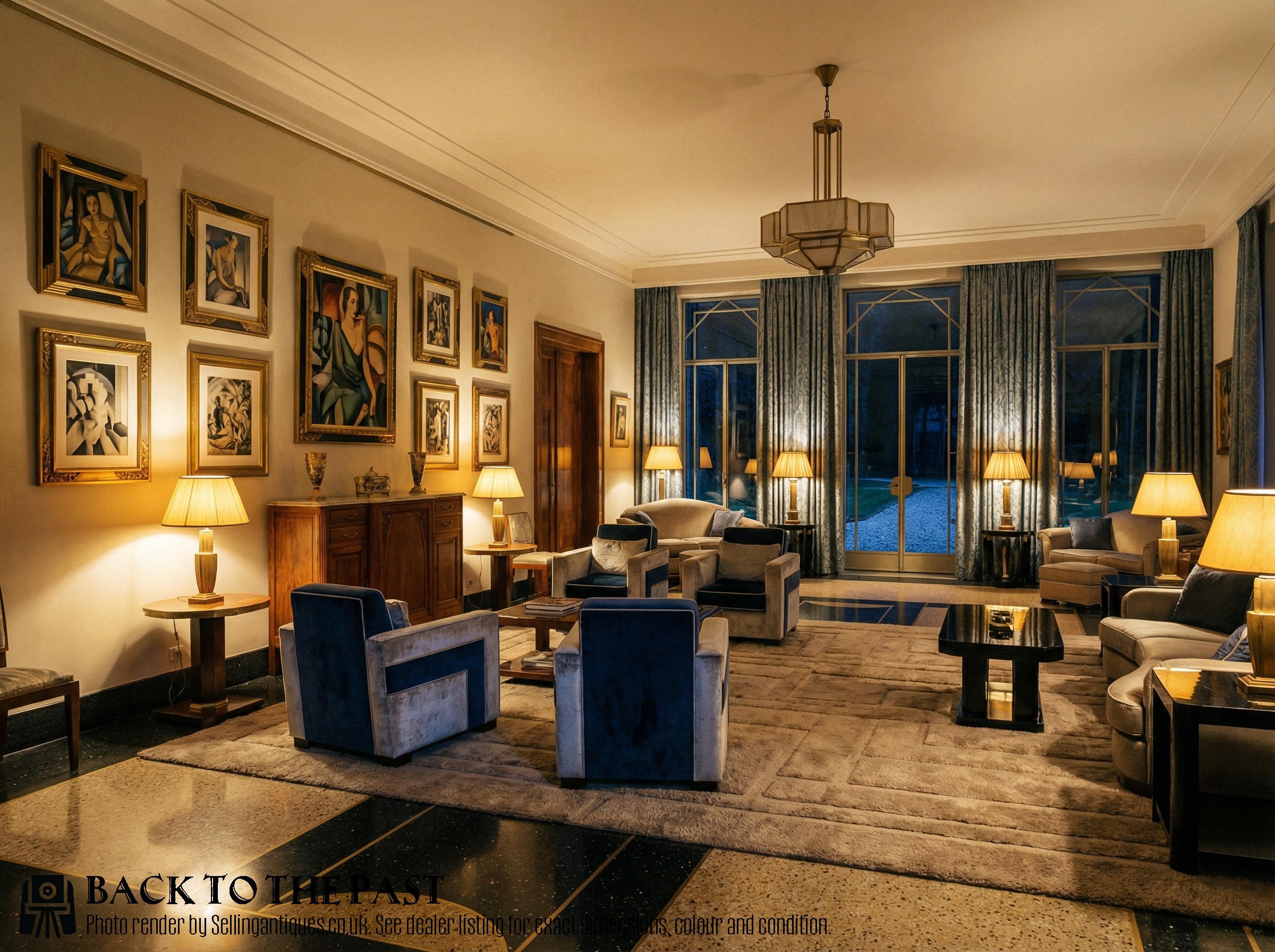
Vintage French Buffet Cabinet
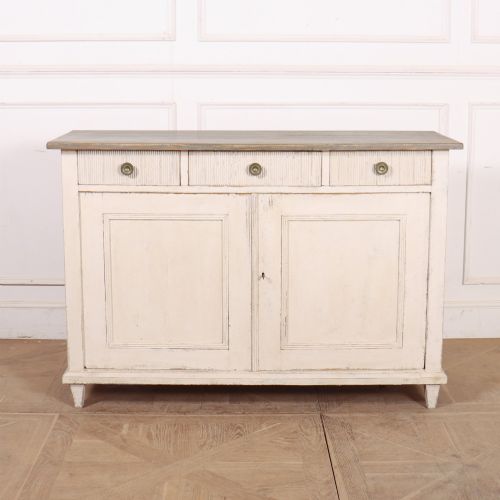
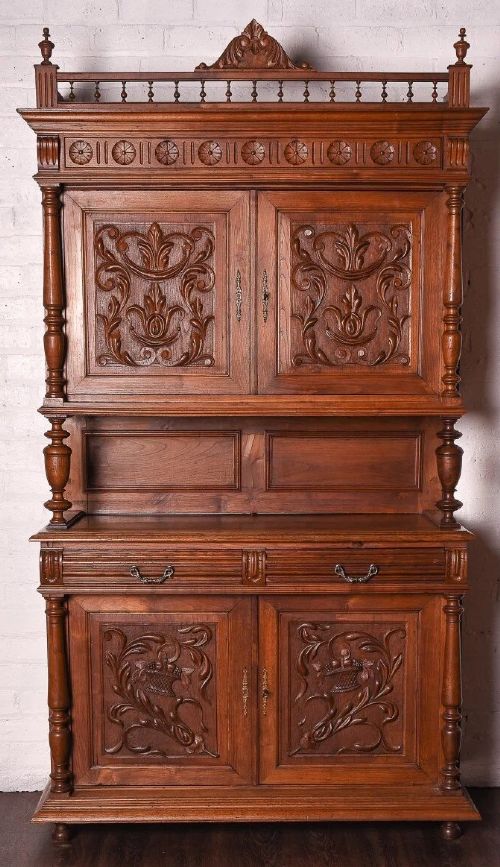
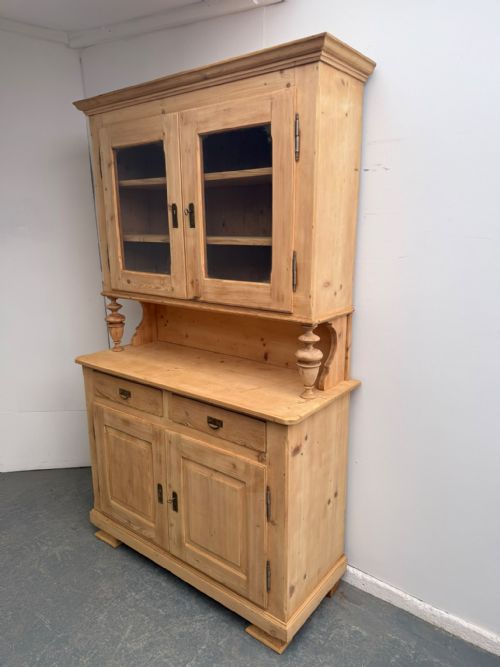
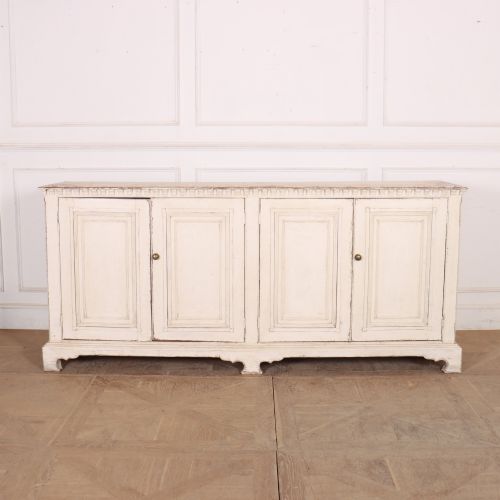
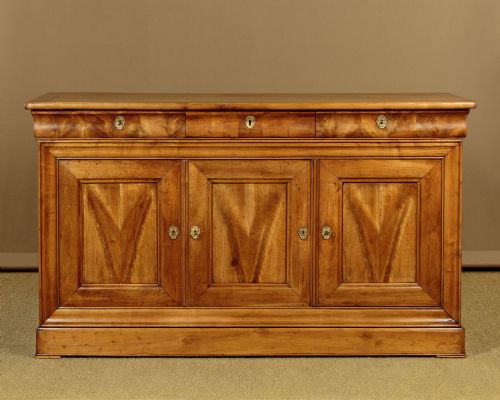
A vintage french buffet cabinet encompasses substantial sideboards, enfilades, and kitchen dressers designed for storage and display. These items originate from periods spanning the eighteenth century through to the mid twentieth century.
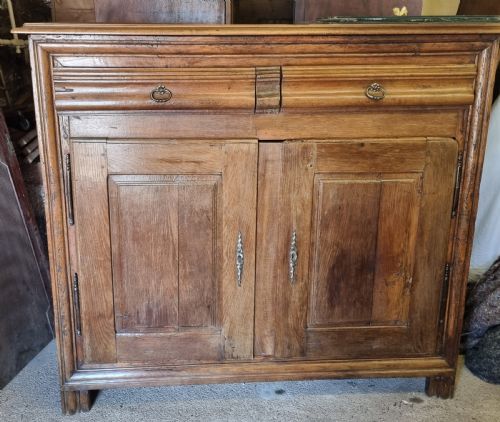
Regional variations dominate the selection, including French provincial, chateau, and country forms alongside linear Art Deco designs. Buyers frequently encounter nineteenth century oak and walnut examples fitted with marble tops or glazed doors.
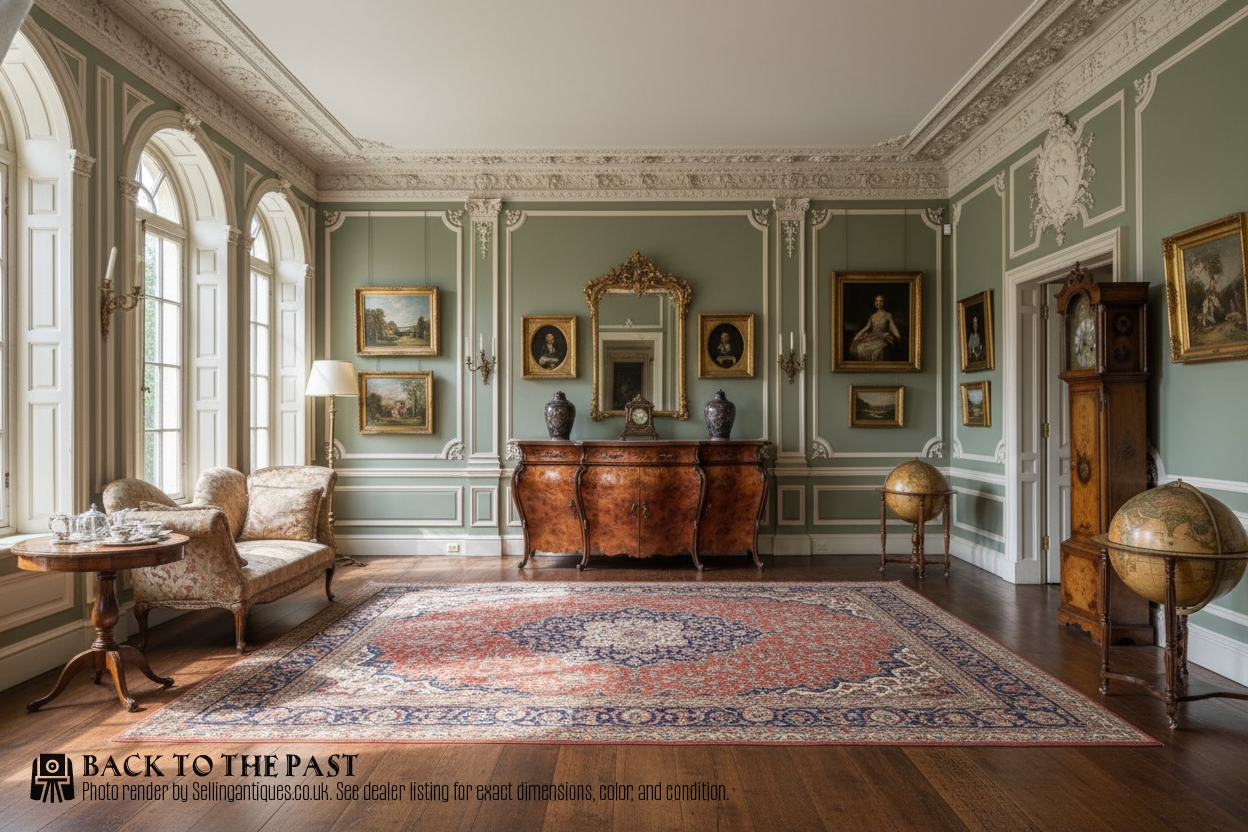
How they were made
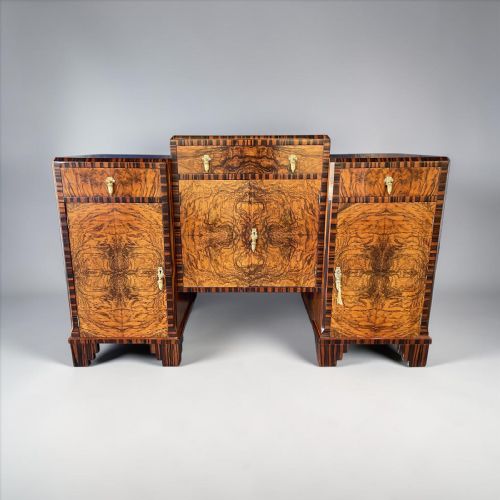
Cabinetmakers utilised solid timbers such as oak, walnut, cherry wood, and mahogany, often applying burr walnut, kingwood, or macassar veneers in geometric marquetry and parquetry patterns.
Decorative detailing relies on hand carving, applied brass or ormolu mounts, and shaped marble surfaces, paired with traditional joinery for doors and drawers.
Design eras span from eighteenth century provincial styles through to 1930s Art Deco and mid century modern interpretations.
What varies in quality
Quality rests in the selection of cabinet timbers, the precision of veneer work, and the weight of integrated materials like marble and ormolu. Superior examples display restrained, harmonious proportions and crisp hand carving rather than mechanical execution.
The integrity of original surface finishes, interior shelving, and working locks or keys distinguishes standard utility pieces from exhibition grade creations.
Charles Dudouyt·Melissa White
The Vintage French Buffet Cabinet Glossary
- Enfilade
- A long sideboard or buffet featuring a sequence of doors, typically three or four, aligned along the front. This form originated in grand dining rooms to serve food and store tableware.
- Marquetry
- The art of applying decorative pieces of veneer to a structure to form intricate designs. Cabinetmakers utilise various coloured hardwoods to create pictorial or geometric motifs.
- Ormolu
- Gilt bronze mounts applied to furniture for decorative effect. Craftsmen cast and chase these brass components to accent corners, handles, and apron rails.
- Parquetry
- A geometric mosaic of wood pieces used for decorative surfaces, most commonly seen on tabletops and sideboard doors.
- Chiffonier
- A small tall sideboard or cabinet with doors enclosing shelves, popular during the nineteenth century for storing dining accessories.
Vintage French Buffet Cabinet: Frequently Asked Questions
What is an enfilade?
An enfilade is an elongated sideboard featuring multiple cabinet doors arranged in a continuous line. They provide extensive surface space and interior storage for dining rooms.
Historically, these pieces functioned as serving stations during large meals. Their extended proportions suit long dining tables and spacious living areas.
How do I style a marble top buffet?
A marble top buffet accepts ceramic lamps, glass decanters, and metal trays without risk of surface damage from moisture. The stone provides a cool, durable working ledge.
Keep taller decorative objects near the walls behind the cabinet to balance the visual weight of the timber base below.
How do I date a wooden sideboard?
Dating relies on identifying the primary timbers, construction methods, and decorative styles. Eighteenth and nineteenth century pieces utilise solid oak, fruit wood, or walnut with hand cut joinery.
Later twentieth century examples often incorporate exotic veneers, clean geometric lines, and modernist hardware characteristic of Art Deco design.
What is tramp art?
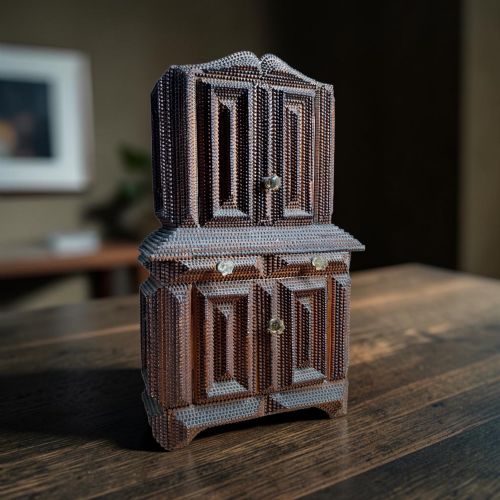
Tramp art is a sculptural style of woodwork where makers chip carve small pieces of scrap wood and layer them in geometric relief patterns. It represents an accessible folk art tradition.
Cabinets and boxes created in this manner exhibit dense, textured surfaces built up entirely by hand over many hours.