
Vintage French Bedside Cabinets
Vintage french bedside cabinets bring practical surface space and continental charm to a bedroom, ranging from elaborate revival pieces to clean art deco designs.
Vintage French Bedside Cabinets
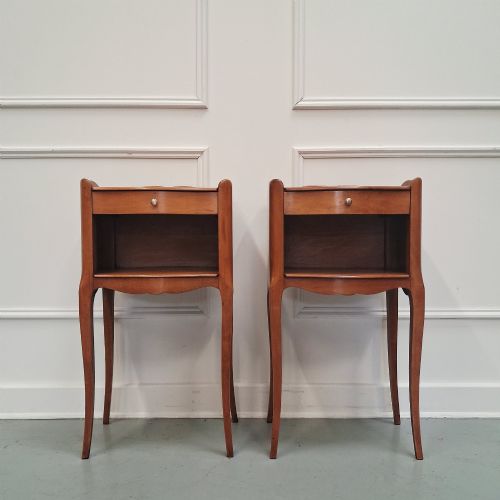
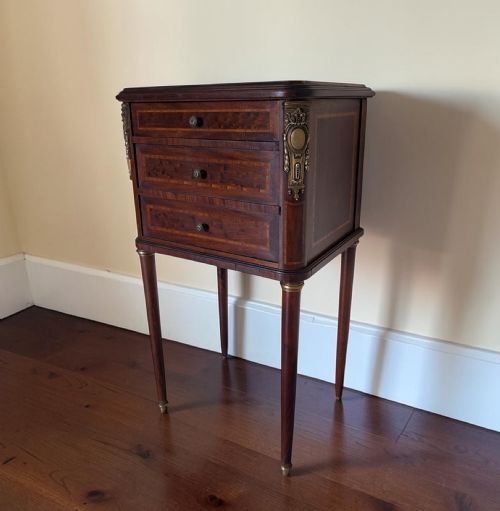
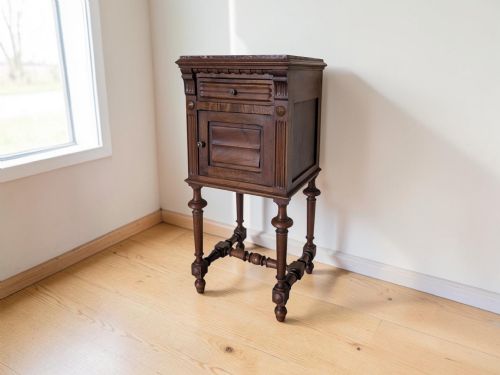
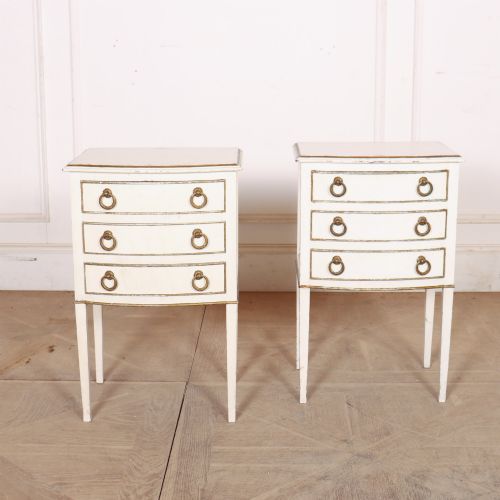
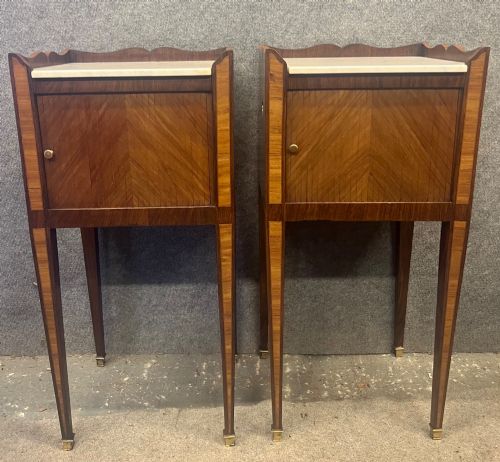
Vintage french bedside cabinets appear in various forms on this page, including bedside tables, side cabinets, chests of drawers, and bedside chests. These items serve as compact bedroom storage, holding nighttime essentials while adding distinct character to a room.
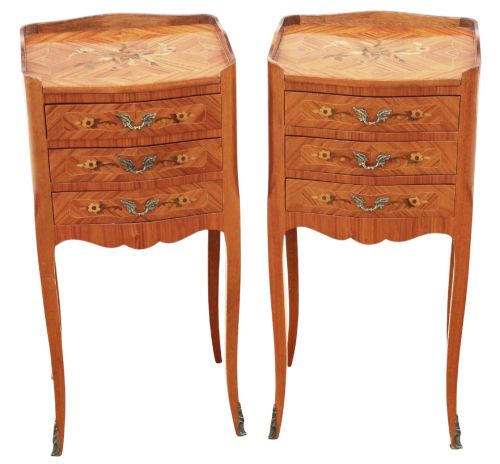
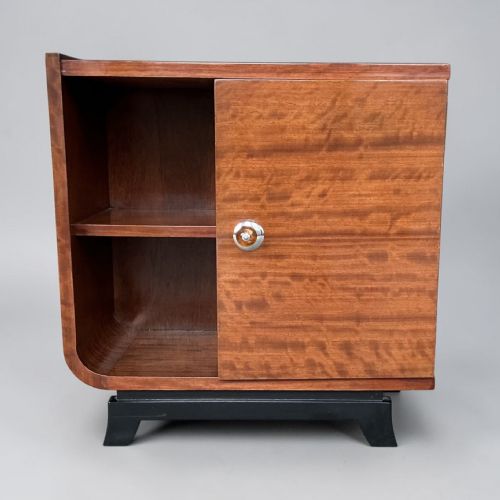
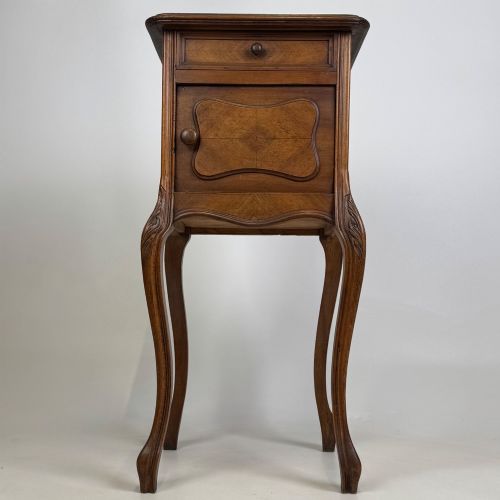
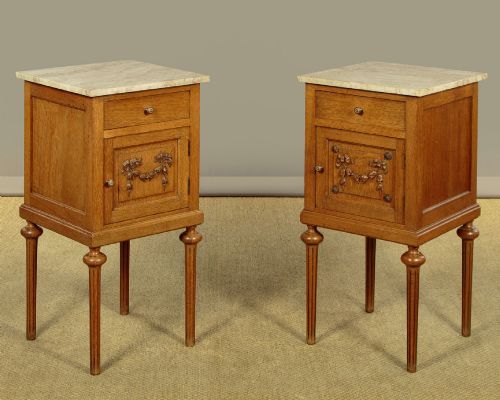
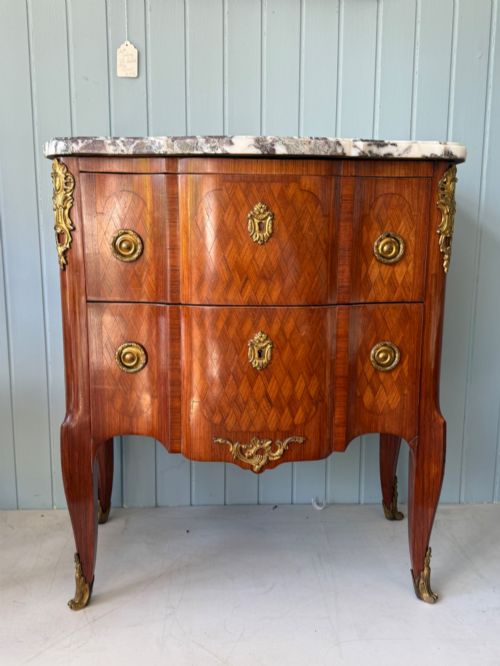
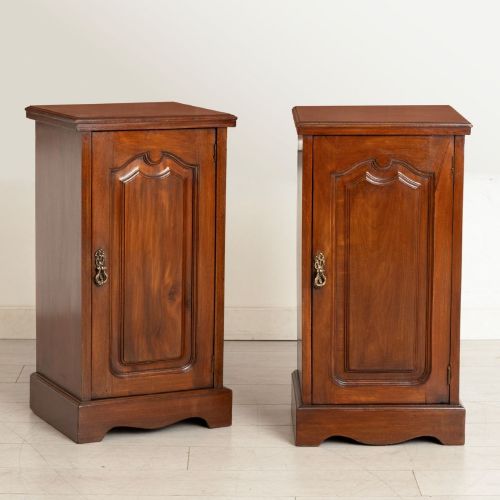
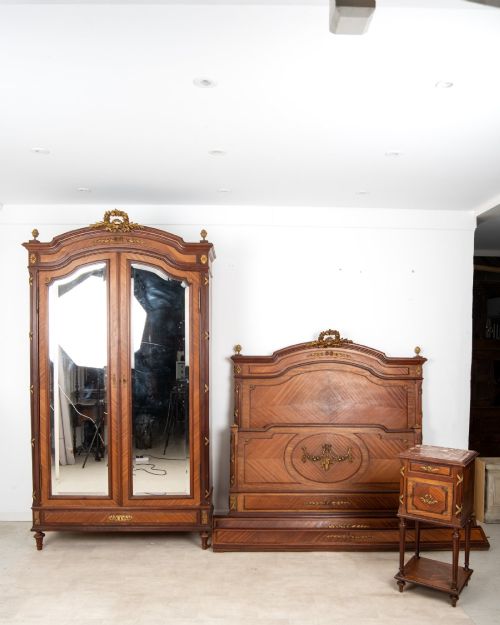
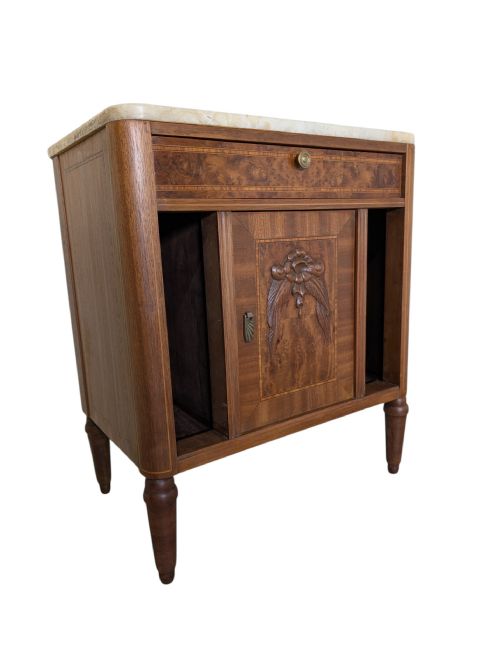
The selection draws from multiple periods, predominantly spanning the nineteenth century through the 1930s, alongside Edwardian examples. Buyers frequently encounter pairs alongside single cabinets, often styled in Louis XV Revival, Louis XVI Revival, French Provincial, or Art Deco designs.
Origins vary across regional workshops and grander ateliers, resulting in diverse interpretations of standard bedside furniture. The overarching aesthetic prioritises functional proportions combined with decorative woodwork or stone surfaces.
Materials and construction methods
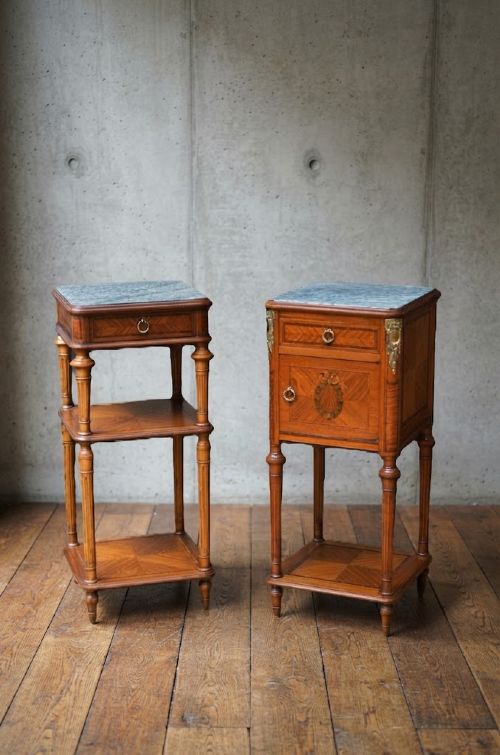
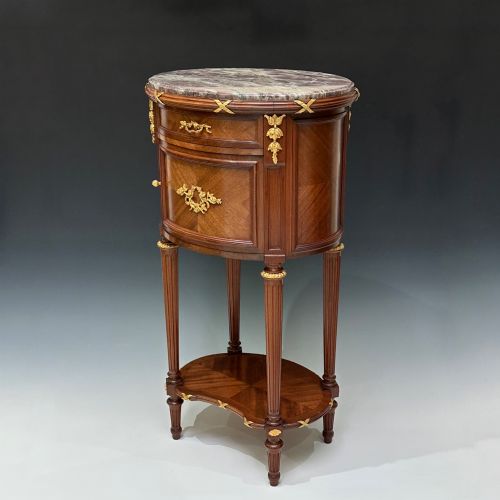
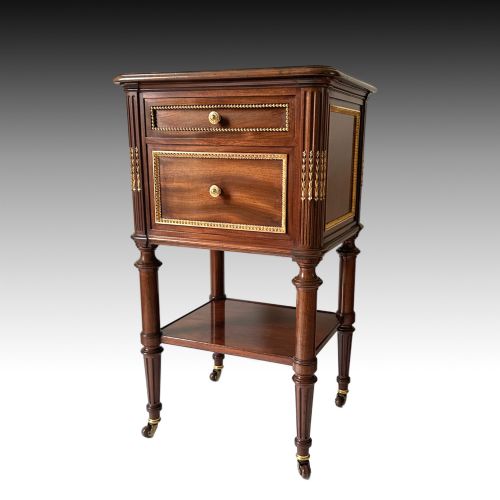
Cabinet makers utilised a rich palette of hardwoods including walnut, mahogany, oak, satinwood, kingwood, rosewood, and cherrywood. Marquetry inlays and contrasting veneers frequently decorate the exterior surfaces of these pieces.
Many cabinets incorporate fitted marble tops in various tones, providing a durable and decorative upper surface. Ormolu mounts, brass details, and turned legs complete the construction of the finer examples.
Music cabinets occasionally double as bedside storage, suggesting past owners kept scores closer to hand than previously thought.
Distinguishing quality across the range
Quality rests primarily in the crispness of the carving, the precision of the marquetry, and the selection of timber veneers. Superior pieces display harmonious proportions and seamless integration of decorative mounts.
The choice of secondary woods and the internal construction of drawers indicate the level of craftsmanship invested in a cabinet. Original marble tops and well-preserved surface finishes elevate the standing of an individual piece.
François Linke
The Vintage French Bedside Cabinets Glossary
- Ormolu
- Gilded bronze ornamentation applied to furniture. This decorative technique adds metallic contrast to wooden cabinetry.
- Marquetry
- Decorative patterns formed by fitting together small pieces of wood veneer. Artisans utilise contrasting timbers to create pictorial or geometric designs.
- Kingwood
- A dense, richly grained exotic timber imported from South America. Cabinet makers favoured this wood for high-end French furniture veneers.
- Commode
- A low chest of drawers or cabinet. In a bedroom context, these items function on a larger scale than standard bedside tables.
Vintage French Bedside Cabinets: Frequently Asked Questions
How do I identify a Louis XV revival bedside cabinet?
Louis XV revival pieces typically display characteristic cabriole legs, asymmetrical curves, and flowing floral or scroll motifs. These cabinets often feature serpentine fronts and delicate ormolu mounts.
They reflect the lighter, more ornamental aesthetic of the eighteenth-century French court rather than earlier, heavier architectural styles.
Are marble tops on these cabinets original?
Many marble tops are original to their cabinets, selected to provide a hard-wearing and cooling surface next to a bed. You can often assess originality by checking the fit against the wooden rebate and the type of marble used for the period.
Replacements do occur during restoration work, though period-appropriate stone remains common.
What is the difference between a bedside cabinet and a bedside table?
Bedside cabinets generally feature enclosed storage behind a door or drawers, keeping items hidden from view. Bedside tables often offer open shelving, drop-leaf surfaces, or simpler frames without enclosed compartments.
Both types share the compact footprint necessary for placement beside a bed.
How should I care for antique wood and marble?
Antique wood benefits from occasional treatment with appropriate wax to nourish the grain and protect the finish. Marble requires simple dusting and prompt wiping of spills to prevent staining on the porous stone surface.
Harsh chemical cleaners should be avoided on both materials to preserve their original patination.