
Vintage Folk Art Figures
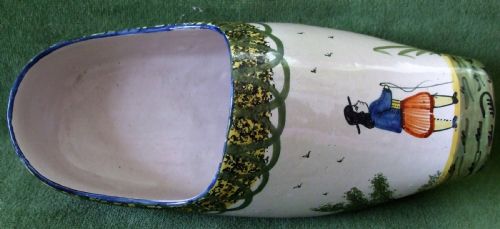
Vintage folk art figures bring vernacular character and individual hand into a room, spanning carved animals, trade signs and human representations.
Vintage Folk Art Figures
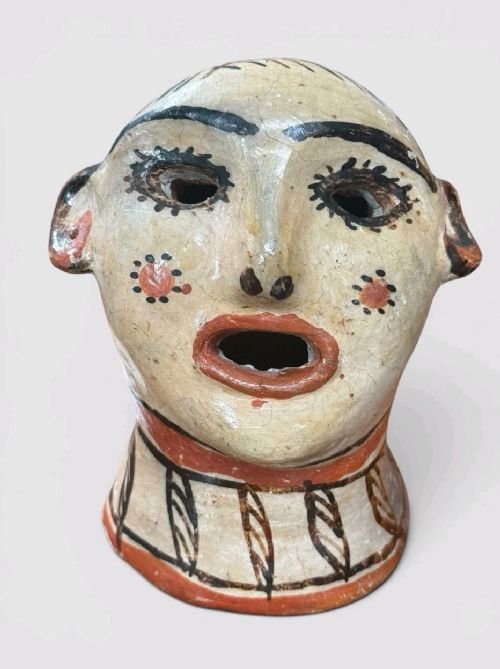
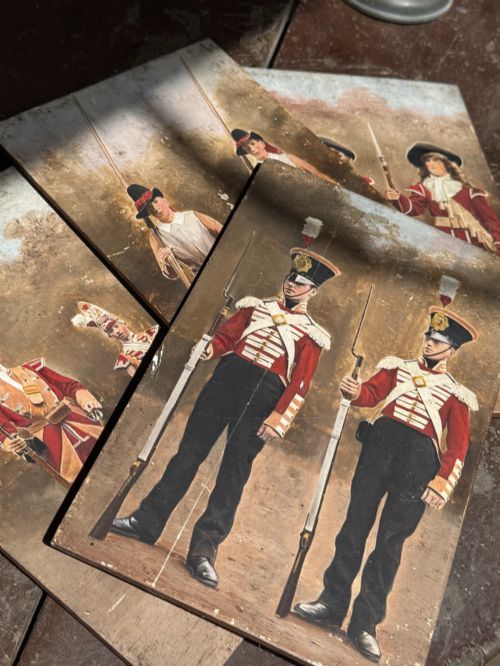
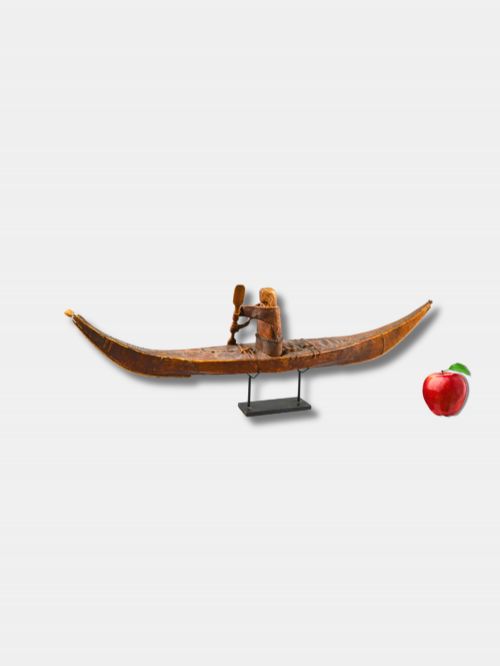
Vintage folk art figures encompass carved wooden sculptures, painted trade figures, animal studies and carved figures originating from international traditions. These pieces reflect regional vernacular expression across domestic and commercial contexts from the nineteenth century into the mid twentieth century.
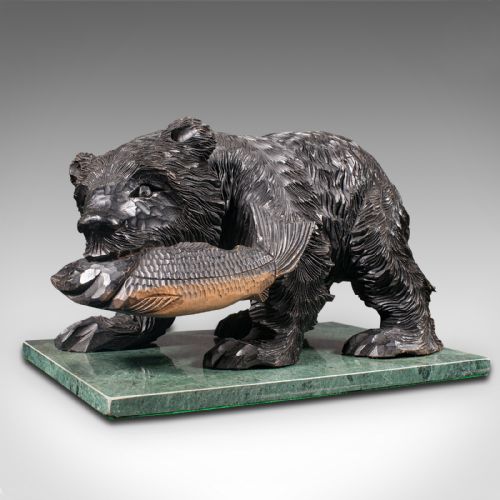
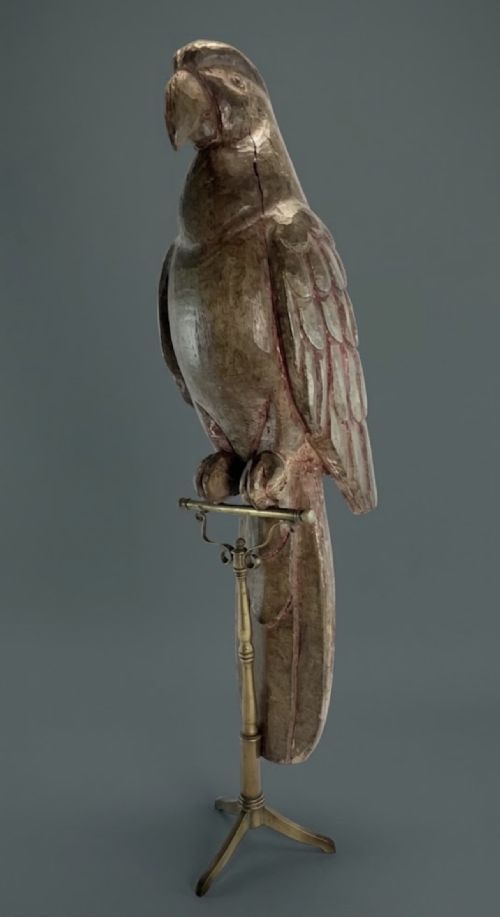
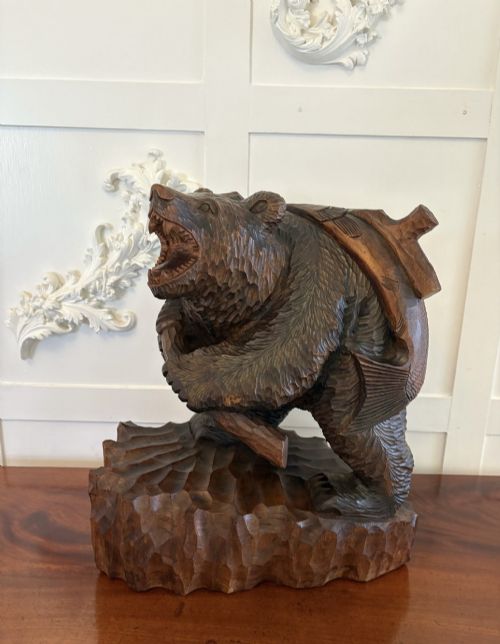
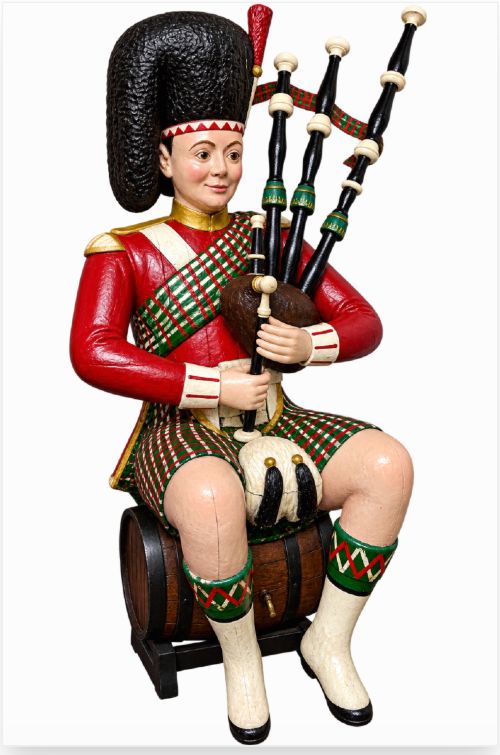
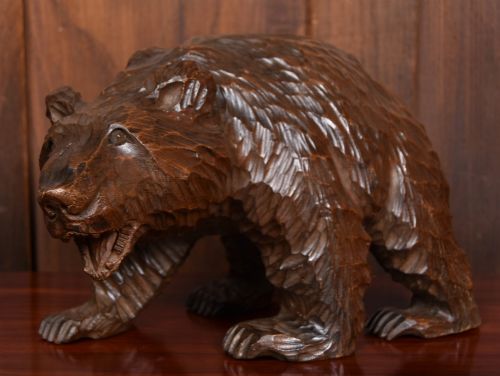
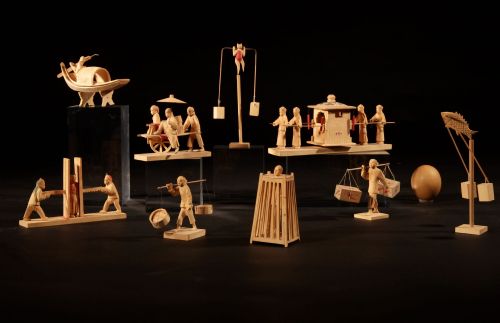
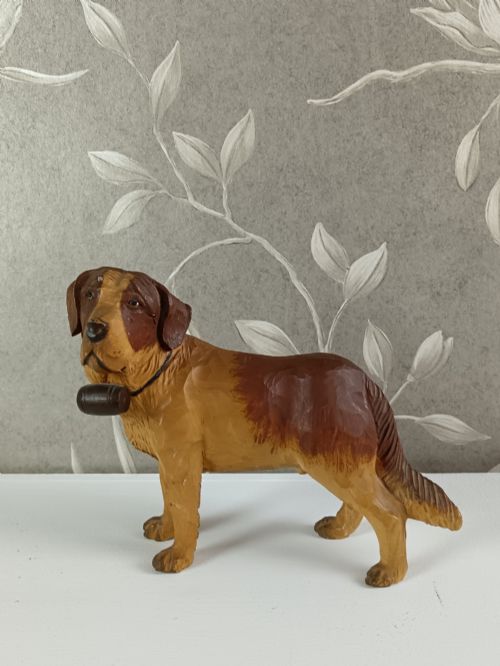
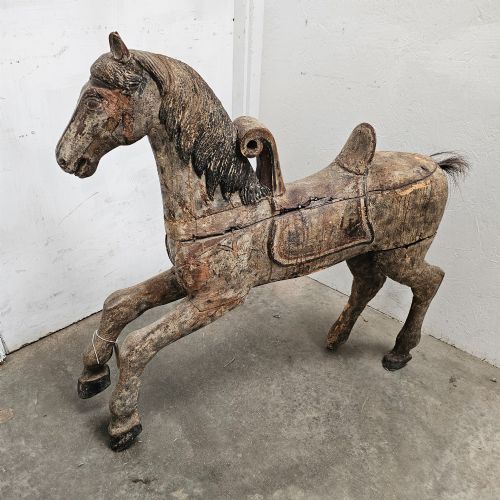
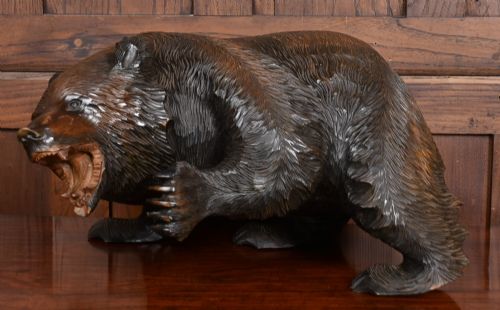
The selection on this page relies heavily on carved wooden subjects, including bears, birds, carousel animals, nutcrackers and religious statues. European, Asian and American pieces sit alongside one another, displaying diverse cultural origins.
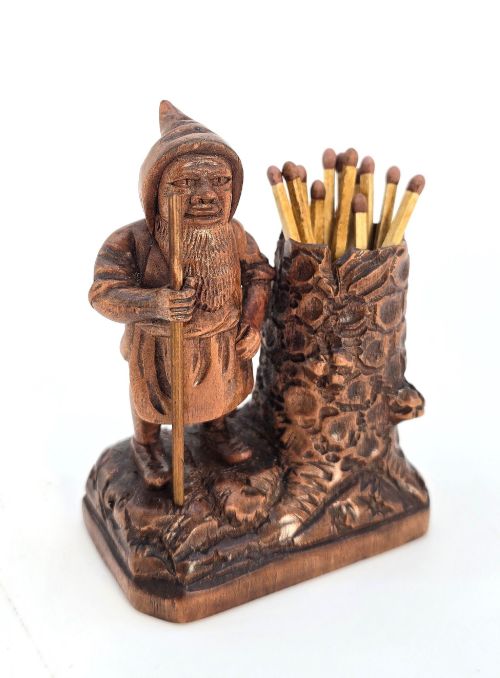
Makers ranged from professional tradesmen and regional carvers to anonymous rural artisans working without academic training. Their output includes match holders, doorstops, shop displays and devotional carvings intended for daily use or local commerce.
Materials and construction
Wood is the dominant medium, utilising hardwoods like oak and walnut alongside softer timbers such as linden and limewood for intricate carving. Paint, gesso and metal components appear frequently to add surface colour and functional detail.
Carving methods combine chip carving, root wood shaping and detailed hand modelling with primitive tools. Many surfaces retain original painted finishes, weathering and tool marks that record the maker's hand.
Object types include sculptures, nutcrackers, match holders, trade signs and decorative animals.
Judging quality in folk art figures
Quality rests upon the strength of the carving and the vitality of the form rather than academic proportion. A successful piece captures character and movement with economy and directness.
Survival of original surface treatment, including untouched paint and natural patina, elevates a piece above later restorations. Proportion and the integrity of the material dictate the visual impact of the work.
The Vintage Folk Art Figures Glossary
- Folk art
- Artistic work produced from an indigenous culture or by a peasant or other labouring trade. These objects emerge from utilitarian traditions rather than fine art academies.
- Black Forest
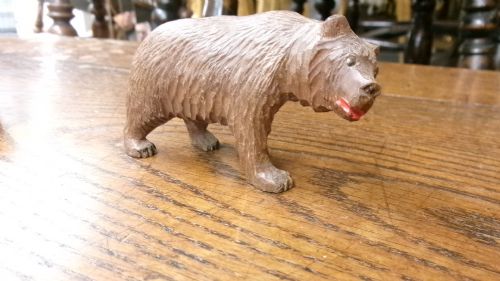
- A style of wood carving originating in the Swiss and German regions during the nineteenth century. These works frequently depict bears and forest animals rendered with realistic detail.
- Trade sign
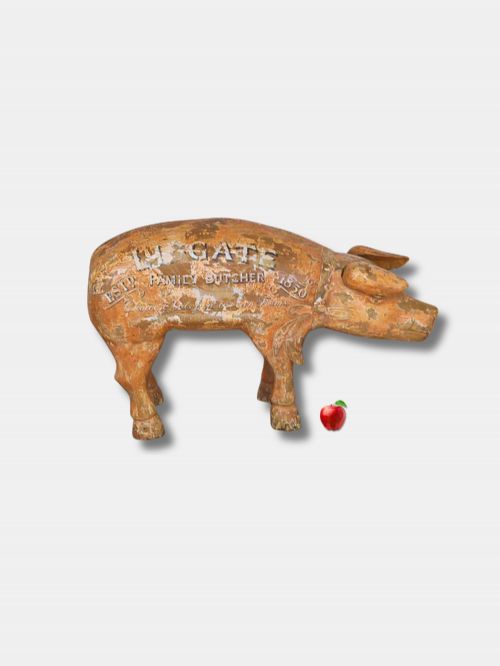
- A figure or object displayed outside a shop or business to advertise wares. Examples include carved Indians, butchers' animals and specific occupational figures.
- Nutcracker
- A mechanical or lever-operated tool carved in the form of a human or animal. These pieces combine functional ironwork with expressive wooden sculpture.
- Gesso
- A plaster mixture used as a smooth base for painting on wood or canvas. It provides a prepared ground for polychrome decoration.
Vintage Folk Art Figures: Frequently Asked Questions
What defines a folk art figure?
These pieces originate from non-academic makers working within regional craft traditions. They prioritise functional utility, local expression and direct carving over classical proportions.
Materials range from carved hardwoods to painted panels and metals. Each object reflects the vernacular culture of its specific origin.
How do I date these figures?
Dating relies on timber choice, tool marks, pigment analysis and the style of the object. Nineteenth-century pieces often display hand-sawn elements and early paint layers.
Comparative study of regional trade practices and known carvers helps narrow the period. Patina and wear patterns accumulated through use also indicate age.
Where were these figures displayed?
Original locations included domestic parlours, rural shops, trade premises and religious settings. Many functioned as advertising signs, shop displays or household match holders.
Others served as devotional objects or amusement devices. Their placement depended entirely on their utilitarian or decorative purpose.
How should I care for wooden folk art?
Keep wooden and painted figures away from direct sunlight and fluctuating humidity to prevent splitting. Dust gently with a dry, soft cloth without applying modern polishes.
Protect original paint and gesso surfaces from moisture. Stable indoor environments preserve the natural patina and historical integrity of each piece.