





Carved Wooden Head Statues
These carved wooden head statues bring character to a room through centuries of diverse global craftsmanship and expressive portraiture.
Carved Wooden Head Statues
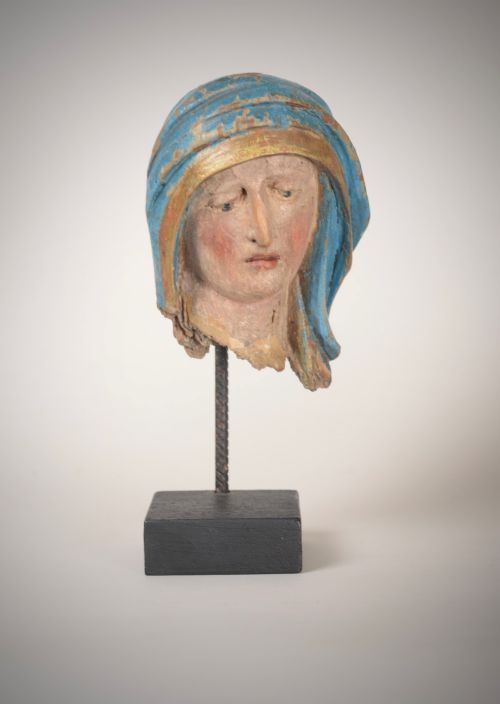
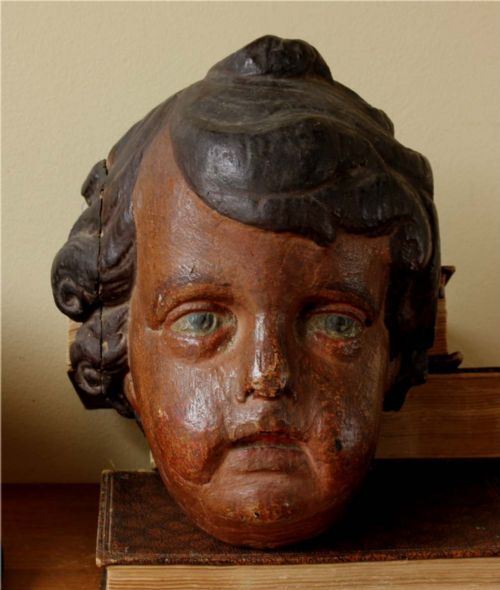
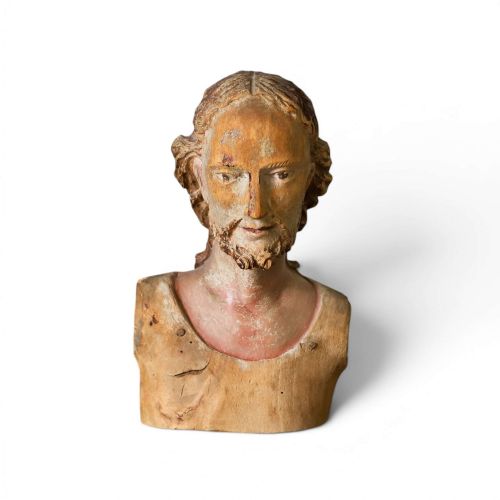
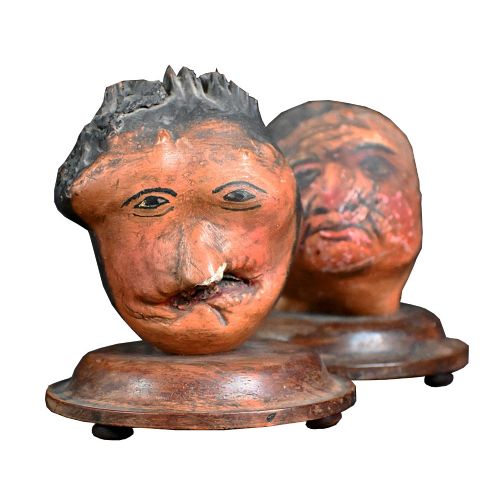
When you search for carved wooden head statues, you encounter a diverse gathering of portraiture and religious sculpture spanning several centuries. The selections range from European sacred fragments to ethnographic works and regional folk art.
You are most likely to meet 18th century European polychrome church fragments alongside 19th century studies and non-European tribal carvings. These objects take the form of busts, reliquary guardians, and detached architectural heads.
The materials shift according to origin, moving from native European hardwoods like walnut, pear, and olive wood to tropical timbers and polychromed surfaces. Each piece reflects the sculptural traditions and spiritual functions of its specific place of origin.
How they were made
The makers of these pieces relied primarily on direct hand carving into seasoned hardwoods such as walnut, pear, and olive wood. Artisans shaped the grain using gouges and chisels to capture facial expressions and hair texture.
Many European and Asian examples employ polychrome decoration, applying layers of gesso, paint, and occasionally gold leaf directly onto the timber. This surface treatment added realistic skin tones and rich vestments to sacred and theatrical figures.
Listings span the 17th, 18th, 19th, and 20th centuries, utilising materials including polychrome, gesso, gold leaf, and various hardwoods.
What varies in quality
The distinction between ordinary and exceptional carving rests entirely upon the anatomical understanding and expressiveness achieved by the maker. Superior examples capture subtle shifts in bone structure, muscular tension, and gaze.
Surface preservation significantly alters the character of these pieces, particularly where original polychrome paint, gesso, or patinated wood remains intact. Pieces retaining their early layers offer a more complete view of the maker's original intent.
Laszlo Hoenig
The Carved Wooden Head Statues Glossary
- Polychrome
- Painted in several colours. This term describes wooden sculptures finished with pigmented layers to simulate life.
- Gesso
- A plaster mix applied as a base. Artisans used this material to smooth wooden surfaces before gilding or painting.
- Reliquary
- A container for holy relics. These wooden heads often guarded sacred remains within shrines or tribal contexts.
- Putto
- A figure of a small winged child. These carved cherub heads frequently appeared in Baroque ecclesiastical art.
Carved Wooden Head Statues: Frequently Asked Questions
How were these wooden heads displayed originally?
Many European religious fragments served as architectural elements within churches, mounted above altars or incorporated into larger altarpieces. Others functioned as portable shrines or devotional objects placed within domestic spaces.
Non-European examples often held specific ritual positions, such as guarding ancestral remains in tribal shrines or representing performers in regional dance traditions.
How do I care for carved wooden heads?
Keep wooden sculptures away from direct sunlight and fluctuating heat sources to prevent the timber from splitting or warping. Dust them gently with a dry, soft cloth rather than using liquid polishes.
Polished or painted surfaces require particular care to avoid damaging fragile gesso and early pigment layers. Stable indoor humidity helps preserve both the wood and any applied surface decoration.
How do I tell European pieces apart from tribal art?
European pieces often display stylistic influences from periods such as the Baroque, Gothic revival, or regional folk traditions, frequently depicting saints, monks, or cherubs. Their surfaces may show gesso and paint.
Tribal art works draw upon distinct cultural iconography, utilising native tropical timbers and forms associated with specific regional traditions and ancestral practices.
What is a reliquary guardian head?
A reliquary guardian head is a carved wooden sculpture created to watch over sacred ancestral remains or relics. These pieces were traditionally placed atop containers holding bones.
They combine sculptural presence with spiritual protection, reflecting the belief systems of the communities that made them.