


Painted Wooden Busts
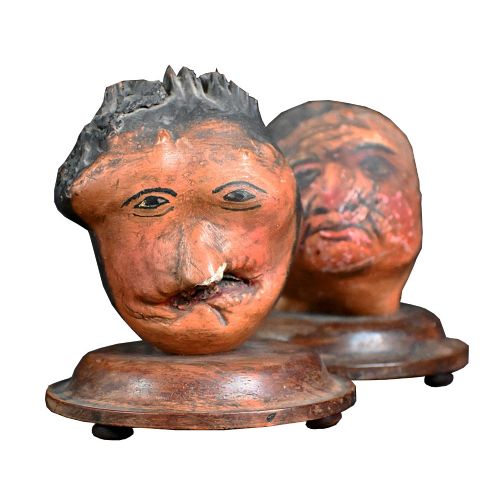
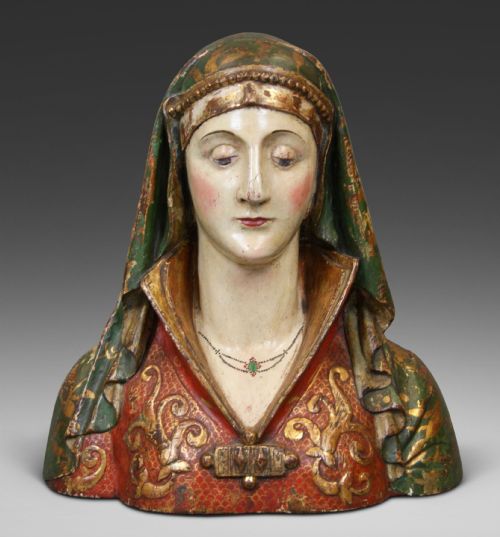
These painted wooden busts are carved character heads and religious figures that bring immediate historical texture and character to an interior.
Painted Wooden Busts
Painted wooden busts encompass carved character heads, puppet remnants and religious figures spanning several centuries of craftsmanship. When you search for painted wooden busts, you encounter works ranging from Renaissance devotional pieces to later folk art interpretations.
The selection here includes Spanish Baroque and Italian Baroque religious saints, alongside Victorian folk art heads and 1930s Balinese dance figures. These sculptures demonstrate how makers across different periods applied pigment directly to carved timber to create lifelike presence.
How they were made
Makers achieved tactile depth by combining chisel work with specialised surface treatments. Gilt and polychrome pigments were layered over the carved substrate, allowing the grain and texture of the wood to interact with the painted finish.
Current listings demonstrate materials including carved wood, gesso, gold leaf and real hair applied to historical sculptures.
What varies in quality
Quality rests in the anatomical confidence of the carving and the preservation of the original painted surface. Pieces with crisp chisel work and untouched polychrome layers command greater attention than those with later overpainting or sanded details.
The expressive power of the countenance distinguishes standard decorative items from superior sculptural works. Surviving historical finishes that retain their original character without heavy restoration define the upper tier of these sculptures.
The Painted Wooden Busts Glossary
- Polychrome paint
- A multi-coloured painted surface decoration applied directly to wood, stone or plaster. This technique defined religious statuary and folk art across the centuries.
- Gesso
- A plaster mixture applied to a wooden substrate as a base for paint or gilding. It provided a smooth, uniform ground for detailed polychrome work.
- Folk art
- Utilitarian or decorative objects created by self-taught or traditional craftsmen rather than academy-trained sculptors. These pieces often display charming regional interpretations of form.
- Baroque
- An artistic style prevalent from the seventeenth to mid-eighteenth century characterised by theatricality, dynamic movement and deep emotional intensity in sculpture.
Painted Wooden Busts: Frequently Asked Questions
How should I display a wooden bust at home?
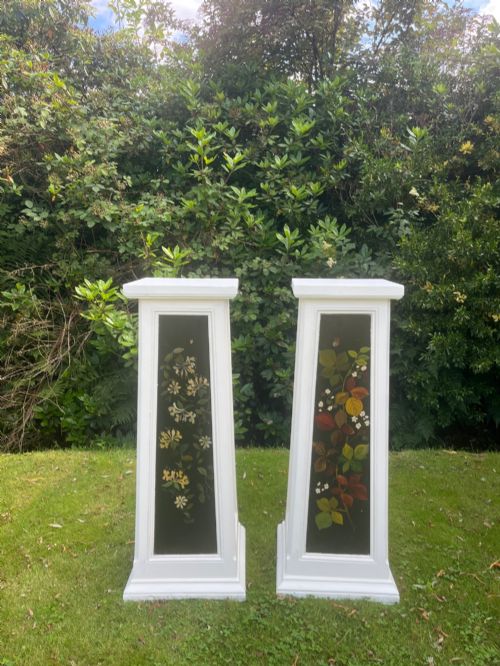
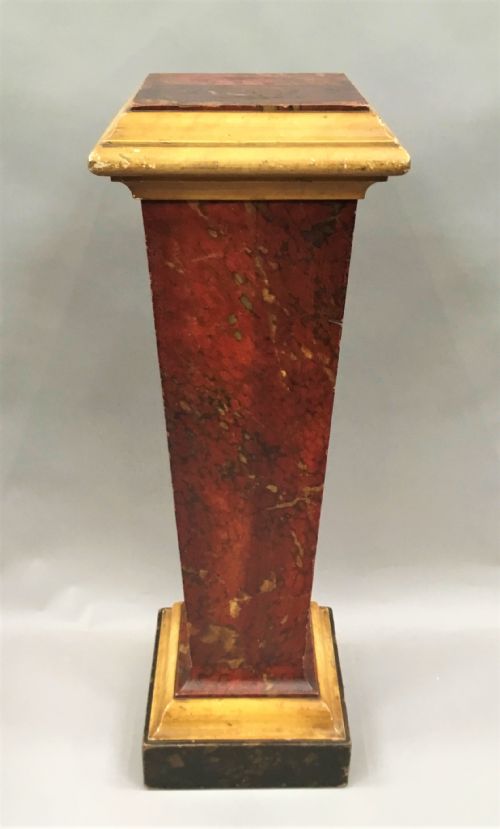
Position these sculptures on stable pedestals, brackets or secure tabletops away from direct heat sources and fluctuating humidity. Proper placement ensures the wood and fragile paint layers remain stable over time.
Pair them with simple backgrounds to highlight the carved contours and historical surface texture without visual competition from surrounding furnishings.
How can I tell the age of a carved bust?
Examine the tool marks left by the carver, the composition of the underlying gesso and the natural ageing of the wood grain. Different historical periods utilised distinct carving techniques and pigment formulations.
Comparing stylistic traits with documented examples from the same era helps clarify the likely century of manufacture.
Were these religious busts meant for home use?
Many devotional heads originated in private chapels, monastic settings or domestic shrines for personal prayer. Others served as liturgical furnishings in churches before entering secular collections.
Their intimate scale made them suitable for focused contemplation within smaller architectural spaces.