


Antique Folk Art Heads
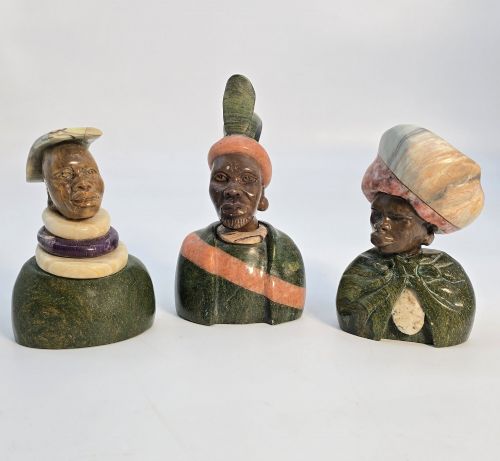
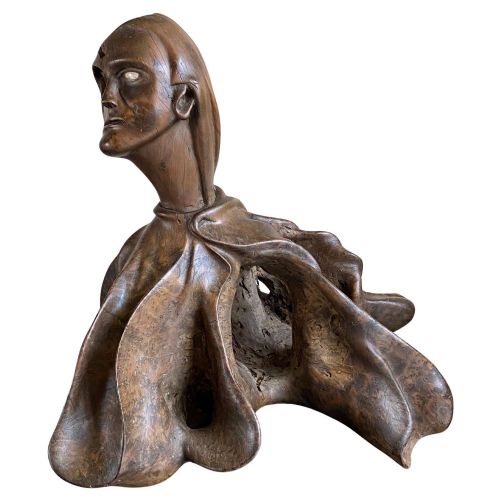
Antique folk art heads bring character and individual hands into a room through carved wood, painted portraits, and sculptural animal forms.
Antique Folk Art Heads
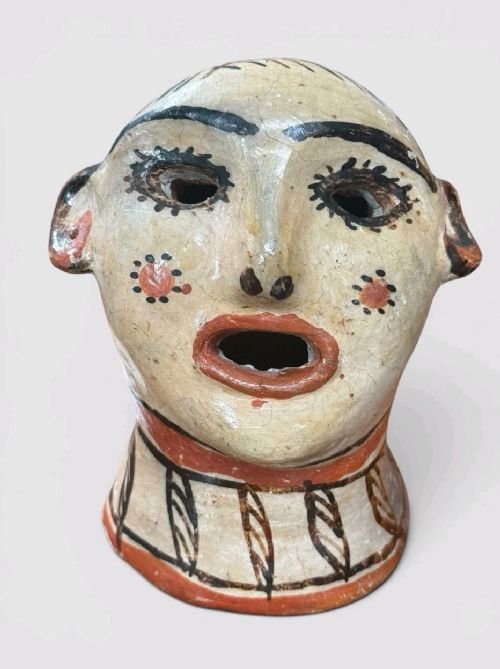
When buyers search for antique folk art heads, they encounter a diverse selection of sculptural objects, wall plaques, paintings, and functional items bearing human or animal visages. These pieces emerge from nineteenth-century vernacular traditions across Britain, Scandinavia, Germany, and beyond, capturing local expressions in wood and oil paint.
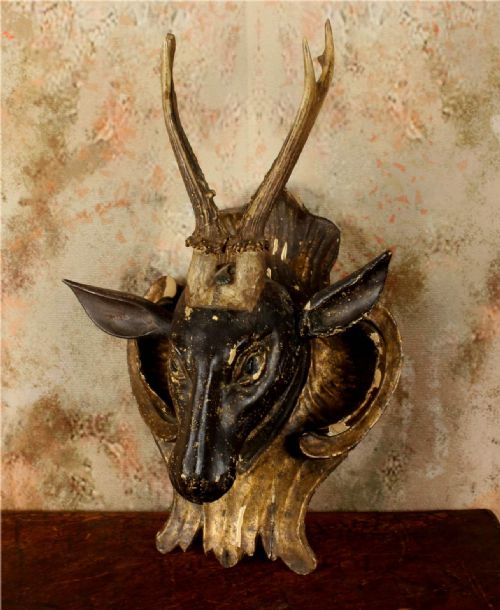
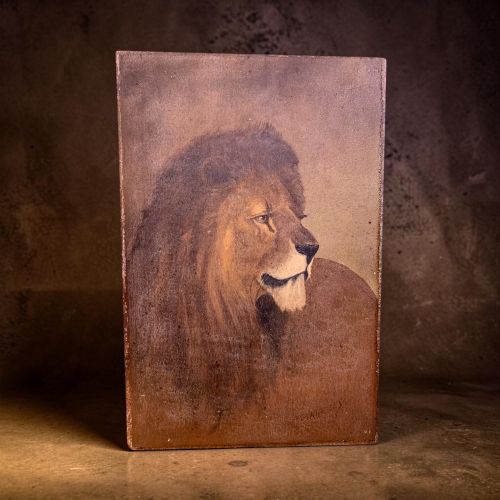
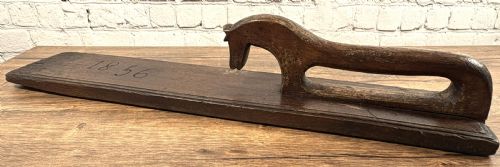
The objects span varied domestic and decorative forms, from life-size human sculptures and milliner's heads to carved animal handles on walking sticks, canes, and snuff boxes. Wooden deer heads with antlers, carved horse handles, and naive portraits of gentlemen or lions appear frequently across the current selection.
Makers ranged from self-taught village artisans to regional specialists working within traditions such as Black Forest carving or Scandinavian country craft. Their output reflects everyday utility combined with expressive carving, resulting in singular decorative pieces rather than uniform factory production.
What varies in quality
The strength of the carving distinguishes superior pieces from simpler utilitarian items, resting on the confidence of the maker's cuts and the anatomical or expressive conviction of the head. Boldly naive proportions executed with lively toolwork command attention ahead of hesitant or purely mechanical replication.
Original surface preservation heavily influences the appeal of each piece, particularly where layered polychrome paint or oil pigments remain intact rather than stripped or heavily overpainted. Honest patination earned through long use enhances the visual weight of the sculpture.
Listings feature wood and oil paint across the nineteenth century, including carved deer heads, naive portraits, and Black Forest animal canes.
The Antique Folk Art Heads Glossary
- Folk art
- Items created by self-taught or vernacular artisans working within regional traditions rather than formal academic canons. These pieces often prioritize direct expression over strict proportion.
- Polychrome
- Painted in several colours. This surface treatment brings life to carved wooden heads and figures.
- Naive school
- A classification for art produced by artists lacking formal academic training, characterised by a childlike perspective on perspective and scale. Such portraits capture subjects with direct charm.
- Black Forest
- A style of wood carving originating from the German region of the same name, famous for realistic animal studies and novelty items. These carvings frequently feature detailed fur textures and glass eyes.
- Mangle board
- A domestic wooden board used in Scandinavia for smoothing linen, traditionally fitted with a carved handle shaped like a horse head or other animal form.
Antique Folk Art Heads: Frequently Asked Questions
How do I date an antique folk art head?
Dating relies on examining tool marks, timber types, and the composition of underlying paints or canvas grounds. Nineteenth-century examples often display distinct hand-tool signatures and period pigments.
Comparing construction methods with documented vernacular objects helps narrow the decade of origin.
Where were these carved heads made?
Makers worked across Britain, Scandinavia, Central Europe, and beyond, utilising locally available woods such as oak, yew, and thorn. Each region developed distinct stylistic traits.
German Black Forest carvers specialised in realistic animals, while Scandinavian workshops produced painted wooden horses and decorative boards.
How should I display folk art heads at home?
These sculptures suit placement on mantelpieces, bookshelves, or mounted on walls as plaques, where their strong silhouettes stand out. Pairing them with neutral backgrounds lets the carved textures and aged paint finishes command attention.
Keep them away from direct sunlight and radiators to protect the historic wood and pigment layers.