

Vintage Flower Vase
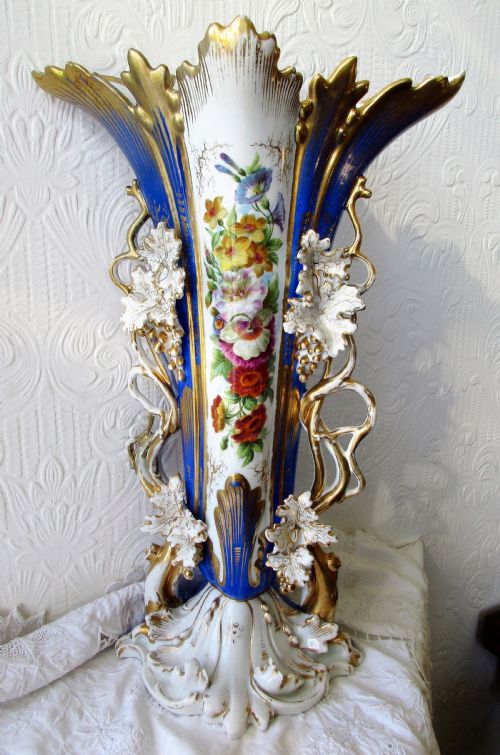
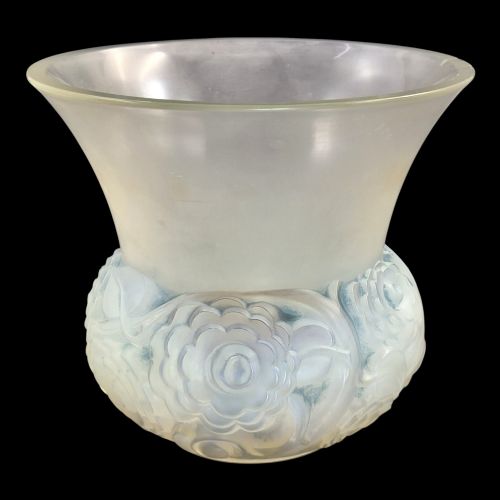
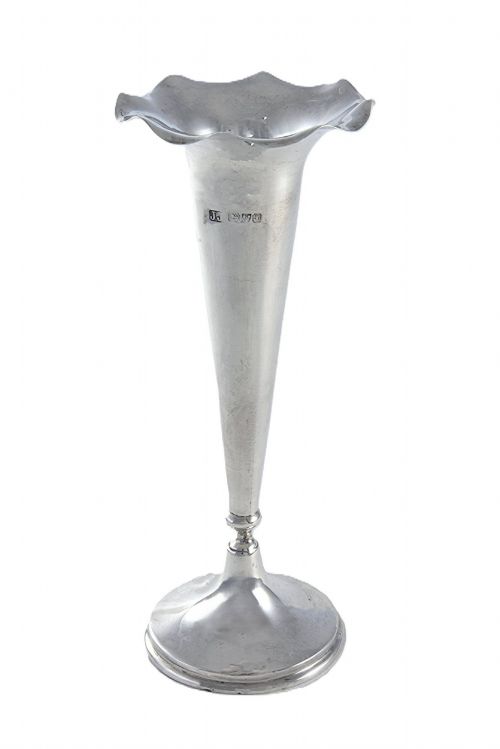
When you search for a vintage flower vase, you encounter glass, pottery, metal and painted representations spanning multiple decorative periods.
Vintage Flower Vase
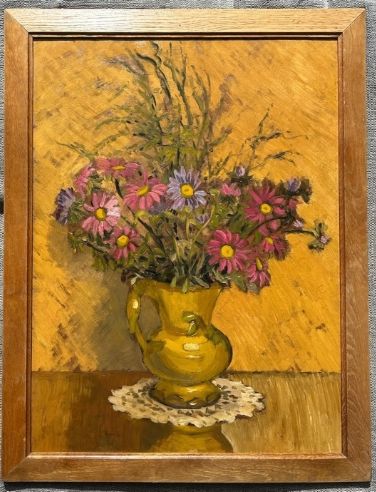
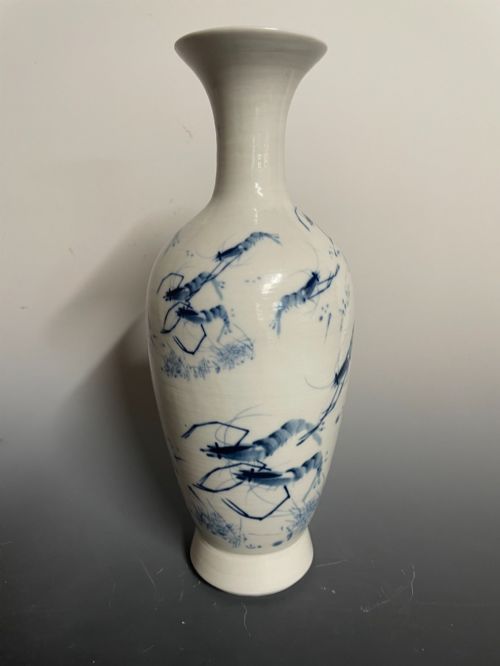
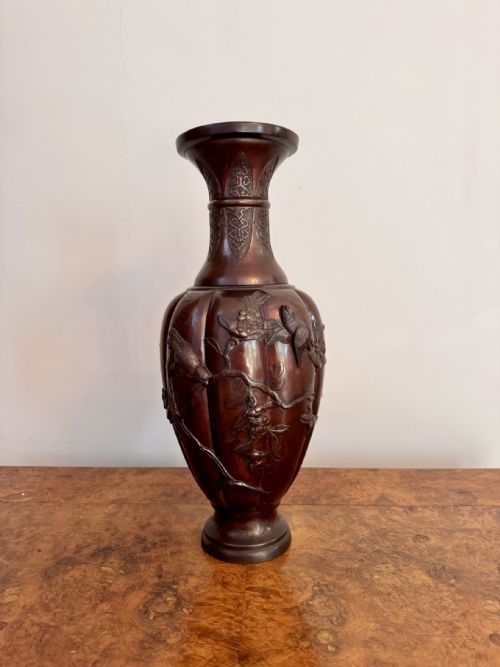
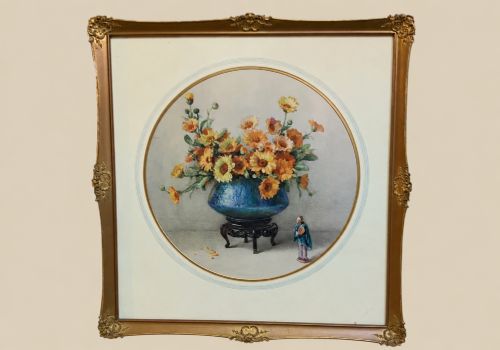
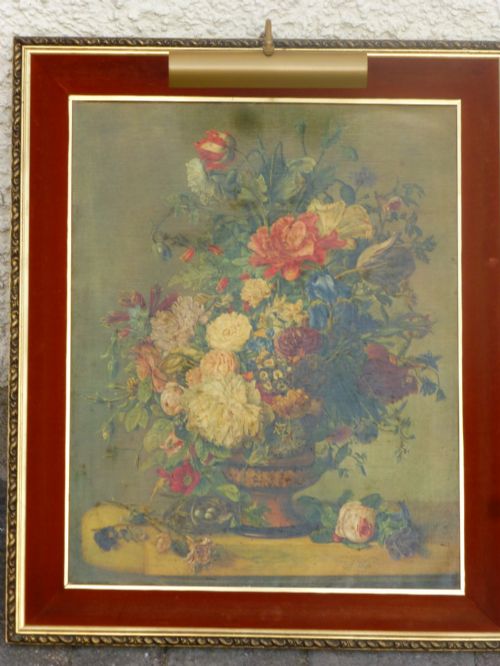
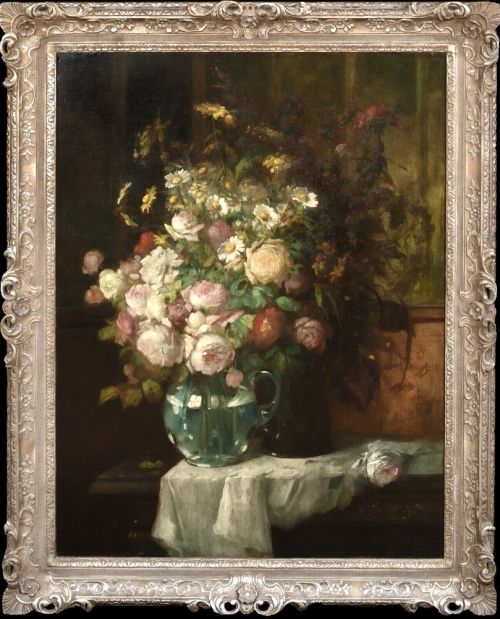
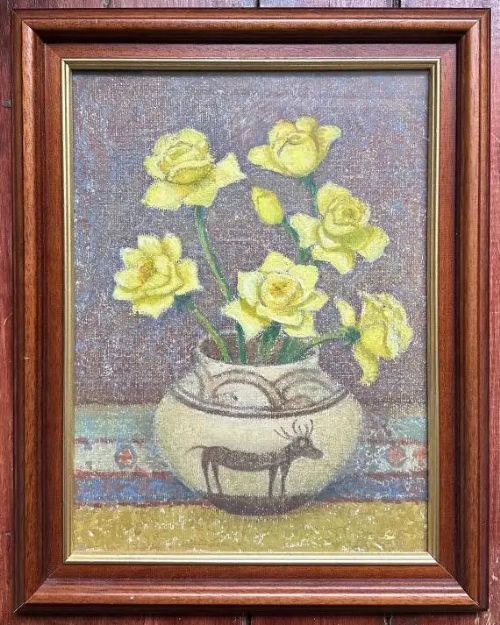
A vintage flower vase encompasses actual sculptural vessels intended to hold blooms alongside painted depictions of floral arrangements on canvas and board. The selections available here range from solid glass and metal containers to oil and watercolour paintings capturing blossoms in various vessels.
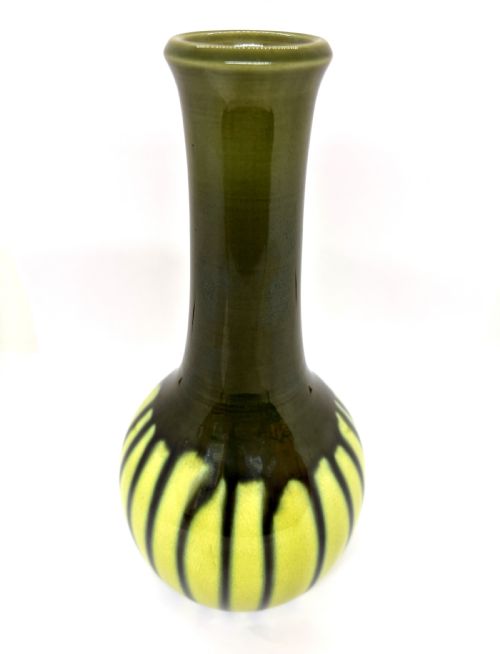
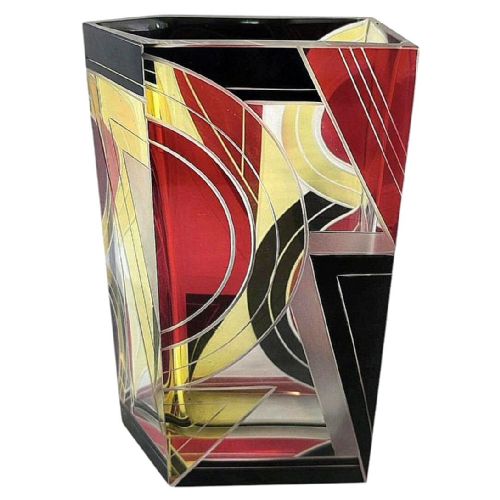
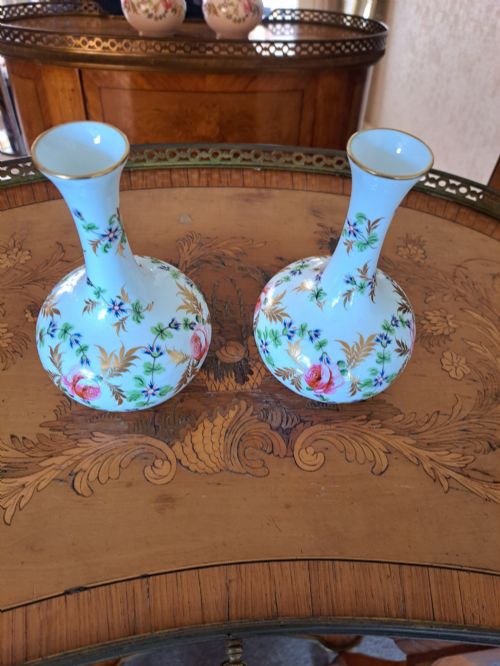
The physical objects include glass and crystal examples from the Art Deco period, copper and brass vessels from the early twentieth century, and ceramic pieces from Victorian and Edwardian makers. Alongside these three-dimensional items sit painted studies of flowers created across the nineteenth and twentieth centuries.
Buyers seeking this phrase most frequently encounter glassware shaped by European designers, metalwork from Japanese and British workshops, and painted still life works depicting floral subjects. These diverse forms share a common focus on celebrating botanical beauty through craftsmanship or pigment.
How they were made
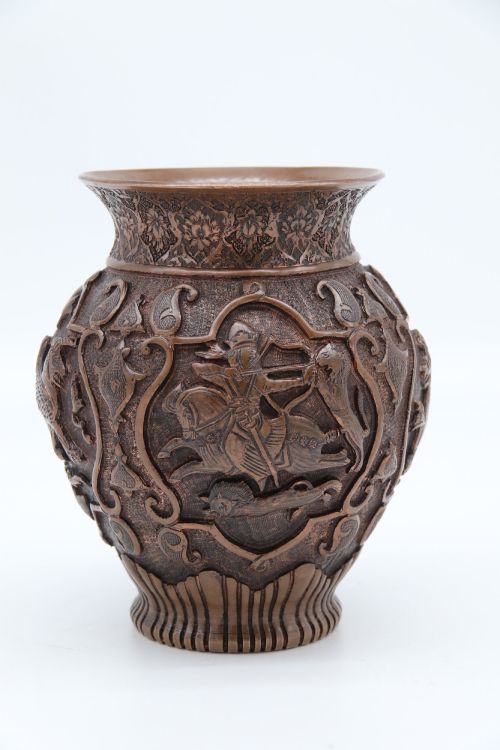
Glass vessels rely on moulding, blowing and chemical treatments, producing layered colours, opalescent finishes and etched geometric patterns characteristic of twentieth-century workshops. Metal pieces utilise casting, hammering and repoussé techniques in copper, brass, silver and bronze to form structural urns and baskets.
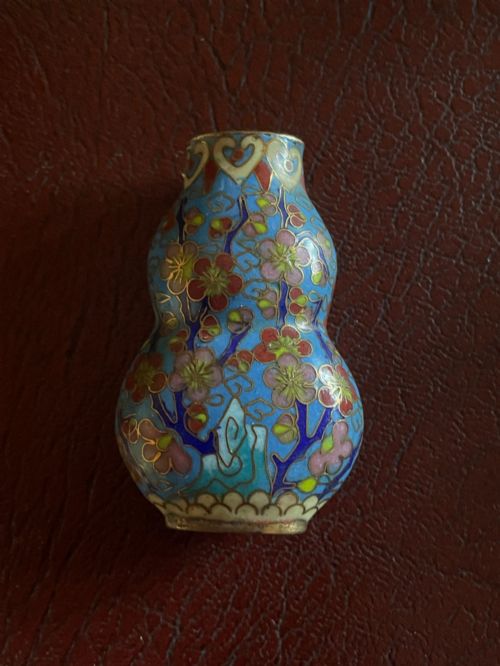
Ceramic forms employ traditional potting methods finished with coloured glazes and ironstone bodies, while painted works apply oil or watercolour to canvas, board and paper. Artisans decorated metal surfaces with cloisonne enamel or gilding to catch the light.
Several artists painted identical floral subjects repeatedly, ensuring that even inanimate blooms enjoyed long, travelled careers across multiple owners.
What varies in quality
The calibre of a piece rests upon the precision of its execution, whether through the crispness of glass etching, the weight and finish of cast bronze and silver, or the tonal control within a painted still life. Master artisans achieved refined proportions and deliberate surface textures that elevate a simple vessel or canvas above standard commercial output.
Signatures, maker marks and documented provenance separate standard decorative items from works originating in notable European and Asian studios. Superior examples demonstrate a careful balance between material, form and decorative detail that endures across decades.
Burmantoft's Pottery·Crown Derby·Ando Jubei·Karl Palda·Emile Galle
The Vintage Flower Vase Glossary
- Cloisonne
- A decorative metalwork technique where thin wire creates compartments filled with enamel paste before firing.
- Spill vase
- A small vertical container historically placed near a fireplace to hold thin wooden spills used for lighting candles and pipes.
- Repousse
- A metalworking method where a artisan hammers a design from the reverse side to form a raised relief on the front.
- Posy vase
- A compact receptacle designed specifically to accommodate small bunches of gathered flowers rather than large arrangements.
- Gouache
- An opaque water-based paint medium consisting of pigment and a binding agent, yielding flat, matte colour fields.
Vintage Flower Vase: Frequently Asked Questions
How do I clean antique glass vases?
Glass vessels require gentle washing in lukewarm water with mild soap, avoiding abrasive pads that might scratch delicate surfaces or chemical patinas.
Items featuring surface gilding or enamel decoration demand particular care, requiring soft cloths and avoidance of prolonged soaking.
Where were Japanese bronze vases displayed?
These bronze vessels traditionally occupied prominent spaces in domestic interiors, often housing formal floral arrangements created through Ikebana practices.
Their substantial weight and decorative metalwork suited tabletops and display cabinets in reception rooms.
How can I distinguish an oil painting from a watercolour?
Oil paintings utilise slow-drying pigmented linseed oil applied to canvas or board, creating a textured surface that reflects light.
Watercolours employ water-soluble pigments on paper, presenting a matte appearance protected beneath glass framing.