

Decorative Glass Vases
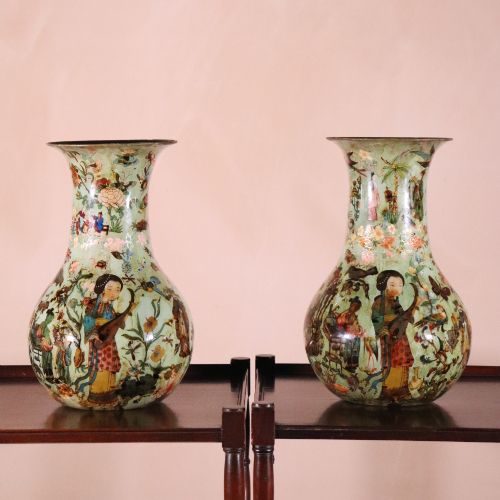
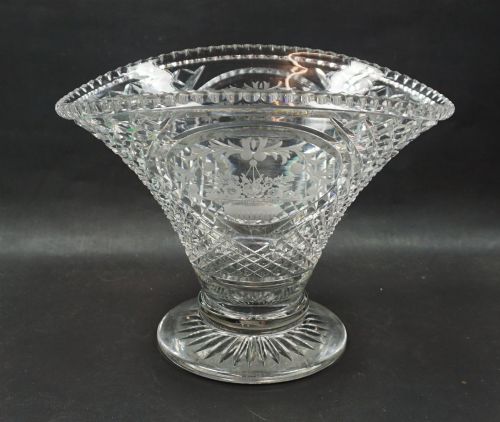
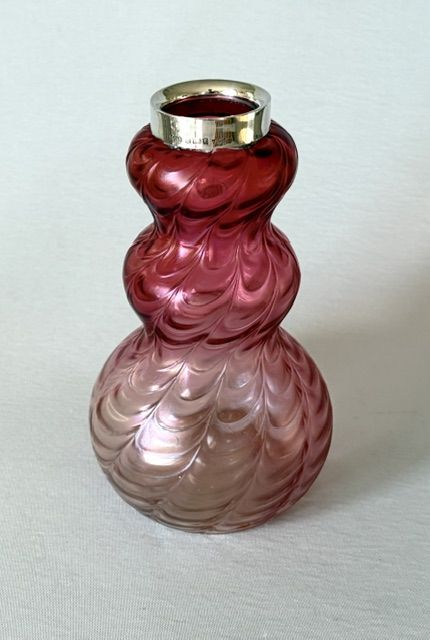
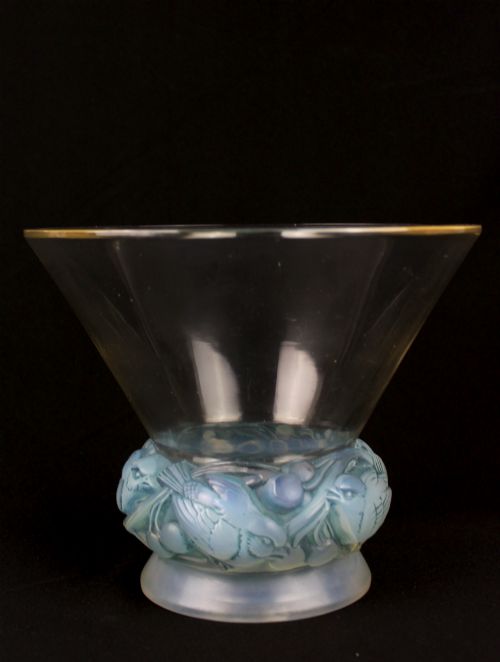
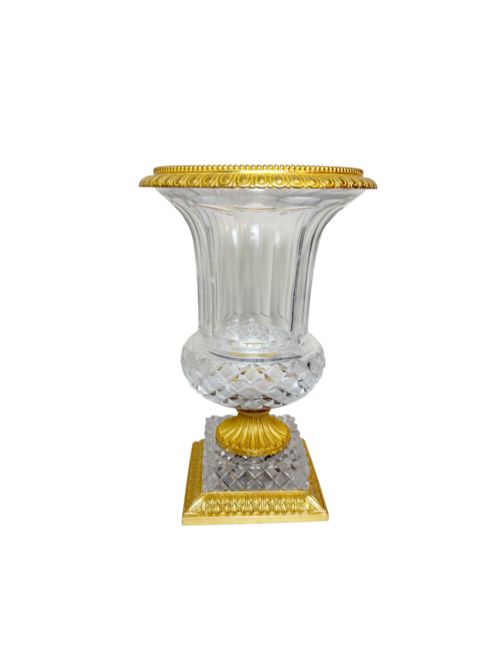
These decorative glass vases bring colour and texture into a room, spanning periods from the nineteenth century through the twentieth.
Decorative Glass Vases
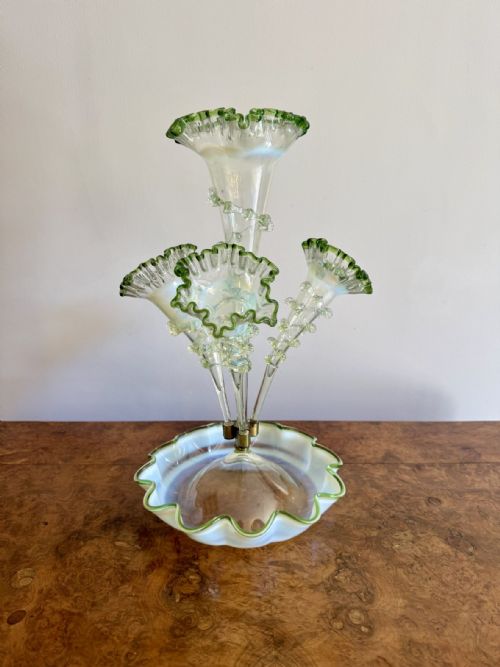
Decorative glass vases encompass vessels shaped as urns, epergnes, and mantel lustres produced across the nineteenth and twentieth centuries. Buyers searching for decorative glass vases encounter forms ranging from Victorian cranberry glass to Art Nouveau iridescent specimens and Art Deco geometric designs.
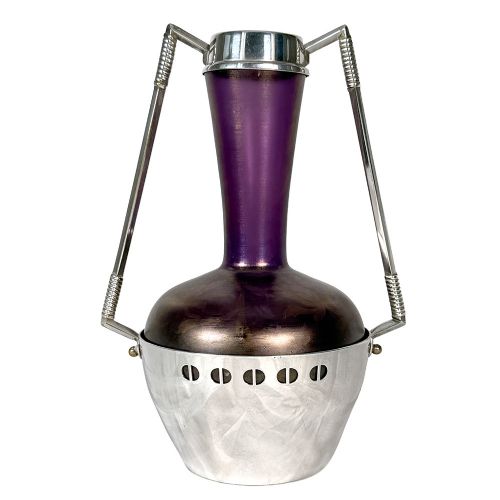
The selection includes English and continental European pieces, featuring works by prominent makers alongside unmarked Victorian tableware. Art Nouveau examples frequently display organic contours, whereas twentieth-century items often show clean geometric lines or stylised natural motifs.
Materials and Techniques
Makers utilised techniques such as hand blowing, acid etching, and cameo carving to shape the glass. Molten material received coloration through metallic oxides, producing shades of cranberry, vaseline green, and opaline white.
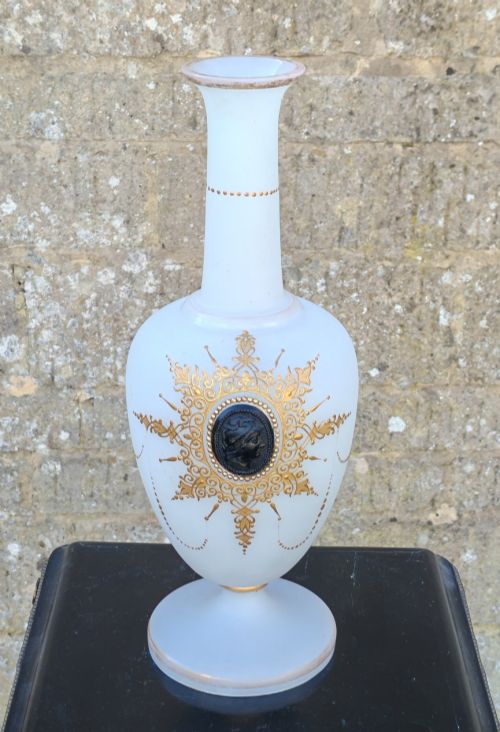
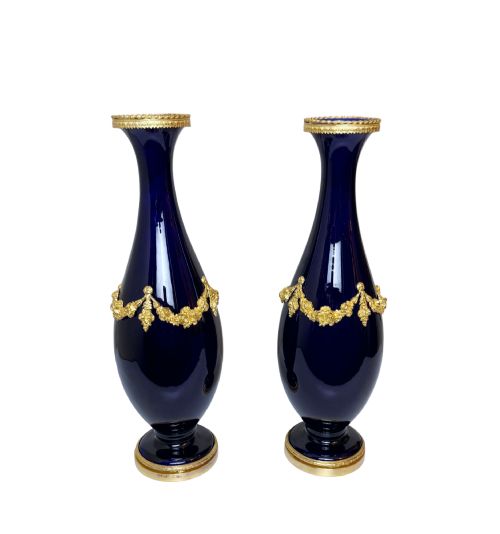
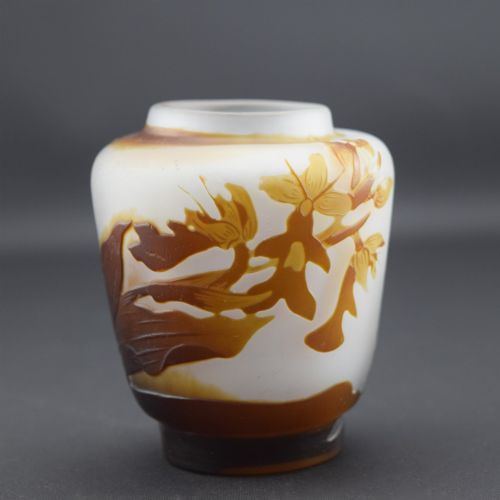
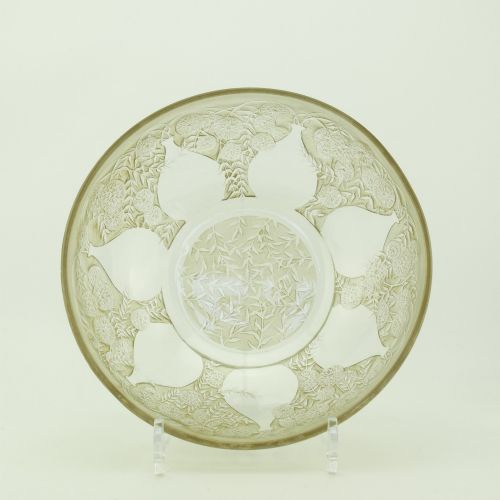
Surface ornamentation often incorporated enamel, gold leaf, and metal mounts in gilt bronze or silver plate. Cameo glass vessels required layers of different coloured glass carved down to reveal contrasting designs.
Decorative Glass Vases Retail Price Guide 2026
Typical asking prices for decorative glass vases among the pieces listed under this phrase on Sellingantiques today, from the lower quarter to the upper quarter. They describe what is for sale here now, not the wider market.
Some Victorian jack-in-the-pulpit vases mimic woodland flowers, capturing botanical forms in molten glass.
Judging Quality and Execution
Quality rests upon the depth of the carving in cameo pieces and the precision of the cut and engraved decoration on crystal. Weight and balance distinguish superior vessels, alongside the even distribution of colour and iridescence across the body.
The integration of metal mounts, whether gilt bronze or silver plate, indicates the tier of the piece. Crisp enamel work and refined contours separate standard production items from masterworks.
Walsh Walsh·Webb England·Kralik·René Lalique·Loetz·Argentor·Pallme Konig·Daum Frères·Thomas Webb·Legras·Emile Galle·Karl Palda
The Decorative Glass Vases Glossary
- Cameo Glass
- Glass vessels created by fusing two or more distinct layers of colour and carving away the outer layer to form a raised design. This technique requires considerable skill to maintain uniform depth across the motif.
- Iridescent Glass
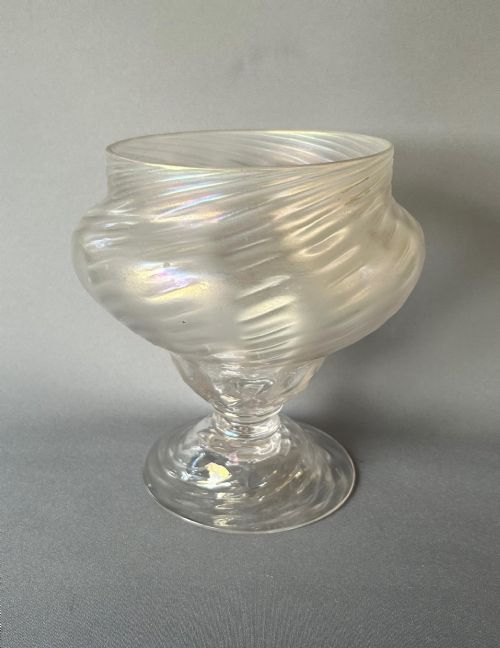
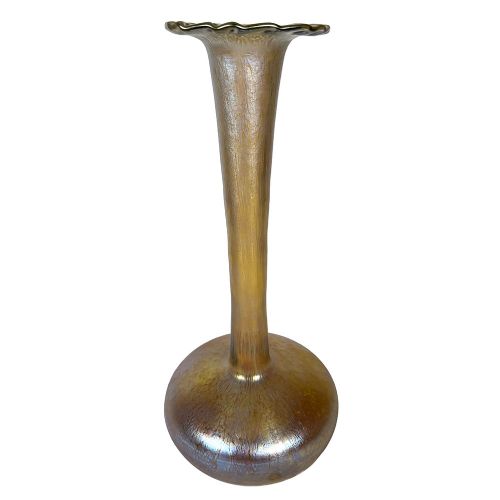
- Glass treated with metallic salts while hot to produce a shimmering, rainbow-like sheen on the surface. Art Nouveau makers utilised this effect extensively to mimic natural phenomena.
- Epergne
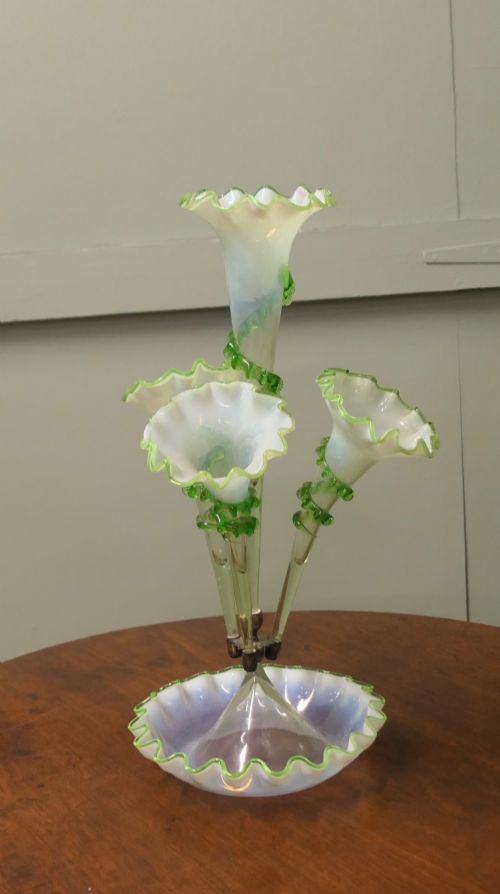
- A centrepiece table ornament featuring a central vase surrounded by smaller detachable trumpets or hanging baskets. Victorian examples in glass often combined vaseline and green hues.
- Opaline Glass
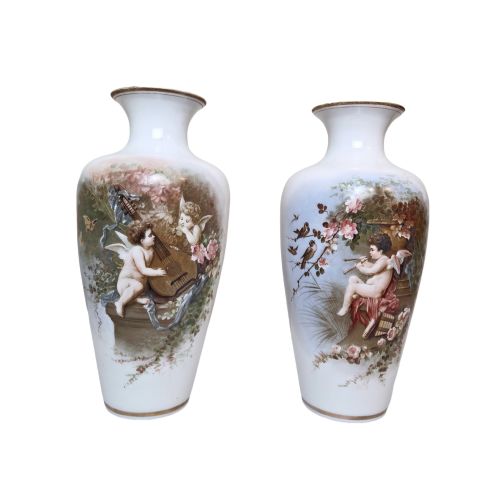
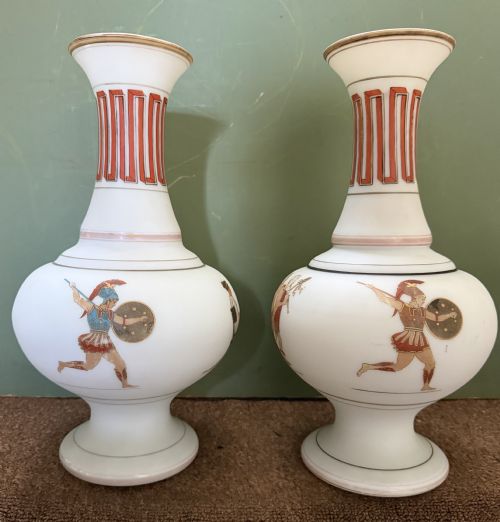
- An opaque or semi-translucent glass developed in France, typically pastel in tone. It frequently served as a blank for hand-painted vignettes or gilt bronze mounts.
- Mantel Lustre
- A decorative vase or urn fitted with hanging glass prisms around the rim. These pieces sat upon fireplaces to catch and reflect the light from candles.
Decorative Glass Vases: Frequently Asked Questions
How do I date an antique glass vase?
Dating relies upon stylistic markers, such as organic Art Nouveau curves or crisp Art Deco geometry, combined with any visible maker signatures or registration marks.
Material characteristics, including the specific hues of Victorian cranberry glass or the methods used to finish pontil marks on the base, provide further chronological clues.
What is cameo glass?
Cameo glass is formed by fusing layers of contrasting coloured glass together before carving away the surface layer to leave a raised design.
Master craftsmen used small wheel cutters and acid baths to execute intricate floral and landscape scenes on these vessels.
How should I display decorative glass vases?
These vessels benefit from placement near natural light sources to illuminate the colours, iridescence, and internal textures of the glass.
Display them on mantelpieces or tables where their profiles can be appreciated without obstruction from surrounding objects.
Are signed glass vases more desirable?
Signatures or factory marks from established makers generally indicate higher artistic intent and documentation of origin.
Unsigned pieces remain collectible provided the material quality, weight, and decorative execution meet high manufacturing standards.