


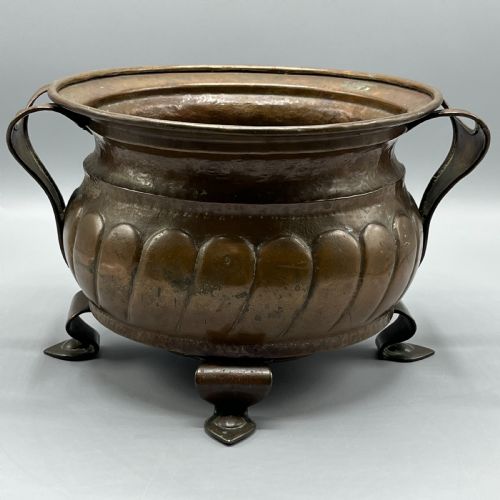
Vintage Flower Planter
These vintage flower planter options combine utility and ornament, bringing structural greenery inside and onto the patio through enduring nineteenth and twentieth century forms.
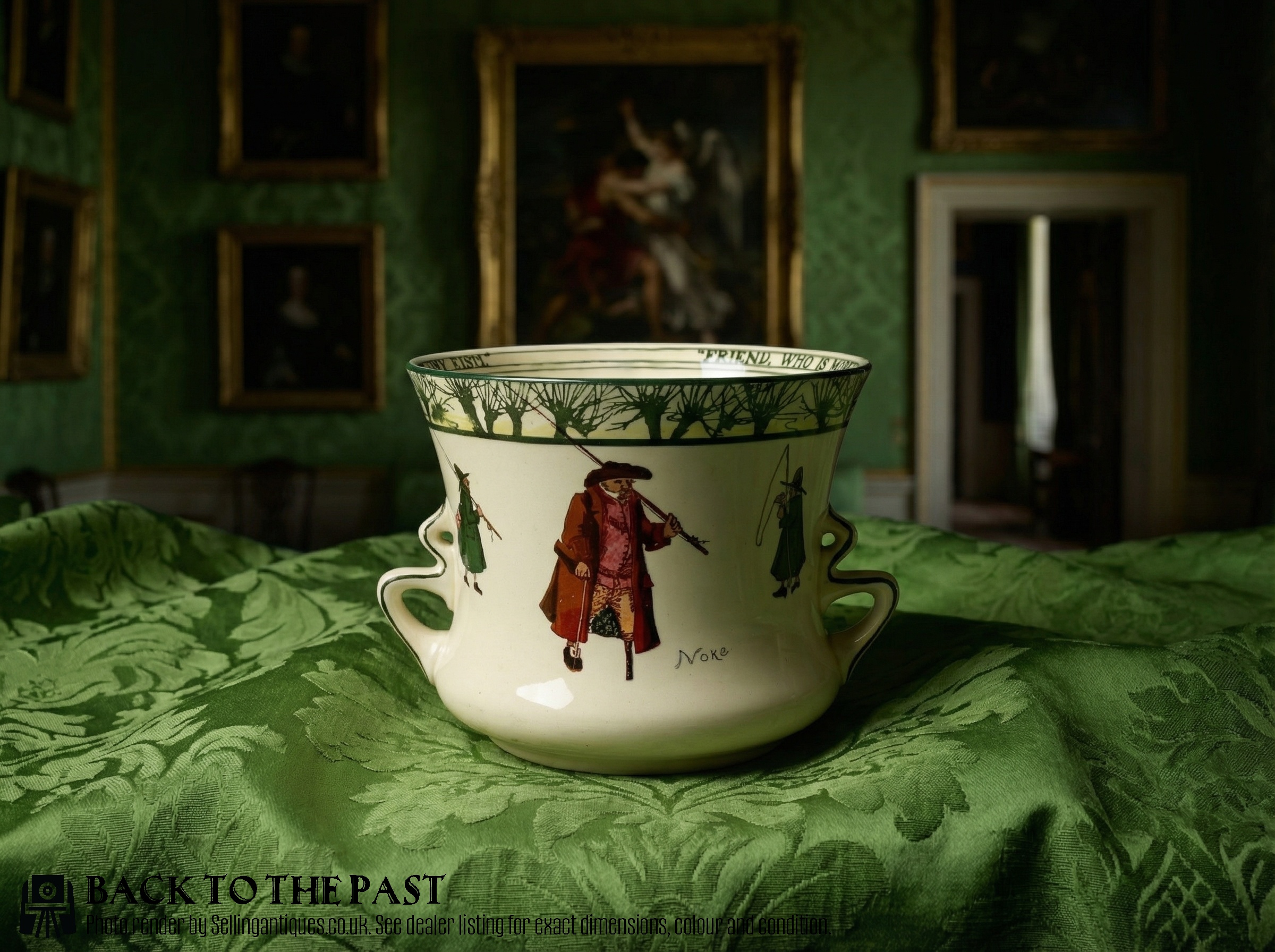
Vintage Flower Planter
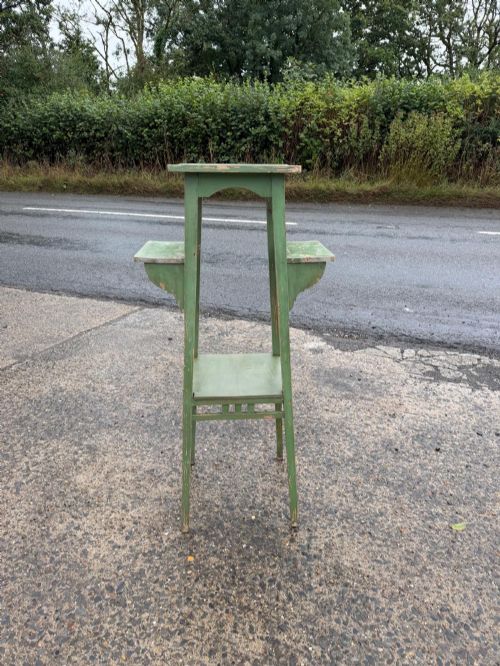
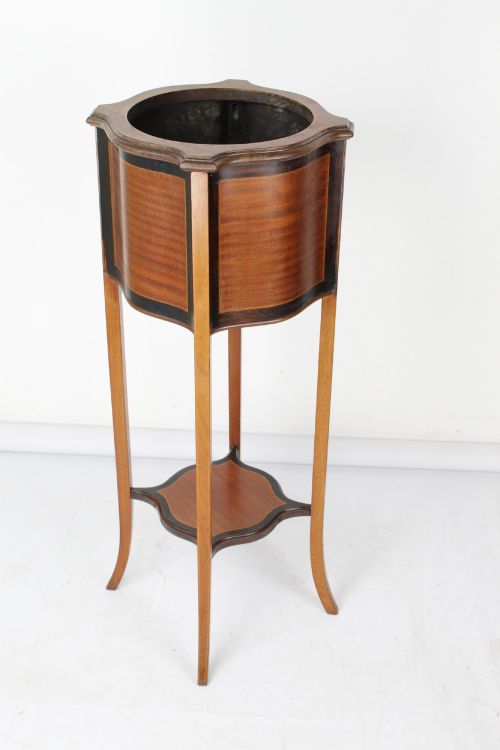
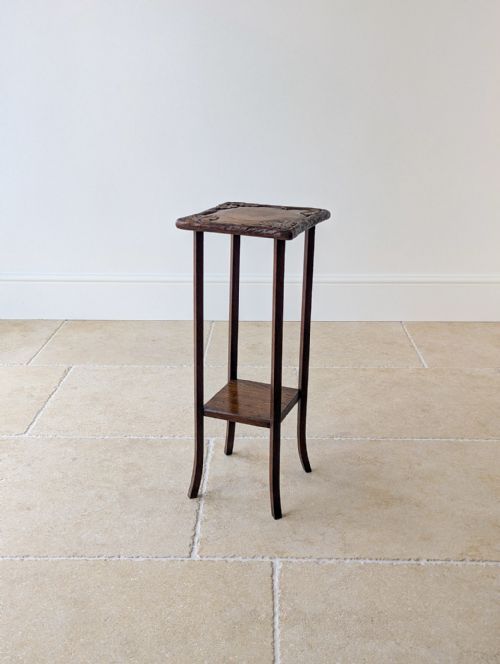
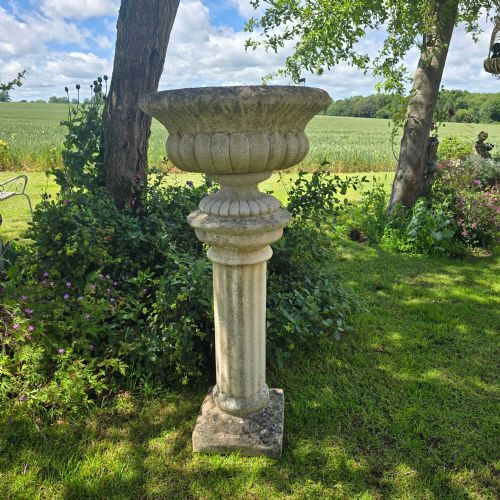
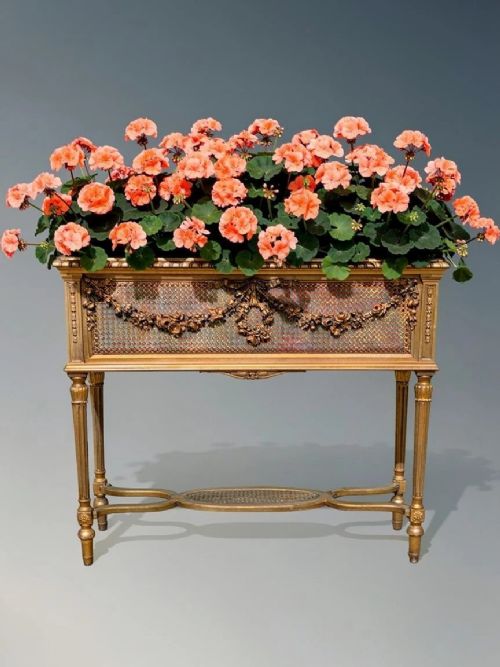
A vintage flower planter brings botanical display into domestic and outdoor spaces through varied historical forms, ranging from towering stands to low floor vessels. When exploring a vintage flower planter, buyers encounter diverse iterations including sturdy garden urns, tiered plant stands, and decorative indoor jardinieres. The pieces span periods from the Georgian era through Victorian, Edwardian, and Arts and Crafts movements, reflecting shifting aesthetic priorities in domestic horticulture.
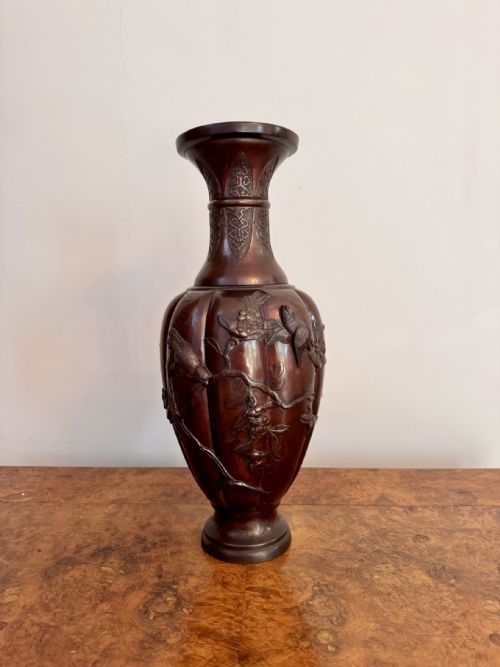
The objects serve distinct horticultural functions, functioning as freestanding pedestals, table centerpieces, or patio focal points. Originating across Britain, France, China, and Japan, these vessels utilise forms native to their respective craft traditions, such as bronze vases and wirework stands. Buyers will find items shaped for specific display purposes, whether supporting trailing foliage or elevating bonsai trees.
Materials and construction
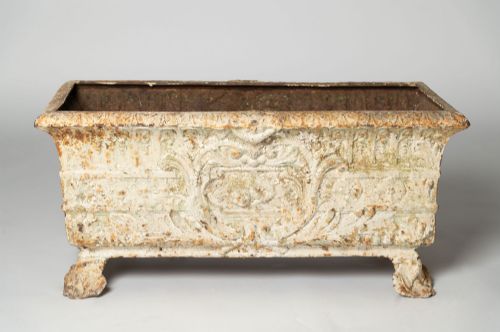
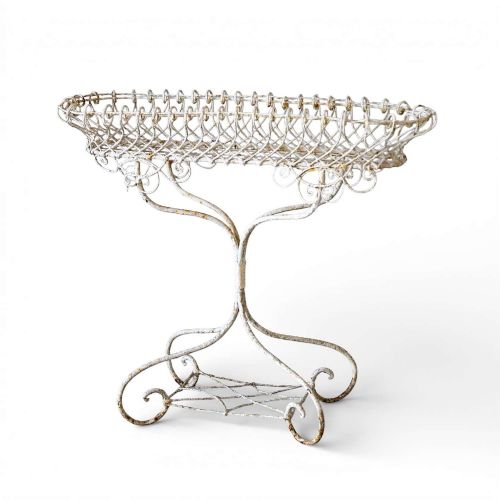
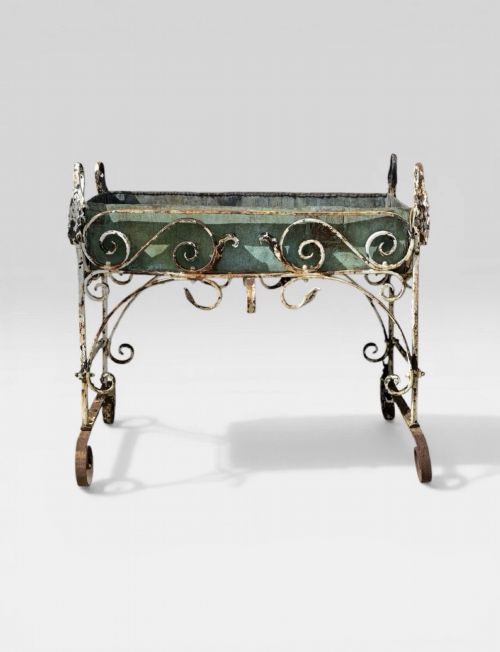
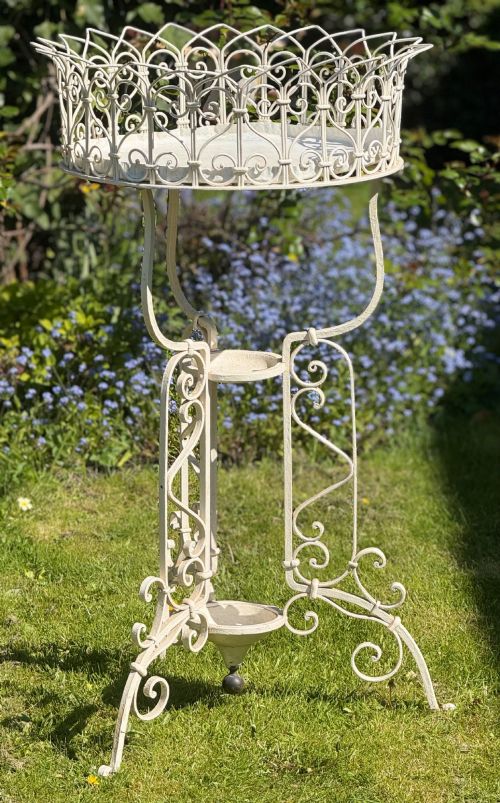
Makers shaped metals such as brass, copper, cast iron, and wrought iron into durable vessels and stands, often employing hand-hammered techniques during the Arts and Crafts period. Forged scrollwork and lattice baskets define many iron stands, whilst copper and brass jardinieres utilise sheet metal manipulation and riveting. Cast iron pieces rely on moulds to produce heavy structural urns and multi-tiered plant stands suited to garden conditions.
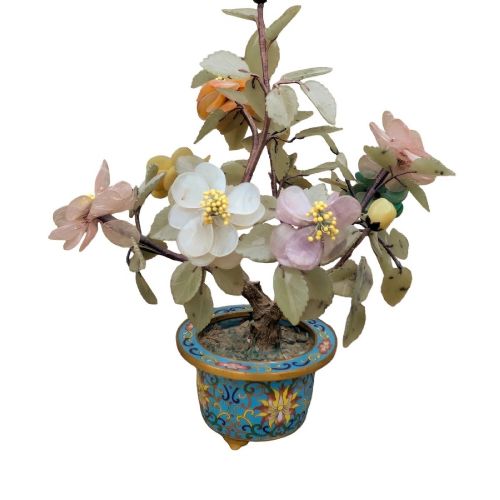
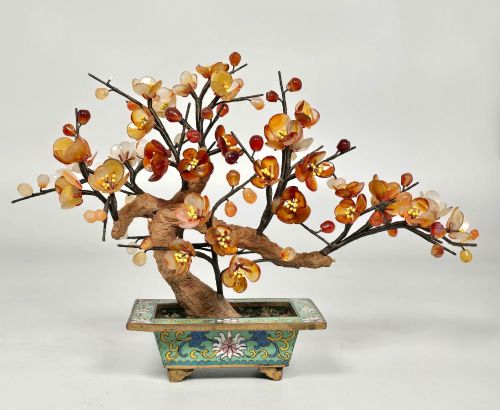
Wood and ceramic examples demonstrate traditional joinery and firing methods, featuring timbers like oak, satinwood, mahogany, and walnut alongside salt-glazed porcelain and earthenware. Chinese and Japanese variants incorporate specialised decorative elements including cloisonne enamel and carved hardstone components. Original paint, giltwood, and cane details further distinguish the surface treatments applied by period artisans.
Recorded periods range from Georgian and Victorian times through Edwardian and later twentieth-century decades.
Evaluating the pieces
Quality rests in the integrity of the material thickness and the precision of the hand-worked details, distinguishing mass-produced items from superior workshop output. Metal vessels display finer execution through crisp hammer marks, robust joints, and well-cast decorative mounts rather than superficial finishing. Wooden stands rely on sound timber selection and tight joinery that maintains structural stability over decades of use.
The harmony of proportion and the preservation of original surfaces dictate desirability among collectors. Examples retaining authentic patination, original paint, or complete associated stands command greater interest than altered or heavily restored pieces. The sophistication of stylistic ornament, whether Art Nouveau sinuous lines or Arts and Crafts restraint, marks the distinction between standard and exceptional manufacture.
J Sankey and Sons·Enoch Wood and Sons
The Vintage Flower Planter Glossary
- Jardiniere
- An ornamental pot or stand for holding plants or flowers, typically designed for interior display. These vessels appear in ceramic, metal, and wood across various historical periods.
- Torchere
- A tall stand or pedestal originally intended to hold a torch or candle, later adapted for displaying plants and vases. These vertical wooden or metal supports elevate greenery within a room.
- Cloisonne
- An ancient technique for decorating metalwork objects with coloured glass paste separated by strips of metal wire. This method appears frequently on decorative Asian floral vessels.
- Cache pot
- A decorative flowerpot used to conceal a plain inner plant pot, typically featuring a solid base to catch drainage. These items range from simple ceramic pots to elaborate metal containers.
- Wirework
- Open framework constructed from interlaced metal wire, commonly utilised in nineteenth-century plant stands and garden baskets. This technique provides lightweight strength for supporting botanical arrangements.
Vintage Flower Planter: Frequently Asked Questions
What is a jardiniere?
A jardiniere is a decorative container designed to hold plants or flowers, functioning primarily as an ornamental pot rather than a direct growing vessel.
These pieces sit on tables, floors, or dedicated stands, bringing botanical elements into interior spaces.
How do I care for antique metal planters?
Historic metal vessels require gentle cleaning with dry or slightly damp cloths to preserve their natural patination and surface finishes.
Avoid abrasive chemical polishes that strip away age-related character, and protect interior surfaces from moisture if using live plants.
Can I use these plant stands outdoors?
Suitability for outdoor use depends entirely on the original material and construction of each specific piece.
Cast iron, lead, and wrought iron items handle garden environments well, whereas delicate wood, giltwood, and interior brass require sheltered indoor placement.
How do I identify the period of a plant stand?
Dating relies on examining material composition, construction techniques, and stylistic markers characteristic of specific eras like Arts and Crafts or Victorian.
Comparing the decorative motifs and manufacturing methods against documented examples helps establish the likely period of origin.