

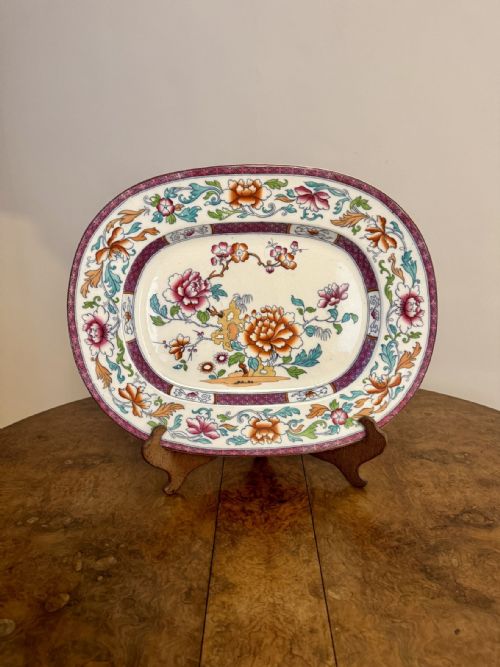


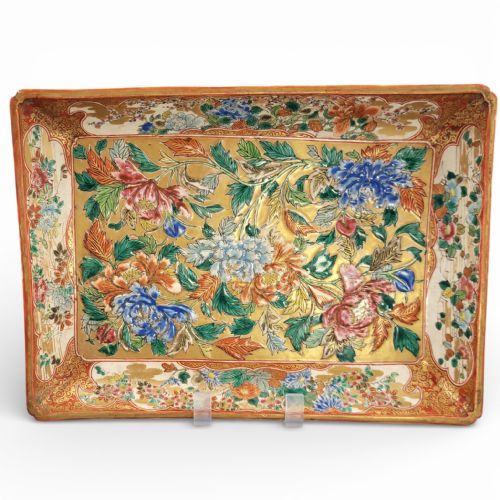

Vintage Floral Tray Platter
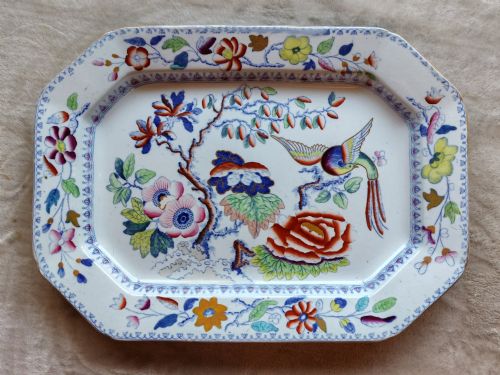
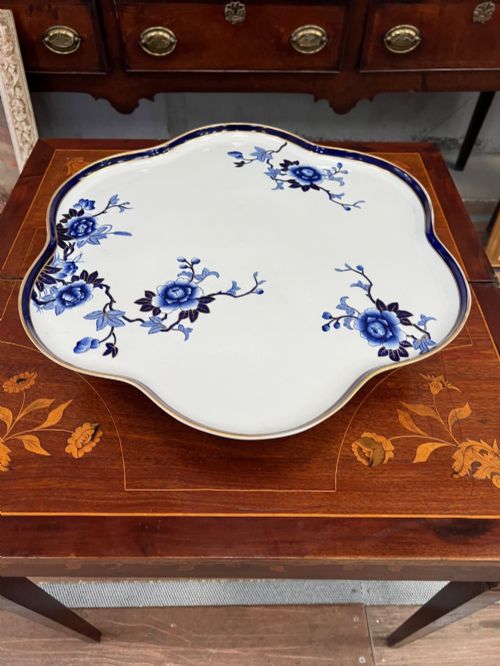
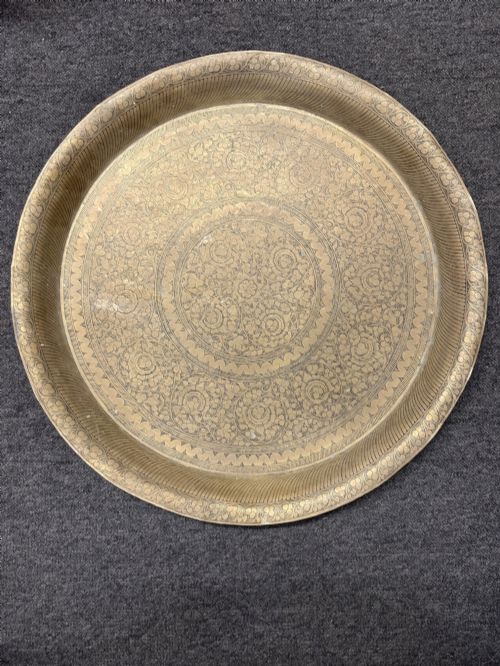
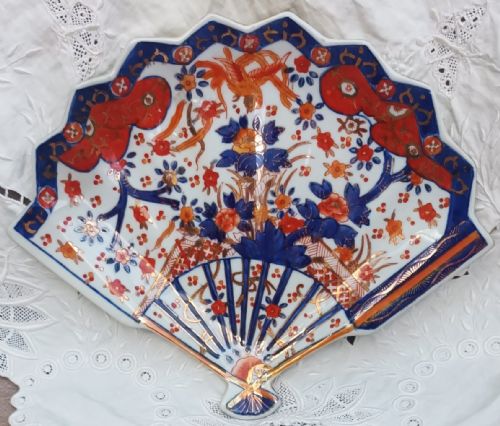
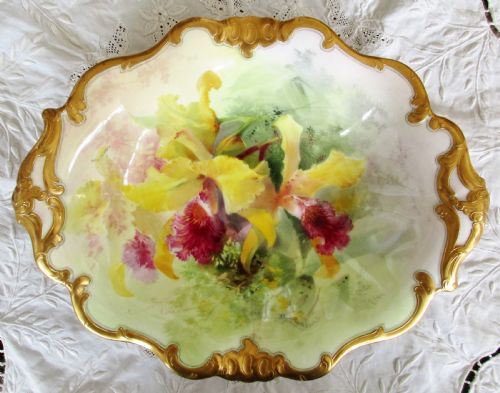
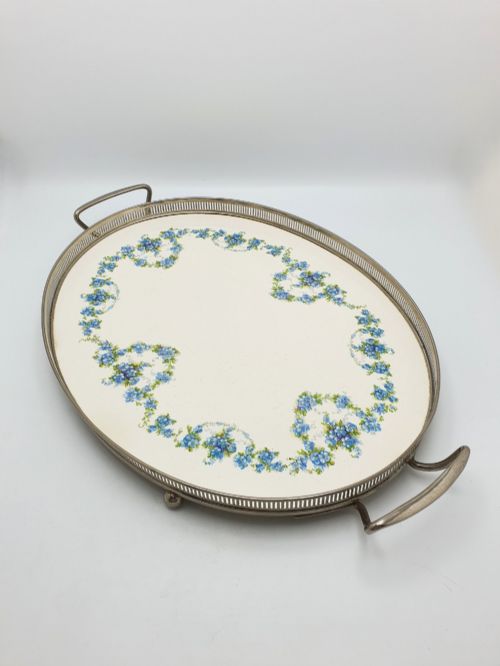
A vintage floral tray platter brings hand-painted blossoms and serving utility together, offering a practical centrepiece for display or hospitality.
Vintage Floral Tray Platter
A vintage floral tray platter encompasses diverse serving vessels and decorative dishes featuring botanical motifs across multiple periods. Buyers seeking a vintage floral tray platter encounter porcelain, earthenware, and metal forms spanning the nineteenth century through the early twentieth century.
The selection ranges from large Victorian meat platters and cabinet dishes to continental oval serving trays and Japanese porcelain pieces. English earthenware, porcelain, and silver plate dominate the available forms, reflecting domestic dining and decorative customs of past eras.
Materials and construction methods
Makers utilised ceramic bodies such as porcelain, earthenware, and ironstone, decorated with underglaze blue, enamel colours, and gold leaf. Metal examples employ silver plate, copper, old Sheffield plate, and cloisonne enamel over metal bases.
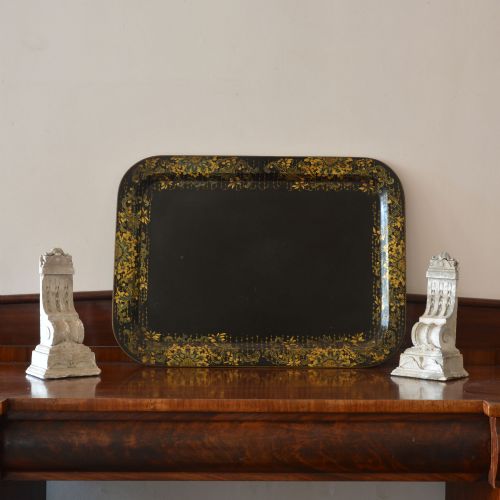
Surface ornamentation combines transfer printing, hand painting, and etched glass or mirrored panels set within wood or metal frames. Papier-mâché and tôleware provide lightweight alternatives shaped for decorative display and serving.
Vintage Floral Tray Platter Retail Price Guide 2026
Typical asking prices for vintage floral tray platter among the pieces listed under this phrase on Sellingantiques today, from the lower quarter to the upper quarter. They describe what is for sale here now, not the wider market.
Factors of distinction
Quality rests in the crispness of the botanical hand painting, the fidelity of transfer printing, and the preservation of gilded highlights. Superior pieces display balanced composition and secure mounting of handles and feet.
The sophistication of the ceramic paste, the depth of silver plating, and the intricacy of enamel work separate standard utilitarian items from finer cabinet pieces and signed works.
Spode·Royal Doulton·Minton·Royal Crown Derby·John Rogers and Son
The Vintage Floral Tray Platter Glossary
- Ashet
- A large plate or platter used for serving meat at the table. The term appears frequently in Scottish and northern English contexts for earthenware and ironstone vessels.
- Cabinet Dish
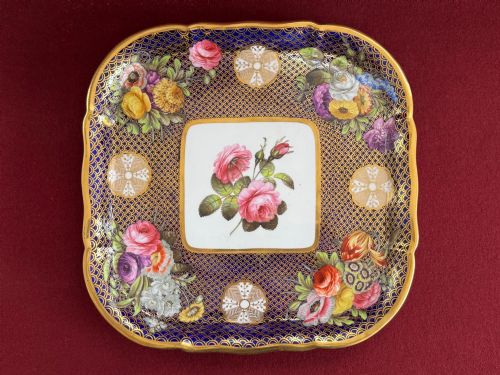
- A decorative ceramic plate intended for display in a cabinet rather than for serving food. These pieces often feature detailed hand-painted botanical or figurative subjects.
- Tôleware
- Painted or enamelled sheet metalware produced extensively in the eighteenth and nineteenth centuries. It often exhibits intricate floral decoration on dark lacquer grounds.
- Cloisonne
- A decorative metalwork technique where thin wire partitions create compartments filled with enamel paste and fired. Japanese examples frequently incorporate bird and floral motifs.
- Old Sheffield Plate
- A composite material formed by fusing a sheet of silver to a copper ingot before rolling into plates. This technique precedes modern electroplating.
Vintage Floral Tray Platter: Frequently Asked Questions
How do I date a ceramic platter?
Ceramic platters are dated through manufacturer backstamps, glaze characteristics, and the style of the transfer print or hand-painted design. Shape and weight of the pottery body also offer clues to the period of manufacture.
Comparing the border patterns and floral arrangements to documented factory patterns helps narrow the decade of production.
Can I use these trays for serving food?
Many ceramic and metal trays remain suitable for serving food, provided the glaze and surface metal are stable. Earthenware and porcelain pieces function well for dry or cold items.
Silver-plated and antique painted surfaces require gentle hand washing to preserve the finish and prevent chemical damage.
What is the difference between a tray and a platter?
Platters are typically oval or rectangular dishes designed specifically for presenting meat or large courses at the dining table. Trays often include raised edges or handles and serve a broader function for carrying drinks or afternoon tea.
Many antique examples bridge both categories, serving as functional tableware and decorative display items.
How should I display a cabinet dish?
Cabinet dishes are best supported on stable plate stands designed to distribute weight evenly across the base and rim. Placing them away from direct sunlight protects enamel colours and gold leaf from fading.
Wall mounting requires secure wire hangers specifically sized to the diameter and depth of the ceramic piece.