


Gilded Floral China Dish
These pieces combine painted blooms with precious metal surfaces, offering a refined table display suited to traditional interiors.
Gilded Floral China Dish
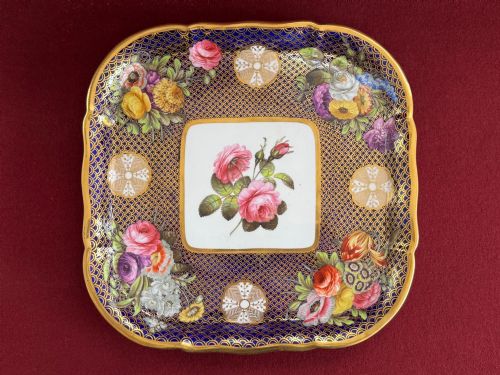
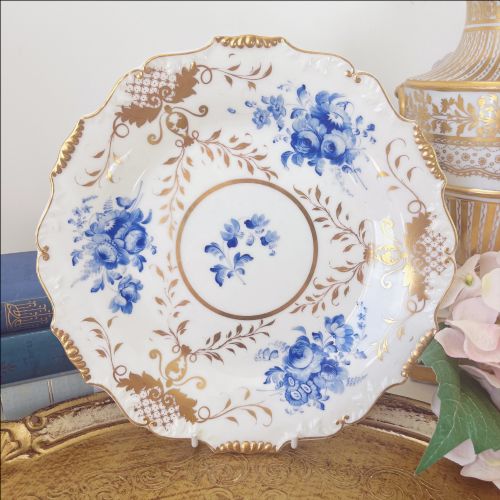
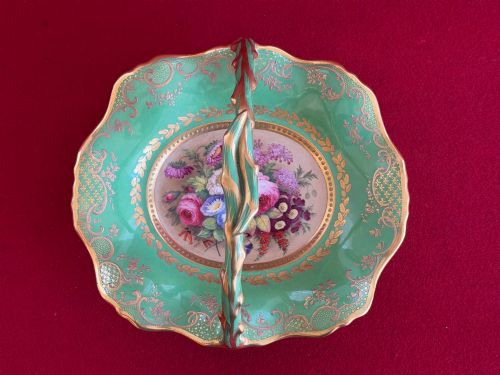
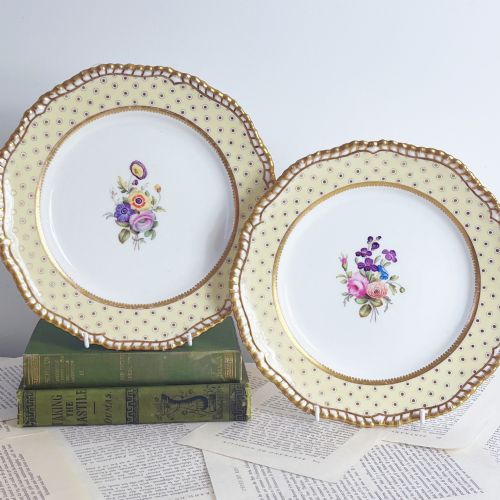
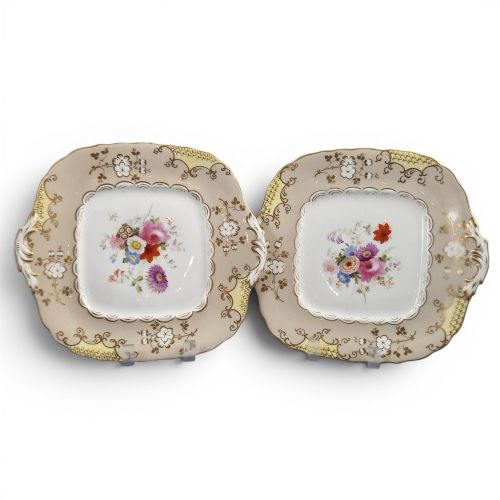
When you search for a gilded floral china dish, you encounter a variety of serving vessels, dessert plates, and cabinet pieces designed for display or dining. The selections span English and continental potteries, originating across the Georgian, Regency, and Victorian periods.
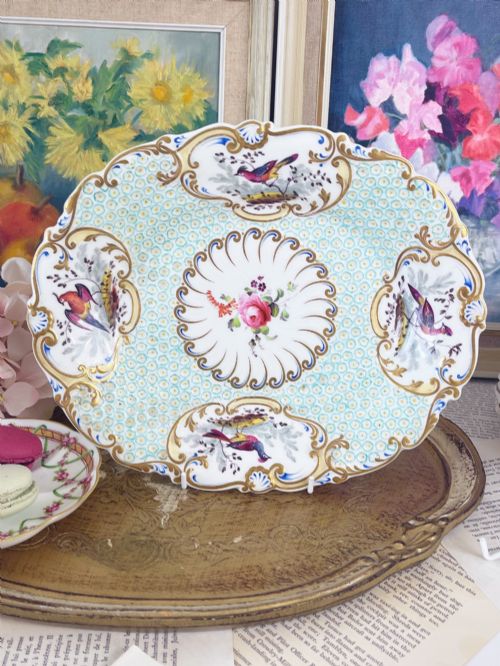
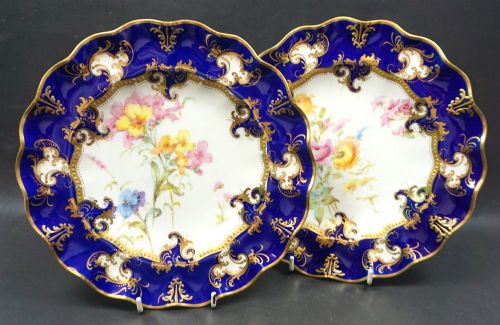
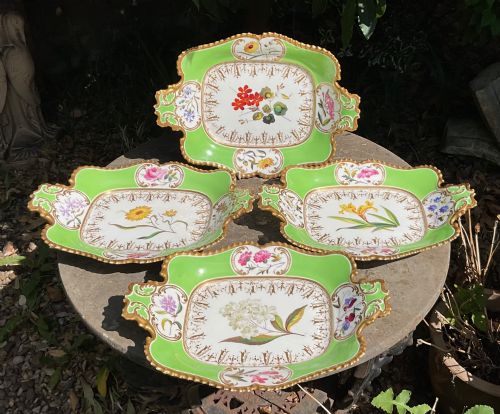
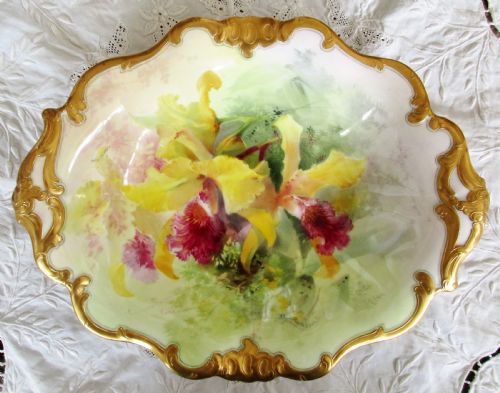
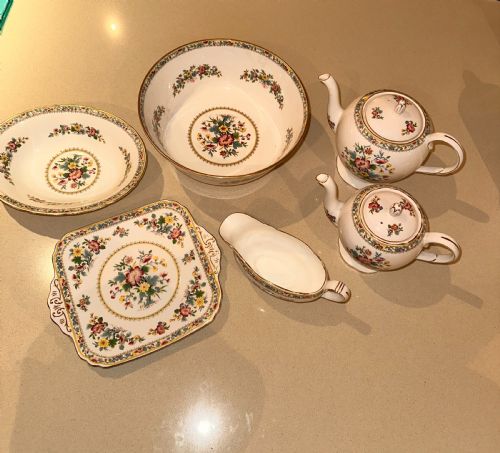
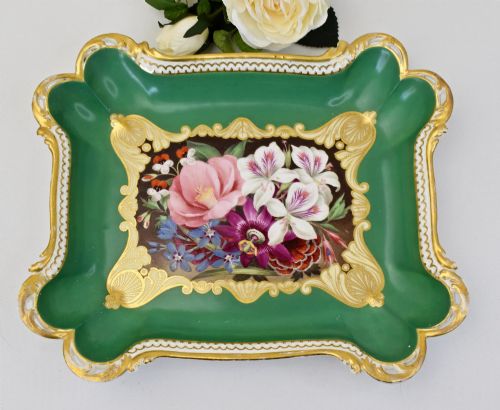
You will most frequently meet cabinet plates and dessert dishes featuring hand-painted botanical motifs alongside applied gold leaf or gilt enrichment. These objects range from single display items to parts of larger services made by prominent historical factories.
Materials and production techniques
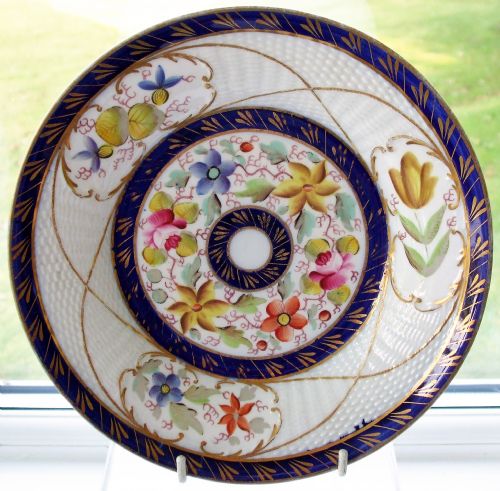
Potters utilised fine porcelain, bone china, and ironstone as the foundational bodies for these plates and dishes. Artisans applied hand-painted enamel colours directly to the glazed surfaces to depict botanical subjects, birds, and bouquets.
Gilding was added using gold leaf or liquid gold preparations, which were subsequently fired and burnished to achieve a bright finish. Moulded details such as basketweave textures or shaped borders frequently accompanied these painted and gilded schemes.
Several plates preserve the exact hand-written pattern numbers applied by nineteenth-century decorators before the paint was even dry.
Defining characteristics of superior examples
The distinction between standard items and the finest examples rests upon the precision of the hand-painting and the depth of the gilding. Skilled botanical artistry executed with fine brushwork elevates a piece above routine transfer-printed or simply decorated stock.
The weight, translucency, and purity of the porcelain body also determine standard, alongside the complexity of moulded shapes and the preservation of the burnished gold over decades of use.
Spode·H & R Daniel·Royal Crown Derby·Chamberlains Worcester·Royal Doulton·Coalport·New Hall·Doe & Rogers·Meissen·Pucher Deroche·Minton·Copeland·Chantilly·Royal Worcester·Wedgwood·Mason·Ridgway·Nantgarw·Paul Müller Selb
The Gilded Floral China Dish Glossary
- Gilt
- A thin layer of gold applied to the ceramic surface for decorative effect. This finish requires careful cleaning to prevent surface abrasion.
- Bone china
- A type of porcelain incorporating bone ash, resulting in a strong, translucent body. It became a staple material for English factories during the nineteenth century.
- Ironstone
- A heavy earthenware ceramic patented for its durability. It provides a robust alternative to softer porcelains.
- Comport
- A raised dish or bowl used for serving fruit or sweets at dessert. These pieces stand on a pedestal base above the table surface.
- Cabinet plate
- A decorative plate intended for display in a cabinet rather than for functional dining use. These items typically exhibit superior artistic detail.
Gilded Floral China Dish: Frequently Asked Questions
Were these dishes meant for daily dining?
Many of these items, particularly dessert plates and cabinet dishes, were produced for formal entertaining or decorative display rather than everyday use. Their precious materials required careful handling during dessert courses.
Service pieces like comports and platters formed part of large dining suites reserved for special occasions and wealthy households.
How can I tell the period of a plate?
Examine the factory marks stamped or painted on the underside, alongside the style of the ceramic body and the painting technique. Georgian and Regency pieces often feature handwritten pattern numbers rather than printed factory marks.
Victorian and later items frequently incorporate impressed registration numbers or specific company ciphers that allow for precise dating.
What is the difference between porcelain and ironstone?
Porcelain is a fine, vitrified ceramic that is typically white and translucent when held to the light. It offers a delicate appearance suited to cabinet display and refined dessert services.
Ironstone is a dense, opaque earthenware designed for durability and heavy everyday use. It provides a thicker body while still accepting detailed hand-painting and gilding.