





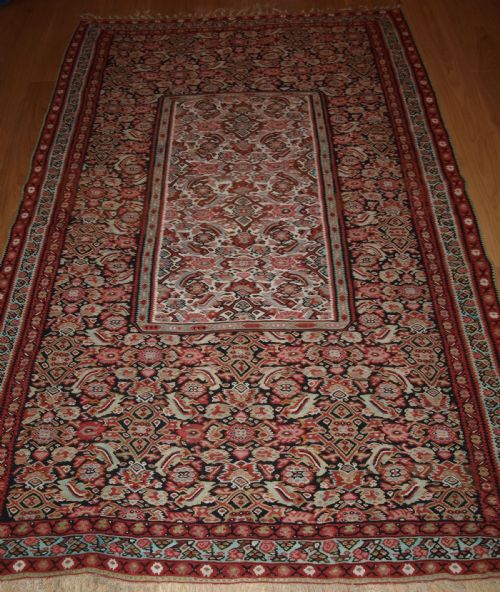
Vintage Flatweave Mat
These vintage flatweave mat pieces bring genuine tribal character and authentic nomadic craft into modern interiors.
Vintage Flatweave Mat
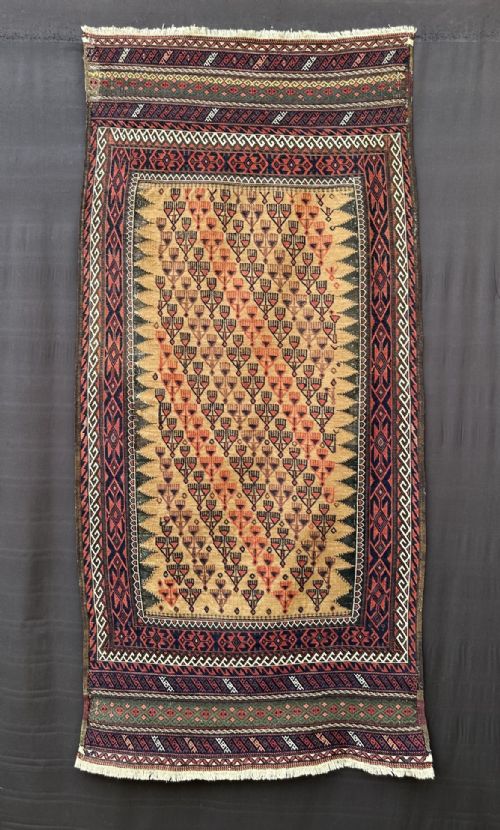
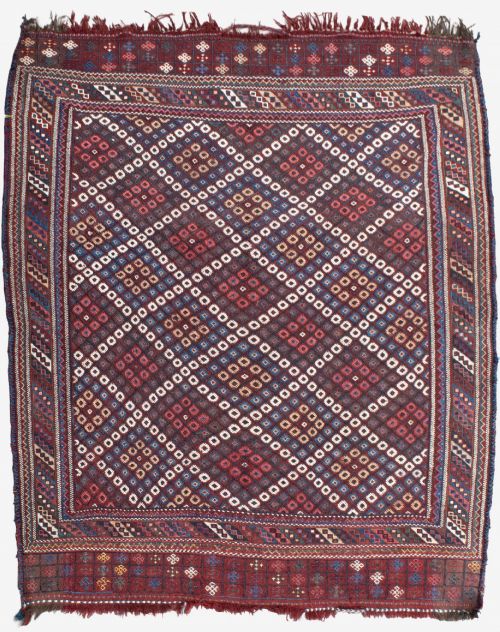
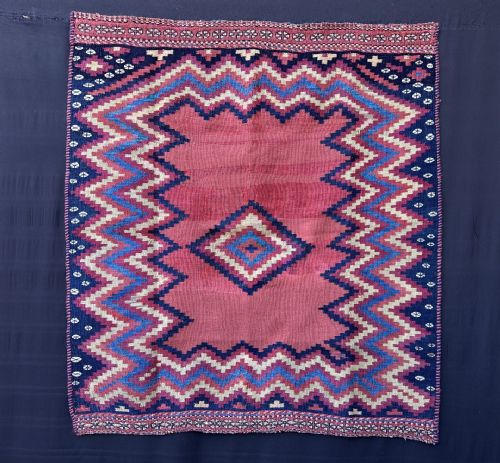
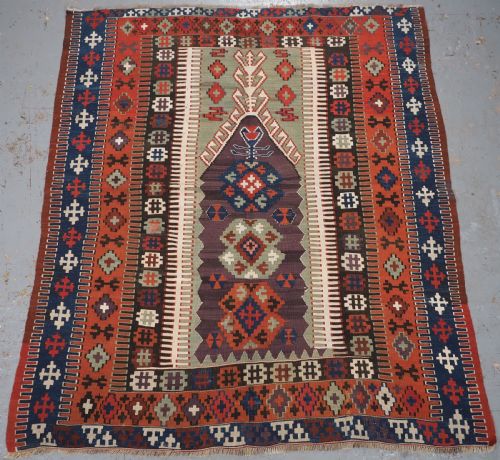
When you search for a vintage flatweave mat, you encounter traditional tribal textiles and functional cloths created by nomadic and village makers. These pieces span from the late nineteenth century through the early decades of the twentieth century, originating primarily across Persian, Anatolian, Balkan, and Turkmen regions.
The selections you meet here are dominated by utilitarian flatweaves, particularly sofreh dining and bread cloths, alongside prayer rugs and kilims. Such items were woven for domestic tribal life rather than commercial export, carrying authentic regional designs and tribal motifs.
How they were made
The materials rely heavily on locally sourced wool, cotton, camel hair, and natural dyes derived from plants and minerals. These organic fibres provide the sturdy foundation and characteristic tactile warmth found in nomadic textiles.
Weavers employed traditional flatweave techniques without pile, such as tapestry weaving and mixed techniques incorporating soumak wrapping. This construction yields a durable, thin textile well-suited to nomadic transport and daily utility.
The listings show pieces originating from Persian, Anatolian, and Balkan regions, spanning the late nineteenth century to the 1930s.
What varies in quality
Quality separates along the fineness of the weave and the complexity of the tribal iconography expressed across the field. Tighter structural knotting and precise geometric layouts distinguish superior pieces from simpler utilitarian examples.
The depth and preservation of natural dye palettes also dictate the standing of a piece, alongside the intact survival of original kilim ends and borders. Rich, unblemished colour saturation elevates the stature of these ethnographic textiles.
The Vintage Flatweave Mat Glossary
- Sofreh
- A woven spread or cloth used traditionally for dining or bread preparation among Persian nomadic tribes. These textiles often feature striking tribal symbols and stark geometric formats.
- Kilim
- A flatwoven carpet or rug produced by tightly interweaving warp and weft strands to create a smooth surface without pile. This technique produces reversible textiles with crisp pattern definition.
- Soumak
- A brocade-like flatweaving technique where decorative threads are wrapped over the warp threads before passing back. This method adds structural weight and raised surface texture to the textile.
- Prayer rug
- A small textile featuring a mihrab or arch design indicating the direction of prayer, utilised for personal devotion. These rugs reflect the specific regional weaving traditions of their makers.
- Natural dyes
- Colourants extracted from organic sources such as plants, roots, and insects prior to synthetic dye adoption. They impart nuanced, harmonious tones that age with distinct patination.
Vintage Flatweave Mat: Frequently Asked Questions
What is a sofreh?
A sofreh is a specialised tribal cloth woven for eating, serving meals, or handling dough in nomadic households.
These textiles were central to daily domestic rituals, possessing distinct geometric designs particular to the tribe that made them.
How do I clean a flatweave?
Gentle surface vacuuming without a beater bar and professional textile cleaning preserve the structure of antique flatweaves.
Avoid vigorous scrubbing or harsh chemical immersion to protect the natural wool fibres and organic dyes.
Where were these rugs made?
The pieces originate from tribal and village regions across Persia, Anatolia, the Caucasus, and the Balkans.
Nomadic groups such as the Afshar, Timuri, Lor, and Yomut Turkmen produced these textiles for their own use.
Are these flatweaves reversible?
Many flatweaves display similar patterns on both sides due to the tapestry weaving technique employed.
While functional use typically favours the intended top face, the flat construction lacks a traditional knotted pile.