



Antique Bread Mat
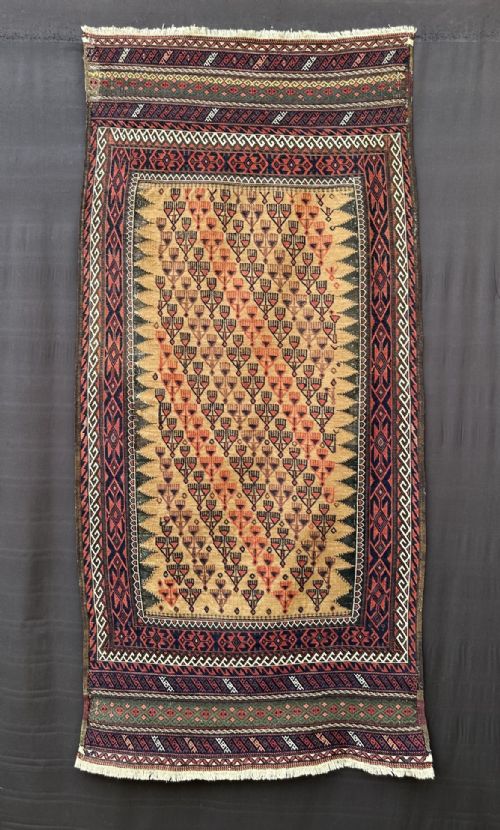
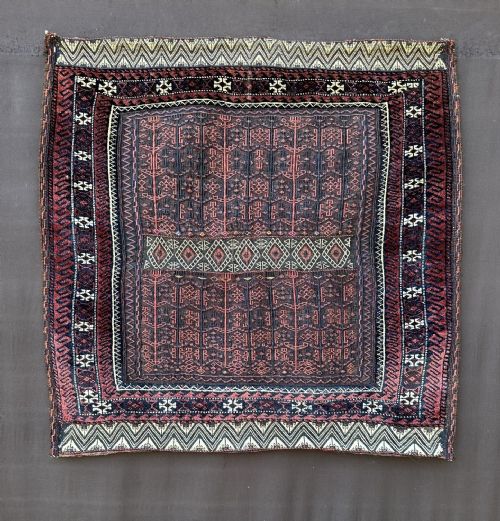
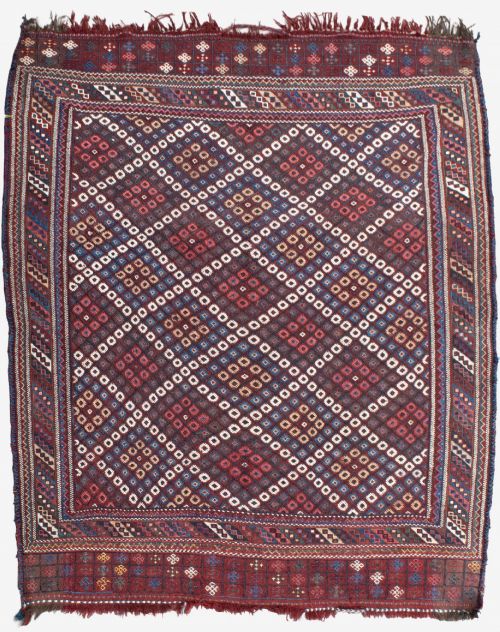
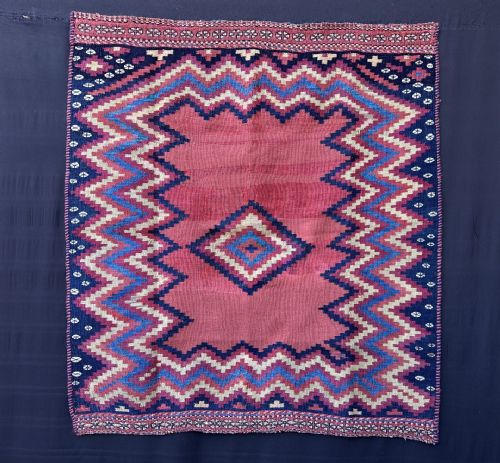
These antique bread mat examples are tribal flatweave textiles from Persia and Afghanistan, prized for authentic nomadic craft and geometric design.
Antique Bread Mat
When you search for an antique bread mat, you are examining flatweave textiles traditionally used for dining or baking by nomadic and tribal groups. The pieces collected under this term include Sofreh and kilim flatweaves originating from regions such as Kerman, Luristan, and the borderlands of Persia and Afghanistan.
You are most likely to meet tribal flatweaves associated with the Afshar nomads, Timuri tribes, and Lor weavers. These flatweave rugs and textiles date from the late nineteenth century into the early twentieth century, spanning decades of traditional domestic use.
How they were made
Weavers utilised wool, cotton, and camel hair, spun by hand and dyed using natural dyes. These organic materials formed durable flatweaves suited to the daily routines of nomadic life.
The construction relies on flatweave techniques rather than knotted piles, resulting in thin, supple textiles. Tribal weavers patterned these surfaces with geometric motifs reflecting regional traditions.
Listings feature flatweave rugs and textiles spanning the late nineteenth century and the early decades of the twentieth century.
What varies in quality
The distinction between ordinary and superior pieces rests on the handling of natural dyes and the crispness of the tribal weaving. Master weavers achieved depth of colour through careful preparation, while lesser examples show flat or muddy tones.
Structural integrity also separates the range, as well-preserved edges and intact tribal designs command greater appreciation. The fineness of the wool and camel hair spin further defines the standard of the textile.
The Antique Bread Mat Glossary
- Sofreh
- A flatweave cloth used traditionally for preparing, serving, or wrapping bread and dining. These textiles often display distinctive tribal iconography.
- Kilim
- A tapestry-woven carpet or flatweave lacking a pile. This construction method produces a lightweight and versatile fabric.
- Flatweave
- A textile produced by interweaving warp and weft threads without knotting tufts. The resulting fabric lies thin and flat.
- Natural Dyes
- Colourants derived from plants, roots, and insects rather than synthetic compounds. These dyes yield rich, complex hues that age gracefully.
Antique Bread Mat: Frequently Asked Questions
What is an antique bread mat used for?
These textiles served practical domestic roles within nomadic households, specifically for kneading, resting, and wrapping flatbreads. They also functioned as cloths for communal dining on the ground.
Over time, collectors transitioned these utilitarian objects into decorative wall hangings and floor flatweaves. Their durable flatweave construction allows them to endure gentle modern placement.
Where do these flatweaves originate?
The pieces originate primarily from tribal and nomadic regions across Persia and Afghanistan. Specific groups such as the Afshar, Timuri, and Lor weavers produced these textiles.
Different geographical areas developed distinct palettes and geometric layouts. This regional variation allows collectors to attribute pieces to specific provinces and tribal confederations.
How do I care for a tribal flatweave?
Protect the textile from direct sunlight to prevent natural dyes from fading over prolonged periods. Gentle vacuuming without a beater bar removes trapped dust effectively.
Professional textile conservators should handle any necessary cleaning or stabilization. Avoid harsh chemical treatments that can damage historic wool and camel hair fibres.
How are different tribal styles identified?
Identification relies on examining the specific geometric motifs, border arrangements, and structural weaves characteristic of particular tribes. Afshar and Timuri pieces display distinct regional design vocabularies.
Palettes also provide clues, as different nomadic groups utilised local plants for natural dyes. Comparing wool preparation and weave density helps narrow down the origin.