
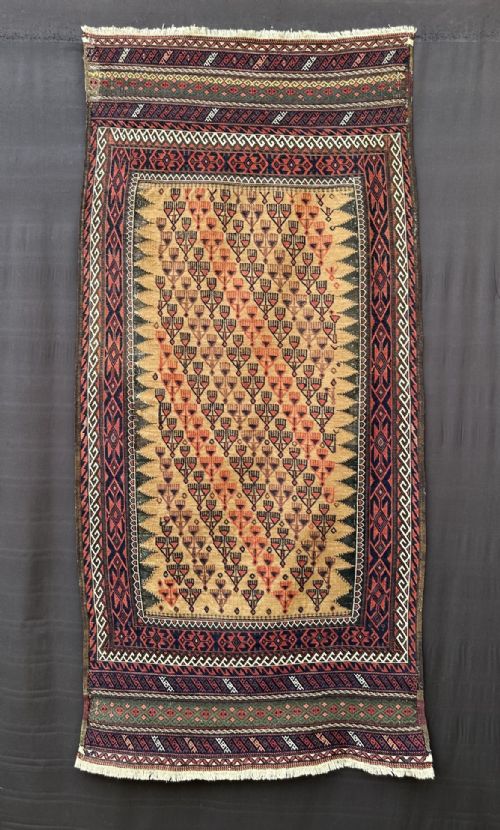
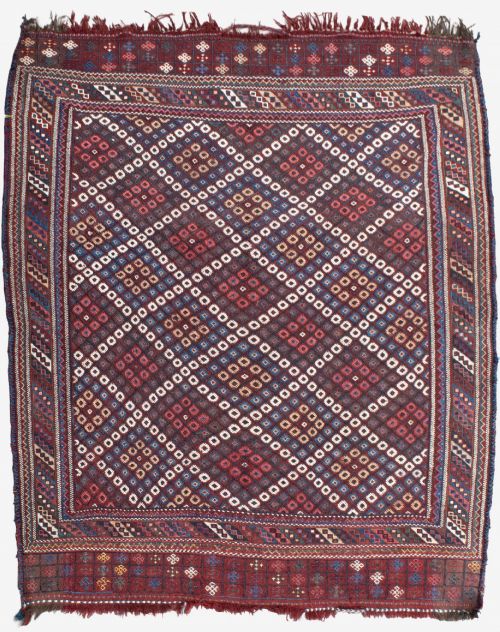


Handwoven Persian Sofreh
These handwoven persian sofreh are tribal textiles made for dining and bread preparation, bringing authentic nomadic history directly into your home.
Handwoven Persian Sofreh
A handwoven persian sofreh is a traditional tribal textile traditionally used for dining or bread making by nomadic groups across Persia. You will most frequently encounter flatweave rugs and kilims produced by groups such as the Afshar, Timuri, Djhan Beghi, and Lor tribes.
These pieces originate from diverse regions including Kerman, Luristan, Kamo, and the borderlands of north-east Persia and north-west Afghanistan. Dating spans from the late nineteenth century through to the early decades of the twentieth century, specifically covering periods from eighteen seventy to nineteen twenty.
The objects serve primarily as functional domestic textiles rather than decorative floor coverings. Their forms include dining sofreh and bread sofreh, reflecting the daily communal life of tribal makers.
How they were made
Makers utilised natural fibres including wool, cotton, and camel hair to construct these durable flatweaves. The combination of these materials provided both the structural strength needed for daily domestic use and the soft texture characteristic of tribal textiles.
Weaving techniques rely on flatweave and kilim construction methods, executed by tribal hands without the pile found in standard carpets. This method produced lightweight, flexible cloths suitable for spreading on the ground during meals.
Listings feature wool, cotton, and camel hair across pieces dated from eighteen seventy to nineteen twenty.
What varies in quality
Quality in a handwoven persian sofreh rests in the tightness of the weave and the precision of the flatweave structure. Finer examples display meticulous control over the tension of the wool and camel hair yarns.
The sophistication of tribal designs and the clarity of regional motifs distinguish superior pieces. Tribal origin and adherence to authentic nomadic patterns heavily influence the character of each textile.
The Handwoven Persian Sofreh Glossary
- Sofreh
- A traditional Persian spread or cloth used for sharing meals or kneading bread. It forms the central textile category for these tribal flatweaves.
- Kilim
- A tapestry-woven carpet or flatweave lacking a pile. This construction method defines the structure of the sofreh textiles.
- Flatweave
- A textile produced by interweaving warp and weft threads without knotting pile. This technique creates a thin, flexible cloth.
- Tribal
- Pertaining to semi-nomadic or settled pastoral groups who produce textiles for their own domestic use. This term describes the cultural origin of the makers.
Handwoven Persian Sofreh: Frequently Asked Questions
What is a sofreh used for?
A sofreh is a traditional textile spread on the ground for serving meals or preparing bread dough. Nomadic families gathered around it for communal dining.
Over time, these practical cloths became important expressions of tribal weaving traditions, featuring distinct regional patterns that identified the makers.
How do I live with a sofreh?
These flatweaves function well as wall hangings or table covers due to their lightweight construction and lack of pile. They bring rich tribal texture to interior spaces.
Because they were made for practical domestic tasks, they suit low-traffic areas where their flat structure remains protected from heavy wear.
Which tribes made these textiles?
The pieces are attributed to various regional groups including the Afshar nomads, Timuri Sangtshuli tribe, Djhan Beghi tribe, and Lor tribes. Each group brought distinct regional aesthetics to their weaving.
Geographic origins span across Kerman province, Luristan, Kamo, and the borderlands between Persia and Afghanistan.
How are dining and bread sofreh different?
Dining sofreh were traditionally used to layout meals for families and guests during gatherings. Their dimensions and weave supported the sharing of food.
Bread sofreh were specifically designated for the preparation, resting, and wrapping of flatbreads. Both types reflect the domestic routines of nomadic life.