


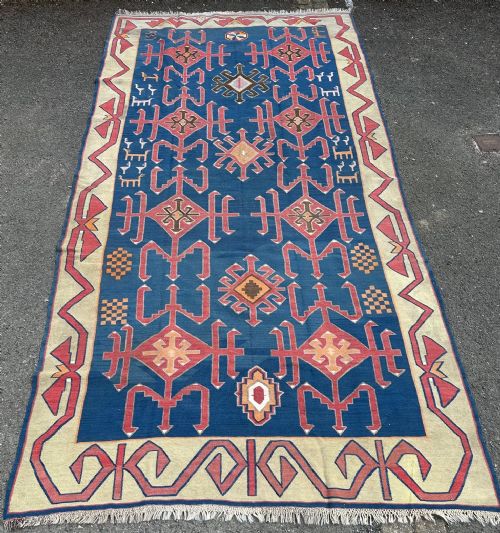


Vintage Flatweave Carpet
A vintage flatweave carpet brings tactile warmth and graphic geometry to a room, offering distinct tribal and regional weaving traditions.
Vintage Flatweave Carpet
A vintage flatweave carpet comprises pileless floor coverings and textiles originating from nomadic and village workshops across the Caucasus, Persia, Anatolia, Central Asia, and Eastern Europe. These pieces include regional kilims, sumaks, Sofreh eating cloths, and tapestry rugs produced from the late nineteenth century through the mid-twentieth century.
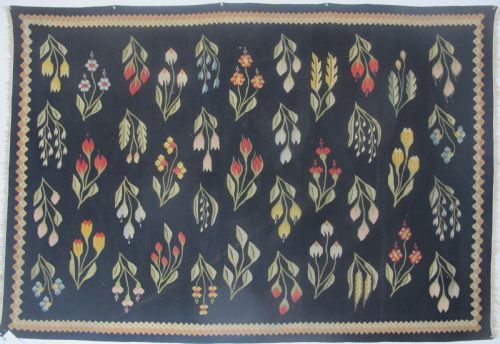
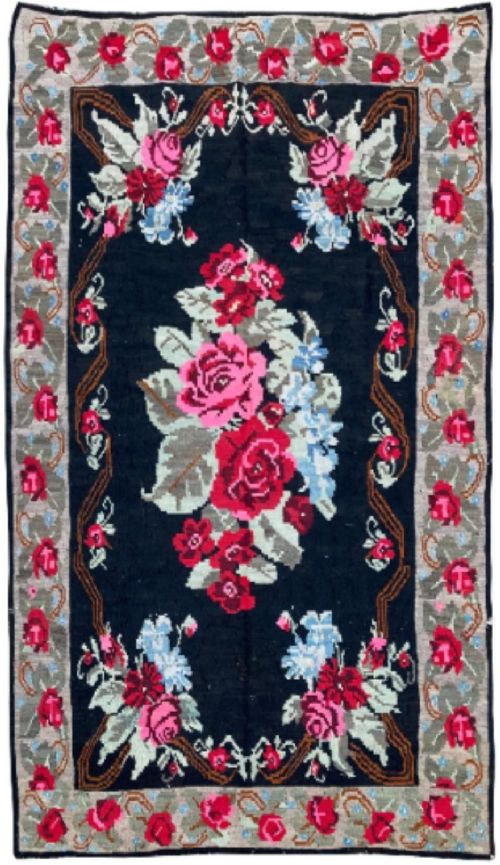
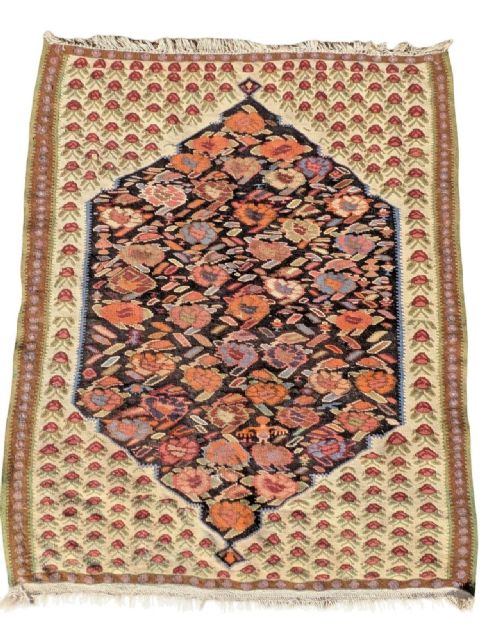
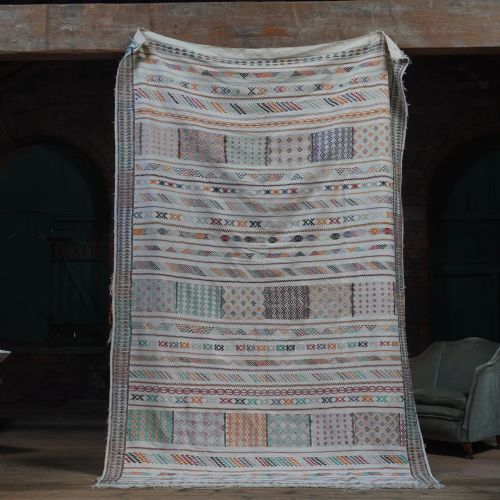
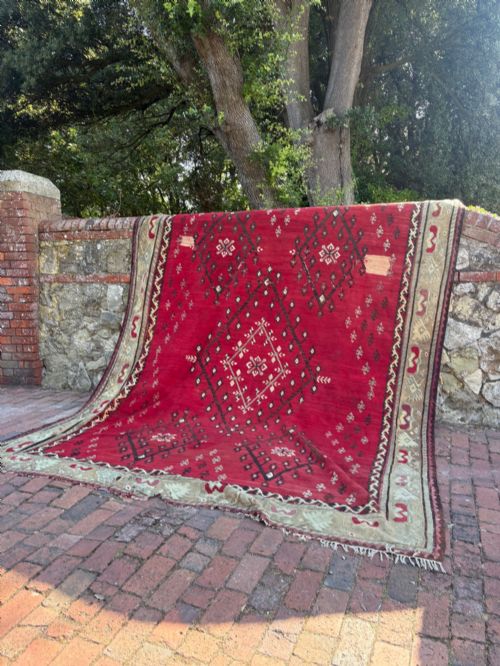
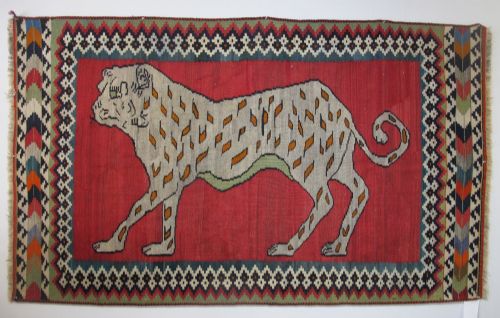
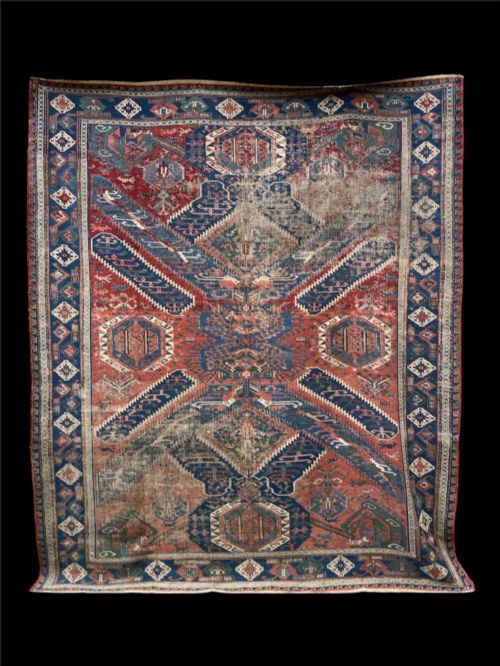
The version most commonly met on this page is the traditional tribal kilim, woven flat without a knotted pile by interlocking weft threads over warp threads. These rugs display geometric medallions, banded stripes, and floral motifs derived from specific regional weaving groups such as the Qashqai, Shahsavan, and Uzbek communities.
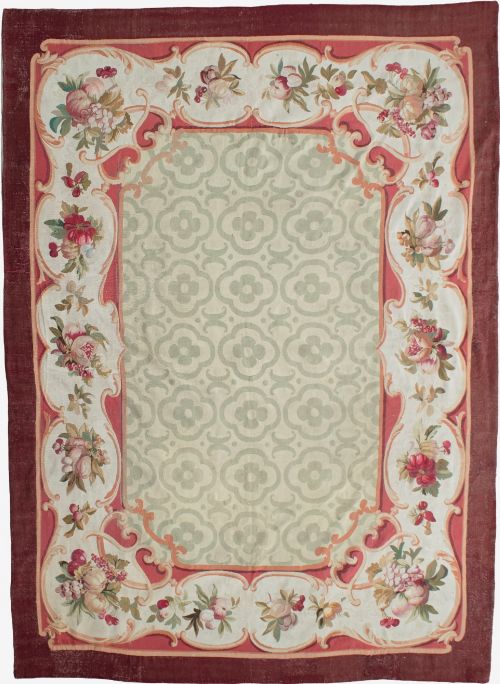
Pieces range from room-size carpets down to runners, panels, and prayer rugs, utilising materials adapted to local agricultural and nomadic life. They function both as floor coverings and as structural textiles used for interior decoration and storage.
How they were made
Weavers constructed these carpets predominantly using hand-spun wool and cotton foundations, employing the slit-tapery technique where weft threads return at the boundary of a colour block to create sharp geometric pattern changes. Certain pieces incorporate supplementary wrapping techniques, such as the flat-faced soumak weave, which adds structural ridging and durability to the textile surface.
Natural dyes provide the foundational palette, yielding soft, faded reds, indigos, and earth tones that mature gradually over decades of exposure and use. Specialised regional examples integrate alternative fibres like cactus silk, sabra fibre, and camel wool to achieve specific textural variation and sheen.
The listings span regional workshops from the Caucasus, Persia, and Eastern Europe, featuring wool, cotton, and natural dyes across the nineteenth and twentieth centuries.
What varies in quality
Quality rests on the tightness of the weave and the precision of the geometric execution, where finer structures allow for intricate iconography and cleaner lines. The integrity of the natural dye palette dictates visual depth, separating pieces with harmonious, complex tonalities from simpler or chemically altered counterparts.
Structural preservation and the subtlety of period repairs also dictate standing, distinguishing items that retain their original borders and selvages from those heavily compromised by modern intervention.
The Vintage Flatweave Carpet Glossary
- Kilim
- A flat-woven carpet or rug produced without a pile by tightly packing weft threads over a warp foundation. This technique creates a lightweight, reversible textile with characteristic slit openings between colour changes.
- Sumak
- A flat-weave technique involving supplementary weft wrapping that creates a ribbed, textured surface on the face of the rug and loose floats on the reverse. This method adds substantial durability and structural weight to Caucasian and Persian pieces.
- Sofreh
- A woven eating cloth or food-serving textile used traditionally by nomadic tribes for meals and dough preparation. These flatweaves often feature utilitarian designs combined with protective tribal symbols.
- Warp
- The stationary vertical threads stretched onto a loom that form the structural backbone of the carpet. The weft threads are passed through these foundational strands to create the fabric.
- Weft
- The horizontal threads passed back and forth through the warp to build the pattern and colour blocks of the textile. In flatweaves, these threads are beaten down firmly to conceal the warp entirely.
Vintage Flatweave Carpet: Frequently Asked Questions
How do I style a flatweave carpet?
These carpets suit placement over wooden floorboards or natural stone, where their low profile sits comfortably beneath furniture without bunching.
Layering them over larger, neutral jute or coir matting introduces graphic colour and pattern to a room without overwhelming the existing floor space.
Are these rugs durable enough for hallways?
Many flatweave styles, particularly sumaks and tightly constructed village kilims, withstand regular foot traffic due to their dense structural weave.
Placing a quality underlay beneath the textile prevents slipping and cushions the fibres against wear in high-traffic corridors.
How do I clean an antique kilim?
Routine maintenance requires gentle surface suction using a vacuum cleaner without a rotating brush roll, working in the direction of the weave.
Professional specialist cleaning is recommended for deep washing to prevent natural dyes from bleeding or water damaging historical wool fibres.
How do I identify tribal origins?
Attribution relies on examining the specific border arrangements, structural striping, and regional colour palettes characteristic of groups like the Qashqai or Shahsavan.
The unique weaving structure and choice of materials, such as camel wool or specific knotless techniques, also point toward particular geographic regions.