
Vintage Flap Table
A vintage flap table serves rooms needing flexible surfaces, folding out from compact sides for dining or writing.
Vintage Flap Table
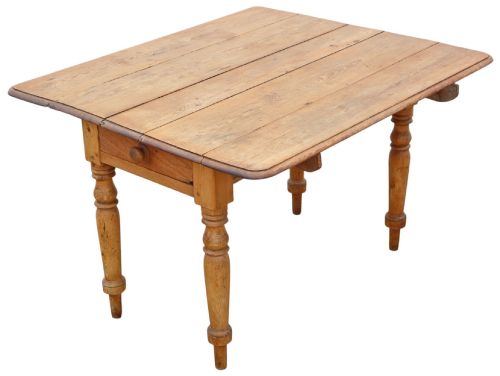
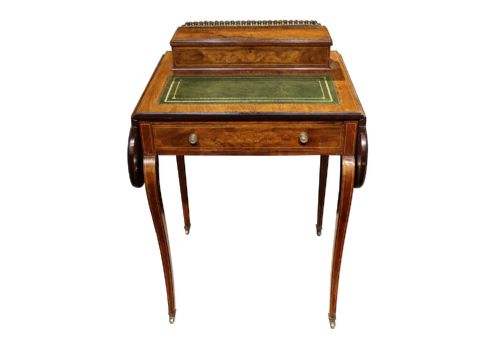
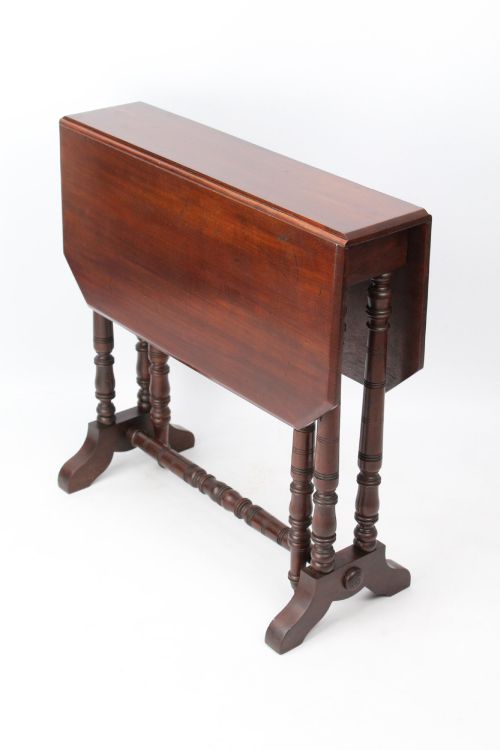
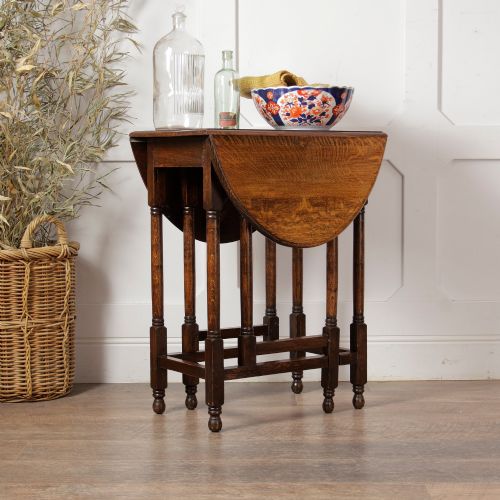
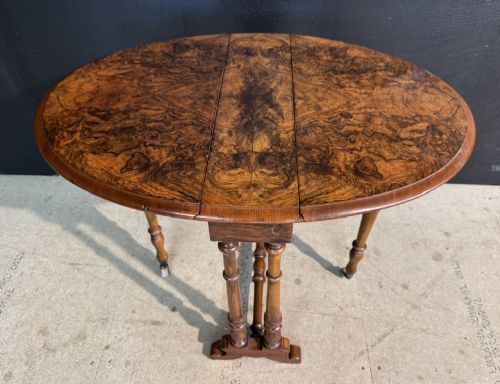
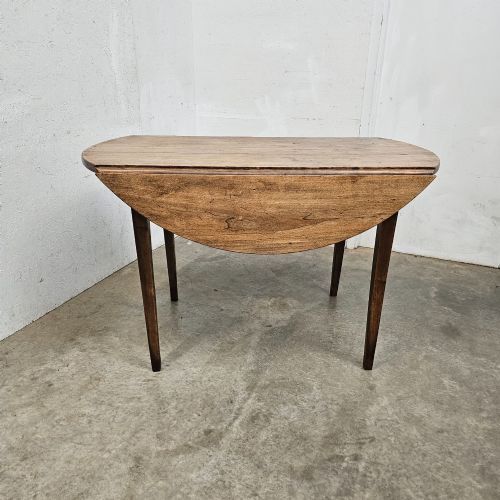
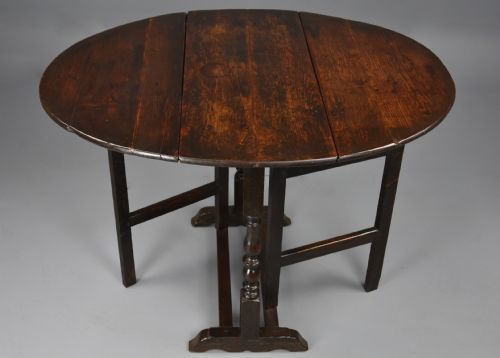
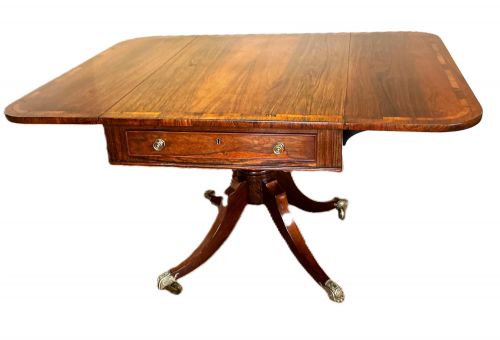
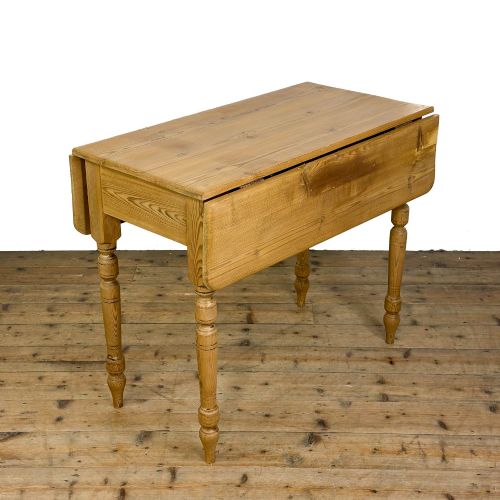
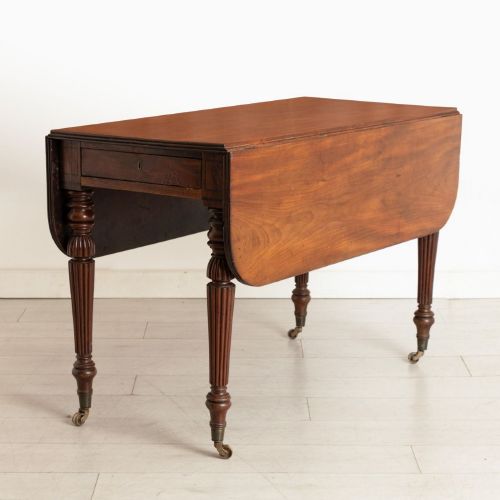
A vintage flap table adapts to changing spatial demands through hinged leaves that drop or lift as required. The selection encompasses gateleg, Pembroke, Sutherland, and drop-leaf formats originating from the seventeenth century onwards.
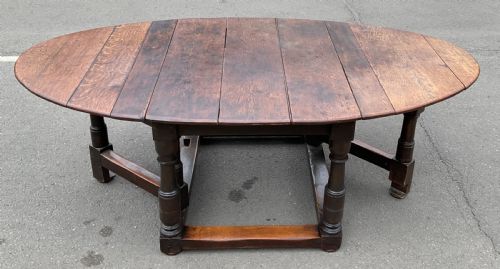
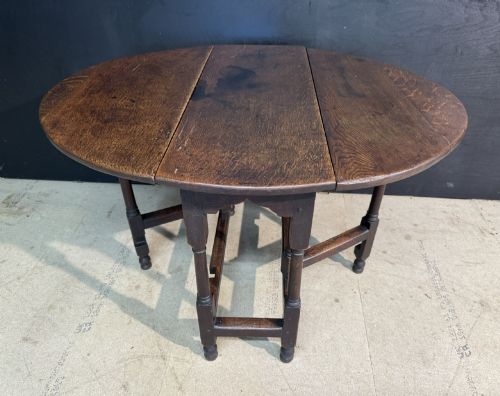
Early examples rely on sturdy oak timbers with heavy gateleg supports, while later eighteenth and nineteenth-century iterations favour mahogany and walnut with slender drop-leaf mechanisms. Smaller occasional tables and larger dining pieces appear frequently across the periods.
Buyers encounter diverse regional styles ranging from heavy Jacobean revival designs to refined Georgian and Edwardian specimens. These tables suit domestic settings requiring multi-functional furniture without permanent bulk.
Materials and Construction
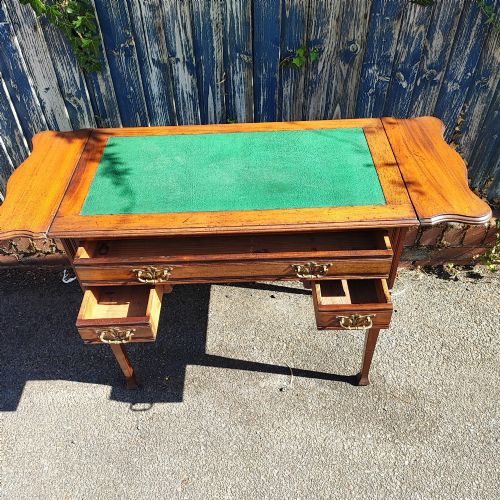
Cabinetmakers utilised robust native timbers like oak, elm, and pine for seventeenth and eighteenth-century pieces, later incorporating imported mahogany, walnut, and satinwood alongside brass fittings and leather inserts.
Hinged flaps depend upon secure wooden or metal pivoting joints, with gateleg variants employing swinging legs to bear the weight of extended leaves. Pembroke and Sutherland designs utilise clever underframes to support narrow folding leaves safely.
Vintage Flap Table Retail Price Guide 2026
Typical asking prices for vintage flap table among the pieces listed under this phrase on Sellingantiques today, from the lower quarter to the upper quarter. They describe what is for sale here now, not the wider market.
Listings feature woods spanning oak, mahogany, walnut, pine, elm, and fruitwood alongside brass and leather elements across multiple centuries.
Assessing Quality
Excellence in a vintage flap table rests upon the integrity of the timber movement and the precision of the joinery around the hinged joints. Superior examples maintain smooth leaf action without sagging or loose pivots.
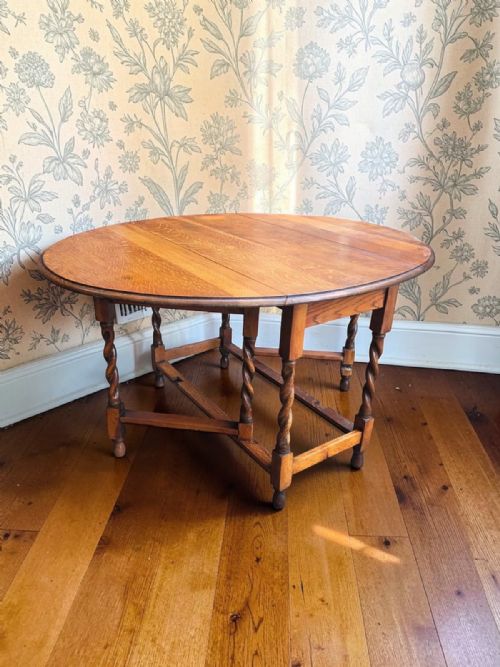
Surface finish and original patination dictate visual distinction, where untouched beeswax or polish enhances the grain of figured mahogany or burr walnut. Finer pieces display careful inlay work or turned elements like barley twist and bobbin legs.
The Vintage Flap Table Glossary
- Drop-leaf table
- A table with a fixed central section and hinged flaps on either side that fold down. This design allows the furniture to occupy minimal space when not in use.
- Gateleg table
- A table featuring hinged legs that swing outward like a gate to support the raised leaves. This mechanism provides sturdy support for large dining surfaces.
- Pembroke table
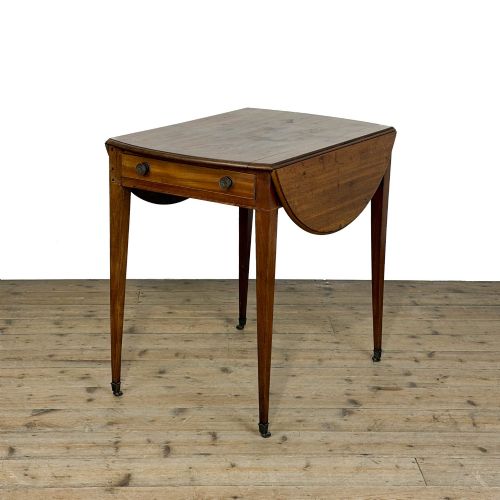
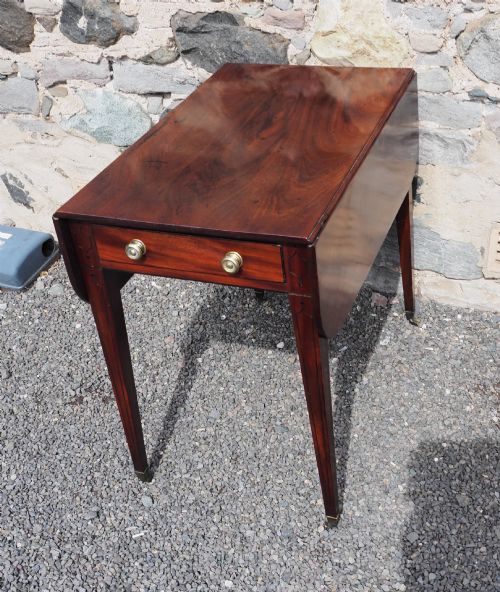
- A small rectangular table with two drop leaves on opposing sides and usually one or two drawers. It emerged during the eighteenth century as a versatile piece for breakfast or writing.
- Patina
- The surface sheen and coloration developed through age, use, and polishing. Good patination indicates authentic historical wear on wooden furniture.
Vintage Flap Table: Frequently Asked Questions
How do I use a gateleg table daily?
Lift the hinged leaves and swing the supporting leg outward until it locks firmly beneath the surface. This creates a stable dining or work area from a narrow console.
Lower the leaves back down when finished to push the table neatly against a wall, freeing up floor space in smaller rooms.
Can these tables withstand regular dining use?
Solid timber construction in oak, mahogany, or walnut provides the structural strength needed for daily meals. The hinged leaves remain secure when properly supported by their underlying framing.
Care should be taken to avoid placing excessive weight on the unsupported outer edges of extended flaps to protect the pivot hinges.
How do I identify a seventeenth-century gateleg table?
Early pieces typically utilise heavy oak timbers joined with traditional pegged mortise and tenon construction. Turned supports often display bobbin or early spiral motifs characteristic of the period.
The overall proportions tend to be substantial, accompanied by a deep, dark original patina accumulated over centuries of domestic use.