

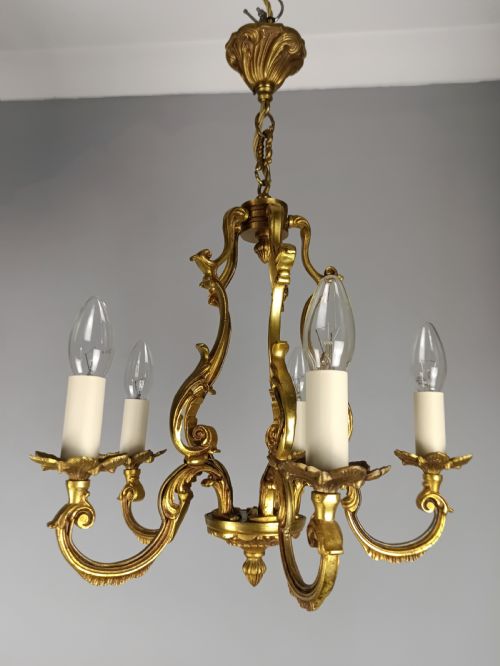
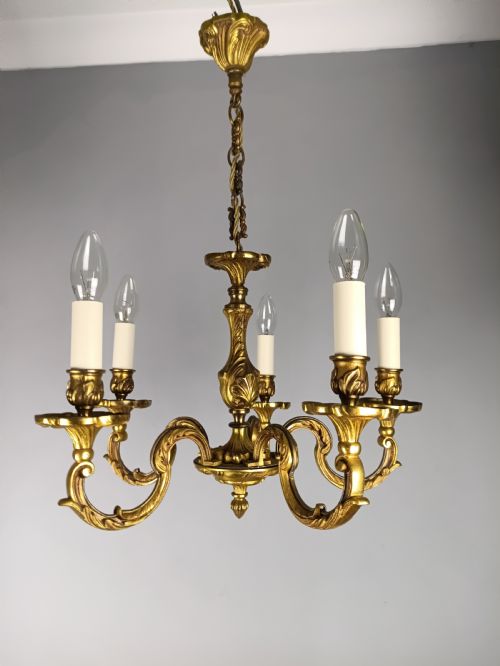
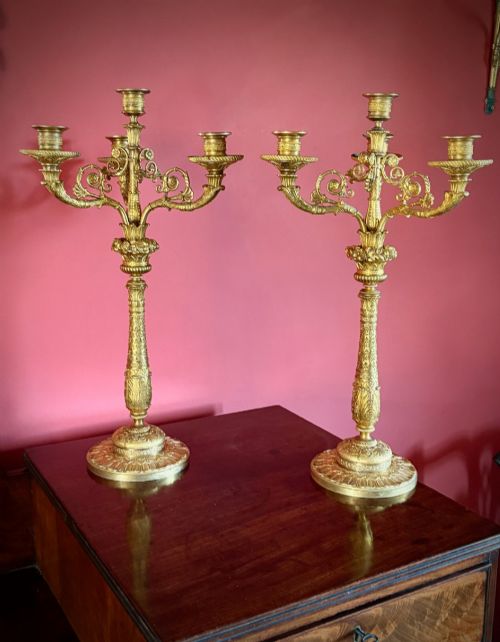
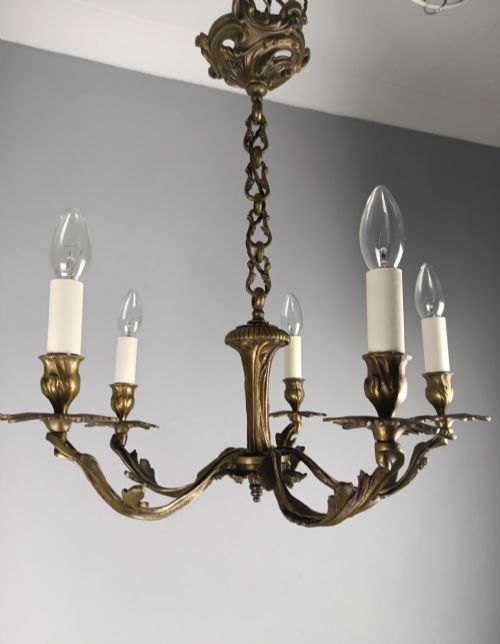


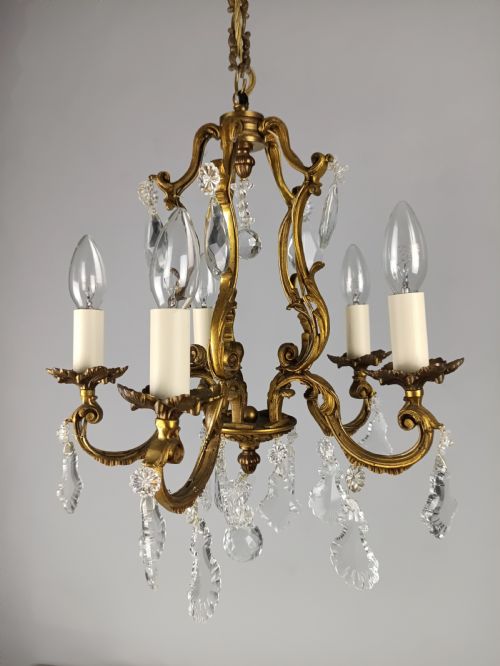
Vintage Five Arm Light
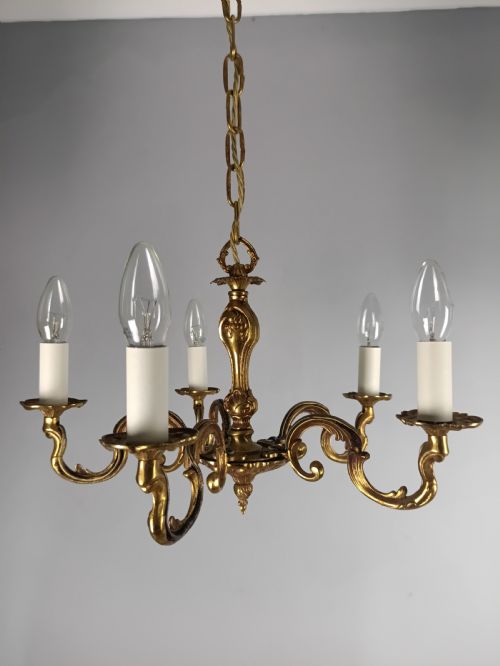
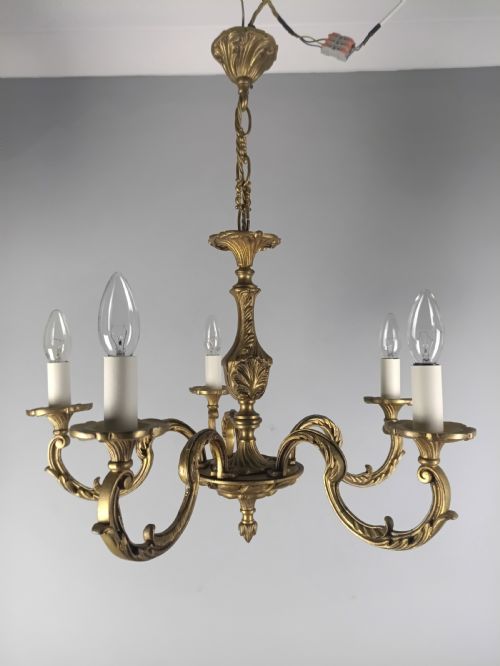
A vintage five arm light delivers branching illumination with period character, anchored by traditional metalwork and decorative glass.
Vintage Five Arm Light
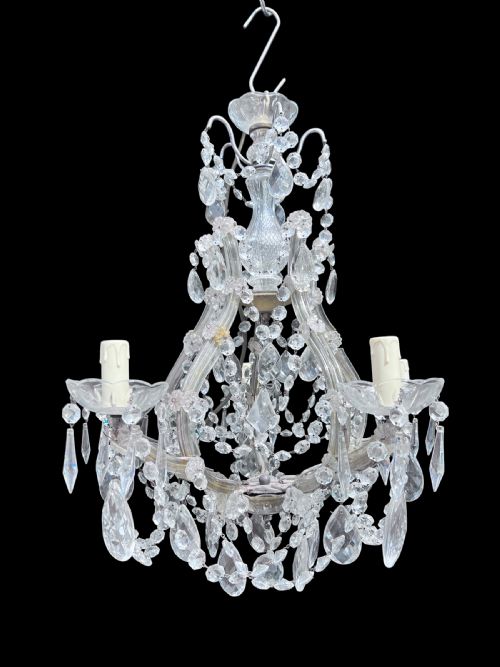
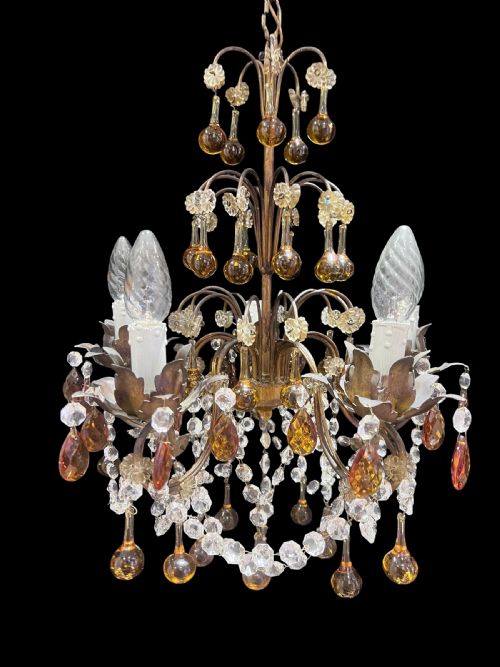
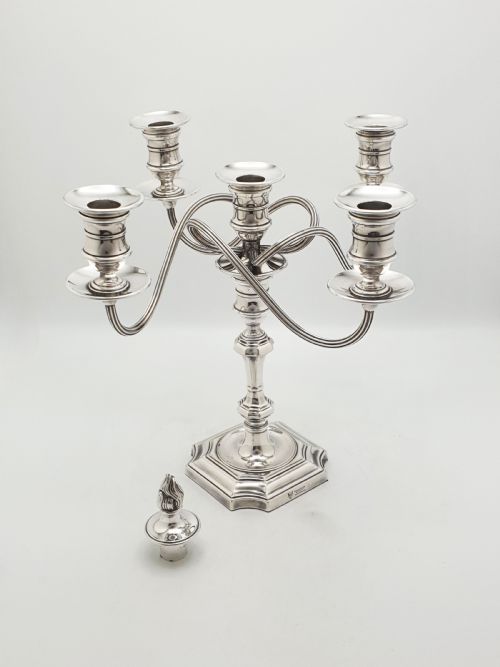
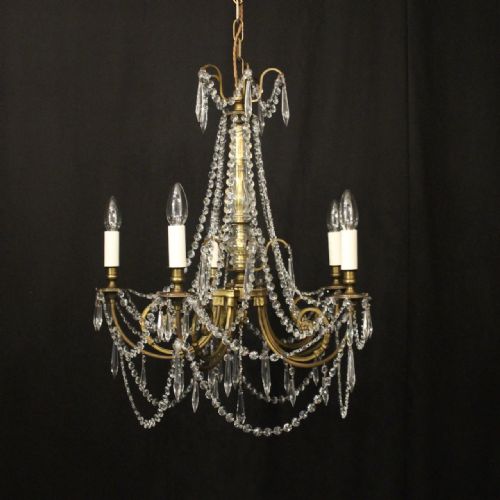
When you search for a vintage five arm light, you encounter multi-branch fittings designed to light medium rooms or specific dining spaces. These pieces take the form of chandeliers, ceiling lights, wall lights, and tabletop candelabra spanning the nineteenth and twentieth centuries.
The selections on this page lean heavily towards French and Italian designs from the 1930s, alongside Edwardian British pieces and earlier nineteenth-century examples. You will frequently find brass, bronze, and gilt finishes paired with crystal drops or coloured glass elements.
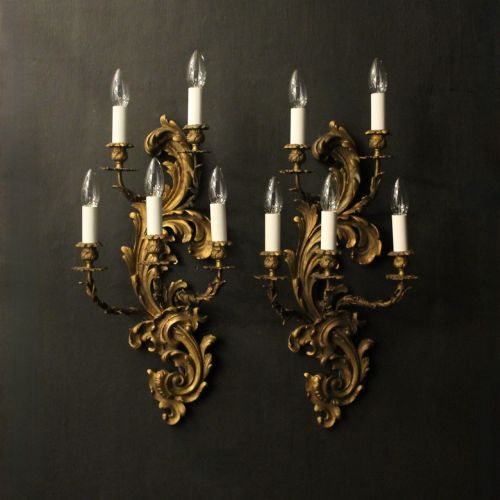
Chandelier configurations dominate the listings, offering five distinct branches or arms to hold candles or electric bulbs. Pairs of candelabra and wall lights also appear, providing matching symmetrical options for period interiors.
How they were made
Metalworking forms the structural core of these fittings, utilising cast brass, gilt bronze, and solid bronze alongside silver-plated components. Smiths and founders shaped the arms and central stems through casting, chasing, and metal spinning.
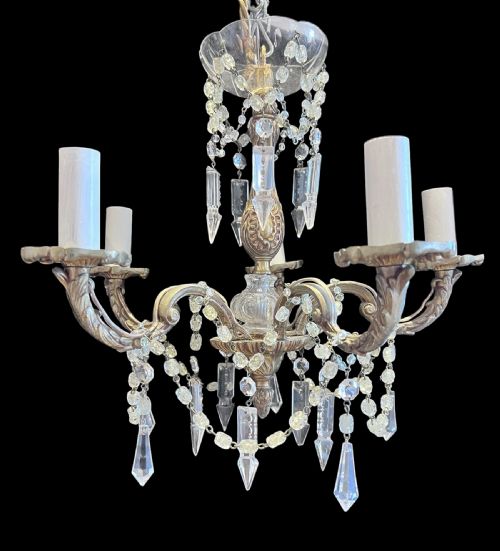
Glass and crystal embellishments complement the metal frames, hung as prismatic drops, swags, or formed into body components. These optical elements catch and refract the light, requiring careful hand-wiring or pin-fitting to secure them to the metal armature.
Vintage Five Arm Light Retail Price Guide 2026
Typical asking prices for vintage five arm light among the pieces listed under this phrase on Sellingantiques today, from the lower quarter to the upper quarter. They describe what is for sale here now, not the wider market.
Periods represented include the 1880s, Edwardian era, 1900, 1910, 1920, 1930, 1950, and the wider nineteenth century.
What varies in quality
The weight and crispness of the metal casting set the baseline for quality across these fixtures. Heavier bronze and brass castings retain sharper decorative details in the acanthus leaves, scrollwork, and figural mounts than thin pressed metal.
The integration and clarity of the crystal or glass components further differentiate the pieces. High-grade fittings utilise hand-cut crystals and complete sets of matching drops rather than moulded glass replacements.
The Vintage Five Arm Light Glossary
- Candelabra
- A branched candlestick holder designed to support multiple candles simultaneously. These fixtures often sit on sideboards or mantelpieces.
- Ormolu
- Gilt bronze ornamentation applied to furniture and lighting fixtures. This technique involves amalgamating gold and mercury onto a bronze base.
- Chandelier
- A branched ornamental light fixture suspended from the ceiling. They distribute illumination outwards and downwards across a space.
- Crystal
- High-clarity glass containing lead oxide to increase brilliance and weight. It is commonly faceted into drops and pendants on period lighting.
- Sconce
- A wall-mounted lighting fixture with arms that project outwards. These direct light across vertical surfaces in hallways and living rooms.
Vintage Five Arm Light: Frequently Asked Questions
How do I wire a vintage chandelier?
Rewiring older fixtures requires threading modern heat-resistant flex through the internal channels of the arms and central stem. A qualified electrician should test the metal body for proper earth continuity to ensure safety.
Many antique fittings were originally designed for candles and later adapted for electricity. Professional conversion preserves the vintage exterior while meeting current domestic wiring regulations.
Are these lights suitable for low ceilings?
Most multi-arm chandeliers hang down significantly from the suspension point, meaning they require adequate ceiling height to clear head height. Flush ceiling lights and wall sconces provide safer alternatives for more compact rooms.
Checking the overall drop measurement before purchase prevents spatial issues in standard modern properties.
How do I clean crystal drops?
Removing individual crystal pendants allows for gentle washing in warm soapy water using a soft cloth. Rinsing them thoroughly and drying them immediately prevents water spots and restores their optical sparkle.
Leaving the crystals attached while cleaning risks damaging the delicate brass pins holding them to the frame.
What is the difference between brass and bronze?
Bronze is an alloy of copper and tin, prized for its strength, weight, and deep patination potential. Brass is primarily an alloy of copper and zinc, yielding a brighter golden tone when polished.
Both metals were cast and chased into elaborate decorative shapes for period lighting fixtures.