




Five Light Bronze Fitting
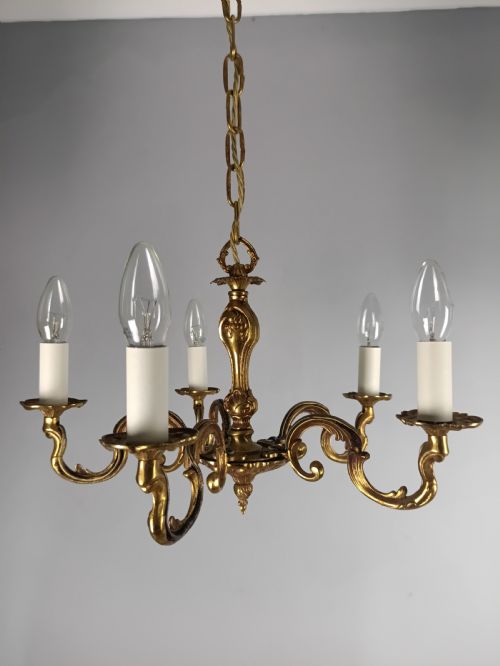
A five light bronze fitting is a ceiling fixture of substance that brings both illumination and period character to a room.
Five Light Bronze Fitting
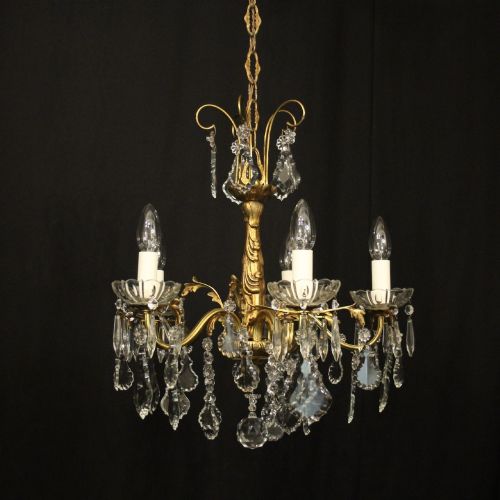
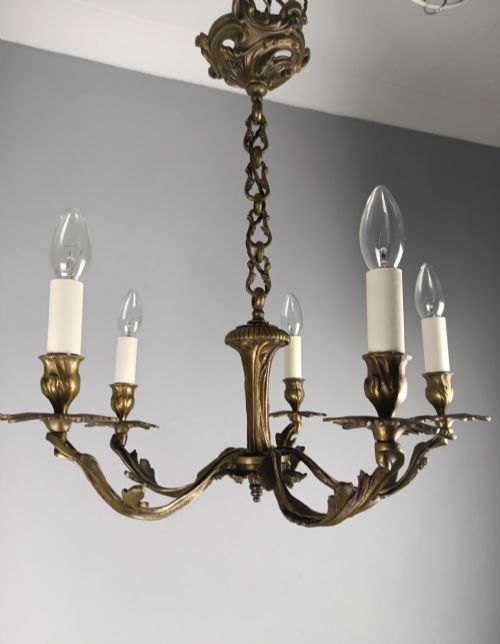
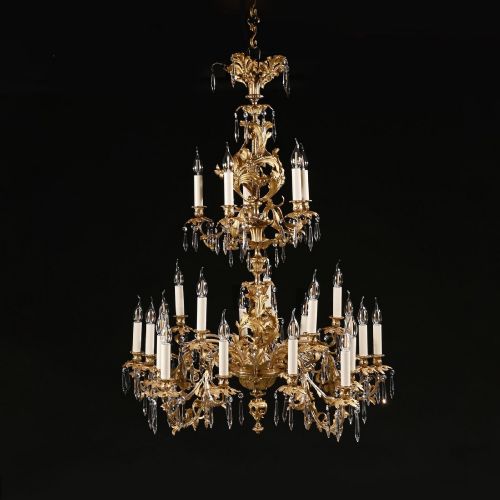
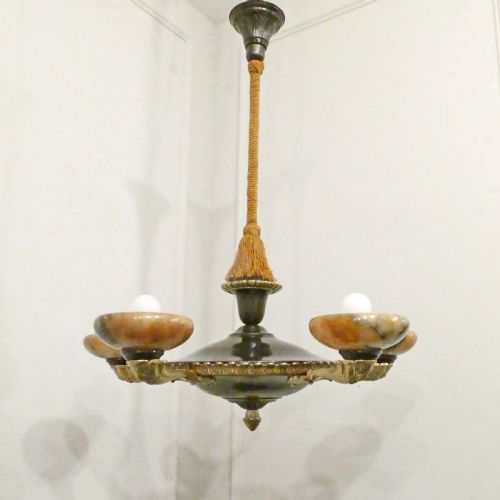
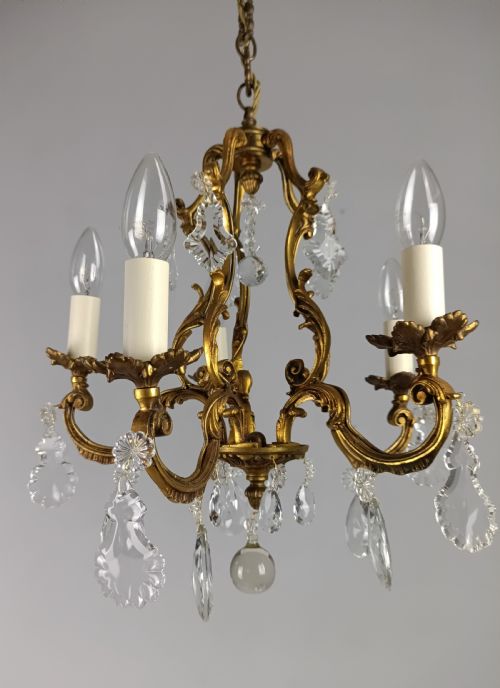
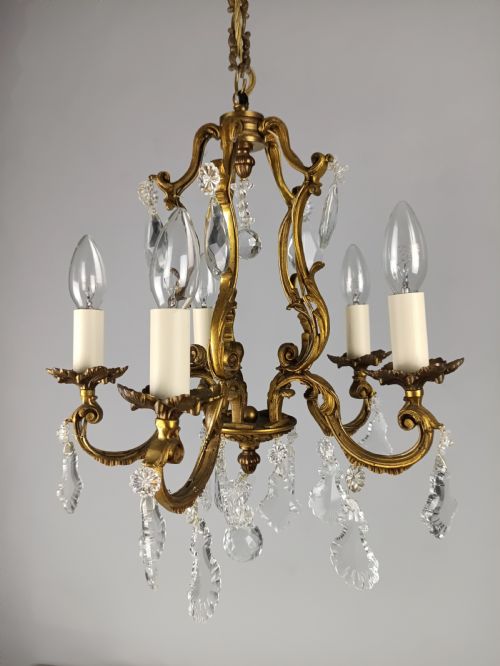
When you search for a five light bronze fitting, you are looking at substantial ceiling lights and chandeliers spanning the nineteenth century through to the nineteen-thirties. The most common versions on this page are French chandeliers from nineteen-thirty, cast in bronze or brass with five arms designed to hold five distinct points of light.
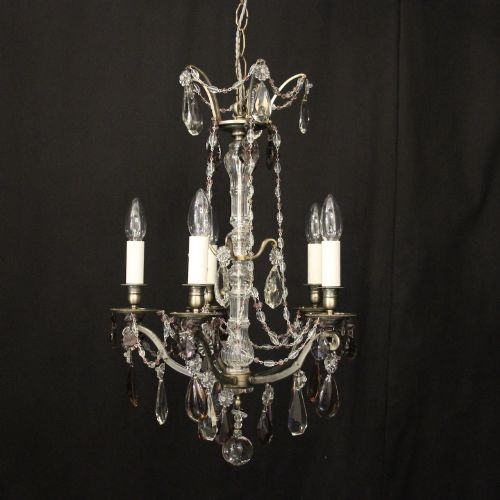
These fixtures range from restrained patinated bronze examples to ornate French Rococo and Baroque Palladian designs enriched with gilt finishes and crystal drops. They function primarily as central overhead illumination for reception rooms, dining spaces and hallways, offering a commanding decorative presence even when unlit.
Originating predominantly from French workshops, these fittings demonstrate a strong lineage of historicist revival styles. You will encounter pieces referencing Louis XV curves, Neoclassical symmetry and Art Deco geometry, all executed in durable metallic mediums.
Materials and construction
The primary structural elements rely on cast bronze, brass and gilt metals, often finished with applied patination or gold leaf gilding. Metal founders shaped these components through traditional casting methods, resulting in sturdy arms and detailed mounts capable of supporting multiple candle-form lights.
Five Light Bronze Fitting Retail Price Guide 2026
Typical asking prices for five light bronze fitting among the pieces listed under this phrase on Sellingantiques today, from the lower quarter to the upper quarter. They describe what is for sale here now, not the wider market.
The listings span the Edwardian era, the nineteen-twenties, and nineteen-thirty, alongside pieces attributed broadly to the nineteenth century.
Assessing quality and execution
Quality in these lighting fixtures reveals itself in the crispness of the metal casting and the depth of the chased detailing on the bronze or brass surface. Finer examples display sharp relief work on the arms and central stem, whereas simpler pieces show softer contours and less hand-finishing.
The choice of secondary materials also separates standard production from superior output. The inclusion of hand-cut crystal drops, genuine fire-gilt surfaces, and heavy-gauge bronze rather than lighter brass indicates higher manufacturing standards.
The Five Light Bronze Fitting Glossary
- Bronze
- An alloy consisting primarily of copper, traditionally used for durable casting. It provides a heavy and robust structure for antique chandeliers.
- Gilt bronze
- Bronze that has been coated with a thin layer of gold or gold leaf. This finish creates a bright metallic sheen that resists tarnishing.
- Rococo style
- An ornate design movement characterised by asymmetrical scrollwork, naturalistic curves, and shell motifs. It heavily influences many French chandeliers from this selection.
- Patination
- The surface alteration of metal resulting from age, wear, or chemical treatment. It adds depth and character to the bronze and brass framework.
- Crystal
- High-clarity glass cut with precise facets to refract light. It is suspended from the arms and stems of decorative light fittings.
Five Light Bronze Fitting: Frequently Asked Questions
How do I hang a heavy bronze fitting?
These metal chandeliers require secure anchorage into ceiling joists using appropriate steel hooks and fixings. Because materials like bronze and crystal add significant weight, professional installation is strongly recommended to ensure safety.
Electrical wiring must also be evaluated by a qualified electrician to ensure the internal components meet current safety standards while preserving the antique fixture.
What rooms suit a five light fitting?
A five light ceiling fixture provides balanced illumination suitable for medium-sized reception rooms, bedrooms or dining areas. The arrangement of five arms casts an even spread of light across the space without overwhelming smaller interiors.
Placement should account for ceiling height, ensuring the lowest point of the chandelier clears walkways and seating arrangements comfortably.
How do I clean a bronze chandelier?
Dusting the metal frame and glass elements regularly with a soft, dry cloth prevents grime accumulation. Avoid abrasive cleaners or harsh chemical polishes that can strip original patination or gold gilding from the bronze and brass surfaces.
Crystal drops can occasionally be wiped with a damp cloth and mild soap solution while supported, ensuring they dry completely before the fitting is illuminated again.
How do I date a bronze light fitting?
Dating relies on stylistic clues, manufacturing techniques, and material combinations seen across the piece. Edwardian and nineteen-twenties examples often incorporate cleaner geometric lines or specific revival motifs compared to nineteenth-century Rococo designs.
Examining the wiring channels, screws, and construction joints also helps determine whether a fixture dates from the late nineteenth century or the interwar period.