




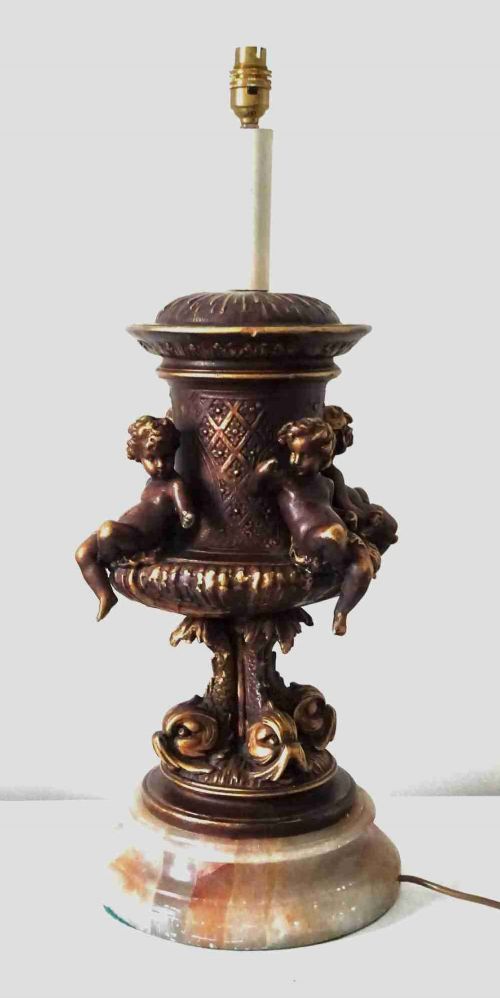


Baroque Bronze Lighting
Baroque bronze lighting brings heavy, ornate metalwork and dramatic classical forms into domestic spaces.
Baroque Bronze Lighting
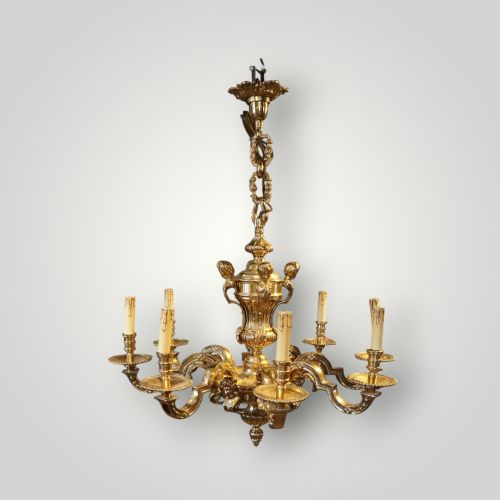
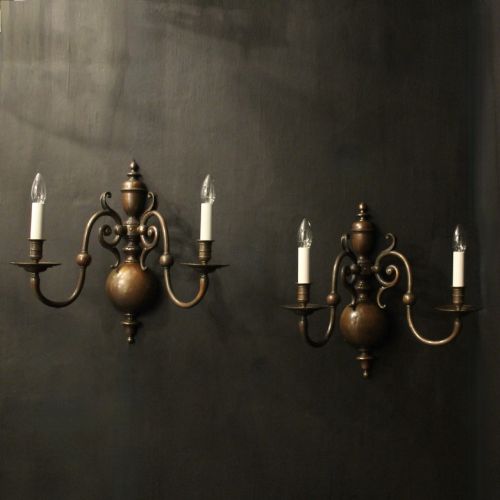
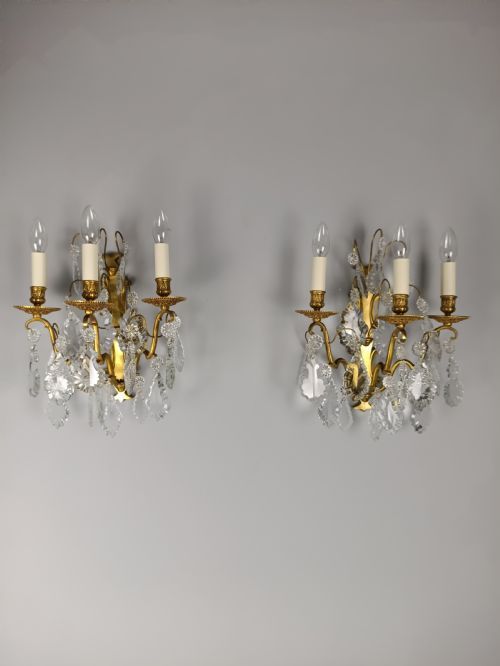
When you search for baroque bronze lighting, you find grand fixtures intended to make a dramatic impression in principal rooms. The selection includes chandeliers, wall lights, table lamps, candlesticks, standard lamps, and pendant lanterns drawn from centuries of design.
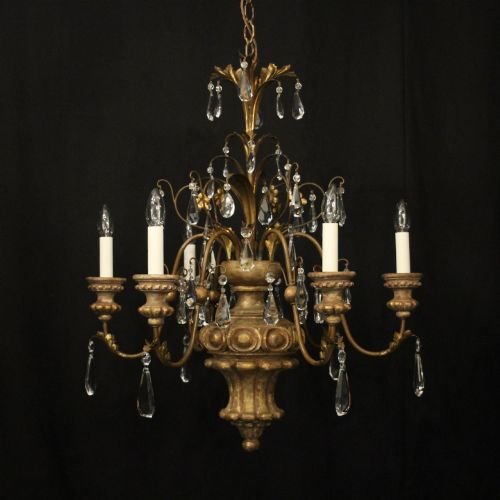
Most pieces on this page lean into French Baroque Revival, Louis XIV style, and Florentine Baroque aesthetics. You encounter multi-armed chandeliers, heavy wall sconces, and gilded candelabra shaped by classical ornament.
Originating across England, France, and Italy, these pieces span the eighteenth century, the nineteenth century, and later revivals up to nineteen-thirty. The forms range from simple single-tier wall brackets to monumental eighteen-light chandeliers.
How they were made
Foundries cast these heavy pieces in bronze, brass, or iron, utilising metalworking techniques that allowed for intricate relief decoration. Many items received a layer of gilt, ormolu, or surface gilding to catch the candlelight or daylight.
Makers integrated glass and crystal drops into chandeliers and wall lights to amplify illumination. Individual components were screwed, pinned, or joined together by hand before finishing.
Baroque Bronze Lighting Retail Price Guide 2026
Typical asking prices for baroque bronze lighting among the pieces listed under this phrase on Sellingantiques today, from the lower quarter to the upper quarter. They describe what is for sale here now, not the wider market.
Listings span materials from raw iron and cast metal to gilt bronze, ormolu, and glass across various European revivals.
What varies in quality
The crispness of the cast ornament separates standard production from superior work. Finer examples retain sharp, deep chasing on the acanthus leaves, cherubs, and scrolling foliage without softened edges.
Weight and rigidity indicate the substance of the metal used in the armature. Better pieces maintain balance across multiple arms and tiers, whereas lesser examples can feel mismatched or overly light for their size.
The Baroque Bronze Lighting Glossary
- Ormolu
- Gilded bronze, where a layer of gold amalgam is applied to a bronze base. This finish produces a warm, enduring lustre characteristic of high-status lighting.
- Sconce
- A wall-mounted lighting fixture designed to hold candles or electric lamps. These typically project forward on scrolled arms.
- Chandelier
- A branched, suspended ceiling light designed to hold multiple light sources. They often incorporate glass or crystal drops.
- Candelabra
- A multi-branched candlestick holder used on tables or mounted as wall lighting. They share the sculptural, tiered form seen in larger chandeliers.
- Cast metal
- Molten material poured into a mould to create a specific shape. This process forms the structural core of many baroque lighting fixtures.
Baroque Bronze Lighting: Frequently Asked Questions
How do I hang a heavy bronze chandelier?
Heavy chandeliers require direct attachment to ceiling joists using a suitable steel hook and proper fixings.
Do not rely on standard lath and plaster ceilings to support the weight of these substantial metal fixtures.
Are these lights wired for modern electricity?
Many surviving pieces arrive with modern electrical wiring or have been converted from candles to lamps over time.
Check individual listings to see if rewiring has taken place or if professional electrical adaptation is necessary.
How do I clean gilt bronze lighting?
Dust gilt bronze gently with a soft, dry brush to prevent accumulation in the crevices of the cast ornament.
Avoid abrasive metal polishes that strip away the surface gilding and damage the historic finish.
How can I tell eighteenth-century pieces apart from later revivals?
Eighteenth-century items show hand-chased surface details and patination consistent with age and candle use.
Nineteenth-century and twentieth-century revivals often display machine tooling marks and heavier, standardised casting techniques.