
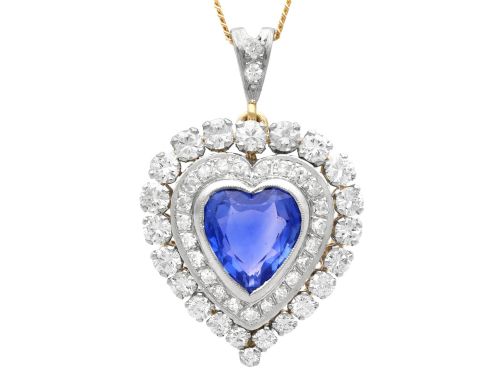
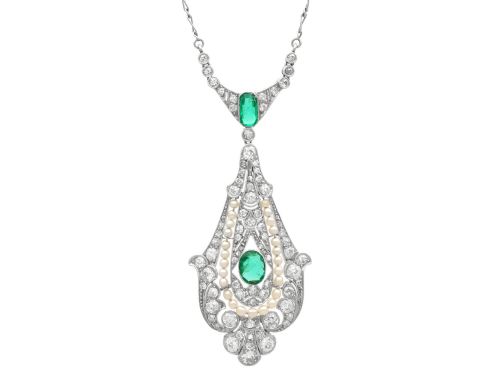
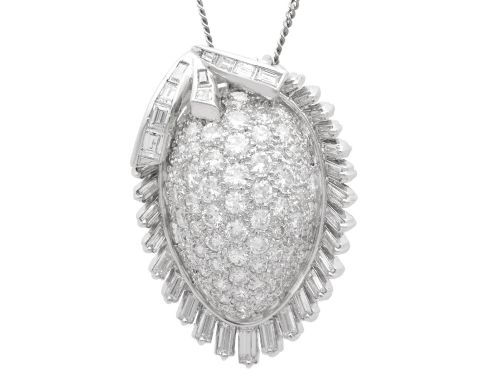
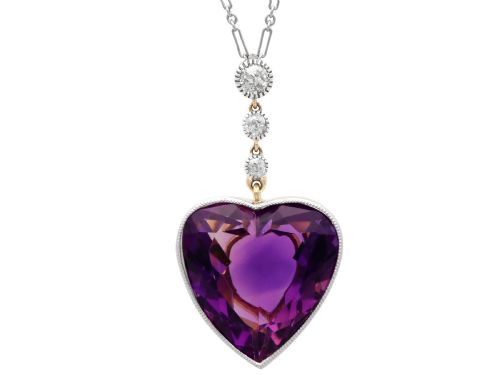

Vintage Fine Jewellery Necklace
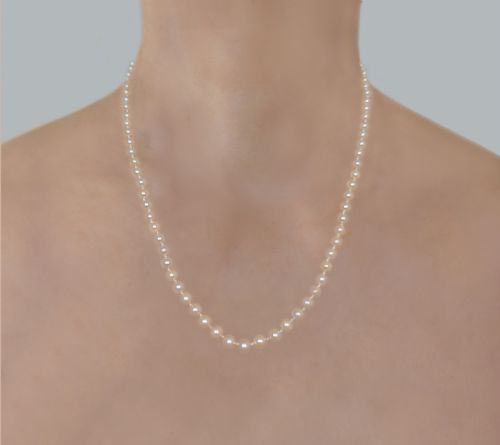
A vintage fine jewellery necklace brings together period gold, platinum, and matched gemstones to sit gracefully at the collarbone.
Vintage Fine Jewellery Necklace
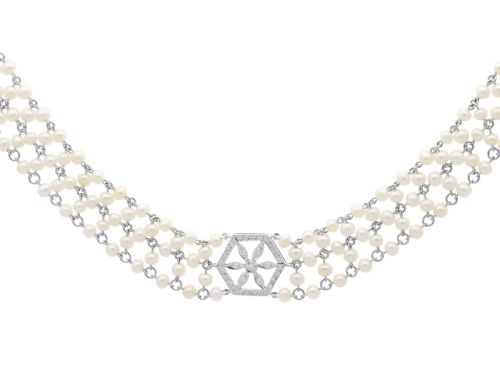
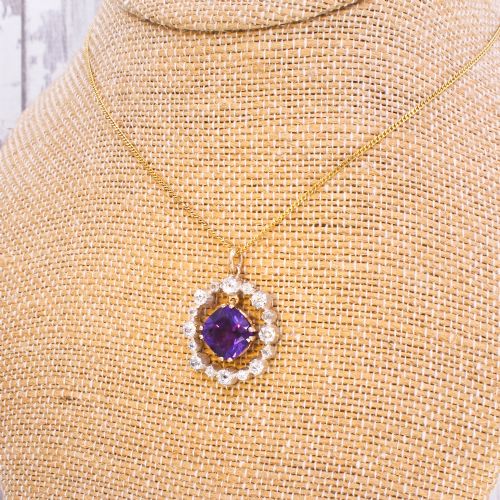
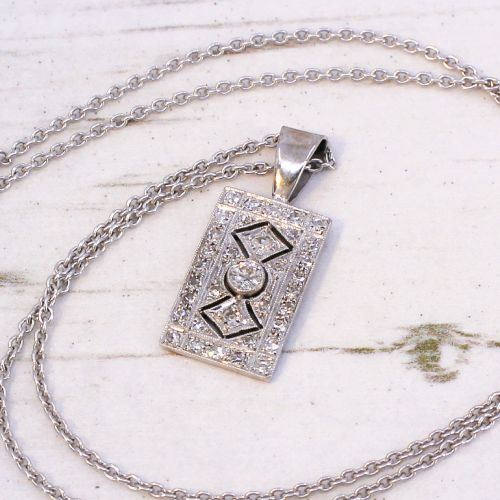
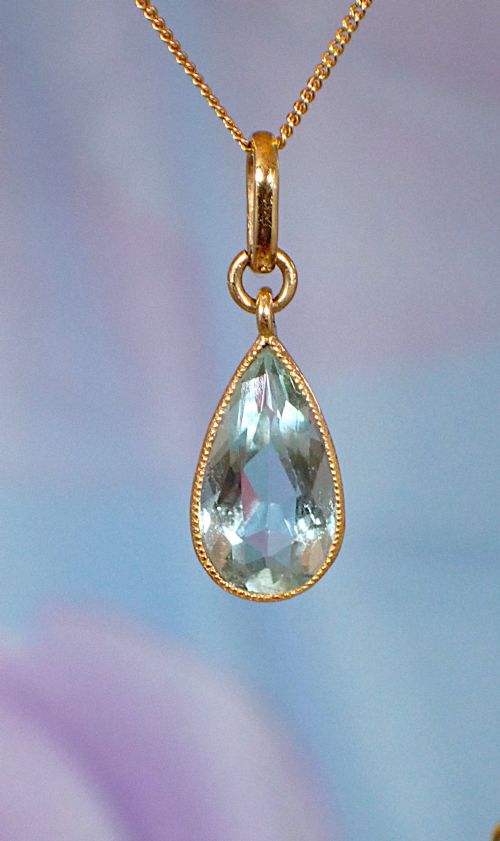
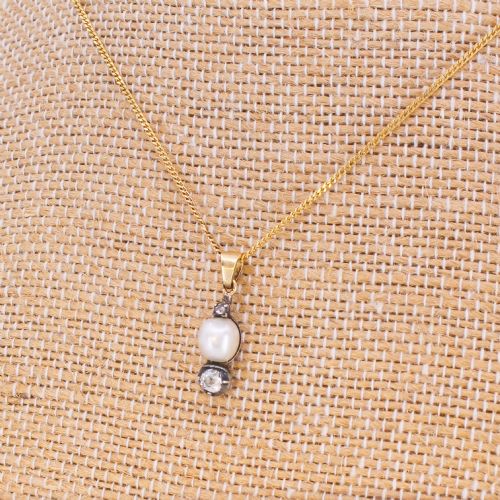
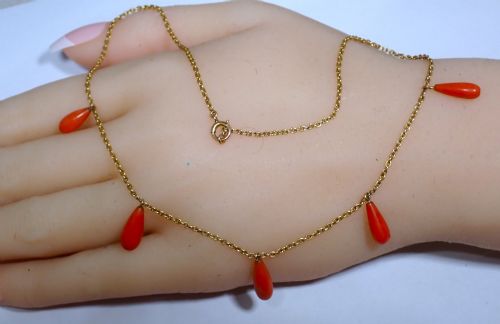
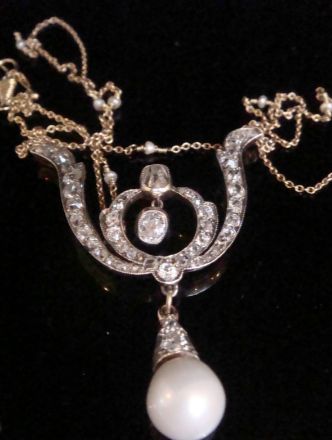
A vintage fine jewellery necklace encompasses pendant drops, multi-strand pearl ropes, and delicate chains originating from the Victorian era through to the 1960s. These pieces include Edwardian lavalier designs, Art Deco platinum geometries, and mid-century gem-set clasps.
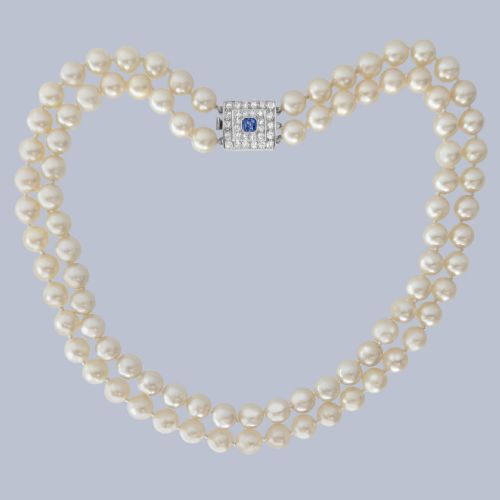
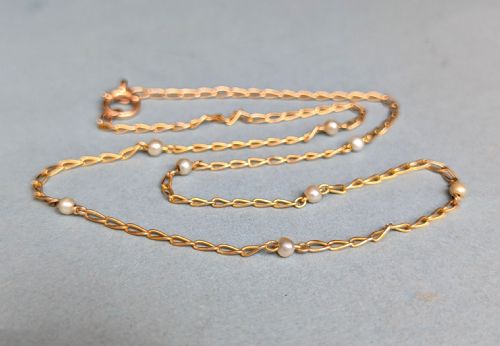
The selections span structured diamond clusters and swinging aquamarine drops alongside pearl strands secured with diamond and sapphire clasps. Buyers find both standalone pendants and complex necklaces integrating precious metals with coloured stones.
How they were made
Goldsmiths and platinum workers constructed these settings by hand, combining high-karat yellow gold, white gold, and durable platinum to frame diamonds, sapphires, and pearls. Gemstones received old cut, marquis, and cabochon shaping to catch the light within millegrain edges and delicate wirework.
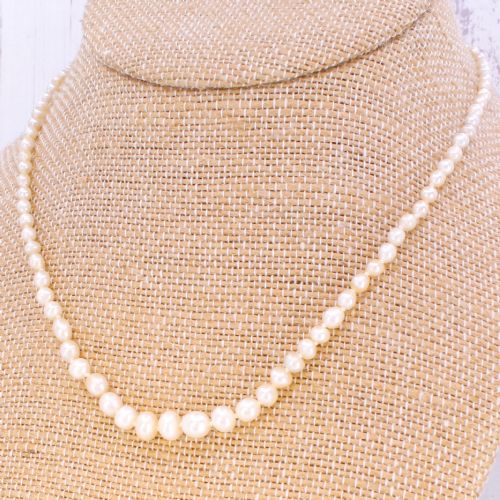
Pearl strands rely on silk threading and knotting techniques, often paired with secure precious metal clasps inset with diamonds, rubies, or emeralds. Enamel work and openwork gallery construction provided structural support while maintaining a light profile against the skin.
Listings feature periods from Victorian and Edwardian times through to 1960, utilising platinum, gold, pearls, and diamonds.
What varies in quality
Quality rests upon the original integrity of the mount, the matching of the pearls or gemstones, and the subtlety of the metalwork. Pieces that retain their original clasps, unclipped stones, and crisp millegrain detail stand apart from altered examples.
The weight and purity of the gold or platinum, alongside the certification and natural origin of pearls and coloured stones, determine the standing of each piece within its period.
Carl Bucherer·Chaumet
The Vintage Fine Jewellery Necklace Glossary
- Lavalier pendant
- A hanging ornament featuring a central drop suspended from a finer chain, popular during the Edwardian period.
- Millegrain
- A decorative technique involving a row of tiny metal beads along the edge of a setting.
- Old cut diamond
- A hand-faceted diamond shape characteristic of earlier periods, possessing a smaller table and wider culet than modern stones.
- Cabochon
- A gemstone shaped and polished with a smooth, convex surface rather than with facets.
Vintage Fine Jewellery Necklace: Frequently Asked Questions
What periods do these necklaces cover?
The pieces span from the 19th-century Victorian era through the Edwardian period and the 1920s Art Deco movement, extending into mid-century designs up to 1960.
Each era contributes distinct metal choices and gemstone cuts, moving from yellow gold cluster work to platinum geometries and cultured pearl strands.
How do I care for a pearl necklace?
Pearl necklaces require gentle cleaning with a soft cloth and should be stored flat away from harder metals to protect the nacre.
Many vintage pearl strands benefit from periodic restringing to secure the silk thread, especially if worn frequently.
Are the gemstones natural?
The listings include natural saltwater pearls, aquamarines, amethysts, opals, and diamonds set in period mounts.
Specific pieces feature certification reports documenting the origin of the pearls and coloured stones.
What metals were used?
Craftsmen utilised 9ct, 14ct, 15ct, and 18ct yellow and white gold alongside platinum for durability and colour contrast.
Platinum gained favour during the Edwardian and Art Deco periods for its strength in fine wirework and diamond settings.