


Old European Cut Pendant
An old european cut pendant brings deep hand-cut facets and soft candlelight shimmer to your neckline.
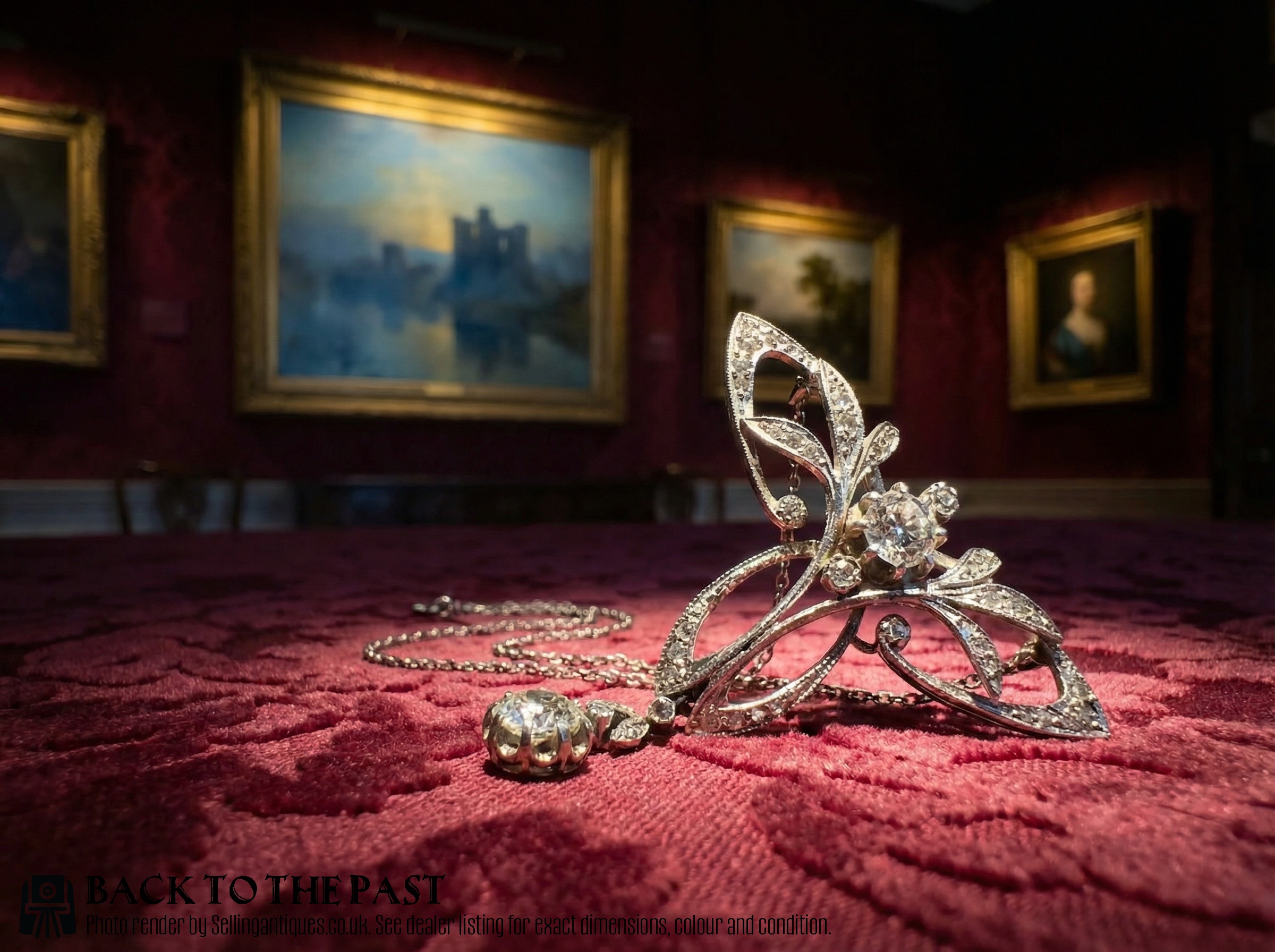
Old European Cut Pendant
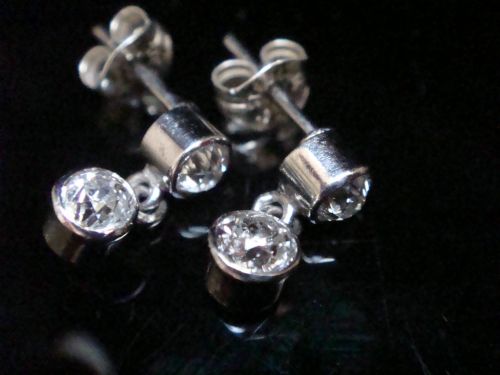
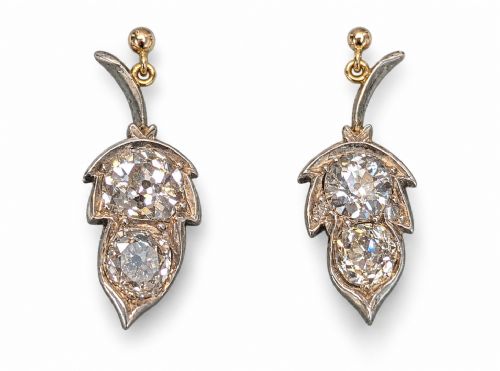
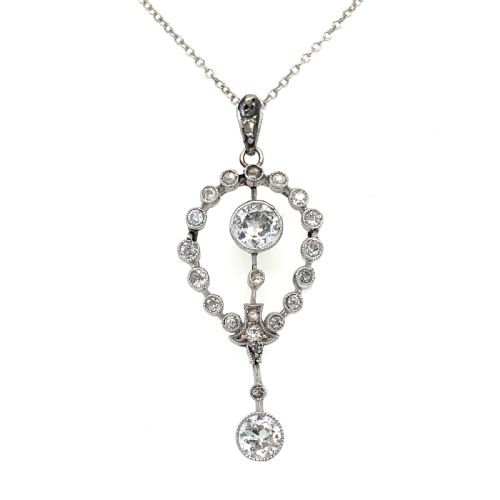
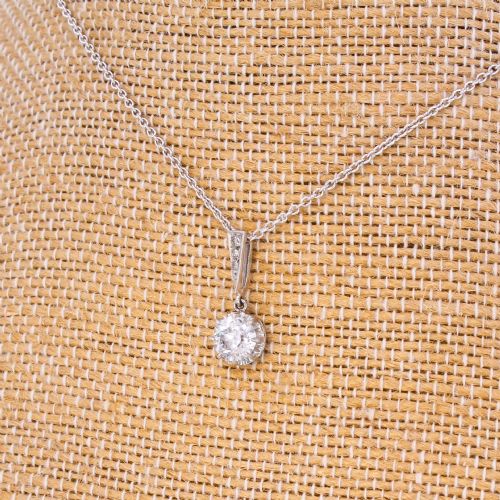
When you search for an old european cut pendant, you encounter fine antique and vintage jewellery featuring characterful round diamonds shaped by hand before modern machinery took over. These pieces span from the late nineteenth century through the Edwardian, Art Deco, and mid-century eras, appearing as single-stone drops, intricate geometric plaques, or convertible brooch pendants.
The version you are most likely to meet on this page is an Edwardian or Art Deco platinum-topped gold mounting holding a central diamond, often accompanied by smaller drop stones or seed pearls. Surviving examples also include Victorian silver-set star motifs and mid-century white gold designs that preserve these earlier hand-cut gems long after their initial creation.
The forms vary from simple solitaire suspensions on fine chains to elaborate multi-stone drop earrings and convertible brooches that transition easily from daywear to evening attire. Each item bears the distinct proportion of an earlier lapidary tradition, where stones were cut by eye under lamplight to maximise brilliance in low light.
How they were made
The construction of these items relies upon precious metals chosen for strength and colour harmony, predominantly platinum, yellow gold, 18ct white gold, and silver. Platinum emerged in the Edwardian period to allow delicate, lace-like pierced settings that secured old cut diamonds without heavy metal bulk.
Goldsmiths utilised hand-forging, casting, and piercing techniques to build mountings that cradled irregular gemstone shapes. Stones were set by hand using grain and bezel methods, pushing the surrounding metal over the girdle to hold the diamond securely in place.
Listings feature periods spanning from Victorian and Edwardian to 1930 and mid-century 1950.
What varies in quality
The distinction between tiers of these items rests upon the harmony of the mounting and the optical life of the stone. Superior examples display meticulous hand-piercing in platinum or gold that retains structural integrity alongside fine stone proportions and symmetry.
Quality also manifests in the preservation of original settings and the absence of clumsy later repairs. Masterful lapidary work in the primary diamond gives a warmer, deeper play of light compared to hastily finished stones.
The Old European Cut Pendant Glossary
- Old European Cut
- An early form of round brilliant diamond characterised by a small table, heavy crown, and open culet. This cut was dominant from the late nineteenth century through the art deco period.
- Culet
- The small flat facet at the bottom tip of an antique diamond. In hand-cut stones, this facet is often clearly visible through the top as a tiny open circle.
- Collet
- A band of metal that holds a gemstone in place, often with a scalloped or finished edge characteristic of antique jewellery settings.
- Seed Pearl
- A very small natural or cultured pearl, often threaded or clustered in Victorian and mid-century pieces to add delicate texture around a central gemstone.
- Pierced Work
- Openwork metal designs created by hand-sawing or piercing intricate patterns into platinum or gold plates to lighten the visual weight of a setting.
Old European Cut Pendant: Frequently Asked Questions
How do I care for an old european cut pendant?
Clean your piece gently using warm soapy water and a soft brush to remove everyday oils from behind the stone. Avoid harsh chemical dips, particularly if the pendant incorporates seed pearls or softer metals.
Store the item separately in a fabric-lined box to prevent the antique metalwork from scratching against other items in your collection.
Can I wear my pendant every day?
Many people wear these historic pieces daily, provided the setting remains robust and secure. Platinum and gold mountings from the Edwardian and Art Deco periods are remarkably durable when checked regularly by a professional.
Take the piece off before engaging in strenuous physical activity or manual work to protect delicate prongs and ancient metalwork from knocks.
How can I tell the period of my pendant?
Examine the materials and manufacturing techniques, such as the use of platinum over gold typical of the Edwardian era, or heavy silver-topping found in Victorian star motifs. Pierced lace-like metalwork points strongly to the early twentieth century.
Chain styles, clasp types, and hallmarks stamped on the jump rings or reverse of the mounting also offer reliable clues to the exact decade of manufacture.