



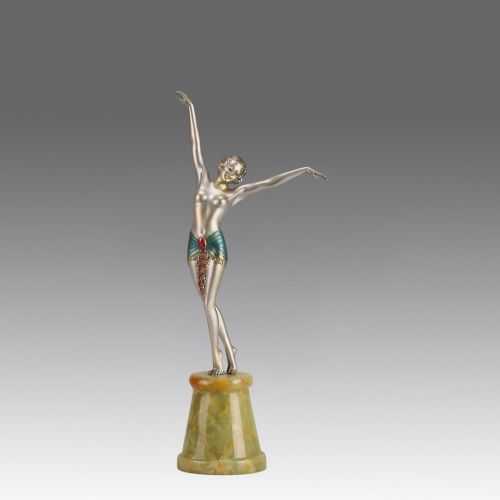
Vintage Female Statue
A vintage female statue brings personality to a room, drawing the eye with characterful gestures and historic materials.
Vintage Female Statue
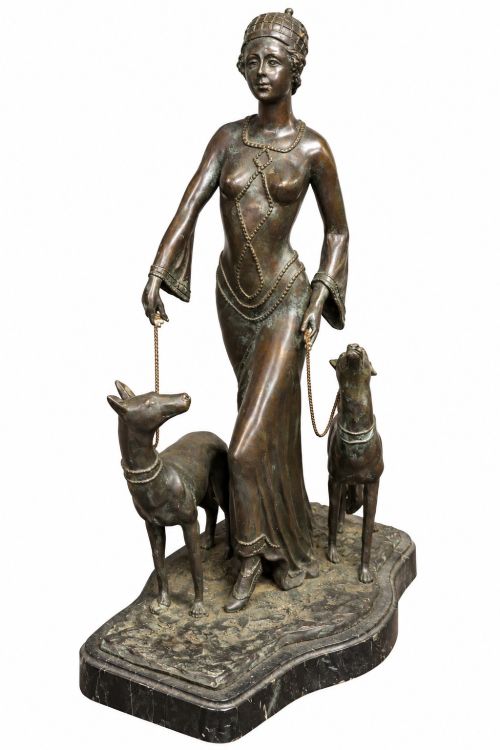
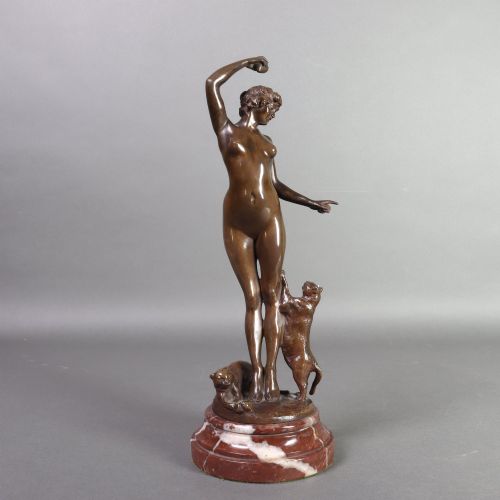
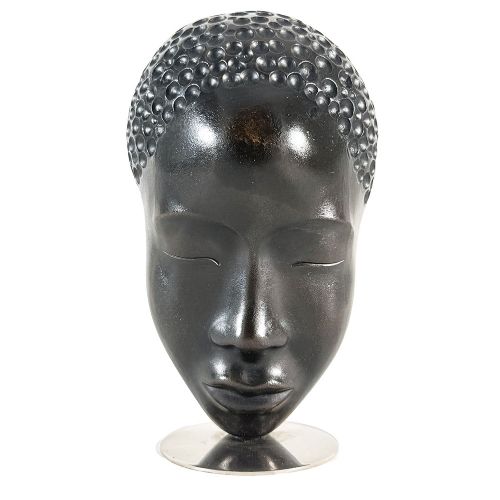
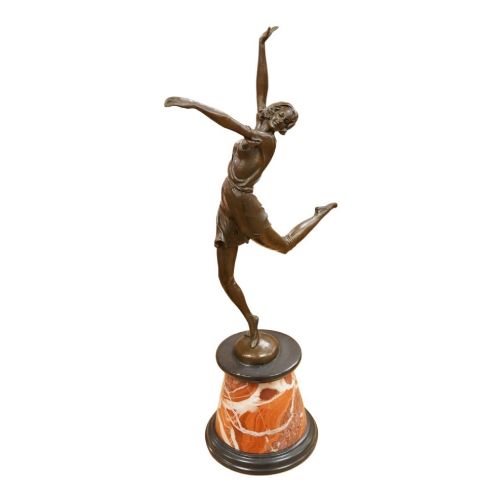
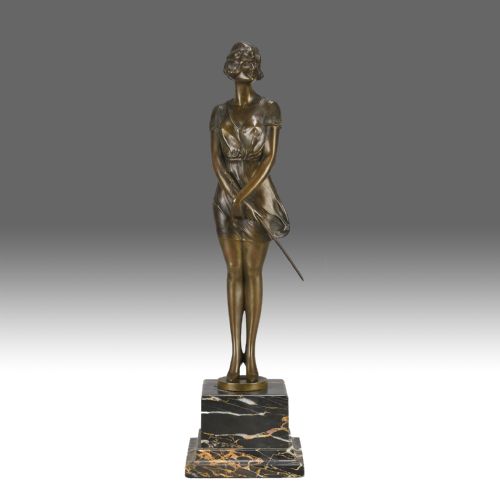
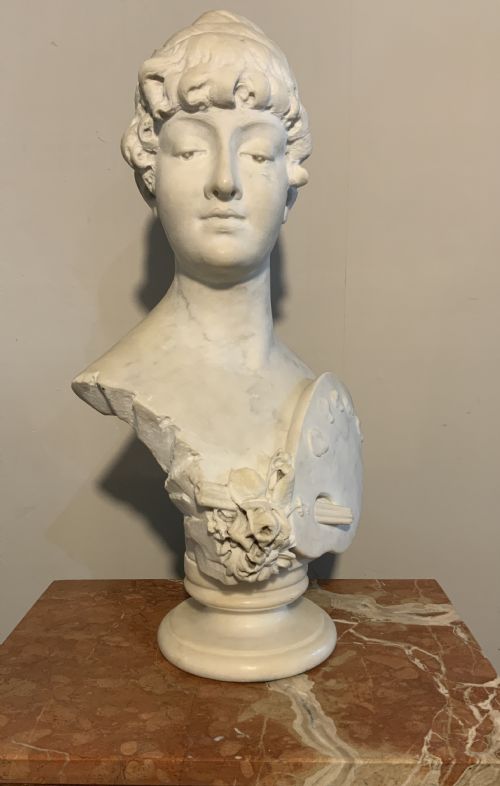
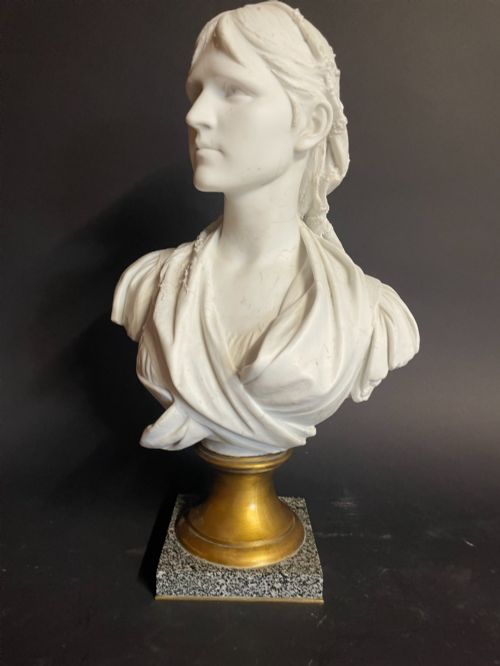
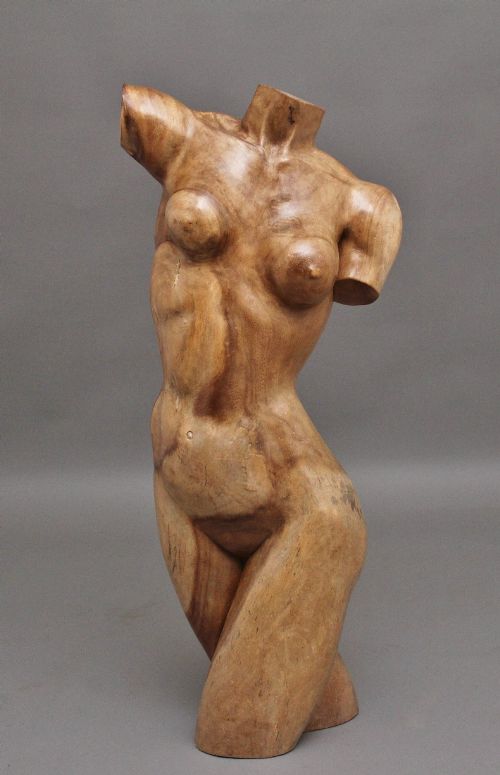
A vintage female statue encompasses sculptural works depicting women, spanning periods from the nineteenth century through the Art Deco era of the 1920s and 1930s. Buyers searching this phrase encounter indoor figurines and busts alongside larger garden statuary rendered in classic styles.
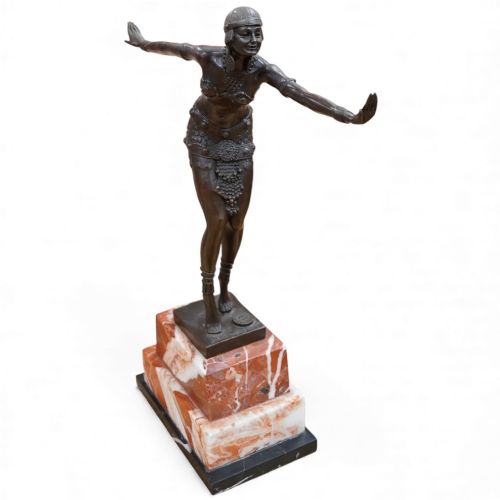
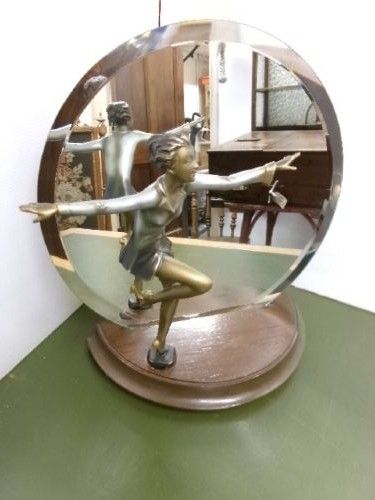
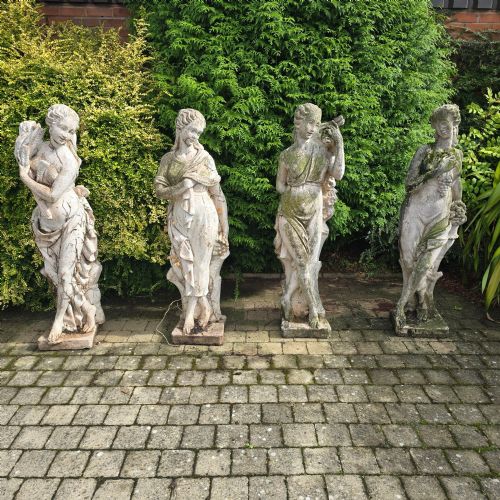
The selections on this page lean heavily towards early twentieth-century modernism and Art Deco dancers, alongside Victorian marble busts and Edwardian porcelain maidens. Figures range from small cabinet bronzes to life-sized stone and cast iron garden ornaments.
Origins stretch across Britain, France, Austria, and Italy, reflecting the diverse manufacturing centres of European sculpture during these decades. Forms vary from allegorical representations of seasons to stylised portraits and energetic dancers.
How they were made
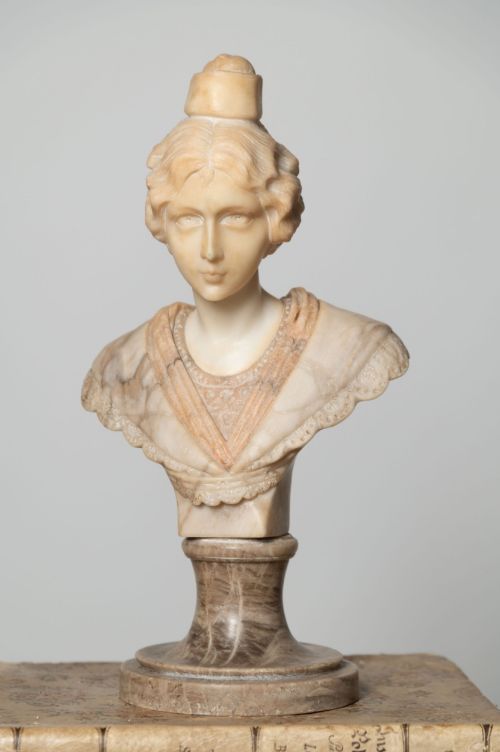
Materials divide into metals like bronze, spelter, and chrome-plated metal, alongside carved stone including marble, alabaster, onyx, and reconstituted stone. Ceramics also feature prominently, represented by porcelain figures from factories like Royal Worcester and Royal Dux.
Techniques combine traditional hand-carving for stone and alabaster with lost-wax casting for bronze and spelter figures. Cold-painting and gilt finishes frequently augment the metal surfaces, while porcelain pieces rely on mould-forming, hand-finishing, and delicate painting.
What varies in quality
Quality rests in the crispness of the casting or the sensitivity of the hand-carving, which dictates whether a drapery fold or facial expression appears lifelike. Finer bronzes retain sharp detail in the extremities and garment textures without softening from worn production moulds.
Surface finish distinguishes the standard of execution, particularly in cold-painted bronzes where the preservation of original polychrome detail matters greatly. The integrity of the material, whether flawless carved alabaster or well-cast bronze, defines the piece's sculptural presence.
Bruno Zach·Pierre le Faguays·Ferdinand Preiss·Josef Lorenzl·C J R Colinet·James Hadley·H. Schubert·Zoldan Kovats·Georges-Charles Coudray·Sibylle May
The Vintage Female Statue Glossary
- Spelter
- A zinc alloy commonly utilised as a less expensive alternative to bronze for decorative figures, particularly during the Art Deco period. It takes patination and paint well but possesses a lighter weight than bronze.
- Cold-painted bronze
- A method where bronze sculptures are painted with oil-based paints and left to dry naturally rather than fired in a kiln. This technique allows for vibrant polychrome detailing on clothing and skin.
- Alabaster
- A soft, translucent stone frequently carved into nineteenth-century busts and decorative sculptures. Its natural veining allows light to penetrate slightly beneath the surface.
- Lost-wax casting
- A process where a molten metal is poured into a mould that has been created by a wax model, which is melted and drained away. This technique permits intricate undercuts and fine surface details.
- Carrara marble
- A type of white or blue-grey marble quarried in the city of Carrara in northern Italy. It has been favoured by sculptors since classical antiquity for its fine grain and durability.
Vintage Female Statue: Frequently Asked Questions
How do I identify Art Deco dancers?
Art Deco dancer figures typically display stylised garments, dynamic poses inspired by contemporary theatre, and slender proportions characteristic of the 1920s and 1930s. They often rest on multi-tiered bases of marble or onyx.
Materials frequently include cold-painted bronze or spelter, sometimes combined with ivory or synthetic alternatives for faces and hands.
Where should I place a heavy marble bust?
Marble and stone busts require robust, stable furniture such as a sturdy sideboard, a dedicated column, or a reinforced architectural plinth. Their substantial weight means they must sit on level surfaces away from edge hazards.
Interior placement should avoid direct, prolonged sunlight and areas of high humidity to protect the stone surface and any applied patination.
Are garden statues frost resistant?
Garden statuary made from cast stone, reconstituted stone, or durable metals generally withstand outdoor conditions, but porosity varies by material. Alabaster and certain softer marbles are unsuited to exterior frost.
Protecting stone figures during severe winter freezes by covering them or moving them indoors prevents moisture expansion from cracking the material.
How do I clean antique bronze figures?
Dust bronze sculptures gently with a soft, dry microfibre brush to remove everyday accumulation without disturbing the surface patina. Avoid abrasive cloths, water, and chemical cleaning products.
Occasional light application of microcrystalline wax helps protect exposed metal surfaces from atmospheric moisture and handling oils.