


Vintage Female Bronze Statue
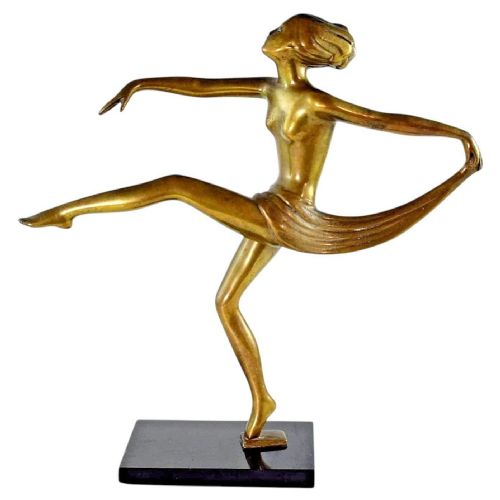
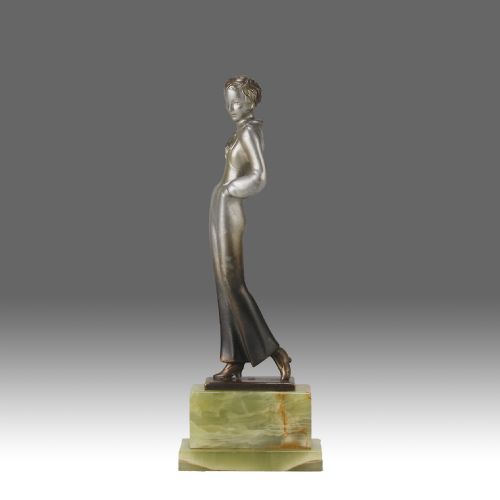
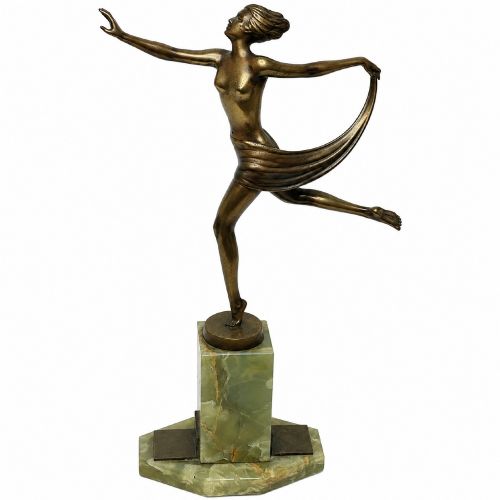
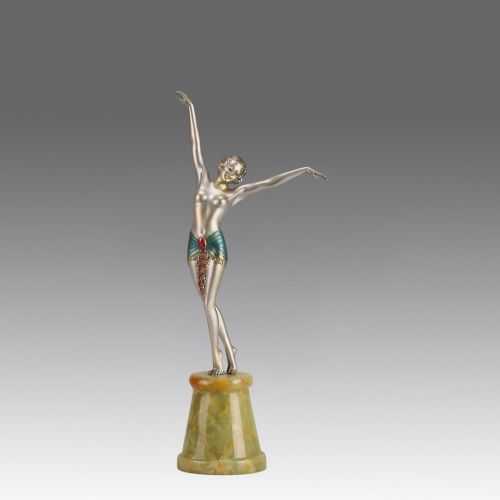
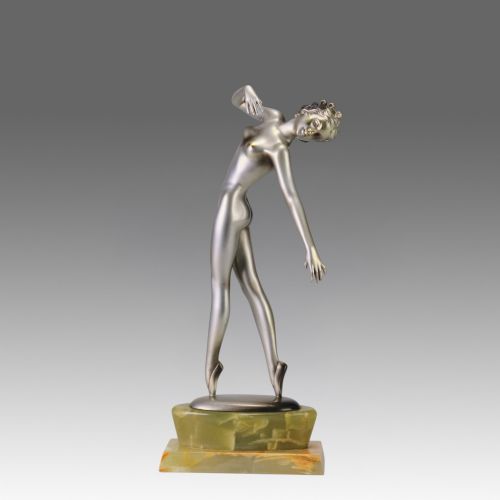
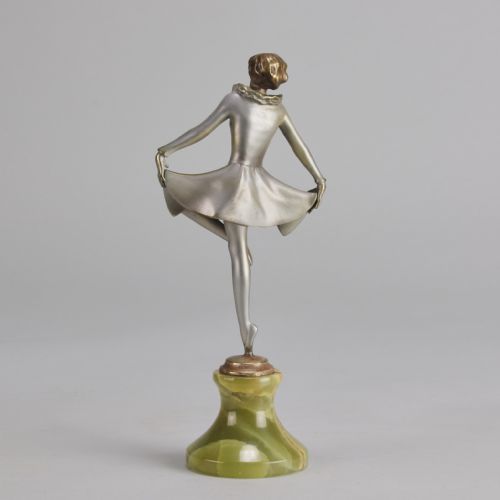
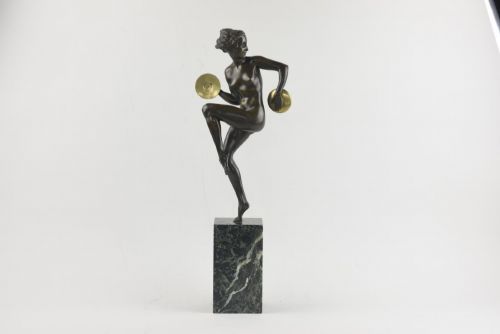
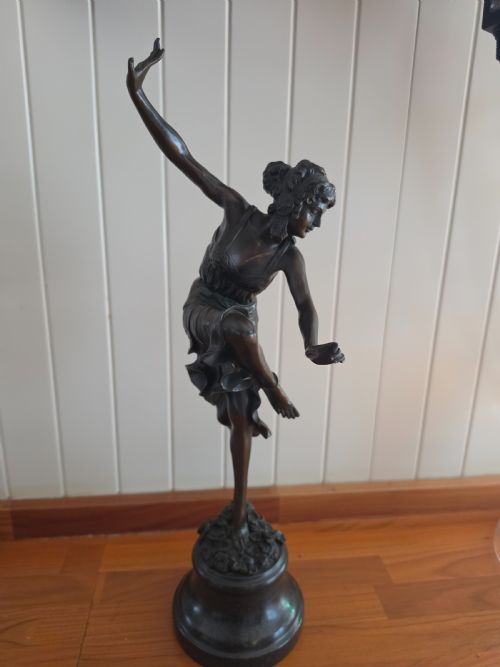
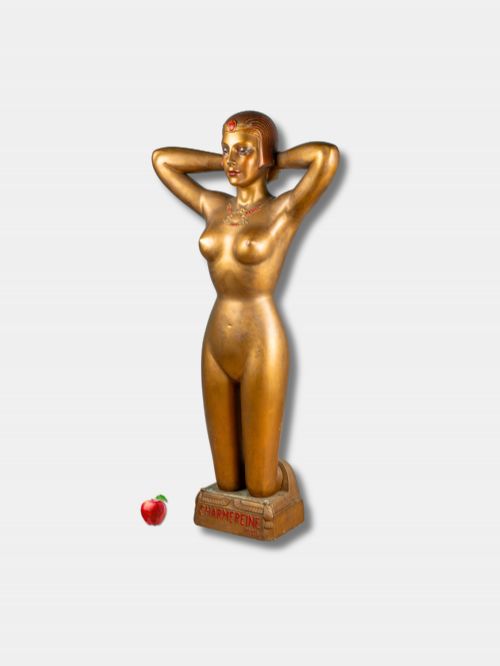
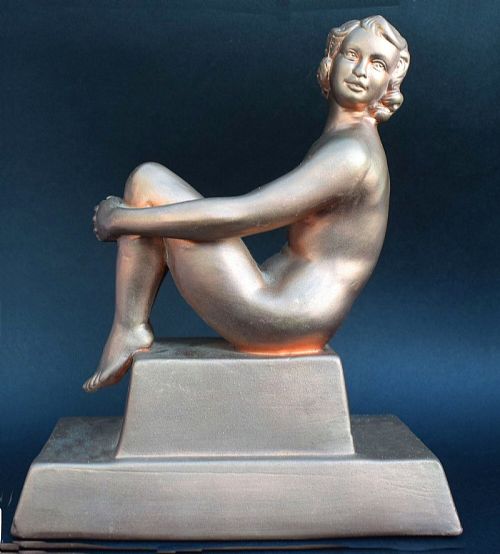
A vintage female bronze statue captures the dynamic spirit of the early twentieth century through spirited dancers, classical figures, and stylised nudes.

Vintage Female Bronze Statue
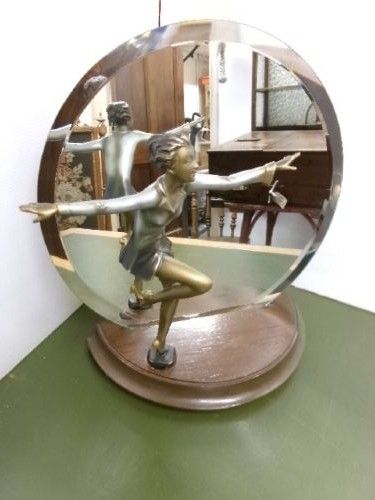
A vintage female bronze statue on this page primarily reflects the Art Deco and Art Nouveau movements spanning the late nineteenth century through the 1930s. These pieces take the form of dancers, nudes, lamps, and car mascots that embody movement and the human form.
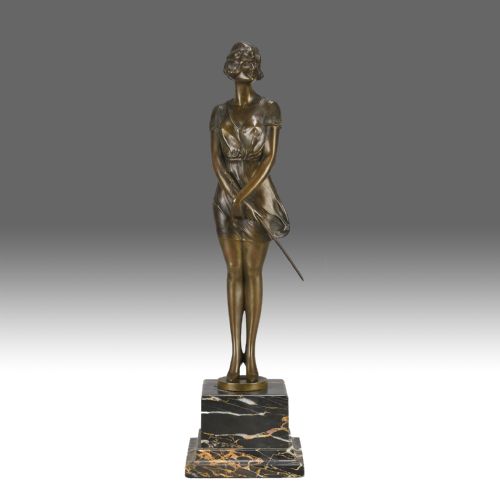
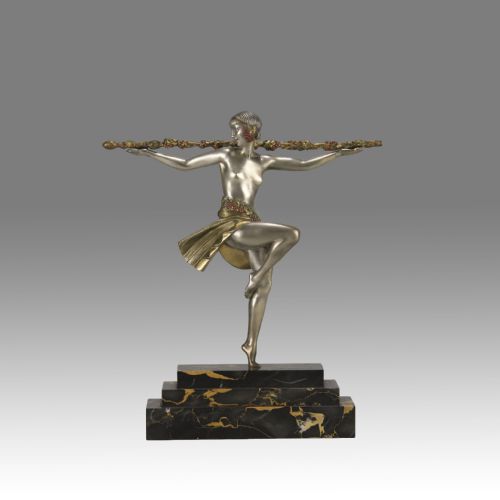
The version most commonly met here is the Art Deco dancer or figure produced in France and Austria during the 1920s and 1930s. Figures often stand on bases of marble or onyx, capturing moments of motion such as ballet, tambourine, and hoop dances.
Beyond pure sculpture, the evidence includes utilitarian and decorative variants like table lamps and advertising displays. These objects blend functional design with the distinct sculptural aesthetics of the Edwardian and interwar periods.
Materials and methods
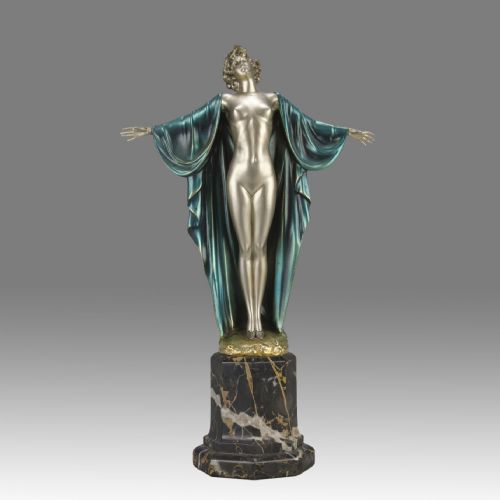
Foundries utilised traditional lost-wax casting methods to shape bronze into intricate human forms, capturing fine details in drapery and hair. Many figures received cold-painted finishes or applied patination to enhance the tactile surface and add colour.
Alternative metals such as spelter and patinated metal appear frequently alongside solid bronze, offering a different weight and texture. These metal figures are commonly mounted on heavy stone plinths made of marble or onyx to provide stability.
Some ambitious pieces combine multiple mediums, incorporating materials like glass, wood, and cold paint to create complex decorative objects. Table lamps and chryselephantine sculptures integrate these varied components into unified compositions.
Object forms range from standard shelf sculptures and figurines to functional table lamps and automotive car mascots.
Distinctions in quality
The application and preservation of surface treatments like cold painting and patination dictate the visual impact of a piece. Skilled hand-painting and stable patinas endure better and maintain the artistic intent of the original design.
The integration of the figure with its base demonstrates overall craftsmanship, particularly in mixed-media pieces involving marble, onyx, or carved stone. A well-fitted mount and substantial base material provide proper balance and proportional harmony.
Bruno Zach·Pierre le Faguays·Ferdinand Preiss·Josef Lorenzl·Aurore Onu·C J R Colinet·Georges Charles Coudray·Sibylle May·Auguste Moreau·Demetre Chiparus·Maurice Guiraud Riviere·Paul Philippe·Zoldan Kovats
The Vintage Female Bronze Statue Glossary
- Cold-painted bronze
- A technique where paint is applied to a bronze object without subsequent firing or heat fixation. This method allows for vivid polychrome details on garments and skin.
- Spelter
- A zinc alloy commonly used as a less expensive alternative to bronze during the art deco period. It accepts patination and paint well but possesses a lighter weight.
- Chryselephantine
- A term describing statues made from a combination of bronze and ivory. These works showcase contrasting textures between the metallic garments and carved faces or hands.
- Patinated metal
- Metal treated with chemicals or heat to alter its surface colour and finish. This process protects the underlying material while producing deep brown or green tones.
- Car mascot
- A small sculptural ornament mounted on the radiator cap of an automobile. During the interwar period, artists designed stylised female figures specifically for this automotive purpose.
Vintage Female Bronze Statue: Frequently Asked Questions
How do I identify an Art Deco figure?
Art Deco pieces generally feature stylised geometric lines, aerodynamic shapes, and depictions of modern pastimes like dancing. Figures often display elongated limbs, bobbed hair, and theatrical costumes characteristic of the interwar period.
Sculptors from this era focused heavily on dynamic movement, capturing dancers mid-step or poised in balance. These works frequently stand upon stepped or polished geometric marble and onyx bases.
Were these statues signed by artists?
Many sculptures in the evidence carry signatures or foundry marks inscribed directly into the bronze or the stone base. Signatures link the piece to prominent designers active during the early twentieth century.
Unsigned works also appear frequently in period production, ranging from anonymous foundry editions to commercial tabletop figures. The absence of a signature does not diminish the period authenticity or manufacturing quality.
How should I display a heavy stone base?
Statues mounted on marble or onyx require a sturdy, level surface capable of supporting considerable weight. Placing the piece away from direct foot traffic prevents accidental tipping of these dense objects.
Interior placement should avoid excessive humidity and direct sunlight to preserve cold-painted finishes and patinated metal surfaces. Regular dusting with a soft cloth maintains the condition of both the metal and the stone.