
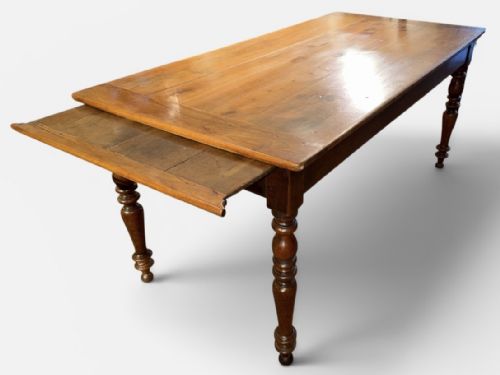


Vintage Extending Kitchen Table
A vintage extending kitchen table offers reliable daily utility alongside period character, bridging the gap between modest family meals and larger gatherings.
Vintage Extending Kitchen Table
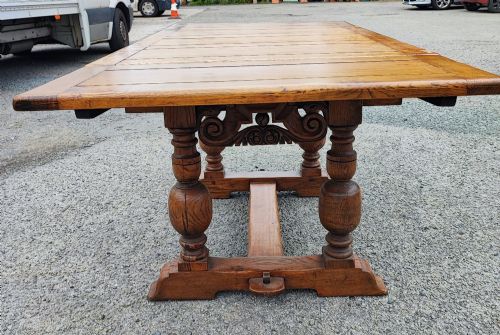
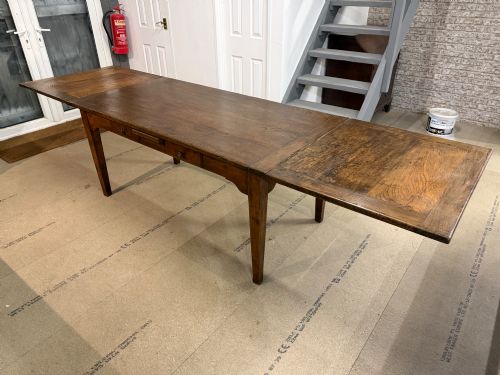
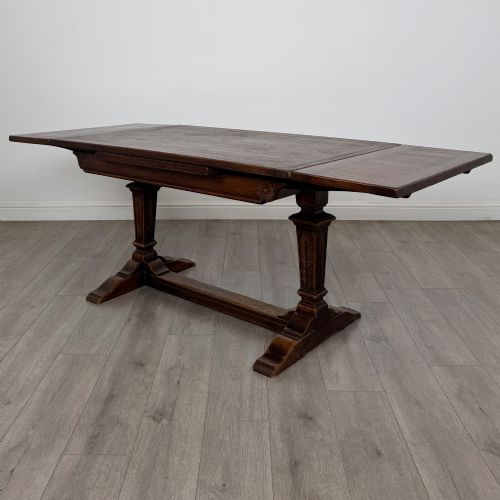
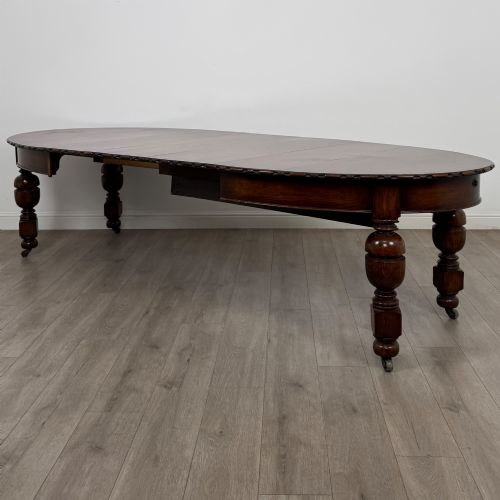
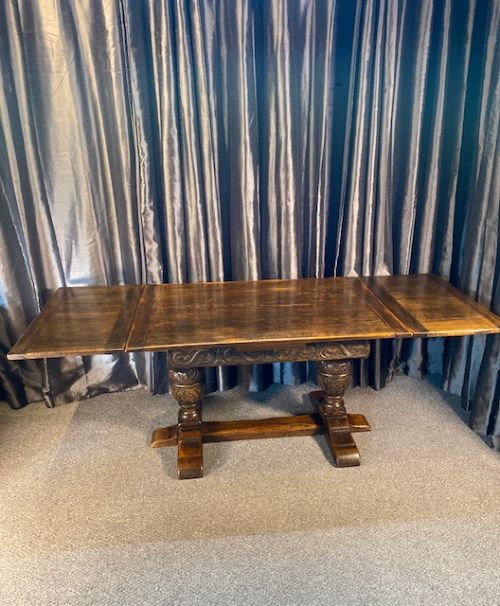
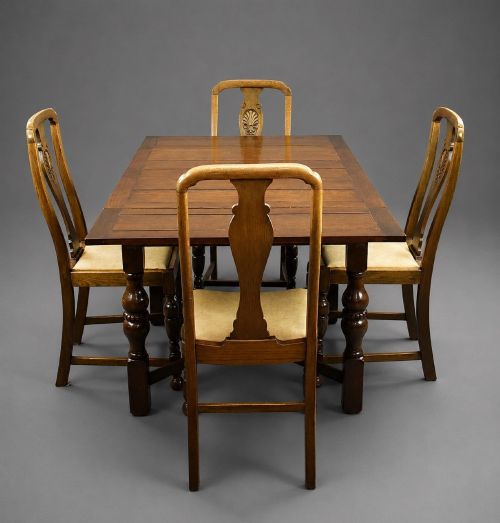
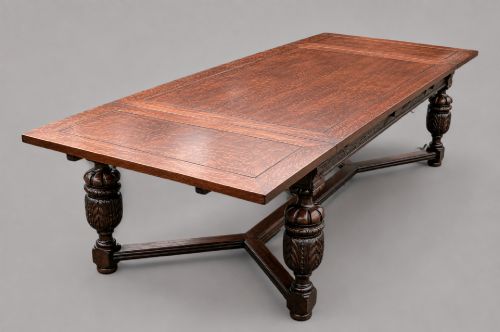
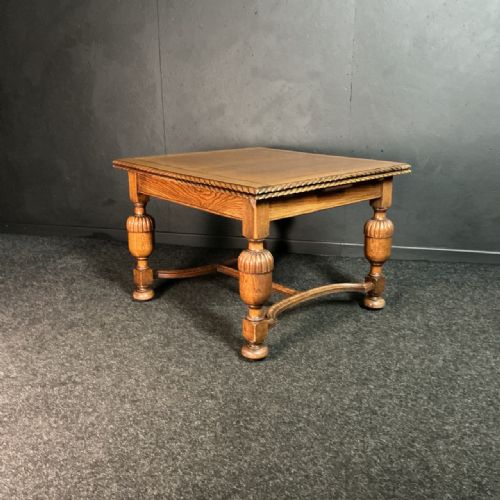
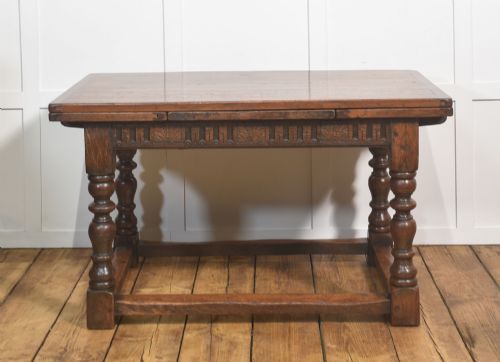
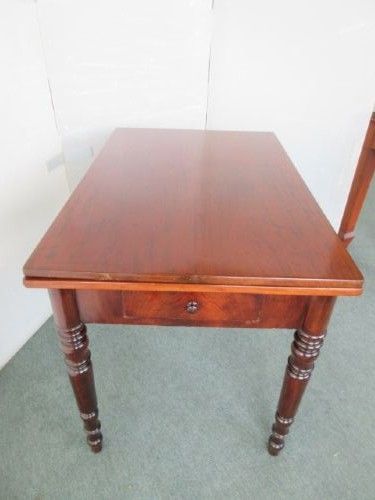
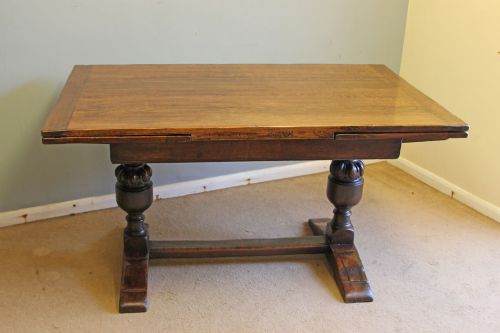
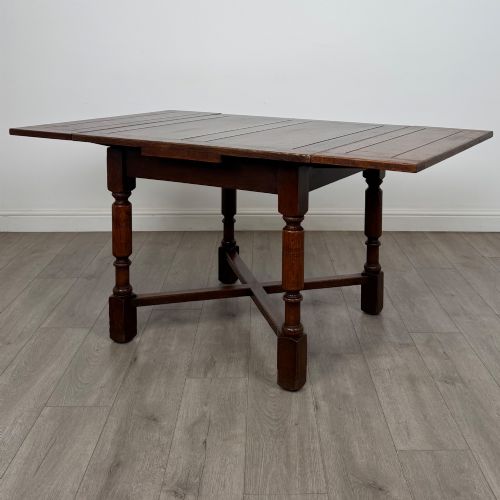
A vintage extending kitchen table is primarily defined by solid construction in oak or cherry, often featuring practical draw-leaf mechanisms that allow the surface area to expand quickly when needed. Buyers looking for a vintage extending kitchen table will encounter substantial refectory forms, Edwardian designs, and rustic farmhouse tables that were built to handle robust daily use.
The dominant examples on this page rely on clever pull-out leaves or double-extending frames rather than winding handles, keeping the operation simple and direct. These pieces draw on English country house, French provincial, and Jacobean revival styles, grounding a modern dining space in traditional craftsmanship.
Most items date from the late nineteenth century through to the early decades of the twentieth century, reflecting an era when kitchen furniture prioritised utility alongside honest timber construction. The presence of bread slides or parquetry surfaces on certain models points towards regional variations in both English and French farmhouse traditions.
Materials and construction methods
Cabinet makers relied heavily on solid oak and cherry for these tables, selecting dense hardwoods capable of withstanding the heavy knocks of a working kitchen. Grain patterns and natural colour variations in the wood remain prominent, often finished simply to let the timber speak for itself.
The extension mechanism typically takes the form of draw-leaves tucked neatly beneath the main top, sliding out smoothly on internal wooden runners when extra guests arrive. Secondary metals like brass appear primarily in operational fixings and hinges, while occasional walnut parquetry introduces decorative geometric surface work.
Listings span the nineteenth century through to 1920, with oak appearing as the dominant material alongside cherry and walnut.
Distinguishing features of quality
The division between standard workshop production and superior cabinet making rests in the smoothness of the extending mechanism and the stability of the frame when fully opened. Higher quality tables maintain tight joints and level surfaces across the leaves without sagging or dipping at the outer edges.
Selection of timber also separates the tiers, with finer pieces utilising thick, well-figured oak or unblemished cherry boards that display rich patination built up over generations of use. The execution of secondary details, such as carved friezes, cabriole legs, or integrated bread slides, marks out the more ambitious commissions from straightforward utilitarian furniture.
Maple and Co
The Vintage Extending Kitchen Table Glossary
- Draw leaf
- A table design featuring two concealed leaves positioned beneath the main top that pull out from each end to increase surface length.
- Refectory
- A long, narrow dining table traditionally built for communal dining halls, characterised by sturdy legs joined by low stretchers.
- Bread slide
- A pull-out wooden shelf historically used for cooling bread or placing hot dishes near the main workspace.
- Parquetry
- A geometric mosaic of wood pieces used for decorative surfacing on floors or table tops, creating intricate patterns.
- Cabriole
- A furniture leg that curves out and then narrows inward, inspired by the shape of an animal's curving leg.
Vintage Extending Kitchen Table: Frequently Asked Questions
How do draw-leaf tables work?
Draw-leaf tables operate through a pair of sliding panels stored directly beneath the main tabletop. When you pull one end, the main top rises slightly to let the leaf slide outward into place.
Once fully extended, the main top drops back down to lock the surface level and create a seamless extended board for dining.
Are these tables suitable for daily kitchen use?
These pieces were originally constructed for heavy daily use in kitchens and dining rooms. The robust hardwoods used in their frames handle active family life easily.
Routine care involving gentle cleaning and occasional waxing helps protect the timber surface from everyday wear and moisture.
How do I date an oak farmhouse table?
Dating relies on examining construction marks, timber selection, and stylistic details like leg turnings or stretcher arrangements. Tables from the nineteenth century often show hand-planed surfaces and pegged joints.
Later twentieth-century examples tend to feature more standardised machine joints while retaining traditional revival styling.
What is a bread slide used for?
A bread slide is a pull-out wooden board integrated beneath the main tabletop. Historically, bakers and cooks utilised these boards for slicing bread or resting hot dishes close to hand.
Today, they provide extra surface space during meals without requiring the full extension of the main leaves.