
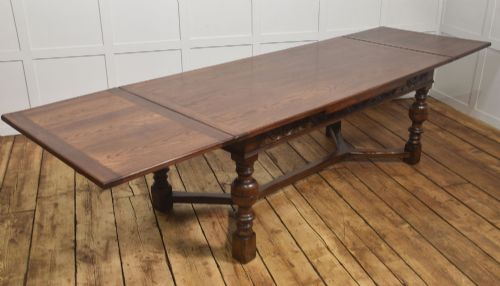
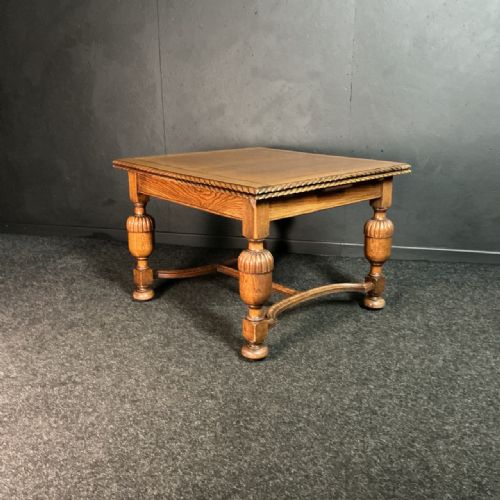
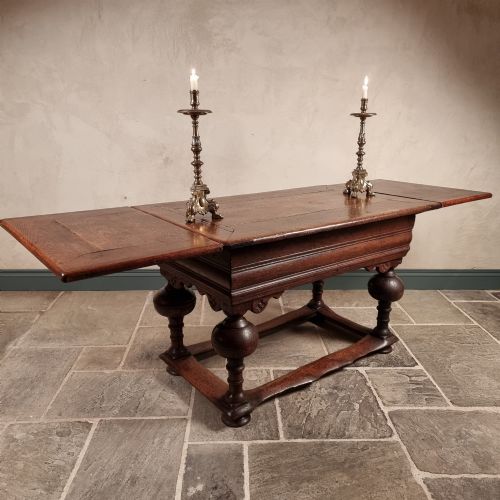
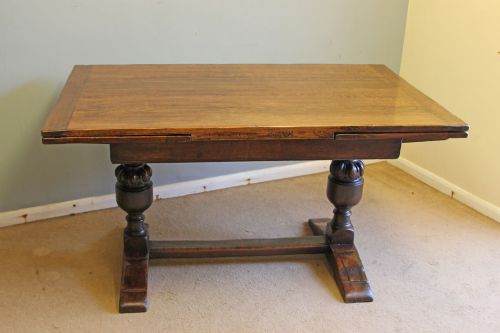




Antique Oak Extendable Table
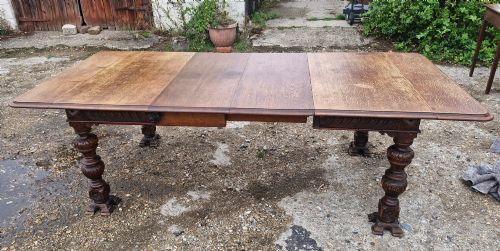
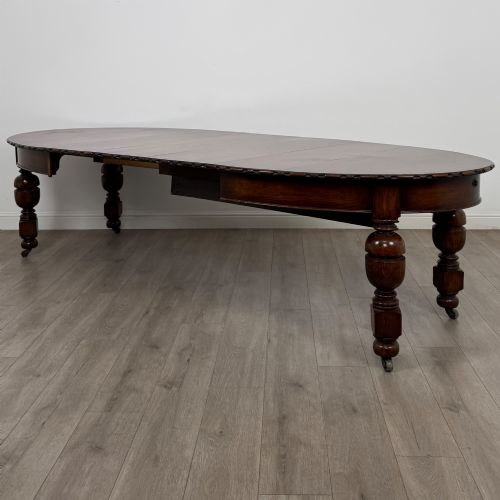
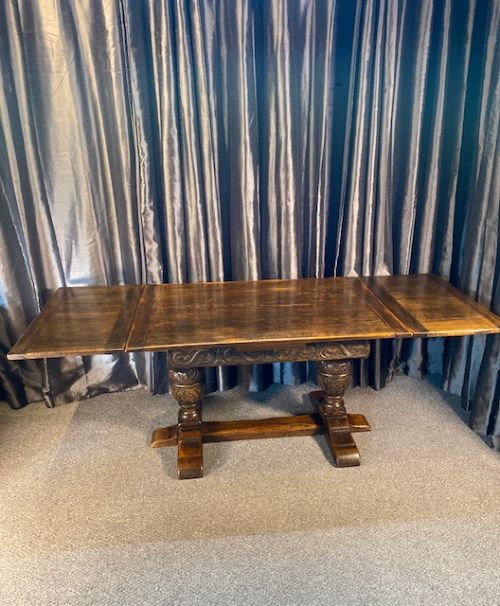
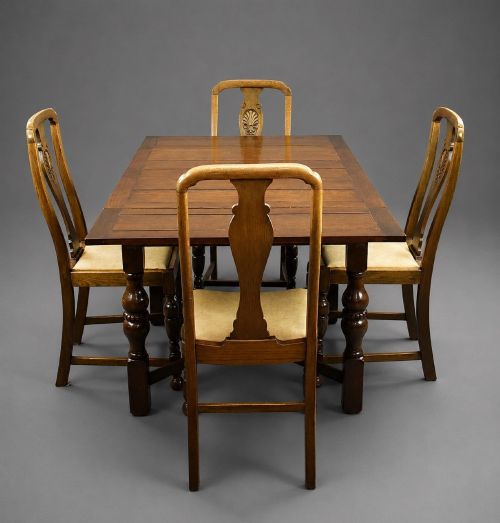
An antique oak extendable table offers sturdy everyday dining space combined with centuries of timber character.
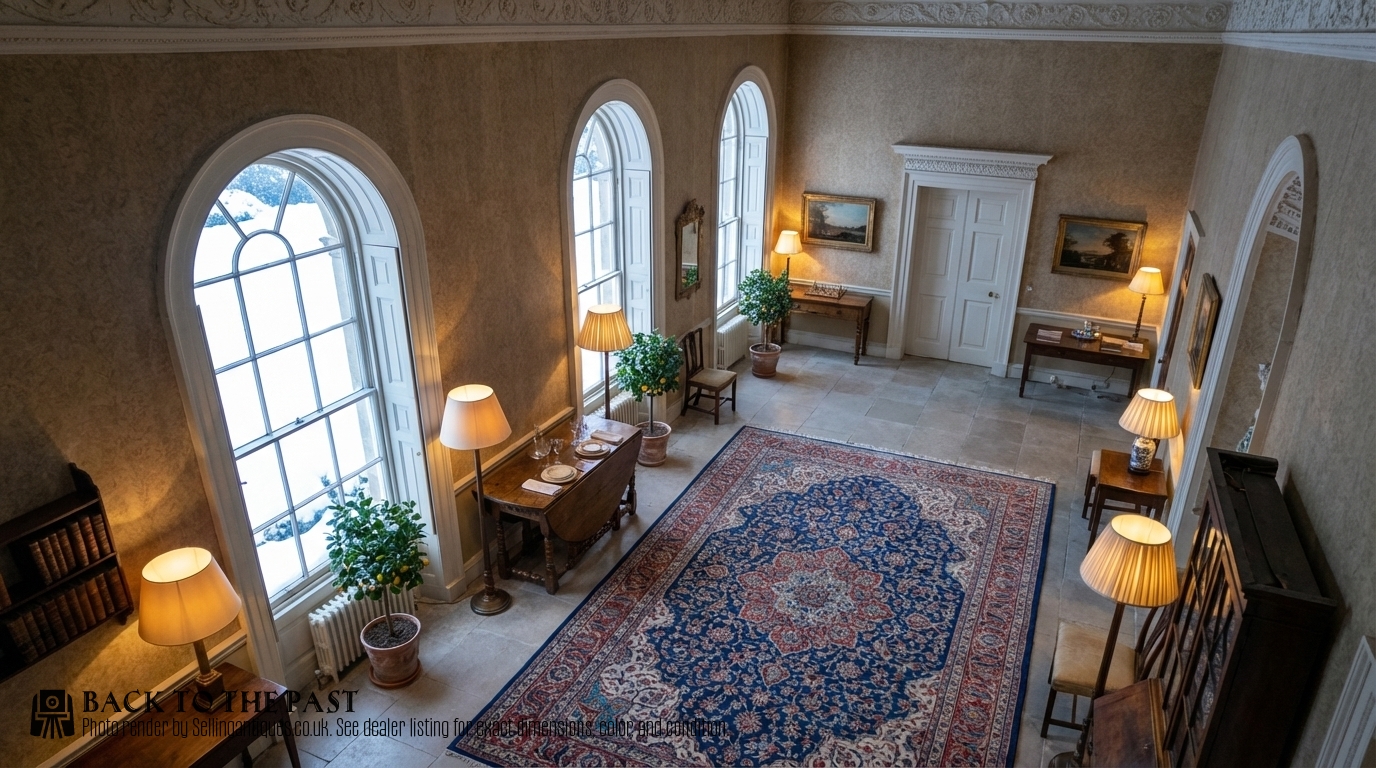
Antique Oak Extendable Table
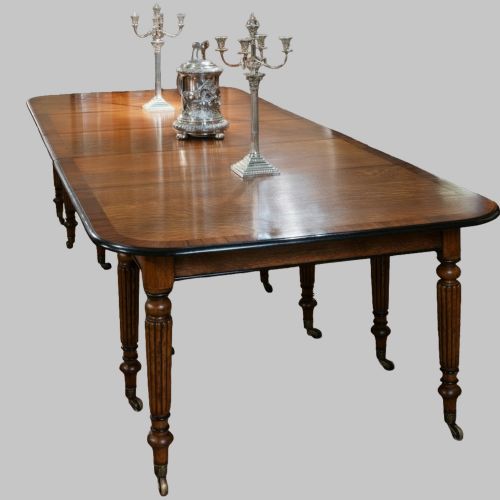
An antique oak extendable table brings functional dining flexibility into domestic spaces through several distinct mechanisms. The selection encompasses draw-leaf formats, gateleg designs, and refectory tables that expand to accommodate larger gatherings. Buyers frequently encounter Edwardian and twentieth-century interpretations alongside earlier seventeenth and eighteenth-century examples.
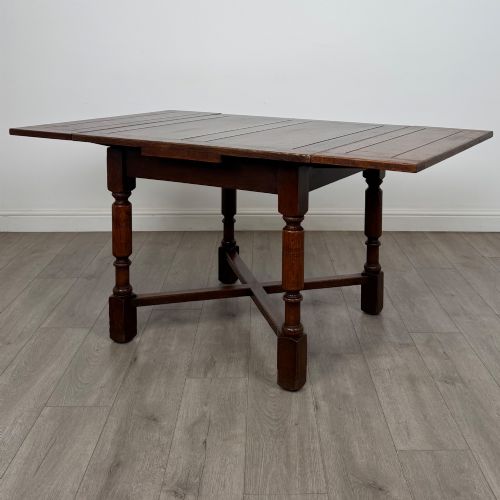
The form adapts to both country house dining rooms and compact kitchens. Drop-leaf and gateleg variations allow surfaces to fold away when space is at a premium. Draw-leaf versions conceal extension leaves beneath the main top, ready to slide outwards with minimal effort.
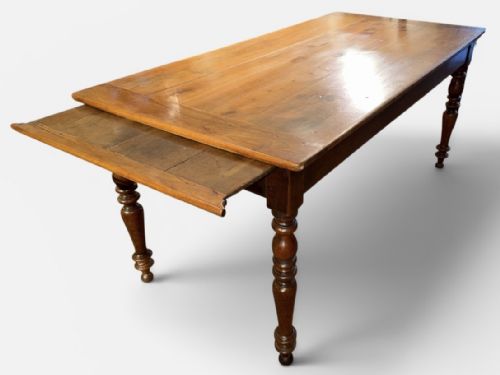
Originating across various British periods, these tables showcase the enduring appeal of native hardwood. The range spans formal Victorian dining suites to rustic English farmhouse tables built for daily utility.
How they were made
Makers relied primarily on solid oak, frequently supplemented with fruitwood, walnut, or brass fittings on extending mechanisms. Timber was chosen for density and strength, often displaying pronounced grain patterns and natural growth markings. Joinery techniques like mortise and tenon construction ensured frames remained rigid through decades of daily use.
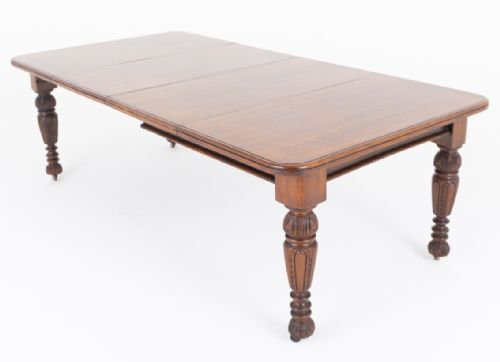
Surface treatments varied from waxed finishes that enhanced the natural timber colour to elaborate carved details seen in Jacobean revival styles. Turning was commonly employed for table legs, producing barley twist or bobbin-turned supports that added decorative flair to sturdy structural frames.
Antique Oak Extendable Table Retail Price Guide 2026
Typical asking prices for oak extendable table among the pieces listed under this phrase on Sellingantiques today, from the lower quarter to the upper quarter. They describe what is for sale here now, not the wider market.
Listings feature oak tables spanning the seventeenth century through to the Edwardian era, incorporating walnut, fruitwood, and brass hardware.
What varies in quality
The distinction between ordinary and exceptional examples rests in the depth of timber patination and the precision of the extending mechanism. Tables retaining their original surface finish and unblemished hardware command greater appreciation among collectors. Construction methods that conceal extension leaves neatly beneath the main surface demonstrate superior craftsmanship.
Proportion and scale also dictate desirability, with rarer forms such as narrow gateleg formats or seventeenth-century refectory tables offering distinct architectural presence. The integration of secondary timbers like walnut or fruitwood accents adds nuance to an otherwise uniform oak construction.
Maple and Co
The Antique Oak Extendable Table Glossary
- Draw-leaf table
- A dining table featuring two sliding leaves stored underneath the main top that pull out to extend the surface.
- Gateleg table
- A drop-leaf table where the hinged flaps are supported by hinged legs that swing out like gates.
- Refectory table
- A long, narrow dining table traditionally used for communal dining, often adapted into smaller farmhouse variants.
- Patina
- The surface sheen and colour depth developed by timber over centuries of handling, exposure, and polishing.
- Barley twist
- A type of decorative wood turning resembling a spiral rope, popular in seventeenth-century and Edwardian furniture.
Antique Oak Extendable Table: Frequently Asked Questions
How do draw-leaf extension tables work?
Draw-leaf tables use two hidden leaves positioned beneath the primary top boards. When guests arrive, the main top lifts slightly as the leaves slide out from each end, dropping smoothly into place to create an extended surface.
This clever mechanism avoids the need to store separate loose leaves elsewhere in the house. It provides a stable platform for dining without altering the table's appearance when closed.
Are gateleg tables suitable for small rooms?
Gateleg tables excel in compact spaces because their drop leaves fold down completely on either side. When not in use, the leaves hang vertically, reducing the footprint to a narrow console shape.
Swinging out the supporting leg gates takes seconds when extra surface area is needed for meals. This adaptability made them popular in English country homes for centuries.
How do I care for an oak table surface?
Solid oak surfaces respond best to regular dusting with a soft, dry cloth and occasional applications of natural beeswax. Avoid placing hot dishes directly onto the timber and use mats to prevent moisture rings.
Preserving the original patina requires patience and gentle cleaning rather than harsh chemical polishes. Feeding the wood periodically keeps the grain vibrant and protects against drying.
How can I tell the period of an oak table?
Dating an oak table involves examining the construction joints, timber preparation marks, and hardware style. Earlier pieces from the seventeenth century often show hand-planed surfaces and pegged mortise joints, while Edwardian and later versions feature more uniform machine milling.
Leg turning styles also offer strong clues, as barley twist supports appear frequently in both seventeenth-century originals and early twentieth-century revival pieces.