


Vintage Ersari Turkmen Rug
A vintage ersari turkmen rug delivers rich tribal tradition and geometric mastery into modern interiors.
Vintage Ersari Turkmen Rug
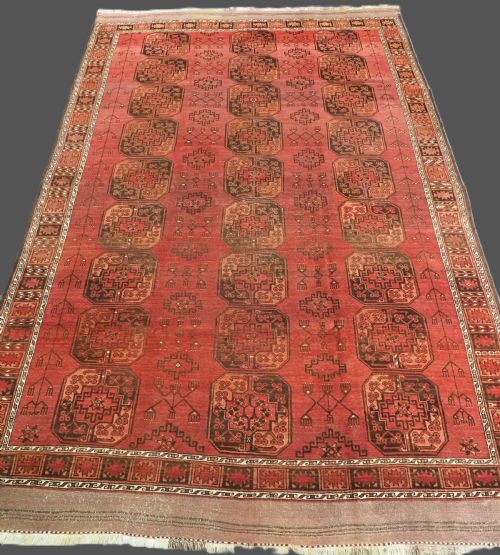
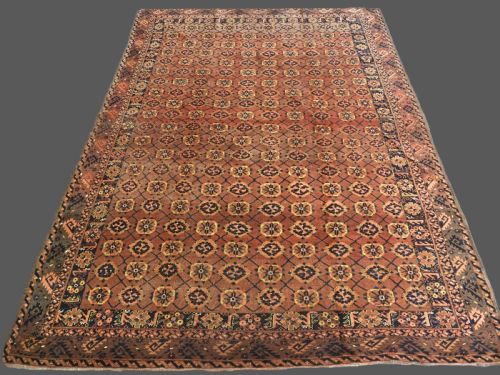
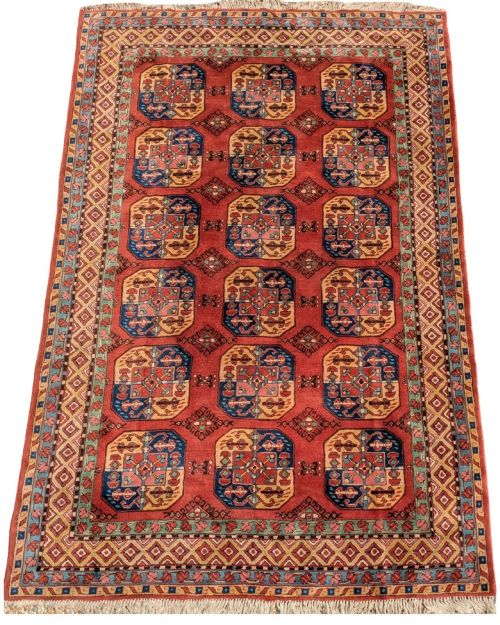
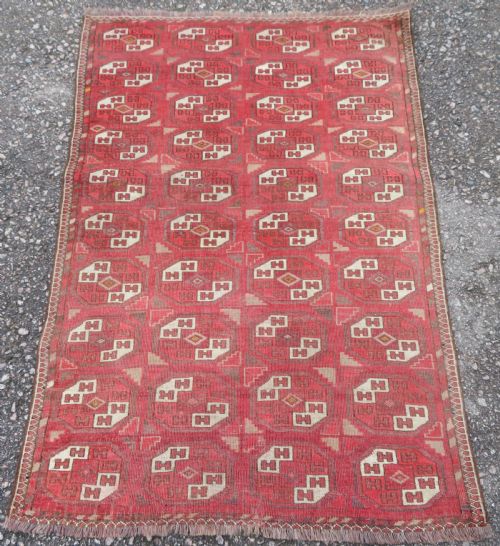
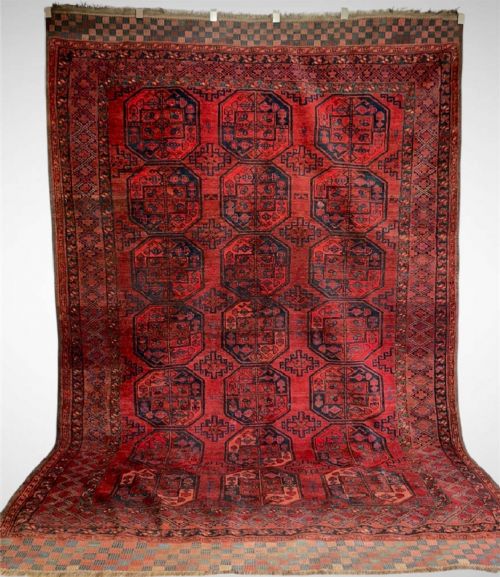
When you search for a vintage ersari turkmen rug, you encounter hand-knotted tribal floor coverings and domestic textiles originating from Central Asia and Afghanistan. These pieces range from large main carpets suited for country house rooms down to smaller functional formats.
The selection on this page centres heavily on traditional formats created by the Ersari sub-tribe and broader Turkmen groups. You will frequently meet smaller utility pieces alongside expansive room-size carpets designed for heavy domestic use.
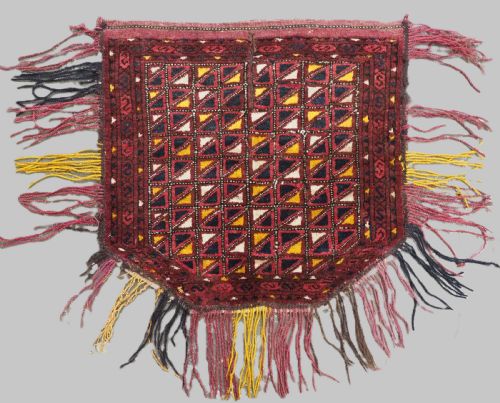
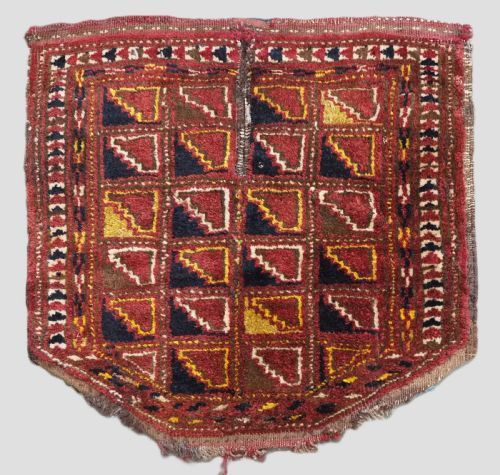
Beyond standard floor rugs, the inventory includes specialised nomadic furnishings such as tent door hangings, saddle covers, storage bags, and torba faces. Each form reflects the specific domestic requirements of the weaving communities that produced them.
How They Were Made
Weavers constructed these textiles primarily using wool foundations combined with hand-spun wool pile dyed in deep, saturated hues. Natural dyes impart the characteristic warm red tones and complex secondary shades seen across the pieces.
Certain examples incorporate cotton details for structural contrast or delicate glass beads intended to ward off misfortune. Artisans secured these materials through meticulous hand-knotting techniques designed to withstand decades of foot traffic.
A few resilient pieces hide tiny glass beads among their wool threads, silently daring evil spirits to interfere with the household.
What Varies in Quality
The upper tier of these textiles displays superior handling of natural dye palettes, yielding depth and variation across the field that flat chemical dyes cannot replicate. Knot density and precision in executing traditional gul motifs also distinguish master weaver output from routine village production.
Structural integrity dictates the standing of individual specimens, where even heavily worn examples retain value if the wool pile maintains its original vibrancy and secure knotting. The complexity and completeness of auxiliary items, such as original tassels or intact borders, elevate an individual piece within the broader spectrum.
The Vintage Ersari Turkmen Rug Glossary
- Gul
- A primary octagonal medallion motif repeated across Turkmen carpets. This design element serves as a tribal emblem and structural anchor for the field pattern.
- Torba
- A small storage bag produced by nomadic weavers for domestic organisation inside a tent. These pieces often feature expressive minor motifs and retained utility loops.
- Kapunuk
- A tent door hanging or portiere placed at the entrance of a nomadic dwelling. These architectural textiles display specialised top flaps and welcoming symbols.
- Ensi
- A cross-panel rug designed to hang over the doorway inside a yurt. The layout typically divides the field into four distinct quadrants separated by a candelabra motif.
- Beshir
- A regional design style associated with Ersari weavers residing near the Amu Darya river valley. These pieces frequently incorporate more fluid botanical elements and ikat influences alongside traditional geometry.
Vintage Ersari Turkmen Rug: Frequently Asked Questions
How were these rugs used?
Nomadic and village communities utilised these textiles for daily domestic life, laying large carpets across felt flooring inside tents and permanent dwellings. Smaller bags and hangings served practical storage roles for bedding, clothing, and household provisions.
Specialised formats also functioned as doorway coverings or decorative architectural elements within the living space. Every woven item combined utilitarian durability with symbolic tribal identity.
How do I clean a vintage rug?
Gentle surface cleaning and regular low-suction vacuuming without a rotating beater bar help maintain wool pile and prevent fibre damage. Professional textile conservation cleaning remains the safest method for addressing deep soil or historic staining.
Water exposure should be managed carefully to protect natural dye stability and structural wool foundations. Avoiding direct, prolonged sunlight prevents fading in saturated red colour fields.
Are these rugs durable?
Nomadic weavers constructed these heavy-duty floor coverings to withstand generations of daily foot traffic and domestic hardship. The dense wool pile and sturdy knotting provide natural resilience against wear in busy hallways or reception rooms.
Even pieces showing historic wear often retain structural integrity thanks to robust foundation threads. Using an appropriate underlay helps protect the base structure during modern floor use.
What is a gul motif?
The gul is a repeating octagonal medallion that acts as the primary visual building block for Turkmen and Ersari carpet design. Different sub-tribes utilised distinct geometric variations of this emblem to signal lineage and geographic origin.
These medallions anchor the central field while surrounding secondary ornaments create visual rhythm across the rug. Recognising specific gul shapes helps collectors attribute age and regional provenance.