
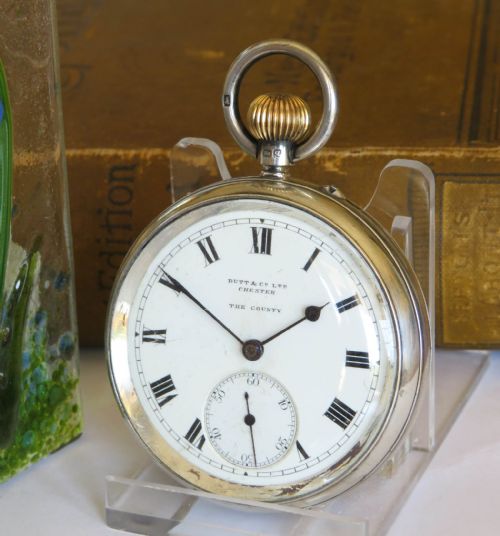
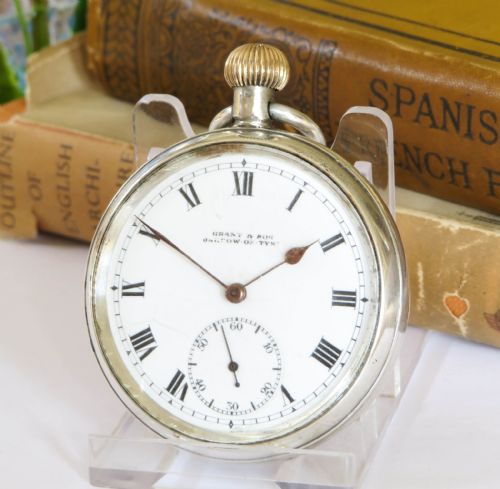
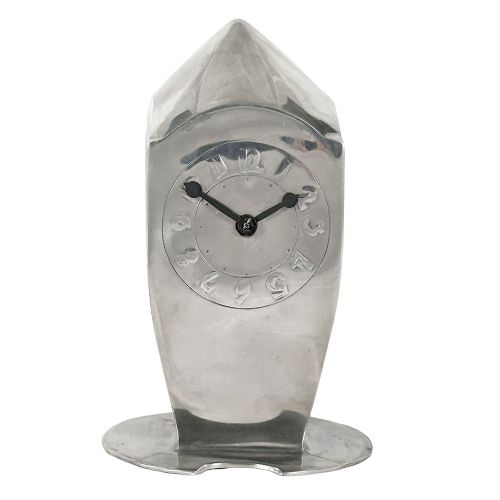
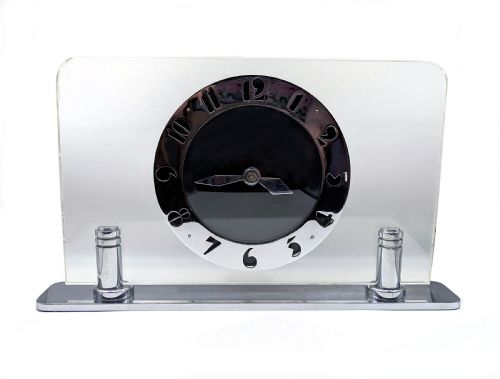
Vintage English Timepiece
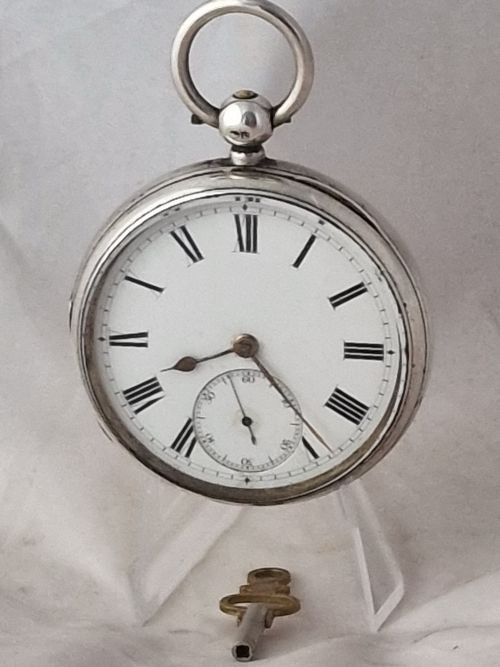
A vintage English timepiece brings mechanical precision and period character into a room, spanning pocket watches, bracket clocks and wall dials.
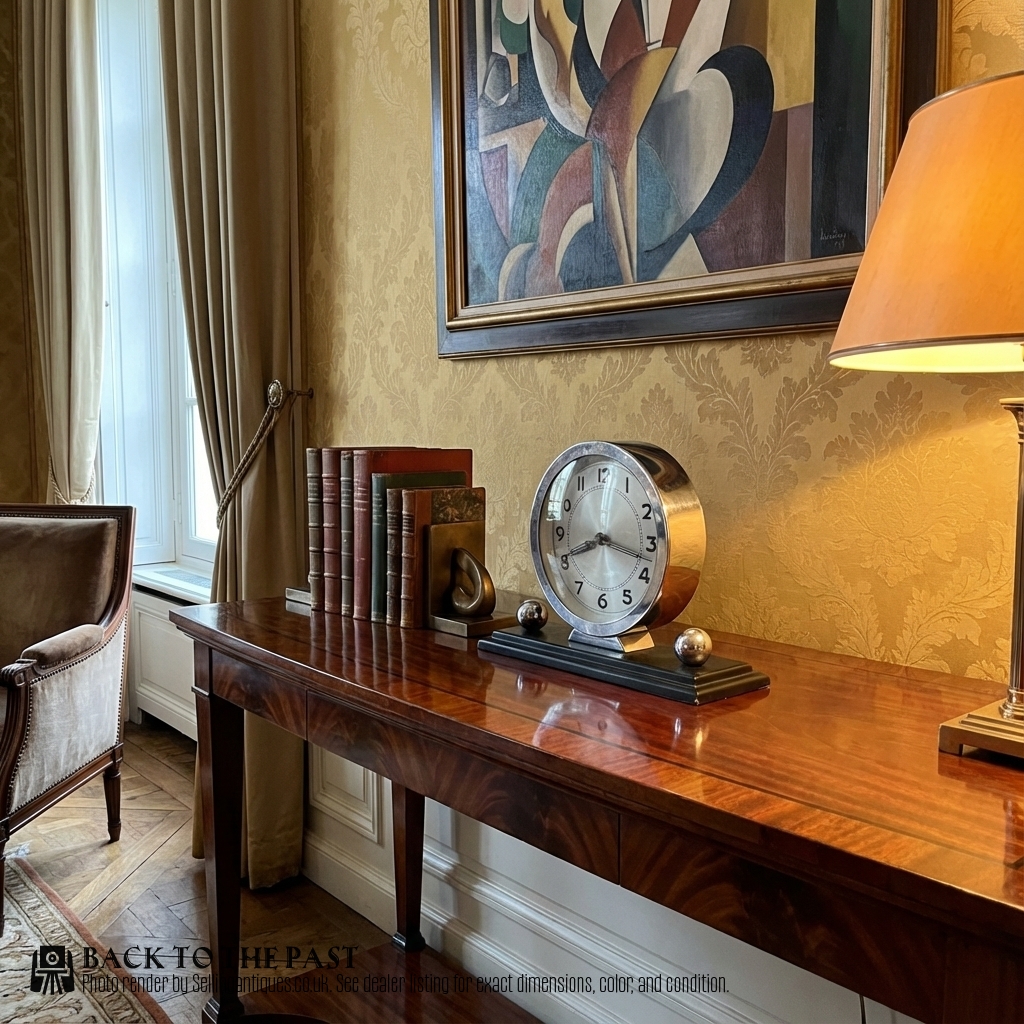
Vintage English Timepiece
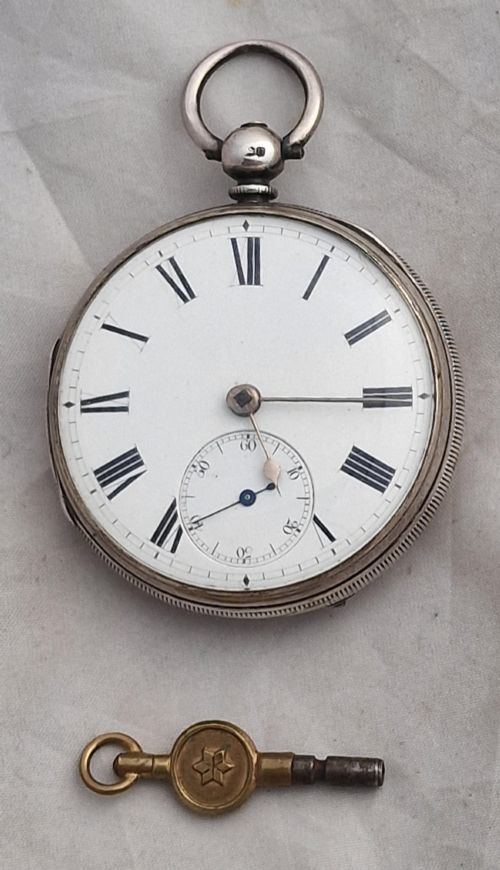
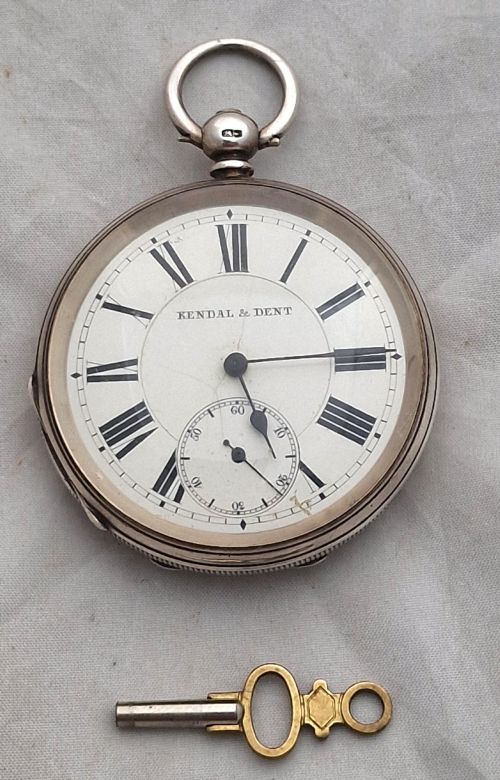
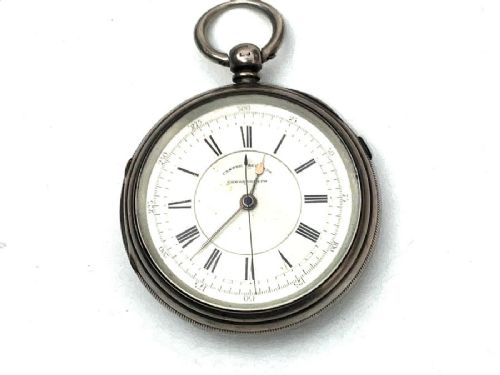
A vintage English timepiece encompasses a diverse group of portable and domestic horological objects originating from periods such as the Georgian era, the Victorian age, and the mid-twentieth century. When searching for a vintage English timepiece, buyers frequently encounter pocket watches alongside wall clocks, mantel timepieces, and desk clocks.
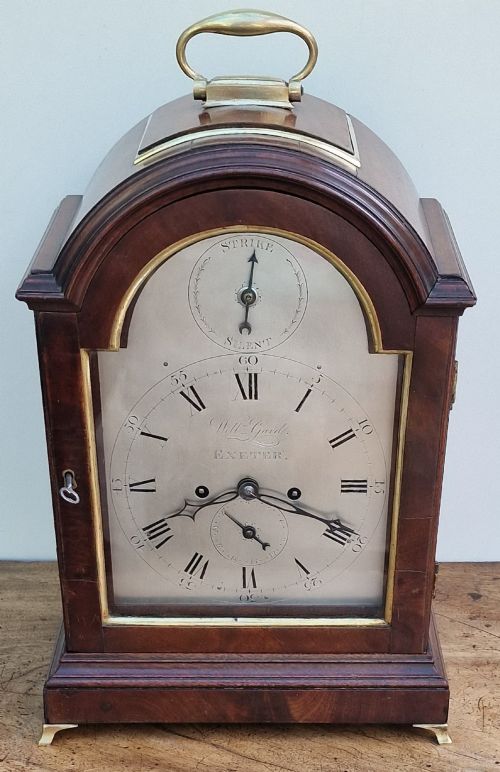
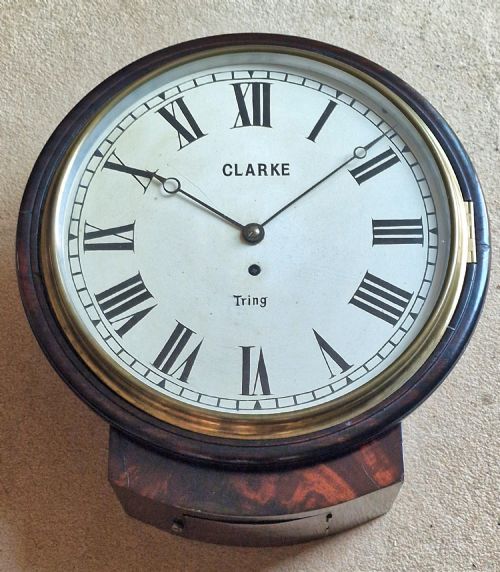
The selection ranges from early lantern clocks with verge escapements and railway drop dial clocks to Art Deco modernist wind-up desk clocks and mid-century wristwatches. Form follows function across these examples, moving from brass carriage clocks designed for travel to large mahogany library and bracket clocks intended for domestic interiors.
How They Were Made
Maker workshops utilised durable metals like brass, steel, silver, and iron alongside cabinet timbers such as mahogany and oak to house delicate internal movements. Glass protected dials and skeleton mechanisms, while enamel provided clean, legible surfaces for numerals.
Fusee movements, verge escapements, and mechanical wind-up systems required specialist skill to assemble and calibrate. Artisans incorporated decorative elements including inlaid wood, gilt finishes, pewter, and chrome to suit the prevailing styles of each distinct period.
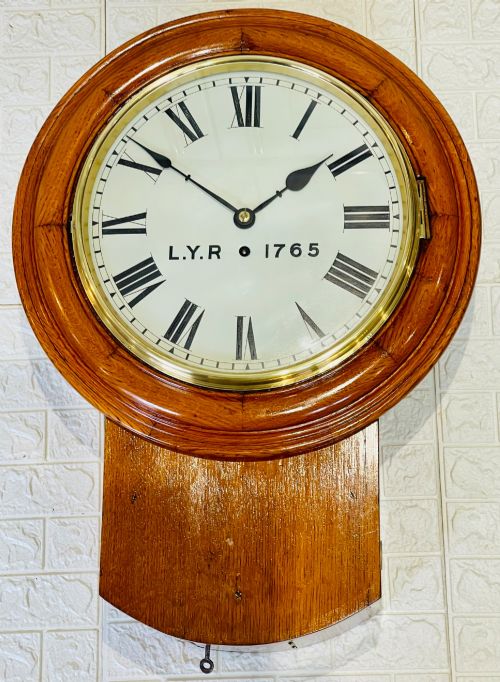
Some railway wall clocks faithfully kept trains running across the country while commuters worried about missing their tea.
What Varies in Quality
The standard of a vintage English timepiece depends upon the precision of its movement, the integrity of its casing, and the reputation of the maker. Master horologists working in London and regional towns produced mechanisms with finer finishing and more reliable timekeeping.
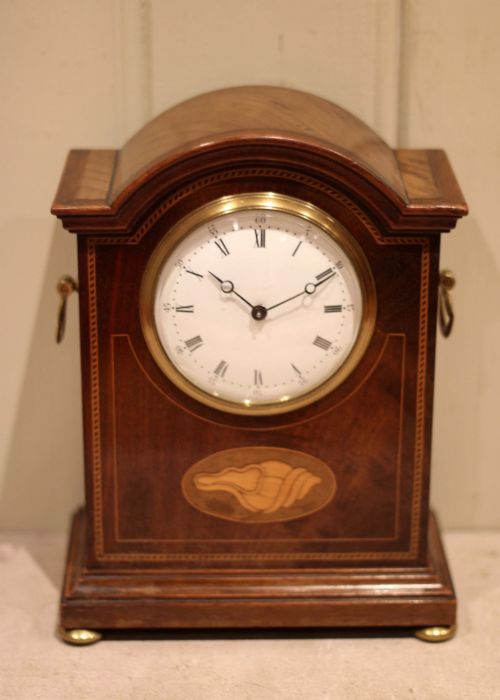
Material selection and decorative execution differentiate standard production from superior pieces. Intricately inlaid mahogany cabinets, substantial brass cases, and specialised complications elevate certain items above simpler utilitarian designs.
Hamilton and Inches·Thomas Langley·William Gard·Smiths Clockmakers·Richard Winter·John Morley·Archibald Knox for Liberty and Co
The Vintage English Timepiece Glossary
- Fusee
- A conical pulley used in older timepieces to maintain even power from the mainspring as it unwinds. This mechanism helps ensure more accurate timekeeping throughout the duration of the wind.
- Verge escapement
- An early type of escapement mechanism that controls the release of power in a clock or watch. It typically works in conjunction with a balance wheel or foliot.
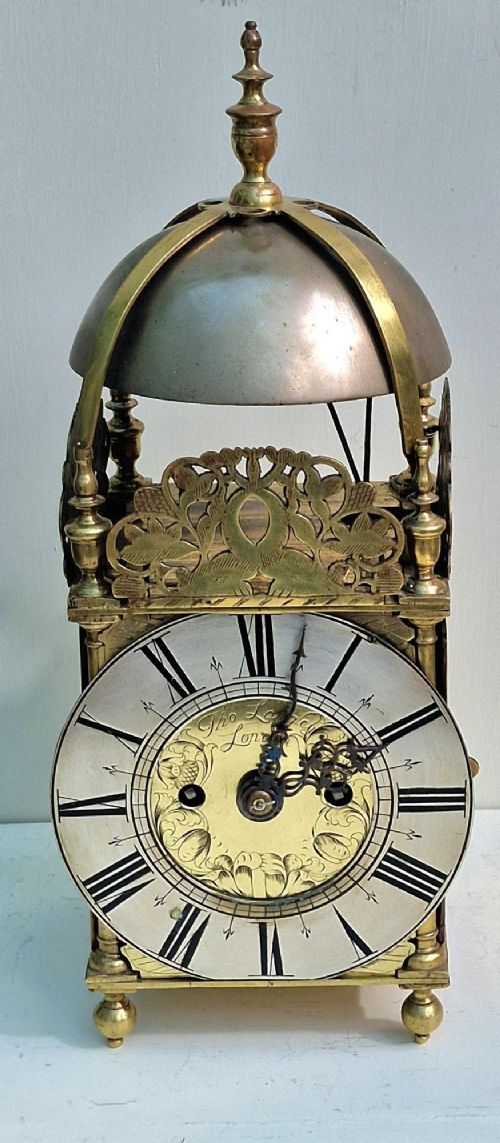
- Lantern clock
- An early form of brass domestic clock, usually driven by weights and designed to hang on a wall or stand on a bracket. These pieces often feature prominent bell domes on top.
- Skeleton clock
- A timepiece designed with an open framework that exposes the gear train and movement plates to view. They are frequently housed beneath glass domes.
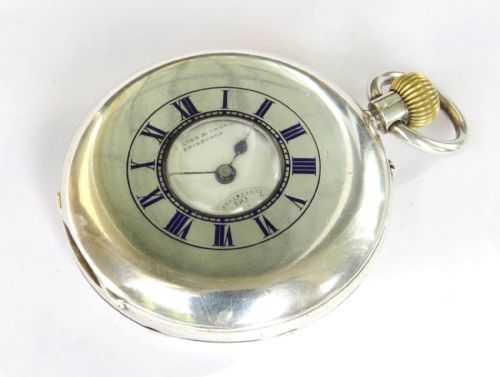
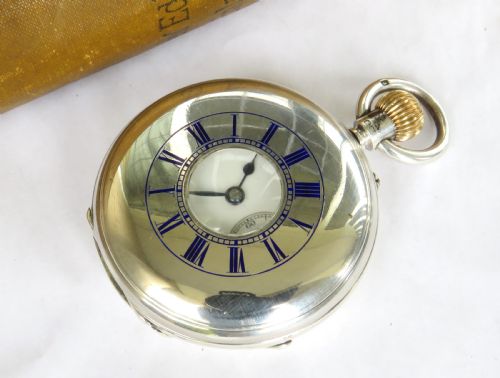
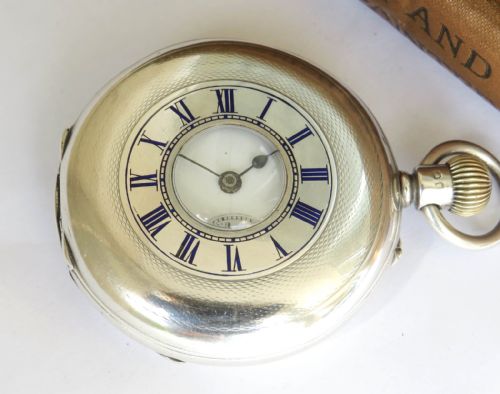
- Half hunter
- A pocket watch case featuring a solid outer lid with a glass or open centre aperture. This design allows the user to read the hands without fully opening the case.
Vintage English Timepiece: Frequently Asked Questions
How do I wind a mechanical timepiece?
Mechanical timepieces require a key or an attached crown to tension the mainspring inside the movement. Care must be taken not to overwind the mechanism, stopping as soon as resistance is felt.
Different periods utilise distinct winding methods, ranging from fusee chain setups to standard barrel springs. Consult the specific requirements of the movement before attempting operation.
What is a fusee movement?
A fusee movement incorporates a conical pulley connected to the mainspring by a fine chain or cord. This clever engineering compensates for the decreasing torque of the spring as it unwinds.
Timepieces with fusee movements generally demonstrate higher levels of horological craftsmanship and precision. They appear frequently in English bracket clocks and pocket watches.
Where should I place a bracket clock?
Bracket clocks and table clocks suit stable horizontal surfaces such as mantelpieces, sideboards, and dedicated wall brackets. They require a level foundation to ensure the escapement beats evenly.
Keep mechanical timepieces away from direct sunlight, extreme temperature fluctuations, and damp environments to protect both the wooden case and internal brass components.
How do I identify a Victorian wall clock?
Victorian wall clocks often feature robust oak or mahogany frames, painted dials, and glass viewing windows. Dial formats vary from drop dials used by railway companies to more decorative domestic wall pieces.
Examining the materials, movement construction, and regional maker signatures helps distinguish Victorian examples from earlier Georgian or later Edwardian alternatives.