


Vintage English Porcelain Jug
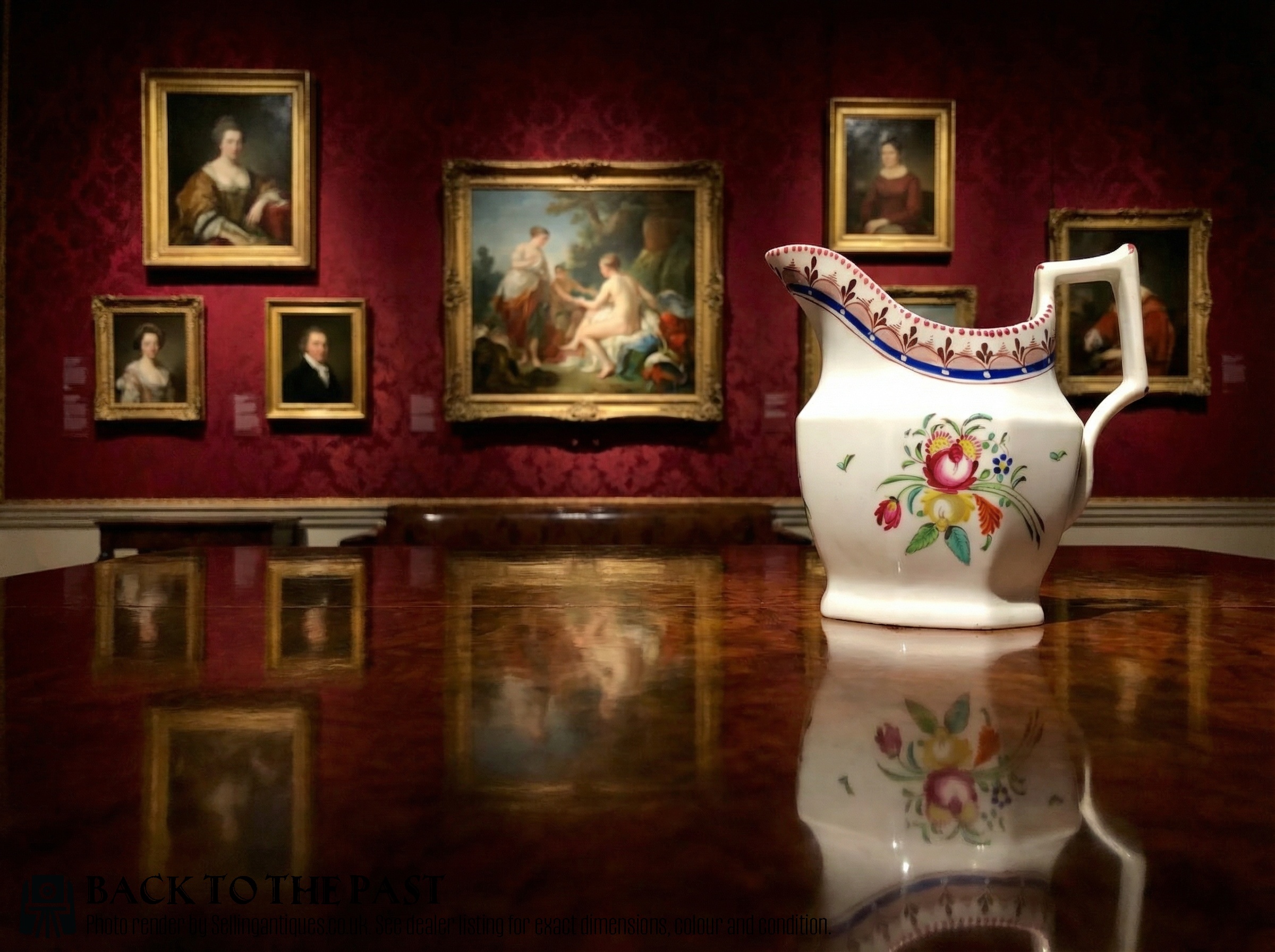
A vintage english porcelain jug brings refined utility to the table, offering a tangible piece of historic ceramic artistry for everyday display.
Vintage English Porcelain Jug
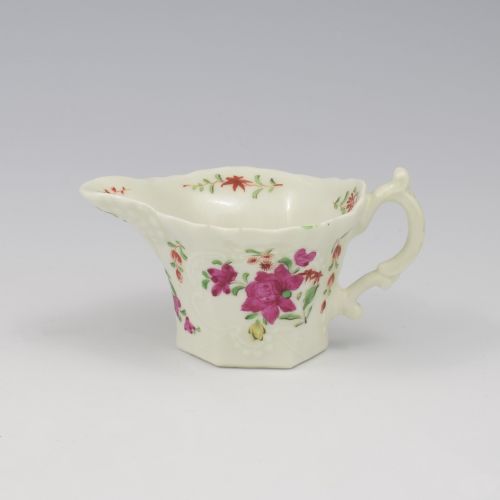
When you search for a vintage english porcelain jug, you encounter diverse vessels spanning several centuries of British ceramic history. The selection ranges from eighteenth-century sauce boats and soft-paste cream jugs to nineteenth-century ironstone pitchers and mid-twentieth-century painted fruit pieces.
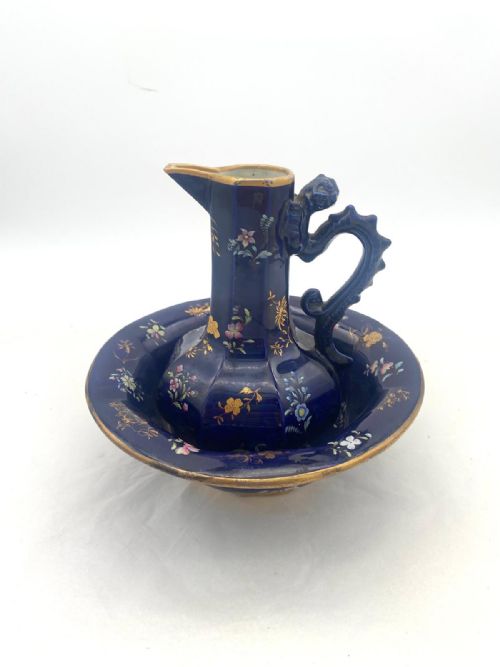
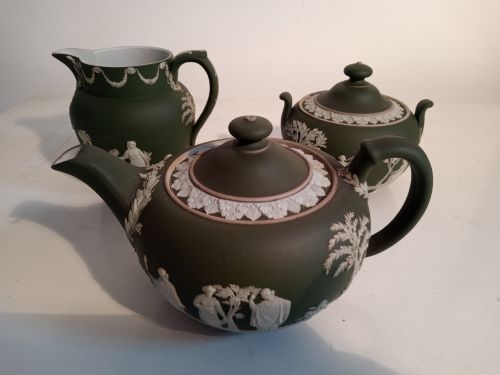
You meet various utilitarian and decorative forms on this page, including hydra jugs, mask head jugs, basin sets, and bachelor teasets. These vessels reflect domestic dining traditions from Georgian, Victorian, and Edwardian households alongside later twentieth-century studio output.
Regional diversity emerges clearly through wares originating from renowned production centres such as Worcester, Caughley, Liverpool, and Derby. Each piece carries the distinct stylistic markers of its specific period, whether through hand-painted floral motifs, armorial crests, or transfer-printed blue and white decorations.
Materials and production methods
Potters utilised fine porcelain, soft-paste porcelain, and robust ironstone to shape these jugs, often applying glossy glazes to seal the ceramic body. Manufacturers combined these foundational materials with intricate enamel colours, delicate gold leaf, and rich gilding to enhance the visual appeal of the vessel.
Some nineteenth-century makers styled their pitchers with mythical hydra handles, ensuring your morning cream is poured under the watchful eye of an ancient beast.
Distinctions in craftsmanship and design
The finesse of the painting and the precision of the moulding determine the standing of each piece, distinguishing standard utility wares from exceptional cabinet examples. Superior specimens feature crisp relief work, finely delineated armorial crests, or masterfully executed fruit studies by named artists.
The application of gilding and enamel colours also reveals the level of workshop care, with top-tier examples showing rich, burnished gold and harmonious palettes. Historical significance, such as early transitional factory periods or documented patterns, elevates the distinction of the vessel.
Masons Ironstone·Wedgwood·Chamberlain Worcester·New Hall·Caughley Coalport·Royal Worcester·Crown Derby
The Vintage English Porcelain Jug Glossary
- Soft-paste porcelain
- An early ceramic composition fired at lower temperatures than hard-paste, producing a warm, slightly translucent body popular in eighteenth-century English factories. It absorbs moisture differently and often shows characteristic glaze pooling.
- Ironstone
- A durable, dense ceramic material patented in the nineteenth century to withstand heavy domestic use while mimicking the appearance of fine porcelain. It forms the robust body of many large jugs and pitchers.
- Hydra jug
- A classic pitcher shape featuring a serpentine handle and a distinctive flared spout reminiscent of mythological forms. This neoclassical silhouette frequently appears on early nineteenth-century earthenware and porcelain.
- Mask head jug
- A vessel featuring a moulded human or mythical face incorporated beneath the spout, commonly found on blue and white transfer-printed wares. It represents a playful yet traditional sculptural embellishment.
- Armorial crest
- A painted or transferred heraldic family symbol displayed prominently on tableware to denote the lineage of the original owner. Such crested pieces were typically commissioned as part of extensive bespoke services.
Vintage English Porcelain Jug: Frequently Asked Questions
How do I date an old porcelain jug?
Examining the paste, glaze, and factory marks provides the most reliable indication of age. Eighteenth-century pieces often display soft-paste characteristics and hand-painted blue underglaze, whereas later nineteenth-century examples frequently utilise ironstone or transfer-printing techniques.
Style also offers vital clues, as neoclassical shapes, Victorian floral arrangements, and twentieth-century fruit painting align with specific decades of British ceramic production.
Were these jugs used for milk or water?
Many smaller vessels functioned as cream jugs or milk jugs for tea service, designed to accompany teapots and sugar bowls on the table. Larger pitchers and basin sets served utilitarian washing purposes or held liquids for dining.
Over time, many decorative pieces transitioned from active household service to display objects within cabinets or on mantelpieces.
How should I clean a vintage porcelain jug?
Gentle washing in warm water with mild, non-abrasive soap safely removes dust and accumulated oils from the glazed ceramic surface. Soft cloths prevent scratching on delicate enamel or gilded details.
Harsh chemical cleaners and dishwashers must be avoided, as they strip vulnerable overglaze decorations and historical gilding from antique porcelain bodies.
What is the difference between porcelain and ironstone?
True porcelain is a vitrified, translucent ceramic fired at high temperatures to achieve a fine, resonant body. Ironstone is a heavy, opaque earthenware developed for durability, offering greater resistance to chips and cracks.
While both appear in historical jugs, porcelain typically prioritises refined decorative display, whereas ironstone balances sturdiness with decorative ambition.