


Vintage English Dessert Plates
These vintage english dessert plates bring the refined formality of historic dining tables straight into modern homes.
Vintage English Dessert Plates
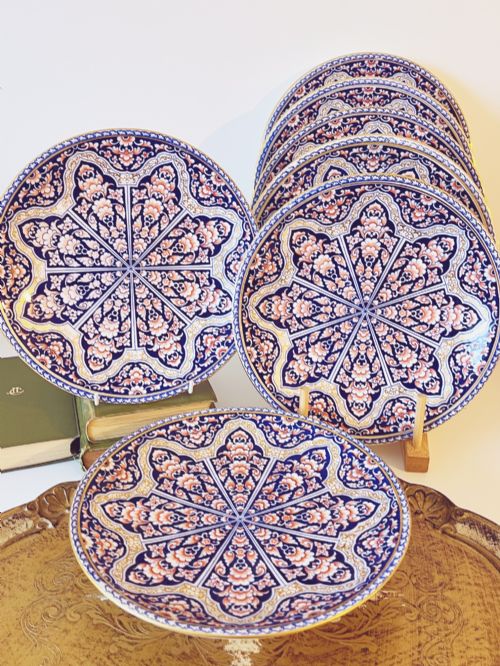
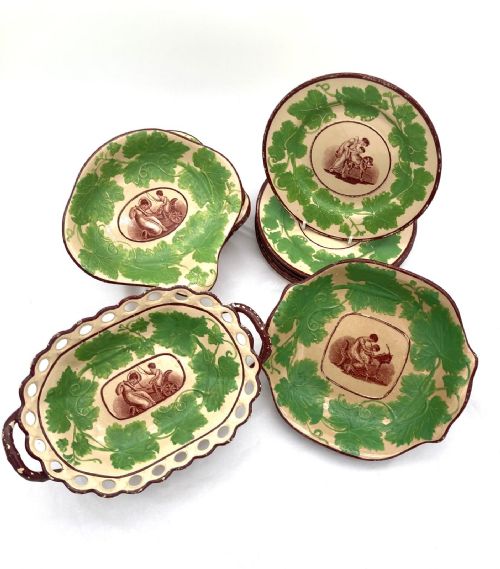
Vintage english dessert plates encompass a rich variety of serving wares designed for the final course of grand meals across several centuries. These pieces appear in forms ranging from individual plates to comprehensive dessert services complete with matching comports and serving dishes. The selection on this page bridges the 18th century, the regency era, and the Victorian period, reflecting evolving tastes in tableware.
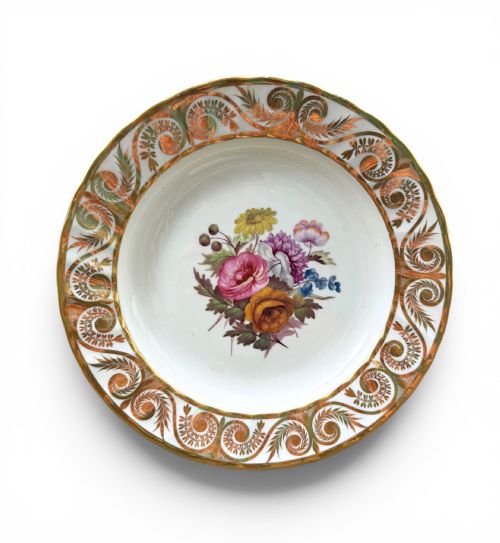
Buyers encounter an assortment of materials and decorative motifs typical of English ceramics and glass production. Items stretch from porcelain dishes painted with botanical studies to ironstone wares and free blown crystal glass ice plates. Makers utilise techniques developed during the Georgian, Victorian, and Edwardian eras to create both decorative dishes and functional tableware.
How they were made
Manufacturers shaped these dessert plates using established ceramic bodies such as bone china, porcelain, earthenware, and ironstone. Skilled hands applied intricate glazes, enamel colours, and delicate gold leaf highlights to enhance the visual appeal of the finished tableware. Workshops also employed free blown crystal glass techniques for specialised ice plates.
Artisans decorated many pieces through hand painted floral studies, botanical subjects, and detailed pattern transfers. These methods required precise firing temperatures in kilns to fix the enamel pigments and gilding securely to the ceramic surfaces.
Materials span bone china, earthenware, ironstone, and free blown crystal glass.
What varies in quality
The distinction between standard and exceptional pieces rests upon the finesse of the painting and the complexity of the glaze work. Hand painted botanical scenes by known hands display a superior level of artistry compared to simpler transfer printed designs. The crispness of moulded ironstone details and the purity of bone china or crystal glass further separate the tiers.
Preservation of delicate gold leaf gilding and original enamel colours plays a major role in the overall standing of each dish. Pieces that retain their crisp painted motifs without heavy wear demonstrate the care taken by past owners and the durability of the original manufacture.
Royal Crown Derby·Moses Webster·Dr Wall Worcester·Royal Worcester·Masons Patent Ironstone·Wedgwood·Roberts and Belk
The Vintage English Dessert Plates Glossary
- Comport
- A raised dish or pedestal bowl used for serving fruit or sweets as part of a formal dessert service. It sits taller than the accompanying plates to create height on the dining table.
- Ironstone
- A dense, durable type of earthenware patented in England during the early nineteenth century. It resists chipping far better than standard porcelain while accepting colourful glazes.
- Bone china
- A ceramic paste incorporating animal bone ash that produces a strong, slightly translucent white body. English potteries favoured it for fine tableware.
- Gold leaf
- Extremely thin beaten gold applied to ceramic borders and handles for decoration. It requires careful firing to bond with the glaze beneath.
- Free blown
- Glass shaped entirely by breath and hand tools without the aid of a mould. This technique results in subtle individual variations across a set.
Vintage English Dessert Plates: Frequently Asked Questions
How were dessert plates used?
These plates served the final course of formal dinners, which typically consisted of fresh fruit, sweetmeats, nuts, and cheeses. They often formed part of a large matched service that included comports and serving ewers.
Hostesses displayed them to impress guests at the end of the meal when the main dinner service was cleared away. Many pieces remain suitable for serving small delicacies today.
How do I date an antique plate?
Dating relies on maker marks, registration diamonds, pattern numbers, and stylistic clues inherent to periods like the regency or Victorian eras. Ceramic bodies and glaze characteristics also help narrow the decade of production.
Consulting historical records for specific potteries provides exact years for many numbered patterns. Physical traits like foot rim construction offer further chronological context.
Can I use these plates daily?
While durable, antique dessert plates with hand painted enamels and gold leaf require gentle hand washing rather than mechanical dishwashing. Proper care preserves the fragile surface decoration over decades of use.
Many collectors prefer to use them for special occasions or display them safely on walls and in cabinets. Treating them with mild detergents protects the historic glaze.
What is ironstone china?
Ironstone is a heavy, robust ceramic material developed in the nineteenth century to withstand rigorous household use. It mimics the appearance of fine porcelain while offering greater structural strength.
Potteries decorated ironstone with bold transfers and bright enamel colours often inspired by Asian imports. Its durability made it popular for everyday dining and large services.